Integrated Home Automation: How It Works, UK Costs and Security
How integrated home automation works, from smart heating and lighting to security, what it costs in the UK, realistic savings, the UK security rules and how to get started.
 10 min read
Comments: 0Views: 3
Short answer: integrated home automation means your heating, lighting, security, appliances and entertainment work together as one system, controlled from a single app, voice assistant or wall panel, and able to run automatically. You can build it gradually from consumer gadgets such as smart thermostats, bulbs, plugs and video doorbells, ideally choosing products that support the Matter standard so they work across brands, or have a professional install a wired whole-home system. In the UK, a smart thermostat costs around £150 to £250 and realistic heating savings are anywhere from about £25 to £150 a year, depending on your home. Since April 2024, UK law has banned smart devices with easy-to-guess default passwords. And if anyone in your home uses a telecare alarm, check it before the landline network switches to digital by January 2027.
What “Integrated” Really Means
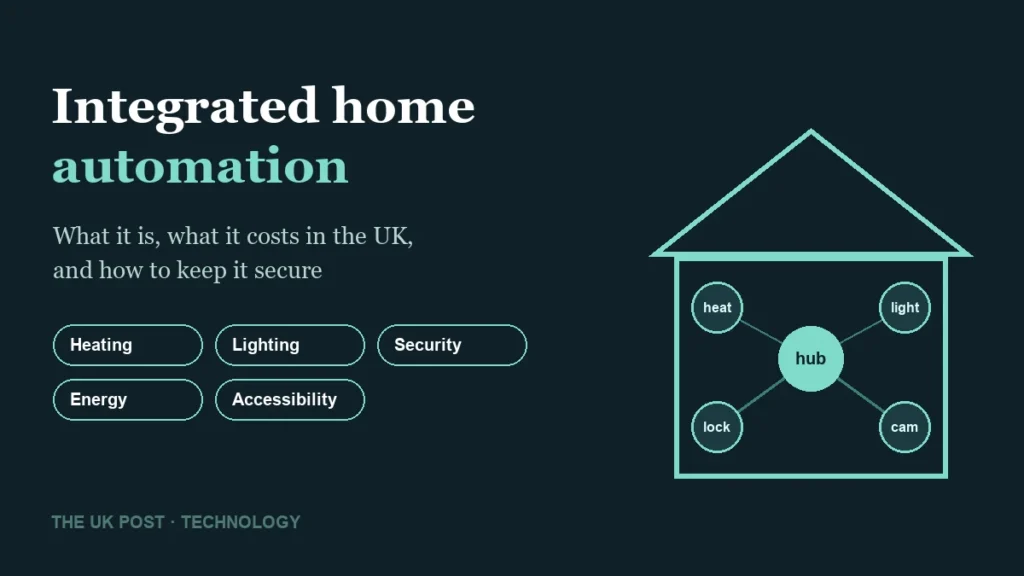
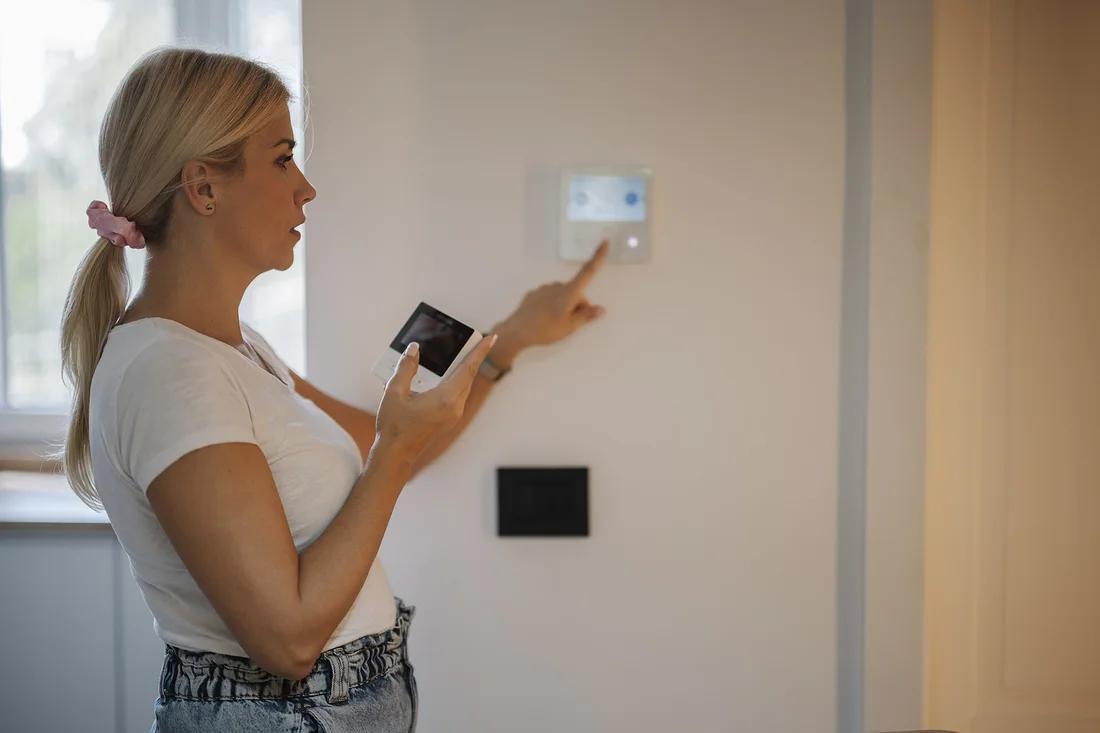
Most homes with smart devices are not truly integrated. A typical house has a smart thermostat with its own app, a video doorbell with another, bulbs with a third and a speaker with a fourth. Integration is when these devices share information and act together. For example:
- When the last person leaves, the heating turns down, the lights switch off and the cameras arm themselves.
- When the doorbell rings at night, the hall light comes on and the camera feed appears on the TV.
- When a window sensor detects an open window, the radiator in that room switches off.
- At bedtime, one voice command locks the door, dims the lights and sets the heating for the night.
The Main Parts of a Home Automation System
| Area | Typical devices | What automation adds |
|---|---|---|
| Heating | Smart thermostat, smart radiator valves (TRVs) | Room-by-room schedules, turning down when you are out, open-window detection |
| Lighting | Smart bulbs, smart switches and dimmers | Schedules, scenes, motion-triggered lights, “away” lighting |
| Security | Video doorbell, cameras, smart locks, alarm sensors | Alerts to your phone, automatic arming, lights on when motion is detected |
| Energy | Smart plugs, energy monitors, EV charger, solar and battery systems | Running appliances on cheaper off-peak tariffs, tracking usage |
| Entertainment | Smart TV, speakers, multi-room audio | Voice control, “movie night” scenes that dim lights |
| Comfort and care | Blinds, sensors, telecare devices | Automatic blinds, fall or inactivity alerts for older relatives |
How the Pieces Talk to Each Other
Devices connect using different wireless “languages”, which is why compatibility matters:
- Wi-Fi: simple, but lots of devices can strain a home network.
- Zigbee and Z-Wave: low-power mesh networks used by many sensors, bulbs and alarm systems; they usually need a hub.
- Thread: a newer low-power mesh network designed for smart homes.
- Matter: launched in 2022 by the Connectivity Standards Alliance, which includes Amazon, Apple, Google and Samsung. Matter-certified devices are designed to work with any compatible platform, so you are not locked into one brand. Look for the Matter logo when buying.
- Wired systems such as KNX: installed in the walls by professionals, mostly in new builds and major renovations. Very reliable, but expensive and best planned early.
To tie everything together you need a controller: a voice assistant platform (Amazon Alexa, Google Home or Apple Home), a dedicated hub, or, for enthusiasts, open-source software such as Home Assistant that runs locally on a small computer.
DIY or Professional? What It Costs in the UK
| Item | Typical UK price (2026) |
|---|---|
| Smart plug | £10 to £25 |
| Smart bulb | £10 to £50 |
| Smart speaker or display | £30 to £250 |
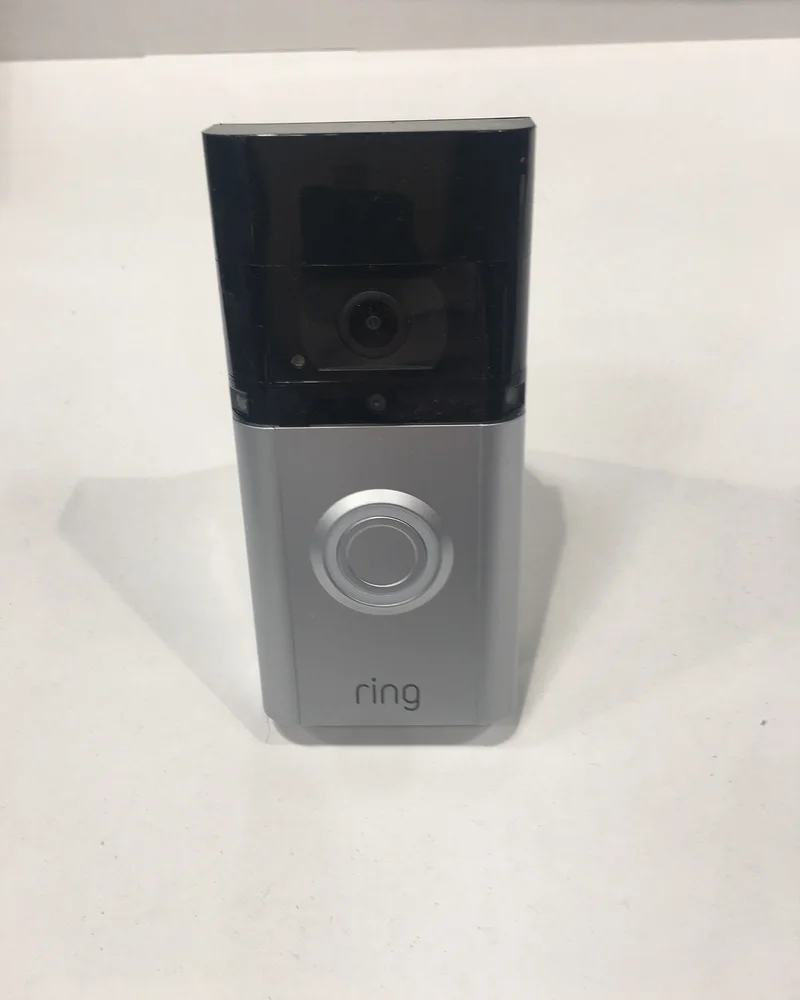
| Video doorbell | £50 to £200, plus an optional subscription for recordings |
| Smart thermostat | £150 to £250, plus installation if wired |
| Smart radiator valves | About £40 to £80 each |
| Professionally installed whole-home system | Several thousand pounds and up, depending on the size of the home |
Most people start with DIY: a thermostat, a few bulbs and a doorbell, added one room at a time. A professional installer (look for experience with your chosen system, and a qualified electrician for anything wired into the mains) makes more sense for wired systems, large homes or renovations. Remember that rented homes usually need the landlord’s permission for anything that involves drilling or rewiring.
Will It Save You Money?
Heating is where automation can pay for itself, but be sceptical of big marketing claims. Independent and industry estimates vary widely:
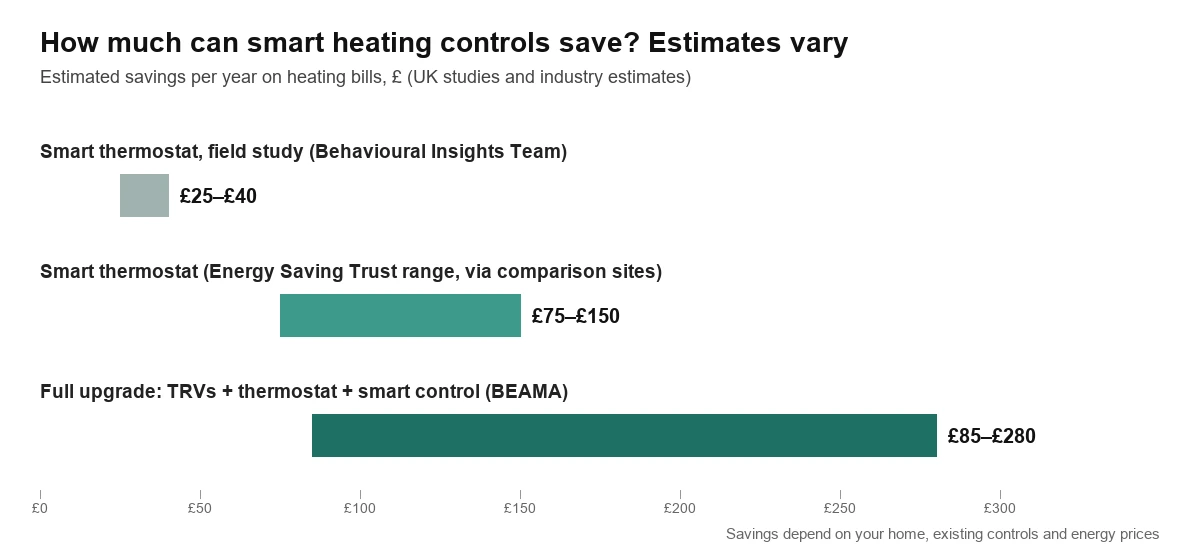
The biggest savings come in homes that previously had basic controls and heated empty rooms. Smart radiator valves, which let you heat only the rooms you use, can add to that. Other energy wins include running dishwashers and washing machines on cheaper off-peak tariffs and spotting “vampire” standby power with energy-monitoring plugs. If your home already had good controls that you used carefully, the extra savings will be smaller.
Security and Privacy: The UK Rules
Every connected device is a possible way into your network. The UK’s Product Security and Telecommunications Infrastructure (PSTI) regime, in force since 29 April 2024, requires manufacturers, importers and retailers of consumer smart devices to:
- not use universal or easily guessed default passwords;
- publish how long the product will receive security updates;
- provide a way to report security problems.
Breaking these rules can bring fines of up to £10 million. Even so, your own habits matter:
Five steps to a more secure smart home
Think about privacy too. Video doorbells and cameras that record beyond your property, such as a neighbour’s garden or the street, bring data protection responsibilities; the Information Commissioner’s Office has guidance for homeowners. Our guide on ways to stay safe online covers the wider basics.
Home Automation for Older and Disabled People
Automation can make independent living easier: voice control of lights and heating, smart doorbells for people with limited mobility, door and motion sensors that alert family if a relative has not moved, and automatic blinds. Voice assistants can also read messages and make calls, and our guide to automatic typing and voice dictation covers using speech instead of a keyboard.
In England, Wales and Northern Ireland, a council Disabled Facilities Grant can help pay for adaptations that make a home suitable for a disabled person, which can include controls for heating and lighting. Ask your council for an assessment. (Scotland has its own scheme.)
Important: the digital landline switchover. The UK’s old copper telephone network is being switched off, with most people due to have moved to digital phone lines by the end of January 2027. Older telecare alarms, personal alarms and some security systems that use the phone line may stop working if they are not compatible. If you or a relative relies on one, tell your phone provider and check with the alarm provider before your switch date. Fax machines can be affected too; see our guide to fax cover pages and online fax.
A Simple Plan to Get Started
- Choose your platform (Alexa, Google Home or Apple Home) based on the phones and speakers you already have.
- Start with heating: a smart thermostat, then smart radiator valves in the rooms you use most.
- Add lighting and plugs for schedules and “away” modes.
- Add security: a video doorbell, then sensors or cameras if you need them.
- Create automations: start with two or three simple routines that genuinely save time, then build up.
- Buy Matter-certified products wherever possible, so you can change platforms later.
My advice: automate the things you do every day and find mildly annoying, such as turning off lights or adjusting the heating. Gadgets that need more effort than the job they replace tend to end up unplugged in a drawer.
Frequently Asked Questions
What is integrated home automation?
A setup where your home’s devices, such as heating, lighting, security and appliances, work together and can be controlled from one place or run automatically.
What is the difference between a smart home and home automation?
A smart home has connected devices you can control remotely. Home automation goes further: devices act automatically and together, based on schedules, sensors or events.
What is Matter?
A smart home standard launched in 2022, backed by Amazon, Apple, Google, Samsung and others, so certified devices work across different platforms.
How much does home automation cost in the UK?
You can start for under £100 with smart plugs and bulbs. A smart thermostat costs about £150 to £250. Professionally installed whole-home systems cost several thousand pounds and up.
Does a smart thermostat save money?
Usually, but estimates vary from about £25 to £150 a year, depending on your home and how well you controlled the heating before.
Is home automation safe from hackers?
No system is perfectly secure, but UK law now bans weak default passwords. Use strong unique passwords, two-step verification, updates and a secure Wi-Fi network.
Do I need a hub?
Not always. Many Wi-Fi and Matter devices work through a smart speaker or phone. Zigbee and Z-Wave devices usually need a hub.
Can I install smart home devices in a rented home?
Plug-in devices, bulbs and battery doorbells are usually fine. Anything that involves drilling, rewiring or replacing the thermostat normally needs your landlord’s permission.
Will my alarm work after the landline switch-off?
Not necessarily. Older telecare and alarm systems that use the phone line may need replacing or reconfiguring. Contact your phone and alarm providers before your switch date.
Can home automation help elderly relatives live independently?
Yes. Voice control, sensors and alerts can help, and a Disabled Facilities Grant may contribute to adaptations. Always keep a reliable way to call for help.
Final Thoughts
Integrated home automation is no longer just for luxury new builds. Start small, focus on heating and the routines that annoy you, choose Matter-compatible kit so you are not locked in, and take security seriously. Done well, it makes a home more comfortable, a little cheaper to heat and, for older or disabled people, easier to live in independently.
Sources: GOV.UK guidance on the PSTI consumer connectable product security regime; NCSC; Which?; Energy Saving Trust figures as reported by comparison sites; BEAMA estimates of heating-control savings; Behavioural Insights Team evaluation of smart thermostats; Connectivity Standards Alliance (Matter); GOV.UK and Citizens Advice on the digital landline switchover; GOV.UK on Disabled Facilities Grants; Information Commissioner’s Office guidance on domestic CCTV.