Green Roofs in the UK: Eco-Friendly Roofing Solutions for a Sustainable Future
Green roofs in the UK: types, benefits, costs and maintenance, plus the planning rules, Biodiversity Net Gain, structural checks and fire safety you need to know.
 Updated
9 min read
Comments: 0Views: 128
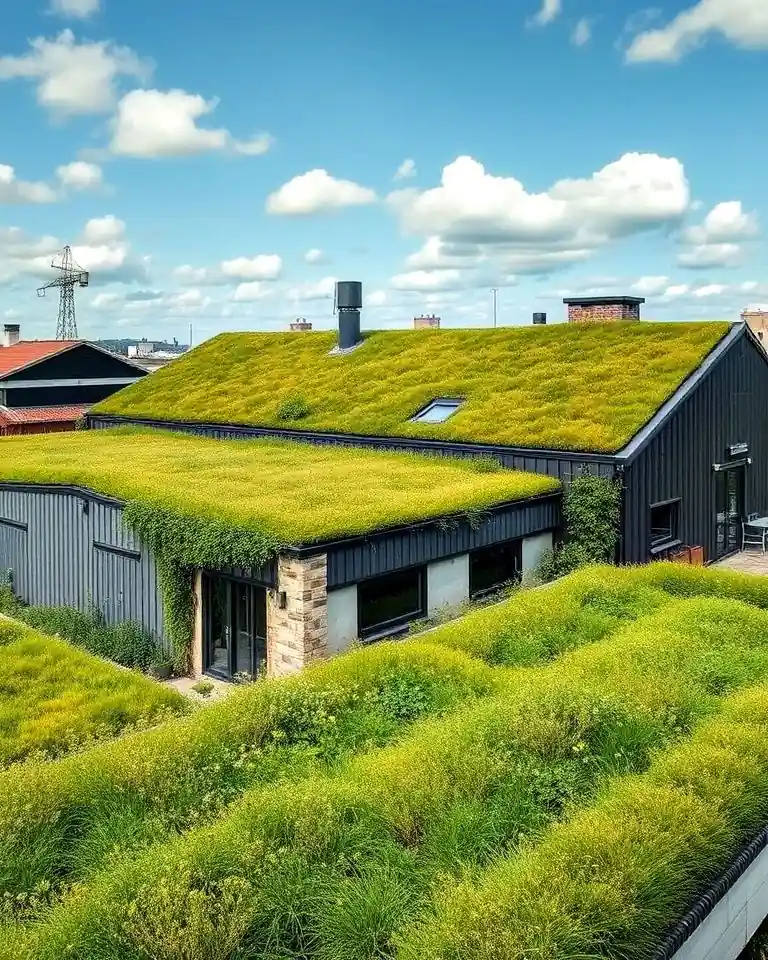
A green roof is a waterproofed roof covered with a growing layer and plants, such as sedum, wildflowers or even small shrubs. In the UK, a lightweight sedum roof typically costs about £60 to £100 per square metre installed, although quotes vary widely. Most home installations do not need a full planning application, but you should always confirm that the roof can carry the extra weight and check the rules with your council.
This guide explains the main types, realistic costs, planning and structural checks, maintenance, and whether a green roof is worth it for your home.
What Are Green Roofs and How Do They Work?
Green Roofs are rooftops that have plants, soil, and layers underneath to keep water out and help plants grow. They are different from regular roofs because they have living greenery on top. There are two main types: extensive Green Roofs which are light and need little care, and intensive Green Roofs which are heavier and can grow bigger plants like small trees or bushes. Both types need a strong base, a waterproof layer, a drainage system, and a layer of soil or growing medium. On top of that, plants are added. These roofs can be placed on houses, schools, shops, and office buildings. They are also used on bus stops, bike sheds, and car parks. The system helps reduce heat in buildings, manage rainwater, and bring back a bit of nature into busy places.
Benefits of Green Roofs for Homes and Cities
Green Roofs offer many useful benefits that make life better for people and the environment. The growing layer adds some insulation and shade, which can help keep the rooms below cooler in summer. Any saving on heating bills depends on the existing roof insulation and is often modest, so energy savings alone rarely justify the cost. They also reduce noise from outside. Another benefit is rainwater management. Green Roofs soak up rain, which stops water from running off too fast. This helps lower the risk of flooding in towns and cities. Green Roofs also clean the air by trapping dust and harmful gases. They give birds, bees, and butterflies a place to live and find food, especially in places where green space is rare. Some buildings even use them for small gardens. Many UK councils encourage them in new development because of these drainage and biodiversity benefits.
Types of Green Roofs Used in the UK
In the UK, most buildings use either extensive or intensive Green Roofs. Extensive roofs are the most common. They are lightweight and use low-growing plants like mosses and sedum. These roofs are great for flat or low-sloped buildings and don’t need much care. They are cheaper to install and work well for homes and garages. Intensive roofs are heavier and more like gardens. They can grow flowers, grasses, and even small trees. These need strong buildings to support the weight and more regular care. You will find these on larger buildings like schools, offices, or community centres. There is also a semi-intensive type which is in between. It has more plant variety than extensive roofs but is not as heavy as intensive ones. The type you choose depends on your roof’s strength, your budget, and how much maintenance you’re willing to do. In all cases, the Green Roof helps the environment and saves energy.
How Much Do Green Roofs Cost in the UK?
The cost depends on the roof’s size, access, build-up and whether strengthening is needed. UK price guides differ, so treat these as indicative and get at least three quotes:
- Extensive or sedum: usually around £60 to £100 per square metre installed. MyJobQuote gives a lower starting range of £35 to £50, while sedum mats alone can cost about £20 to £45.
- Semi-intensive: roughly £80 to £160 per square metre.
- Intensive: often from £120 to £150 per square metre, and above £250 for complex projects.
As a simple example, a 15 square metre garage roof at £60 to £100 per square metre would cost about £900 to £1,500 before any repairs, waterproofing upgrades, scaffolding or structural work. Those extras can change the total considerably. Allow for yearly maintenance too. Grants for homeowners are limited and vary by area, so ask your council rather than assuming funding is available.
Read Also: Top Lawn Care Tips UK | Healthy Garden Guide
Can Anyone in the UK Install a Green Roof?
In most cases, yes — but there are things to check first. The roof needs to be strong enough to hold the extra weight. A structural survey might be needed. For new buildings, Green Roofs can be planned from the start. For older buildings, you can still install one, but you may need changes to the roof. Many householder green roofs fall within permitted development, so a full planning application is often not needed. The rules are tighter for listed buildings and conservation areas, and they vary across the UK, so check with your local council or the Planning Portal first. For bigger projects, especially in cities, rules around drainage, access, and safety may apply. It’s important to use professionals who know how to build Green Roofs safely. For example, homeowners can contact experts offering green roofing services to check their options. Some companies also offer designs that match UK weather, using local plants that don’t need much water or care. So yes, most people can install Green Roofs if the conditions are right.
Green Roofs and Their Role in Climate Change
Green Roofs play a big part in fighting climate change. One way they help is by reducing the heat in cities. This is known as the “urban heat island” effect, where cities are warmer than the countryside because of all the buildings and roads. Plants on rooftops cool the air and give shade. Plants also absorb some carbon dioxide, although the amount on a small roof is modest. They also make buildings use less energy, which cuts down on the burning of fossil fuels. Another way Green Roofs help is by stopping too much rainwater from going into drains during storms. This reduces the chance of floods, which are becoming more common with climate change. By making rooftops green, we use space that would otherwise go to waste. It’s a small change that can lead to big results, especially in busy UK towns and cities.
Maintenance and Lifespan of Green Roofs
Looking after a Green Roof is not very hard, but it’s still important. Extensive roofs need checks once or twice a year to clear weeds, check for damage, and make sure the water is draining properly. You may also need to replace dead plants and remove leaves or rubbish. Intensive roofs need more care, like trimming, watering in dry months, and regular gardening. If the roof has a walkway or sitting area, it will need even more maintenance. The waterproofing beneath a green roof is shielded from sunlight and temperature swings, which can help it last longer. Suppliers often quote lifespans of several decades, but the real figure depends on the quality of materials, installation and maintenance. Taking care of the roof and using good materials will help it last longer. If you ignore problems, repairs can be costly, so regular care is always worth it.
Future of Green Roofs in the UK
Green roofs are likely to remain part of UK planning, especially in dense urban areas. Biodiversity Net Gain and local greening policies give developers a reason to include them, and many schools, offices and public buildings already use rooftops for planting. For homeowners, the strongest cases are usually small flat roofs such as extensions, garages, sheds and bike stores, where the cost is manageable and the view from the house makes the planting easy to enjoy.
Read Also: 15 Essential Gardening Tools Names for Every Home Gardener
Green Roofs And Planning Rules
Since February 2024, most major developments in England must deliver at least a 10 per cent Biodiversity Net Gain, and green roofs are one way developers can help meet it. London also uses an Urban Greening Factor in its planning policy to encourage planting on new buildings. For a home extension, check with your council whether planning permission or building regulations approval is needed.
Structural Checks Before You Build
A saturated green roof can be very heavy, so a structural engineer should confirm the roof can carry the load before work starts. Good installers follow the Green Roof Organisation’s GRO Code, which covers waterproofing, drainage, root barriers and safe access for maintenance.
Fire Safety
Well-maintained green roofs with healthy planting present low fire risk, but dry vegetation can burn. Designers usually include non-combustible firebreaks, such as gravel strips around roof edges, openings and plant, and regular maintenance keeps plants watered and dead growth cleared. For more eco-friendly home ideas, see our guide to energy-efficient appliances.
Conclusion
A green roof can be a worthwhile upgrade if your roof is strong enough and your main goals are wildlife, rainwater management and a better view. It is less convincing as a purely financial investment. Start with a structural check, confirm the planning position, compare several quotes and budget for simple yearly maintenance.
FAQs
What is the main purpose of a green roof?
Green roofs slow rainwater runoff, support wildlife, add some insulation and shade, and bring planting into built-up areas.
How long do green roofs last?
Suppliers often quote several decades. The lifespan depends on the waterproofing, installation quality and regular maintenance.
Do green roofs need planning permission?
Often not for a house, because many fall within permitted development. Listed buildings, conservation areas and larger projects may need consent, so check with your council.
How much does a green roof cost in the UK?
A sedum roof is typically about £60 to £100 per square metre installed. Intensive roofs cost more, often from £120 to £150 and above.
Can you install a green roof on any house?
No. The roof must be able to carry the saturated weight, so ask a structural engineer to check it first.
Are there UK grants for green roofs?
There is no general national grant that we could confirm for homeowners. Local schemes come and go, so ask your council.