
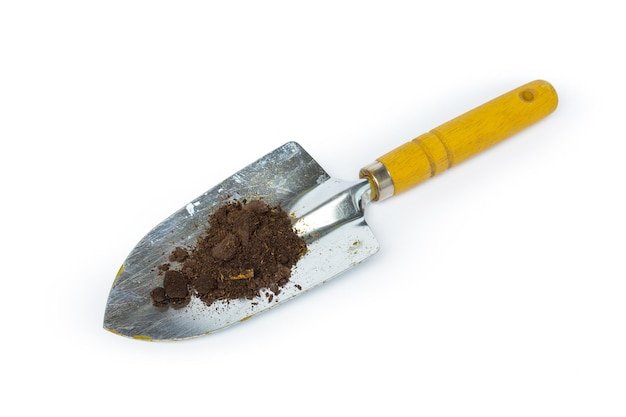
Gardening is more than just a hobby—it’s a mindful activity that improves your surroundings and your health. But to do it right, you need the proper tools. If you’re new to gardening or looking to expand your knowledge, this guide will help you learn the most important gardening tools names used by beginners and professionals in 2026.
This updated list gives you detailed information about each tool, what it’s used for, and tips for choosing the right version for your garden type—whether you have a small backyard or a full garden landscape.
Hand Tools for Planting and Soil Work
Hand tools are essential for everyday gardening tasks like digging, planting, and weeding. They’re low-cost, easy to store, and perfect for close-up work.
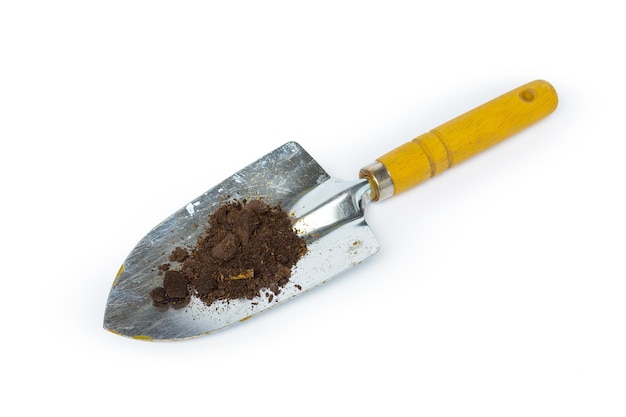
1. Trowel
-
Use: Digging small holes, transplanting plants, removing weeds.
-
Tip: Choose a stainless steel blade with a comfortable grip.
-
Average price (2026): £7 – £15.
2. Garden Fork (Hand Fork)

-
Use: Breaking up compact soil, mixing compost, and aerating around roots.
-
Best for: Raised beds and flower borders.
-
Tip: Look for strong, rust-resistant prongs.
3. Weeder

-
Use: Removing weeds by the root without disturbing other plants.
-
Types: Manual weeders or push-style with long handles.
-
Benefit: Reduces need for chemical weed killers.
4. Transplanter

-
Use: Measuring and planting seeds or small transplants at the right depth.
-
Feature: Often includes a ruler etched on the blade.
-
Tip: Best for precise planting of vegetables or herbs.
5. Pruning Shears (Secateurs)

-
Use: Cutting small stems and deadheading flowers.
-
Capacity: Cuts branches up to 2 cm thick.
-
Best Type: Bypass blades for green wood; anvil for dry stems.
-
Price range: £10 – £30 for good-quality models.
Power Tools to Save Time and Energy
Larger gardens or tougher maintenance jobs are made much easier with power tools. They cut down on manual labor and improve efficiency.
6. Lawn Mower

-
Use: Cutting grass evenly across lawns.
-
Types in 2026: Cordless electric mowers, robotic mowers, and eco-friendly solar models.
-
Average price: £100 – £600 depending on size and features.
7. String Trimmer (Grass Trimmer)

-
Use: Trimming edges along fences, flowerbeds, and patios.
-
Tip: Choose one with a rotating head for vertical trimming.
8. Cordless Hedge Trimmer

-
Use: Shaping bushes, hedges, and shrubs without being tied to a plug.
-
2026 Trend: Lightweight, battery-powered hedge trimmers that last up to 60 minutes per charge.
-
Many gardeners now prefer cordless hedge trimmers for flexibility, quiet operation, and zero emissions.
9. Leaf Blower
-
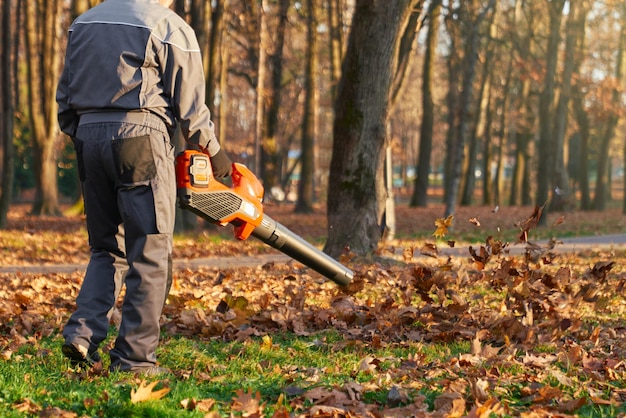
Use: Clearing leaves, grass, and debris from lawns, patios, and driveways.
-
Popular model: Battery-powered leaf blowers with variable speed controls.
-
Noise tip: Choose a quieter model if you live in urban areas.
10. Garden Shredder (Chipper)

-
Use: Turning branches and leaves into mulch or compost.
-
Green Benefit: Reduces garden waste by up to 90%.
-
Price range: £120 – £400.
Read Also: Top Luxury Home Gym Equipment Brands UK
Watering and Plant Care Tools
Watering is vital for healthy plant growth. The right tools make it easier and more efficient.
11. Watering Can
-
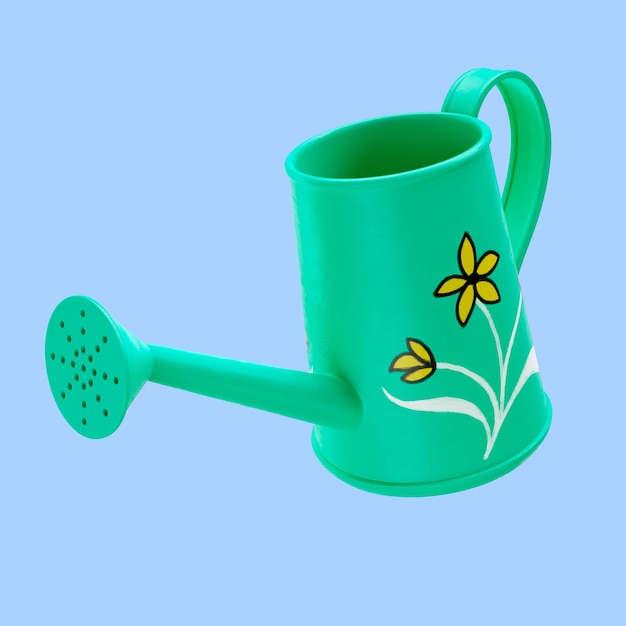
Use: Watering small plants, pots, and seedlings.
-
Feature: Long spouts help reach deep into planters.
-
Material tip: Plastic is lightweight; metal is more durable.
12. Garden Hose with Spray Nozzle

-
Use: Covers large areas for watering, rinsing tools, and cleaning surfaces.
-
Hose length (standard): 15–30 meters for medium gardens.
-
Spray patterns: Shower, mist, jet, flat, and cone.
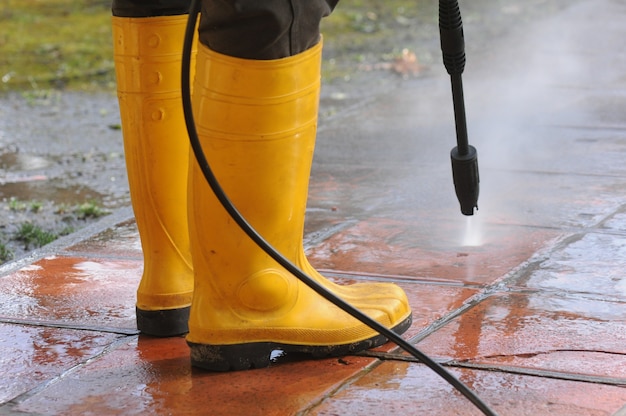
13. Pressure or Pump Sprayer
-
Use: Applying fertilizers, pesticides, or neem oil on plants.
-
Tip: Always label your sprayers to avoid mixing chemicals.
Support Tools for Maintenance & Comfort
These tools help protect you while working and make organizing your garden gear easier.
14. Garden Gloves

-
Use: Protects from thorns, dirt, and chemicals.
-
Types: Rubber for wet work, leather for heavy-duty jobs, cotton for light tasks.
-
Bonus Tip: Get gloves with touchscreen fingertips if using gardening apps!
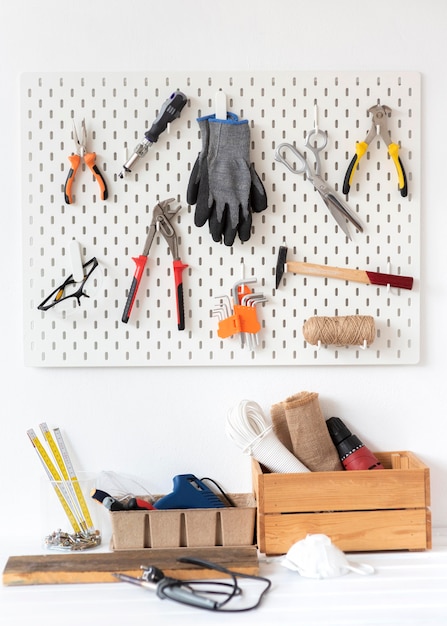
15. Tool Rack or Storage Box
-
Use: Organizes all your tools, protects them from rust and weather.
-
Popular option in 2026: Wall-mounted racks with magnetic holders or compact storage sheds with tool hooks.
Bonus Tips for Choosing Gardening Tools in 2026

-
Ergonomic designs: Help reduce wrist strain and fatigue during long sessions.
-
Go for stainless steel blades: They last longer and resist rust.
-
Cordless options are booming: Battery tools are quieter, greener, and more portable.
-
Modular kits: Some tool brands now sell multi-head kits to save space and money.
-
Invest once, use for years: Quality tools can last 10+ years with proper care.
Look After Tools And They Last Decades
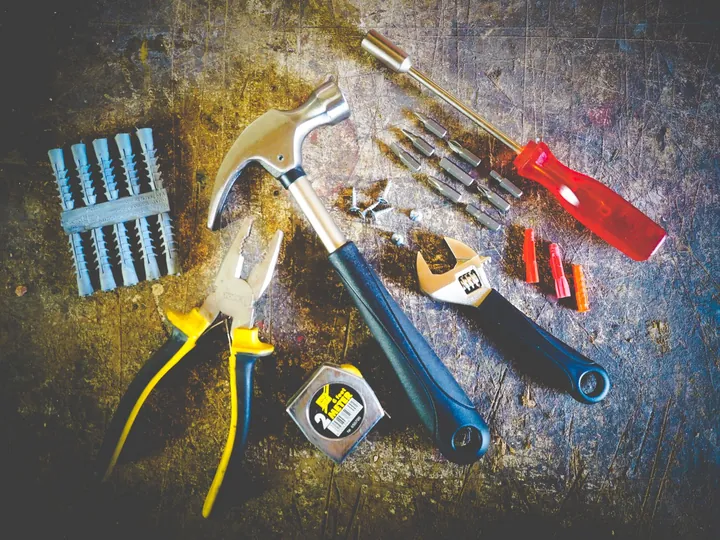
Image source: pexels.com
Good garden tools can last a lifetime with basic care. Clean soil off after use, dry metal parts to prevent rust, and wipe blades with a lightly oiled cloth before storing them for winter. Sharpen spades, hoes and secateurs regularly, because a sharp edge cuts cleanly and needs less effort. Wooden handles benefit from an occasional rub of linseed oil. Storing tools off the ground, on a rack as described above, keeps them dry and easy to find.
Safety With Sharp And Powered Tools

Image source: pexels.com
Garden injuries are common, and most are avoidable. Wear gloves for pruning and handling thorny plants, sturdy footwear when digging or mowing, and eye protection when using hedge trimmers or strimmers. With powered tools, read the manual, check cables for damage, use an RCD with electric tools outdoors, and never clear a blockage while the tool is running. Store sharp tools and chemicals out of children’s reach.
Buying Second-Hand And Budget Tools

Image source: pexels.com
Traditional hand tools are an excellent second-hand buy, because a well-made old spade or fork often outperforms a cheap new one. Car boot sales, auctions and online marketplaces are good sources. Check for cracked handles, loose heads and deep rust. For power tools, buy from reputable sellers and check that electrical items are safe and complete. Spending more on the few tools you use most, and less on the rest, is the most economical approach.
Tools For Smaller Gardens And Balconies

Image source: pexels.com
Not every gardener needs the full list. For a small garden, patio or balcony, a hand trowel, hand fork, secateurs, a watering can with a fine rose, gloves and a kneeler cover most jobs, with a compact border spade if you have beds to dig. Container gardening relies more on good compost and watering than on large tools. Buying fewer, better tools suits small spaces, where storage is often the real limit.
Peat-Free Compost And Sustainable Choices

Image source: pexels.com
What goes into the garden matters as much as the tools. Peat bogs store large amounts of carbon, and the UK government has moved to end the sale of peat-based compost to amateur gardeners, so peat-free compost is now the standard choice in garden centres. Other easy steps include collecting rainwater in a water butt, making your own compost from garden and kitchen waste, and choosing hand tools over powered ones for small jobs.
A Simple UK Garden Calendar
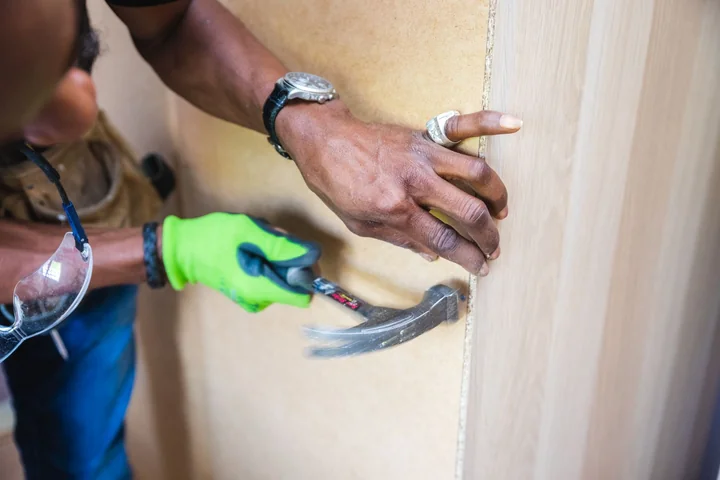
Image source: pexels.com
Knowing when each tool matters helps you buy in the right order. In spring, spades, forks and hoes prepare beds and control weeds. Early summer brings mowing, edging and watering. Late summer and autumn are for pruning, hedge cutting outside the bird nesting season where possible, and raking leaves. Winter is the time to clean, sharpen and repair tools ready for the year ahead. For garden-adjacent reading, see our lawn care tips and garage safety tips.
Final Words
Learning these gardening tools names gives you a solid foundation to care for your plants, save time, and work more comfortably. Whether you’re shaping hedges with a cordless hedge trimmer or simply watering your herbs, having the right tools matters. Start with these 15 essentials and watch your garden flourish in 2026 and beyond.
FAQs
Q1. What are the most common gardening tools used in home gardens?
Basic tools include a trowel, pruners, gloves, watering can, and lawn mower.
Q2. Why should I know gardening tools by name?
It helps you buy the right tool, follow tutorials, and talk to professionals more confidently.
Q3. Are cordless hedge trimmers better than corded ones?
Yes, they offer freedom of movement, are quieter, and have improved battery life in 2026 models.
Q4. What tools do I need for a vegetable garden?
Trowel, fork, weeder, watering can, and a hoe or rake for soil preparation.
Q5. What’s the best way to store garden tools?
Use a dry, shaded area with a tool rack, box, or shed. Clean and dry tools before storing.