
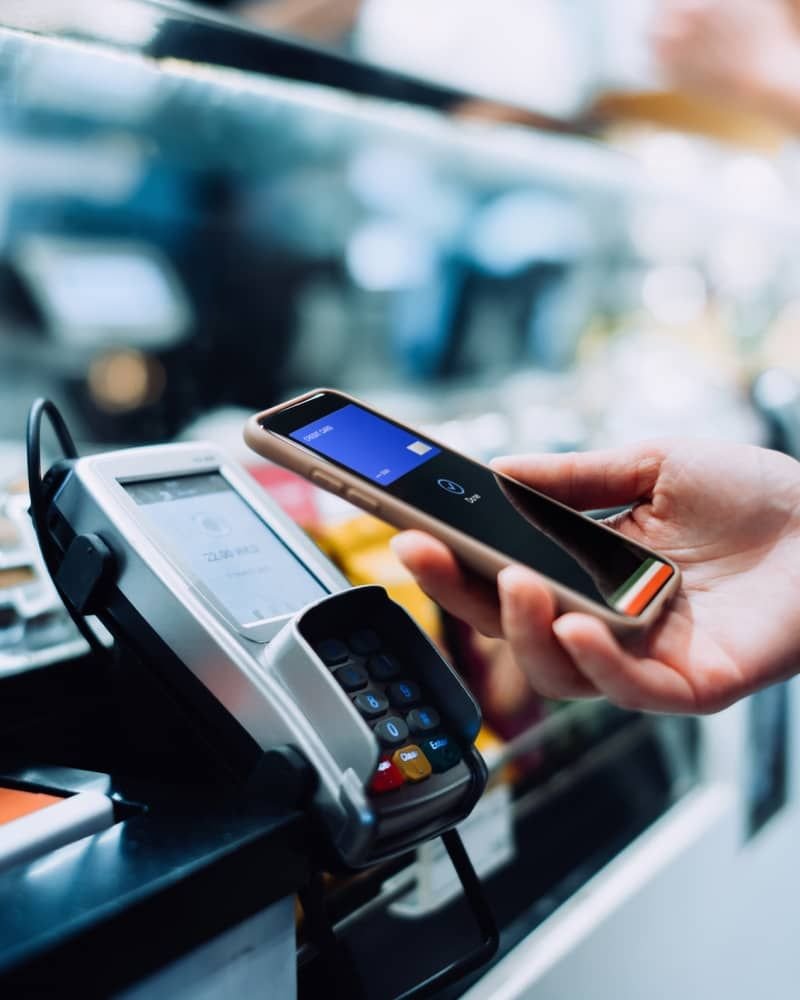
The queue behind you is getting longer, the card reader has said no twice, and the only English in the conversation is the word declined. Almost every traveller has a version of this story, and almost none of them were doing anything wrong. Paying safely abroad in 2026 is less about finding one perfect method and more about never being one failure away from having no way to pay at all.
| Best everyday method | A phone wallet backed by a credit card |
| Biggest avoidable cost | Choosing to pay in pounds instead of local currency |
| Cash | A small backup amount, not the main plan |
| If a card goes missing | Freeze it in the app first, cancel later |
| Real risk | Public wifi and hotel portals, not payment systems |
| Backup rule | Two cards, two banks, stored in two places |
The Card That Stops Working On Day One
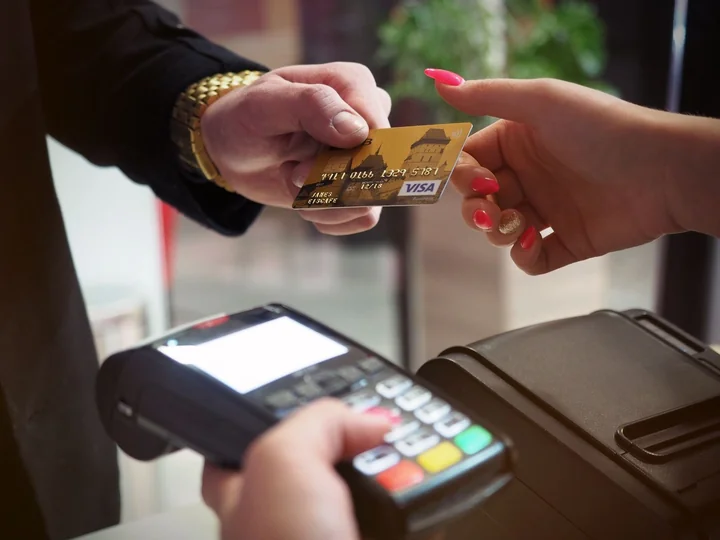
Image source: pexels.com
It happens to almost everyone eventually. You land, you queue, you hand over the card that has worked every day for a year, and the machine says no. No warning, no explanation, and a member of staff who has seen it a hundred times and cannot help. Nine times out of ten it is a fraud system doing exactly what it was designed to do, because your card has just appeared two thousand miles from where it was yesterday. Knowing that in advance turns a small crisis into an inconvenience, and most of the advice below is really about making sure you always have a second way to pay.
Cash Stopped Being The Safe Option
Image source: pexels.com
The old advice was to carry cash because cards get blocked. That has quietly reversed. Cash cannot be frozen, but it also cannot be replaced, cancelled or refunded, and it is the one thing a pickpocket can use immediately. Card networks and wallets now carry fraud monitoring, chargeback rights and the ability to lock an account from a phone in seconds. A sensible traveller carries a small amount of cash for taxis and markets, and treats it as the backup rather than the main plan.
Dynamic Currency Conversion Is The Quiet Cost

Image source: pexels.com
This is the single most useful thing on this page. When a foreign card machine asks whether you want to pay in pounds or in the local currency, choosing pounds hands the exchange rate to the merchant’s provider rather than your card network. That rate is almost always worse, and the difference is buried in a screen you tap without reading. Always choose the local currency. Over a fortnight of meals, taxis and shops it is the difference between a rounding error and a genuinely annoying amount of money.
Credit Card Or Debit Card

Image source: pexels.com
A credit card and a debit card behave very differently when something goes wrong. A debit card takes money out of your account and you are asking for it back. A credit card puts the transaction between you and the retailer, and in the UK, purchases within certain limits carry additional statutory protection. Practically, that means using credit for hotels, flights and anything large, and keeping the debit card for cash withdrawals. Two cards from two different banks, carried separately, solves most travel payment problems before they happen.
Why A Phone Wallet Is Safer Than The Card

Image source: pexels.com
Paying by phone feels less secure and is in fact more so. A digital wallet does not pass your actual card number to the terminal; it sends a token that is useless anywhere else, so a compromised shop terminal captures nothing worth stealing. Add a biometric check on every payment and a device that locks itself, and the phone becomes the most protected thing in your pocket. The practical catch is battery: a wallet on a dead phone is no wallet at all.
Travel Cards And Multi-Currency Accounts

Image source: pexels.com
A dedicated travel card or multi-currency account holds several currencies and converts at rates far closer to the interbank one than a high-street bank will offer. You load money before you go, spend from the local balance, and the conversion cost stops being a surprise. It also limits the damage: the card is not attached to your main account, so if it is compromised the exposure is whatever was on it. For a two-week holiday that is a considerably better arrangement than travelling on your salary account.
Where Cryptocurrency Actually Fits

Image source: pexels.com
Cryptocurrency comes up in every conversation about paying abroad and deserves an honest answer rather than an enthusiastic one. Very few businesses in ordinary tourist destinations accept it directly, the value can move noticeably between booking and arriving, and a lost key is genuinely unrecoverable in a way a lost card is not. Where it does have a use is in moving money between countries outside banking hours. If you are going to hold any, the wallet matters more than the coin, and 99Bitcoins compare best crypto wallets UK on the criteria that actually differ between them.
Bank Transfers And Remittance Services

Image source: pexels.com
For sending larger amounts, a transfer service usually beats both a bank wire and a card. Banks tend to apply a poor exchange rate and a flat fee; specialist services publish the rate and charge separately, which makes the true cost visible. Speed varies from minutes to several days depending on the corridor. Whichever route you use, the provider should be authorised in the country it operates from, and the reputable ones comply with UK regulations on how customer money is held and reported.
Public Wifi Is The Real Risk

Image source: pexels.com
Most travel fraud does not involve a clever attack on a payment system. It involves someone logging into their bank over an airport network, or entering card details on a hotel portal that is not what it appears to be. Use mobile data for anything financial, keep a passcode on the phone rather than a swipe pattern, and turn off automatic joining of open networks. Our guide to cybersecurity tools worth knowing about covers the wider picture.
What To Do In The First Ten Minutes

Image source: pexels.com
If a card goes missing, freeze it in the banking app before you do anything else, including looking for it. Freezing is instant and reversible; a full cancellation is neither. Then check the last few transactions, because the difference between noticing in ten minutes and noticing in two days is the difference between one disputed payment and a long conversation. Keep the bank’s international number saved offline, since the app is no use if the phone is the thing you lost.
Keep A Backup You Can Actually Reach

Image source: pexels.com
A second card in the same wallet is not a backup. Put one card in the hotel safe, keep one on you, and hold a small amount in a separate account you can move from on a phone. Anybody who has lost a bag on the first day of a trip will tell you the same thing: the plan only counts if the alternative is somewhere the problem cannot reach. Our list of travel essentials worth packing covers the physical side.
Rights You Have Without Realising

Image source: pexels.com
UK travellers carry more protection than most people use. Card networks operate chargeback processes for goods and services not provided. Flight disruption carries its own rules on refunds and rerouting, which our piece on flight cancellation rights sets out. Insurance frequently duplicates cover you already have through a bank account or a credit card. None of it helps if you find out afterwards, so it is worth ten minutes before you travel rather than an argument at a desk.
The Small Habits That Prevent Most Problems

Image source: pexels.com
Take a photograph of your cards and passport and store it somewhere you can reach without your phone. Set a low transaction alert so anything unusual pings immediately. Tell the bank where you are going if the app offers it. Withdraw larger amounts less often rather than small amounts daily, because each withdrawal carries a fee. None of this is clever. All of it is the difference between a trip where money is invisible and one where it is the main topic of conversation.
Where Connectivity Comes Into It

Image source: pexels.com
Every safeguard above assumes a working phone with data. That makes connectivity a financial decision as much as a convenience one, because a frozen card you cannot unfreeze is worse than no card. A local data plan or an eSIM removes the dependency on hotel wifi entirely, and our guide to eSIMs for travellers covers how they work. Charge everything the night before a travel day, and carry a battery pack you have actually tested.
What This Article Is Not

Image source: pexels.com
This is a practical guide to paying safely while travelling, and it is not financial advice. We are not recommending any particular card, account, service or asset, and nothing here takes account of your circumstances. Anything involving cryptocurrency carries the risk of losing the entire amount. If you are making a decision that matters, talk to your bank or a regulated adviser. Our guide to saving money with better financial habits takes the same general approach.
Final Thoughts
Two cards from two banks, a phone wallet, a small amount of cash and the discipline to always choose the local currency will cover almost everything a trip can throw at you. The rest is having a backup somewhere the problem cannot reach. Have a look at our other travel guides before you book.
This article is general information about paying safely while travelling and is not financial advice. It does not take account of your circumstances and no product, service or asset mentioned is a recommendation. Cryptocurrency carries the risk of losing the full amount invested. Speak to your bank or a regulated adviser before making a decision that matters to you.
One more piece of pre-trip housekeeping that costs nothing: glance at your number plates before a long drive. A cracked or missing plate can mean a fine of up to £1,000, and our guide to what to do if your number plate is damaged, lost or stolen covers the fix in the right order if you spot a problem.
The same shift is happening on the merchant’s side of the counter. Britain’s open banking system passed one billion payments in 2026, and our guide to open banking platforms and pay-by-bank explains what that means for the businesses taking your money, with the real adoption numbers.
Frequently Asked Questions
Should I pay in pounds or local currency abroad?
Always choose the local currency. Paying in pounds lets the merchant’s provider set the exchange rate, which is almost always worse than your card network’s.
Is it safer to use a phone wallet or a card?
A phone wallet is generally safer. It sends a token rather than your real card number, so a compromised terminal captures nothing reusable.
Should I take cash on holiday?
Carry a small amount for taxis and markets, but treat it as the backup. Cash cannot be frozen, cancelled or refunded if it is stolen.
What should I do if my card is stolen abroad?
Freeze it in the banking app immediately, which is instant and reversible, then check recent transactions. Keep your bank’s international number saved offline.
Can I use cryptocurrency to pay while travelling?
Rarely in practice. Few tourist businesses accept it directly, the value can move between booking and arrival, and a lost key cannot be recovered.
Do I need travel insurance if my bank card covers me?
Check before you buy. Some accounts and credit cards include cover that duplicates a standalone policy, but the limits and exclusions vary considerably.