
Saving money isn’t about restricting yourself — it’s about making smarter choices that allow your income to go further. In 2026, with borrowing costs easing, shifting savings rates, and inflation now closer to target in the UK, understanding where your money goes and how to maximise it is more important than ever.
This guide combines current financial data, expert strategies, and practical steps to help you cut costs, boost savings, and make informed decisions for a more secure financial future.
1. Track Your Spending Habits

Image source: axisbank.com
The first step in smarter money management is knowing where your money is going.
- UK inflation in 2026 is around 2.6%, meaning everyday essentials like food, energy, and housing continue to cost more.
- Use budgeting apps like Emma, YNAB, or Monzo’s in-app budgeting tool to categorise spending.
- Regularly review your bank statements to spot “silent drainers” like subscription renewals, rising utility costs, or insurance premiums.
Tip: Cancel unused subscriptions and negotiate contracts (like broadband or mobile) when they renew.
2. Build a Realistic Budget
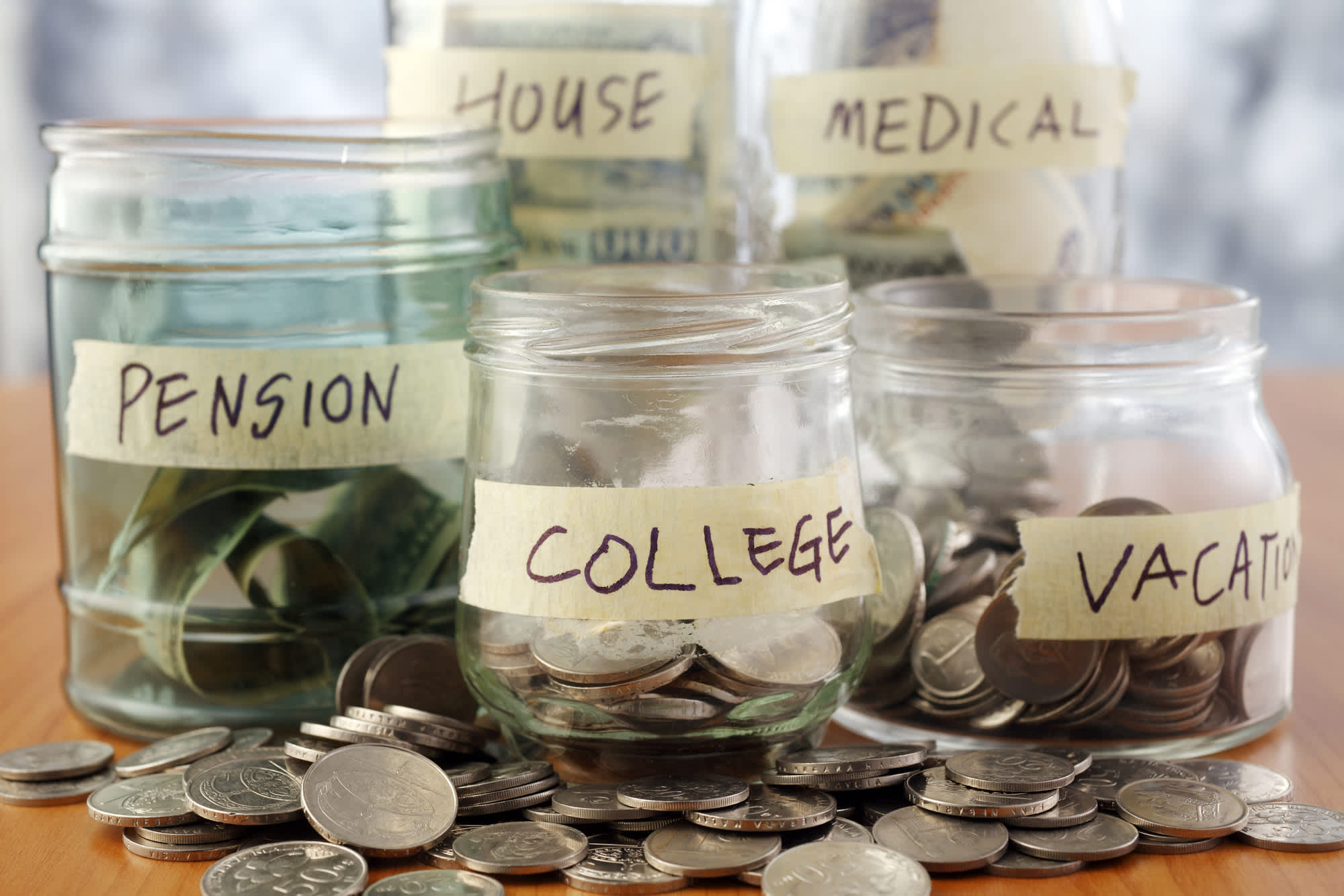
Image source: cnbcfm.com
A budget should help you live comfortably while still saving consistently.
- Try the 50/30/20 rule:
- 50% for needs (housing, groceries, utilities)
- 30% for wants (shopping, dining, entertainment)
- 20% for savings & debt repayment
- Automate transfers to savings on payday — people who “pay themselves first” save more over time.
- Review your budget quarterly to account for rising living costs or changes in income.
3. Compare Financial Products Before Committing

Image source: hearstapps.com
One of the smartest ways to save more is by shopping around before choosing financial products. Rates and fees vary dramatically, and the difference could save you hundreds each year.
Savings Accounts
- As of mid-2026, the best easy-access savings accounts pay around 4.55% AER (e.g., Chase), with some bonus-boosted accounts reaching 5%.
- Only 1 in 4 UK savings accounts (≈26%) currently beat the Bank of England’s base rate (~3.75%). Many mainstream accounts pay much less.
- Fixed-rate bonds often offer 4–5% AER, but you’ll need to lock away funds.
Credit Cards
- The average UK credit card APR is now 35.7% — a record high.
- Low-interest cards exist (~8.9% APR), but are reserved for those with excellent credit.
- Balance transfer cards are still useful but watch for transfer fees (≈2.5%).
Mortgages & Loans
- Many homeowners face a “payment shock” as older fixed deals expire. For example, a household with a £200,000 mortgage may pay £333 more per month moving from a ~1.9% old deal to ~5% now.
- Personal loan rates vary, but they can be cheaper than rolling balances on high-interest cards.
Tip: Using a trusted money comparison site makes finding the best deals quick and transparent, whether for savings, mortgages, or credit.
4. Prioritise High-Interest Debt Repayment

Image source: finance-monthly.com
Carrying debt at today’s rates is one of the costliest mistakes.
- Focus on paying down credit card debt first — at 35% APR, a £1,000 balance could cost over £300 a year in interest if only minimums are paid.
- Use the avalanche method (tackle highest interest first) or snowball method (clear smallest balances first for motivation).
- Consider a debt consolidation loan or balance transfer if the overall interest burden is reduced.
5. Build an Emergency Fund
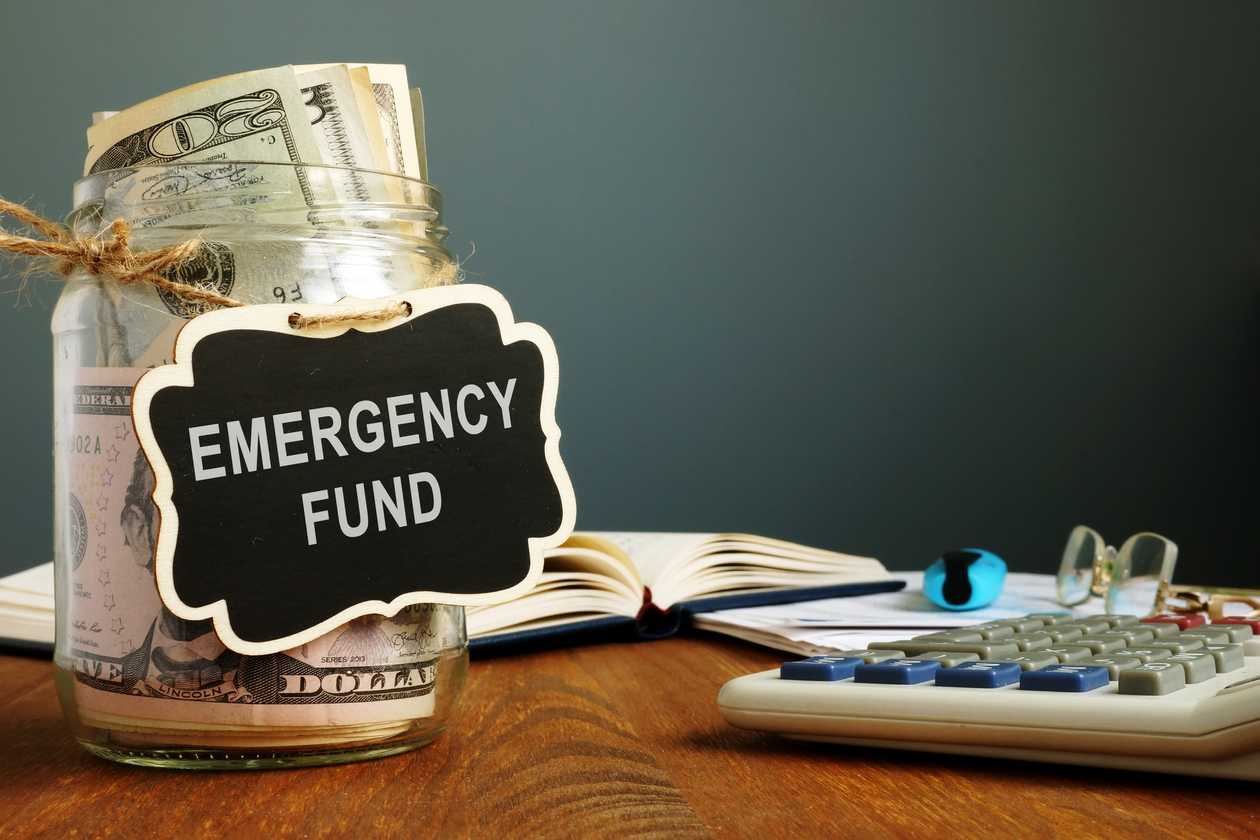
Image source: upstox.com
Financial security means being ready for unexpected shocks.
- Aim for 3–6 months’ worth of living expenses in an accessible savings account.
- With easy-access savings accounts offering up to 5% AER, your emergency money can still grow modestly.
- Keep the fund separate from daily spending accounts to reduce temptation.
Read Also: How to Reduce Your Closing Cost Fees When Buying a Home in the UK
6. Make Smart Everyday Choices

Image source: tataaia.com
Big savings often come from consistent small actions:
- Switch providers: Regularly compare energy, broadband, and insurance deals. Introductory discounts can save £200–£400 per year.
- Cut food costs: Meal prepping and supermarket loyalty programs can reduce grocery bills by 15–20%.
- Buy refurbished: Electronics and appliances often cost 30–50% less when bought refurbished with warranty.
- Use cashback apps like TopCashback and Airtime Rewards for additional everyday savings.
7. Invest for Long-Term Wealth
Image source: gstatic.com
Saving is essential for short-term goals, but investing ensures your money grows over time.
- Contribute to workplace pensions — many employers match contributions, which is free money.
- Use Stocks & Shares ISAs for tax-free investing in index funds or ETFs.
- Keep investing even when markets are volatile — history shows consistent long-term investors outperform market timers.
Inflation erodes the value of idle cash. Investing helps you maintain (and grow) purchasing power over decades.
8. Review Your Financial Plan Regularly

Image source: amazonaws.com
With rates and offers shifting quickly in 2026, it’s wise to check your finances more often:
- Reassess savings, debt, and investments every 3–6 months.
- Stay alert to interest rate cuts or increases from the Bank of England that may impact your mortgage or savings accounts.
- Use comparison platforms to ensure you’re still getting the best deal on products you already have.
Quick 2026 Financial Snapshot (UK)
Image source: gstatic.com
|
Financial Metric |
Current Value (2026) |
|
UK Base Rate (BoE) |
~3.75% |
|
Best Easy-Access Savings |
~4.55% AER |
|
% of Accounts Beating Base Rate |
26% |
|
Average Credit Card APR |
35.7% |
|
Low-Interest Credit Cards |
~8.9% APR (select applicants) |
|
Balance Transfer Fee |
~2.5% |
|
Mortgage Refix Impact |
+£333/month (on £200k loan, moving from 1.9% → 5%) |
Use Your Tax-Free Allowances
Individual Savings Accounts let you save or invest up to 20,000 pounds a year without paying tax on interest, dividends or gains. A Lifetime ISA, for people aged 18 to 39 when they open it, adds a 25 per cent government bonus on up to 4,000 pounds a year towards a first home or retirement, although withdrawals for other reasons carry a penalty.
The Personal Savings Allowance
Basic-rate taxpayers can earn up to 1,000 pounds of savings interest a year tax-free and higher-rate taxpayers 500 pounds, while additional-rate taxpayers get no allowance. With higher interest rates, more savers exceed these limits, which makes cash ISAs more valuable.
Check Your Savings Are Protected
The Financial Services Compensation Scheme protects eligible deposits with UK-authorised banks and building societies up to a set limit per person, per banking licence. Several brands can share one licence, so check the FSCS website if you hold large balances with related banks.
Free, Impartial Money Guidance
MoneyHelper, backed by the government, offers free guidance on budgeting, saving, pensions and debt, and free debt advice charities such as StepChange can help if bills become unmanageable. For more on costs of big purchases, see our guide to reducing home buying costs.
How We Keep This Guide Up To Date
Rules, prices and services change, so we review guides like this regularly and update them when official sources change. Where the law or official guidance is involved, the relevant government or regulator’s website is always the final word, and it is worth checking there before making an important decision. If something here has changed, the official source will reflect it first.
A Quick Checklist Before You Decide
Before acting on anything in this guide, run through three quick checks. First, is the information current, and does it apply where you live in the UK, since rules often differ between England, Scotland, Wales and Northern Ireland? Second, have you compared more than one option or provider? Third, do you need professional advice for your specific situation? Taking ten minutes over these questions avoids most expensive mistakes.
Final Thoughts
In 2026, smart financial choices matter more than ever. By tracking spending, budgeting wisely, comparing products, paying down high-interest debt, and building both savings and investments, you can protect yourself from inflation and rising costs.
Small consistent actions — like switching providers, using a money comparison site, or reviewing your plan twice a year — can save you hundreds to thousands of pounds annually.
Saving money isn’t about sacrifice; it’s about choosing smarter pathways that secure your present and strengthen your future.
FAQs
What is the best way to start saving money?
Start by tracking your spending and making a simple monthly budget.
How much should I keep in an emergency fund?
Save at least 3 to 6 months of your living costs.
Are savings accounts worth it in 2026?
Yes, some easy-access accounts pay up to 5% AER.
Why should I compare financial products?
Comparing helps you find the best deals and saves you money.
What debt should I pay off first?
Always clear high-interest debts like credit cards first.
Is it better to save or invest?
Save for short-term goals and emergencies, invest for long-term growth.
How often should I check my finances?
Check every 3–6 months to stay on track with money changes.