Trapped Vagus Nerve: Is It Real, and Why Is It Hard to Unwind?
Is a trapped vagus nerve real? What the vagus nerve actually does, why stress makes it hard to unwind, genuine vagus conditions, what helps, and when to see a GP.
 10 min read
Comments: 0Views: 3
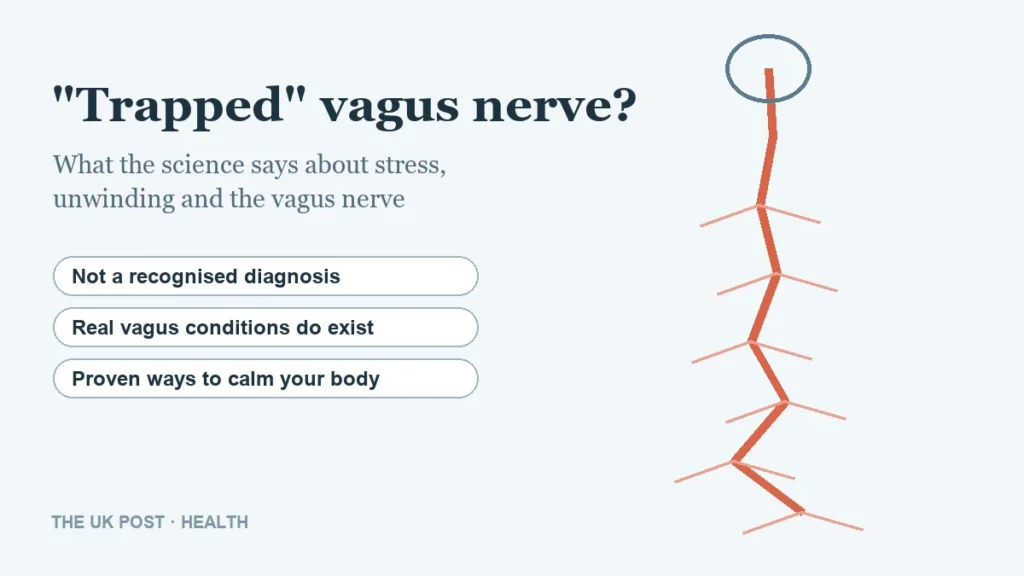
Short answer: a “trapped vagus nerve” is not a recognised medical diagnosis. The phrase has spread on social media as an explanation for anxiety, feeling unable to unwind, bloating, a racing heart and fatigue, but doctors do not diagnose a “trapped” or “blocked” vagus nerve, and there is no test for it. The vagus nerve is real and important: it carries most of the “rest and digest” signals that slow your heart and help you relax after stress. Genuine vagus nerve problems exist, such as fainting caused by an over-reaction of the nerve, or damage after surgery or from diabetes, but they are specific and diagnosable. If you struggle to unwind, the approaches with real evidence are slow breathing, regular exercise, good sleep and talking therapies. And if your symptoms are physical, see your GP rather than diagnosing yourself from TikTok.
What Is the Vagus Nerve?
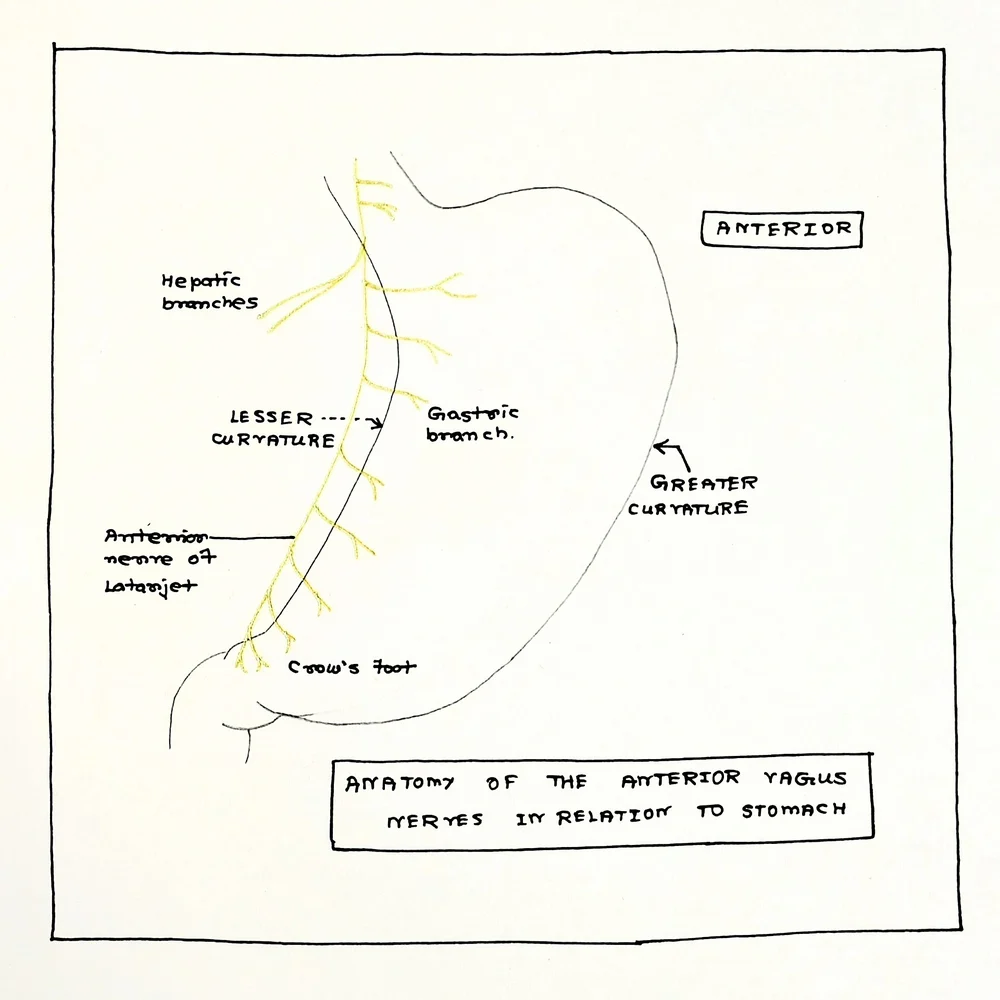
The vagus nerve is the tenth of the twelve cranial nerves. It is the longest of them, running from the brainstem down through the neck into the chest and abdomen, with branches to the throat, voice box, heart, lungs and digestive system. Its name comes from the Latin for “wandering”.
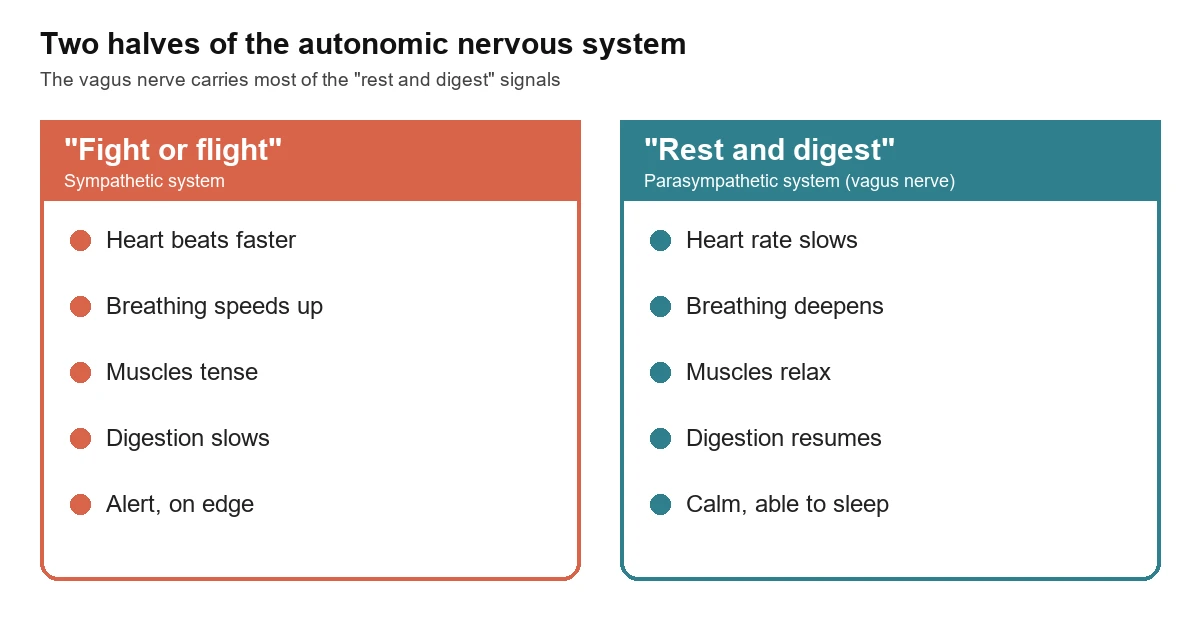
It is a major part of the parasympathetic nervous system, the half of your automatic nervous system that calms things down. After a stressful moment, signals through the vagus nerve help slow your heart, deepen your breathing and restart digestion. Most of its fibres also carry information the other way, from your organs to your brain.
Why It Can Be Hard to Unwind After Stress
When you are stressed, the sympathetic “fight or flight” system takes over: stress hormones such as adrenaline and cortisol rise, your heart speeds up and your muscles tense. That is useful for a short burst. The problem comes when stress is constant, from work, money, caring responsibilities or poor sleep, and the body spends too long on alert. You may feel wired but exhausted, struggle to sleep, have tense muscles or an upset stomach, and find it hard to switch off.
That is not because a nerve is “trapped”. It is the normal stress response staying switched on for longer than is healthy. The good news is that the calming side of the system can be encouraged, through habits that are well studied.
Where the “Trapped Vagus Nerve” Idea Comes From
Wellness influencers, some practitioners and online courses describe a “trapped”, “stuck” or “dysregulated” vagus nerve and sell exercises, devices or treatments to “release” or “reset” it. Some of the ideas, such as slow breathing, are sensible. But the claims usually go well beyond the evidence:
- “Vagus nerve dysfunction” is not an officially recognised diagnosis, and there is no medical test for it.
- Much of the research on vagus nerve stimulation comes from animal studies or small human trials.
- Doctors point out that the vagus nerve being involved in a body process does not mean it is the cause of a symptom.
- Some researchers have proposed that neck problems could compress the nerve, but this remains a hypothesis, not an established condition.
The risk of the “trapped nerve” label is that it can lead people to spend money on unproven treatments, or to put off seeing a doctor about symptoms that need proper investigation.
Real Vagus Nerve Conditions
| Condition | What happens | Typical signs |
|---|---|---|
| Vasovagal syncope | The vagus nerve over-reacts to a trigger, so heart rate and blood pressure drop suddenly | Fainting, often after standing for a long time, heat, pain, or the sight of blood or needles. Usually harmless, but should be checked by a GP |
| Nerve damage after surgery or injury | Operations on the neck or chest, such as thyroid or heart surgery, can affect the nerve or its branches | Hoarse or weak voice, swallowing problems |
| Gastroparesis | The stomach empties too slowly; diabetes is a common cause, partly through nerve damage | Feeling full quickly, nausea, vomiting, bloating |
| Tumours | Rare growths on or near the nerve can press on it | Lump in the neck, hoarseness, swallowing problems |
All of these are diagnosed by doctors, with examinations and tests, not by a symptom checklist online.
Vagus Nerve Stimulation: What Is Proven
Implanted vagus nerve stimulation (VNS) is a real NHS treatment. A small device under the skin of the chest sends regular electrical pulses to the left vagus nerve. NICE guidance covers it as an option for some people with epilepsy whose seizures are not controlled by medicines, where it can reduce seizure frequency. NICE has also issued guidance on implanted VNS for treatment-resistant depression, where the evidence is more limited and it is used only under special arrangements.
Consumer devices, such as ear clips and handheld stimulators sold online, are different. Evidence that they help everyday stress is limited, they are not routinely offered on the NHS, and they are not a substitute for treatment. Check with your GP before using one, especially if you have a heart condition, a pacemaker or epilepsy.
Cold water is often promoted as a vagus “hack”. Splashing your face with cold water can briefly slow the heart, but cold-water swimming carries real risks of cold water shock, so if you try it, follow safety advice, never swim alone, and speak to your GP first if you have a heart condition.
What Actually Helps You Unwind
These approaches have good evidence and cost little or nothing:
A simple breathing exercise for stress
- Slow breathing: breathing out more slowly than you breathe in is one of the quickest ways to settle the body. The NHS recommends a simple breathing exercise for stress: breathe in gently through your nose and out through your mouth, counting steadily, for three to five minutes.
- Exercise: regular activity reduces stress and improves sleep. UK guidance is at least 150 minutes of moderate activity a week, such as brisk walking.
- Sleep: keep regular hours, cut screens and caffeine late in the day, and keep the bedroom cool and dark.
- Connection: talking to friends and family, and spending time outdoors, both help.
- Talking therapies: if stress or anxiety is affecting daily life, NHS Talking Therapies in England offers free help, including CBT, and you can refer yourself online without seeing a GP. Scotland, Wales and Northern Ireland have their own services.
Some people use wearables that track heart rate variability (HRV), one rough marker of how active the calming side of the nervous system is. Our comparison of the Oura Ring 3 and 4 explains how these trackers measure it. Treat the numbers as a guide to trends, not a diagnosis. For private mental health support, see our guide to Bupa mental health services in the UK.
My advice: if you are drawn to a “vagus reset” programme, try the free basics above consistently for a month first. They are the same tools most of those programmes are built on.
When to See a Doctor
See your GP if you have:
- fainting episodes, or feeling faint often;
- a hoarse voice for more than three weeks, or difficulty swallowing;
- persistent nausea, vomiting, bloating or feeling full quickly, especially with weight loss;
- palpitations that keep happening;
- anxiety or low mood that is affecting your life.
Call 999 for chest pain, fainting during exercise, sudden severe breathlessness, or fainting with chest pain or palpitations. If you are struggling to cope, Samaritans are available free, day or night, on 116 123.
Frequently Asked Questions
Is a trapped vagus nerve real?
It is not a recognised medical diagnosis. The vagus nerve can be damaged or compressed in specific conditions, but “trapped vagus nerve” as an explanation for stress and anxiety is not supported by evidence.
What does the vagus nerve do?
It carries signals between the brain and the heart, lungs and gut, and is a key part of the system that slows the heart and helps the body rest and digest.
What are the symptoms of vagus nerve problems?
Genuine problems can cause fainting, a hoarse voice, swallowing difficulties or slow stomach emptying. These need a doctor’s assessment.
How can I calm my vagus nerve?
Slow breathing, regular exercise, good sleep and social connection all encourage the body’s calming response. Talking therapies help if stress or anxiety is ongoing.
Can stress damage the vagus nerve?
There is no good evidence that stress damages the nerve. Long-term stress keeps the body’s alarm system switched on, which can cause many unpleasant symptoms.
What is vasovagal syncope?
Fainting caused by the vagus nerve over-reacting to a trigger, such as standing for a long time, heat, pain or the sight of blood. It is common and usually harmless, but see a GP if you faint.
Do vagus nerve stimulation devices work?
Implanted devices are a proven treatment for some people with drug-resistant epilepsy. Evidence for consumer devices for everyday stress is limited.
Can a chiropractor or osteopath release a trapped vagus nerve?
There is no good evidence for this, and “trapped vagus nerve” is not a recognised condition. Be cautious about treatments that promise to release it.
Is vagus nerve stimulation available on the NHS?
Implanted VNS is available on the NHS for selected people with epilepsy, and in limited circumstances for treatment-resistant depression, through specialist teams.
When should I worry about fainting?
Call 999 if you faint during exercise, or with chest pain, palpitations or breathlessness. Otherwise, see your GP if you faint, so they can check the cause.
Final Thoughts
The vagus nerve is a fascinating part of the body, but it is not a hidden switch that has got stuck. If you find it hard to unwind, the reasons are usually familiar ones: too much stress, too little sleep and too few chances to recover. The best tools are free and well proven. Start with your breathing, get moving, protect your sleep, ask for help when you need it, and let a GP check any physical symptoms properly.
Sources: NHS guidance on fainting, gastroparesis, hoarseness and breathing exercises for stress; NHS Talking Therapies; NICE guidance on vagus nerve stimulation for epilepsy (NG217) and treatment-resistant depression (IPG679); Mind; McGill University Office for Science and Society; Houston Methodist; RNLI advice on cold water shock; UK Chief Medical Officers’ physical activity guidelines.