Trends in Streetwear: What’s In Now and How It Changed Fashion
The streetwear trends that matter now, from cargo trousers and terrace trainers to football shirts and resale, Britain's biggest brands and how to buy without getting burned.
 8 min read
Comments: 0Views: 9
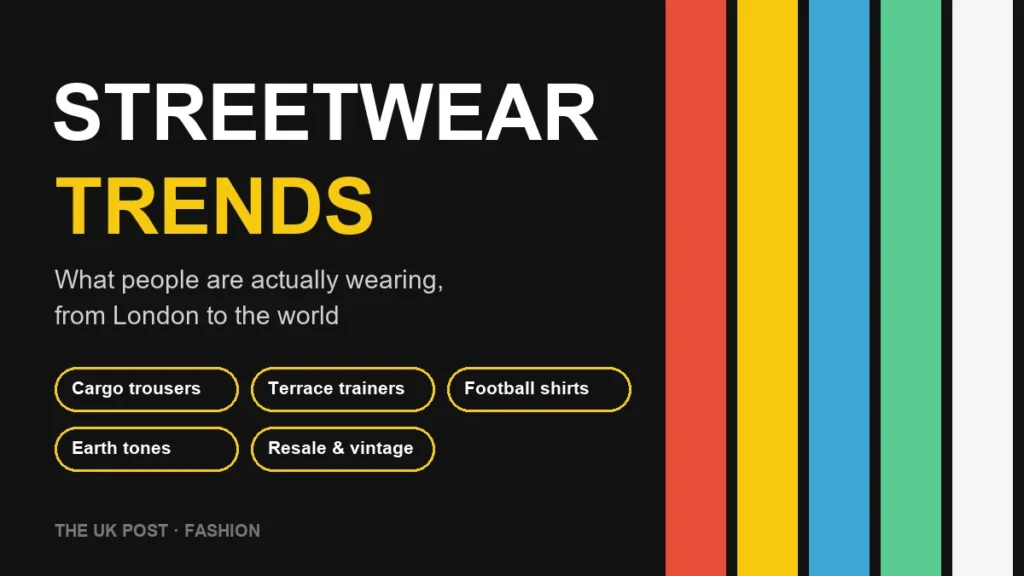
Short answer: the biggest streetwear trends going into 2027 are baggy cargo trousers, retro “terrace” trainers such as the Adidas Samba, football shirts worn as fashion, earthy colours and matching sets, technical outdoor gear, and buying second-hand. British labels such as Corteiz, Trapstar, Palace and Represent now shape what young people wear worldwide, and the scarce, hyped “drop” model they use has been copied by luxury fashion houses. If you want to try streetwear without overspending, start with one good pair of trainers and relaxed trousers, buy resale from platforms that authenticate, and ignore anything marketed as an “investment”.
What Is Streetwear?
Streetwear is casual clothing rooted in youth culture: skateboarding, surfing, hip-hop and, in Britain, grime, drill and football terraces. Its building blocks are hoodies, graphic T-shirts, tracksuits, trainers, caps and puffer jackets. What makes it “streetwear” rather than just casual clothes is the culture around it: small brands, limited releases, music and sport connections, and a community that cares about where something came from.
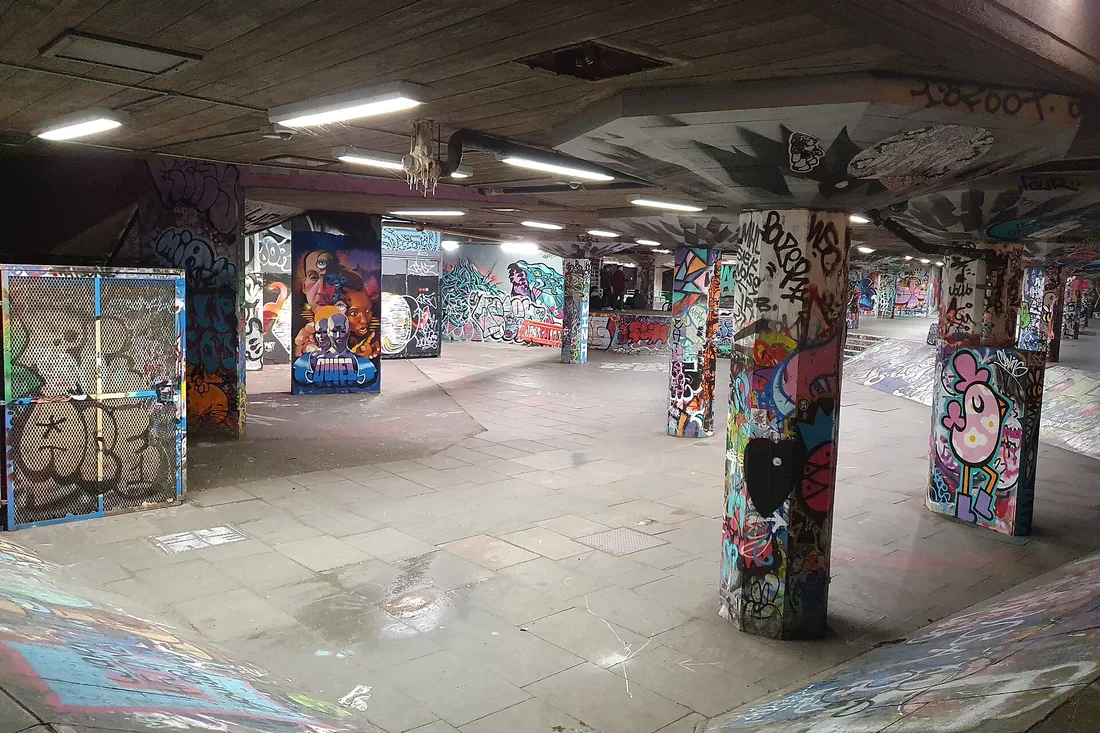
It started in the US. Shawn Stussy began printing his surname on T-shirts and surfboards in California around 1980, and Supreme opened in New York in 1994. Britain built its own scene alongside, through shops such as London’s Gimme Five, skate culture at the Southbank Undercroft, and labels that grew out of the capital’s music scenes.
The Biggest Streetwear Trends Right Now
| Trend | What it looks like | How to wear it |
|---|---|---|
| Cargo trousers | Loose, pocketed trousers in cotton or technical fabric | With a fitted tee or knit to balance the volume |
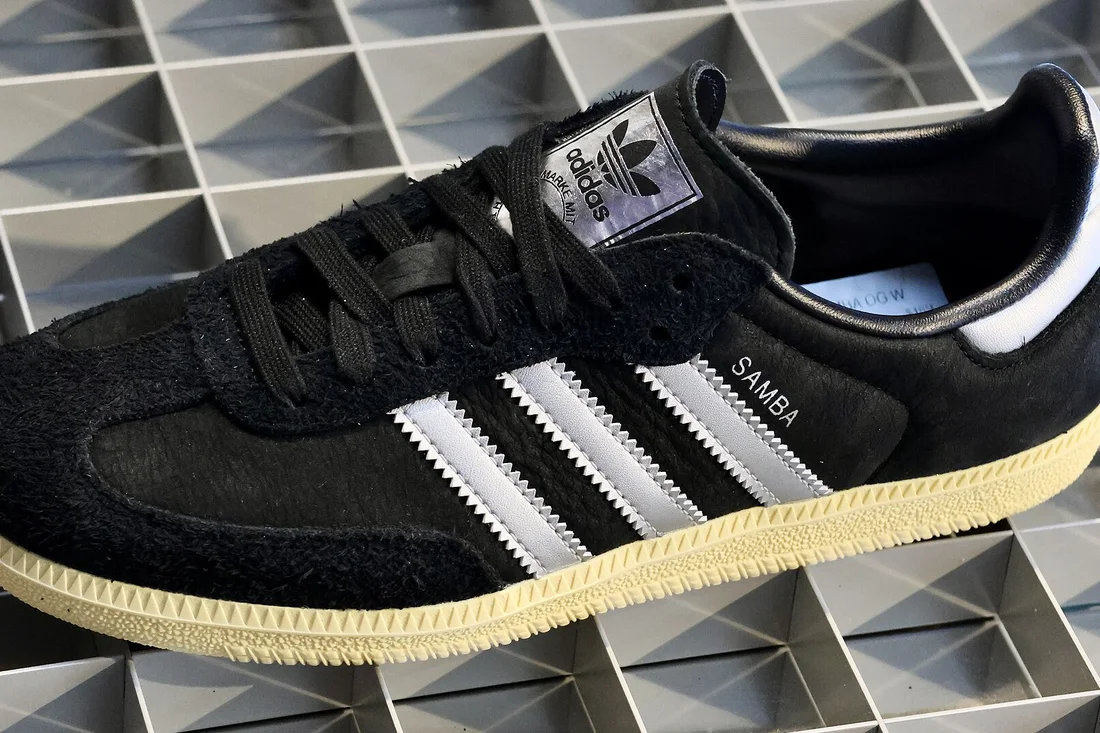
| Terrace trainers | Slim, low-profile classics such as the Adidas Samba, Gazelle and Spezial, Puma Speedcat | With straight or wide trousers, showing a little sock |
| Football shirts (“blokecore”) | Retro and current club or national shirts worn off the pitch | With baggy jeans or tailored trousers; vintage shirts look best |
| Earth tones and matching sets | Olive, sand, brown and slate; tracksuits or jersey sets in one colour | Head-to-toe in one shade, with white or neutral trainers |
| Gorpcore and outdoor tech | Shell jackets, fleeces and hiking shoes from outdoor brands | Practical for British weather; keep the rest simple |
| Baggy denim | Wide, relaxed jeans, often in washed or vintage finishes | With chunky or skate shoes |
| Resale and vintage | Second-hand pieces bought on apps and at vintage shops | Mix one vintage piece with basics |
None of these is entirely new. Streetwear moves in cycles, and much of what is popular now, from terrace trainers to baggy jeans, last peaked in the 1990s and early 2000s. That is good news: if you kept your old Sambas, they are back.
Britain’s Streetwear Brands
London has become one of the world’s most influential streetwear cities, helped by grime and drill artists who wear local labels in videos seen around the world.
- Palace (founded 2009): a London skateboarding brand, known for its triangle logo, irreverent humour and long-running collaborations with Adidas.
- Trapstar (mid-2000s): started by school friends from west London selling T-shirts, now closely tied to UK rap and widely worn by musicians.
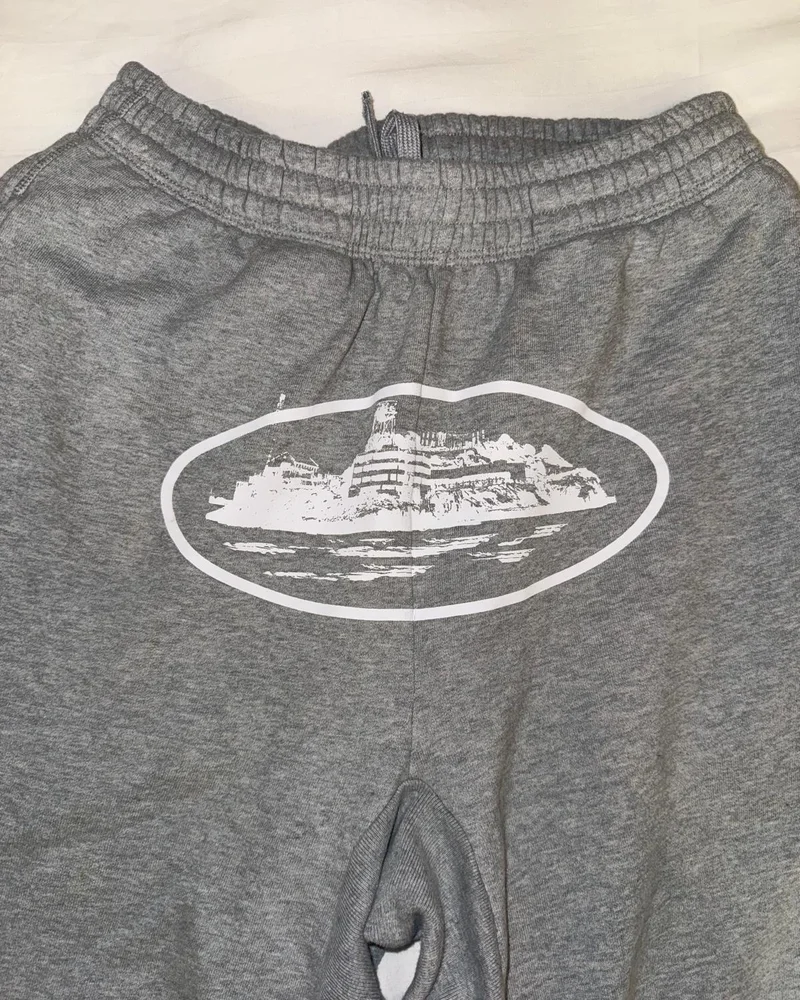
- Corteiz (2017): the London label founded by Clint Ogbenna has become the biggest hype brand in the country, with its Alcatraz logo and the slogan “Rules the World”. It is famous for surprise drops, password-protected websites and street events, such as a 2023 stunt in which fans swapped designer puffer jackets for its own. It has also collaborated with Nike.
- Represent (2011): founded in Manchester by brothers George and Mike Heaton, now a premium label with a global following.
- Others to know: Aries, A-Cold-Wall*, Martine Rose, Broken Planet and Nicholas Daley sit between streetwear and high fashion.
How Streetwear Changed Global Fashion
Twenty years ago, luxury fashion and streetwear lived in separate worlds. Today they overlap almost completely.
- c. 1980Shawn Stussy prints his name on surf T-shirts in California.
- 1994Supreme opens in New York.
- 2000sTrapstar starts in west London; grime takes off.
- 2009Palace launches in London.
- 2011Represent starts in Manchester.
- 2017Supreme x Louis Vuitton; Corteiz founded.
- 2018Virgil Abloh named Louis Vuitton menswear artistic director.
- 2023Corteiz’s jacket-swap stunt and Nike collaboration.
- 2025–26Cargo trousers, terrace trainers and resale go mainstream.
- The drop model: limited releases at set times, borrowed from streetwear, are now used by luxury houses, sportswear giants and even supermarkets launching collaborations.
- Collaborations: Supreme and Louis Vuitton’s 2017 collection broke the barrier between the two worlds. Now almost every major brand collaborates with streetwear labels, artists or musicians.
- Designers from streetwear: Virgil Abloh, founder of Off-White, became artistic director of Louis Vuitton menswear in 2018, a moment widely seen as streetwear’s full acceptance by luxury fashion.
- Trainers everywhere: trainers are now acceptable in many offices, at weddings and on red carpets, and luxury brands sell them at hundreds of pounds a pair.
- Resale: streetwear created a huge resale market, where limited items trade above their original price on apps and marketplaces.
For how these influences show up on the catwalk and the high street, see our guide to the latest fashion trends in the UK, and for the top end of the market, our round-up of luxury fashion brands in the UK.
Buying Streetwear in the UK Without Getting Burned
Hype brings fakes and inflated prices. A few rules help:
Five checks before you buy hyped streetwear
- Your rights differ by seller. Buy from a UK business online and you usually have 14 days to cancel under consumer law. Buy from a private seller on a resale app and your rights are much more limited: the item must be “as described”, but there is no general right to return, so rely on the platform’s buyer protection.
- Authentication matters. Marketplaces that check items before shipping reduce the risk of fakes. Read our review of whether GOAT is legit before buying expensive trainers.
- Ignore “investment” talk. Resale prices for hyped items often fall once the next drop arrives. Buy what you will wear.
- Look after what you own. Wash graphic tees inside out on a cool cycle, and clean trainers regularly, so they last and keep their resale value.
Streetwear does not have to be expensive. Charity shops, vintage markets and second-hand apps are full of football shirts, fleeces and denim, and buying used is kinder to the planet than chasing every new drop. My advice: build a small wardrobe of pieces you love rather than a pile of hype.
Frequently Asked Questions
What are the biggest streetwear trends right now?
Baggy cargo trousers, terrace trainers such as the Adidas Samba, football shirts, earthy colours and matching sets, outdoor technical gear, baggy denim and buying second-hand.
What is streetwear?
Casual clothing rooted in youth culture, such as skateboarding, hip-hop and football, built around hoodies, T-shirts, tracksuits, trainers and caps, often sold in limited releases.
What are the best British streetwear brands?
Corteiz, Trapstar, Palace and Represent are the best-known, with Aries, A-Cold-Wall* and Martine Rose closer to high fashion.
Is streetwear still popular?
Yes, though it has changed. Logo-heavy hype has cooled in places, while relaxed shapes, vintage, sportswear and outdoor gear remain strong.
What is blokecore?
A trend for wearing football shirts, terrace trainers and casual sportswear as everyday fashion, inspired by British football culture.
What is gorpcore?
Wearing outdoor and hiking gear, such as shell jackets, fleeces and trail shoes, as everyday clothing.
Why is Corteiz so popular?
Scarcity, surprise drops, street events and strong links to London music and youth culture have made it the country’s most talked-about streetwear label.
Where can I buy streetwear in the UK?
Directly from brands’ websites and shops, from independent stockists, and second-hand from vintage shops and resale apps, ideally ones that authenticate items.
How do I avoid fake streetwear?
Buy from official sellers or authenticated marketplaces, check seller reviews, compare details with official photos, and be wary of prices far below retail.
Is streetwear a good investment?
Rarely. A few items rise in value, but most resale prices fall over time. Buy what you will wear.
Final Thoughts
Streetwear began as clothing for skaters, surfers and music fans, and it has ended up changing the whole fashion industry, with London now one of its capitals. The trends will keep moving, but the best approach does not change: wear what fits your life, buy less but better, and do not be afraid of second-hand.
Sources: Complex and Hypebeast profiles of Corteiz and British streetwear brands; Represent’s official brand history; Wikipedia articles on Stüssy, Supreme, Palace Skateboards and Virgil Abloh; GOV.UK and Citizens Advice guidance on consumer rights when buying online and from private sellers; trend reporting from UK fashion media (2026).