
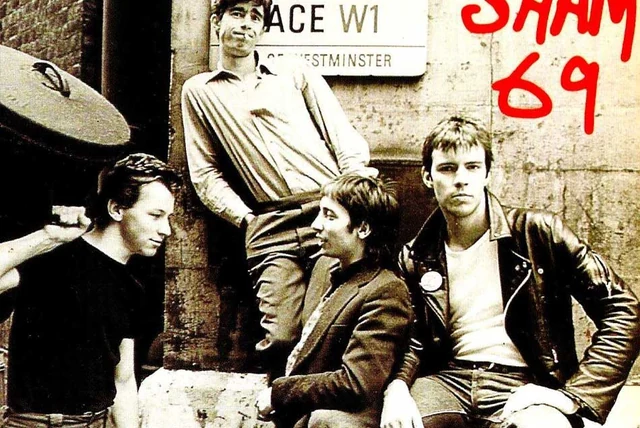
A wall in suburban Surrey once carried the graffiti Walton and Hersham ’69, celebrating a local football title. The weather got to it, the letters faded, and what was left read sham 69. Jimmy Pursey walked past it, took the name, and built the loudest working-class band of British punk’s first wave: five Top 20 hits, choruses made for crowds, and an ending nobody would have written.
| Formed | Hersham, Surrey, 1976 |
| Frontman | Jimmy Pursey, songs written with guitarist Dave Parsons |
| The name | Weathered graffiti: Walton and Hersham ’69, worn down to sham 69 |
| Chart record | Five UK Top 20 singles; Hersham Boys was the biggest |
| Why the gigs stopped | A 1979 Middlesex Polytechnic show was wrecked by far-right skinheads |
| Original split | 1980, with Pursey going solo |
The Graffiti That Named A Band
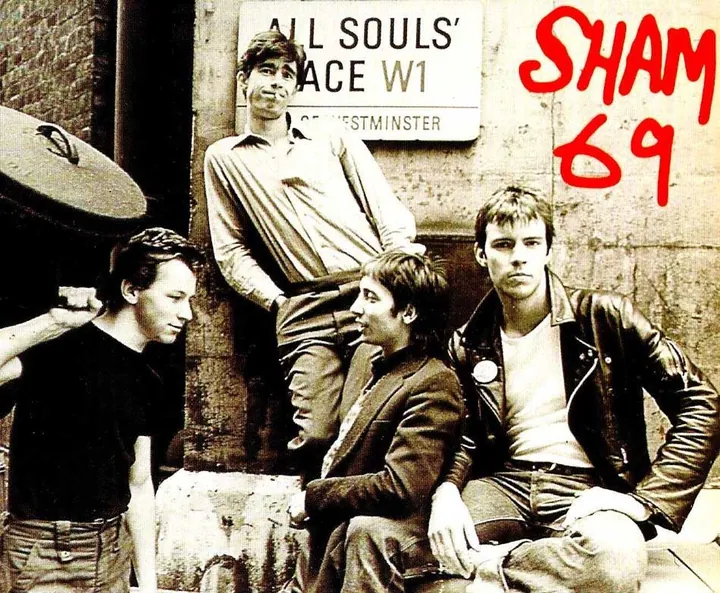
Image source: pinterest.com
The name is a piece of weathered paint. A wall in Hersham, Surrey carried the celebration graffiti Walton and Hersham ’69, marking the local football club’s championship year, and time wore the letters away until what remained read sham 69. Jimmy Pursey saw it, took it, and accidentally gave British punk one of its most misunderstood names. People still assume the sham means fake. It means a scrubbed-out football result on a suburban wall, which is somehow more punk than anything anybody could have invented.
Hersham, 1976
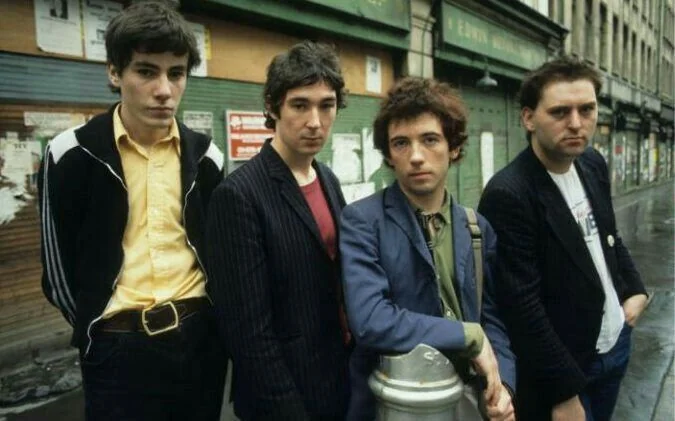
Image source: pinterest.com
Sham 69 formed in Hersham in 1976, and the geography matters. This was not the King’s Road art-school wing of punk. Hersham is commuter-belt Surrey, all semis and small ambitions, and the band that came out of it sounded like the boys at the back of the bus finally getting a microphone. Pursey fronted it and wrote the songs with guitarist Dave Parsons, and the records never once pretended to be cleverer than the audience.
Football Chants With Guitars
Image source: pexels.com
The formula was gloriously simple: verses you could shout, choruses built like terrace chants, and lyrics about the life their listeners actually had. Critics sneered at the simplicity and completely missed the point. A Sham 69 chorus was designed so that five hundred people could sing it by the second listen, and they did. The band took Punk music somewhere the art crowd never intended it to go: back to the football terraces it had borrowed its energy from.
Five Top Twenty Singles
Image source: pexels.com
For a band remembered as rough and ready, the chart record is startling: five Top 20 singles in the UK. If The Kids Are United became an anthem that outlived the band, the sort of song that still gets an entire festival tent shouting fifty years on. Hurry Up Harry took a pub-crawl singalong into the Top 10, and Hersham Boys, their biggest hit, put their own postcode on Top of the Pops. Very few of their peers converted punk into hits so consistently.
The Kids Who Turned Up
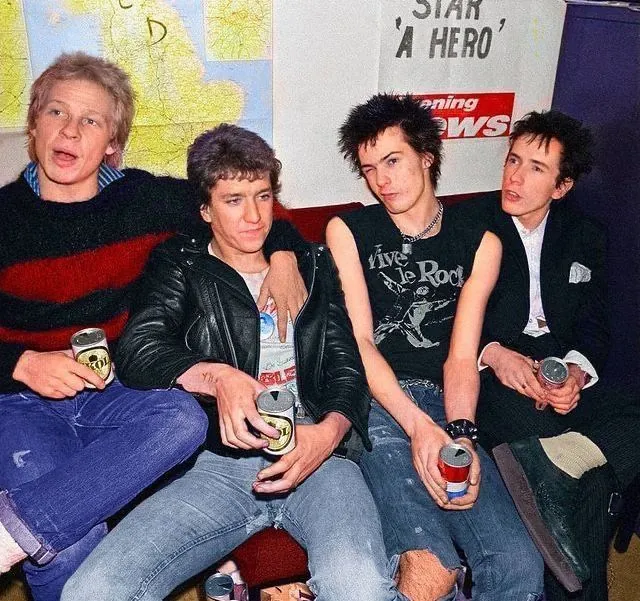
Image source: pinterest.com
Sham 69’s honesty about class attracted exactly the audience the songs described, and that became the tragedy. Among the genuine fans, their gigs began drawing organised far-right skinheads aligned with the National Front, who came not for the music but for the platform and the fight. The cruel irony was total: a band singing about kids being united, whose singer stood publicly against racism, watching their shows turn into recruiting grounds and battlefields for people who believed the opposite.
Middlesex Polytechnic, 1979
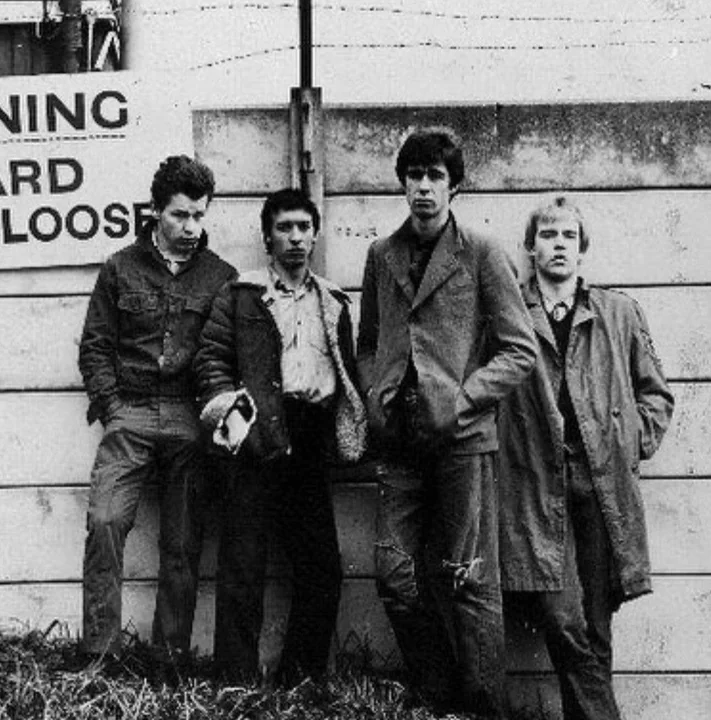
Image source: pinterest.com
It ended, as these things do, on a specific night. A 1979 show at Middlesex Polytechnic was smashed apart by white-power skinheads, and the band stopped playing live: the violence had made their own gigs impossible to stage. Think about what that means. A group at the height of its chart success, silenced on stage not by failure or fashion but by people who had attached themselves to it against its will. Few bands in British history have been taken hostage by their own audience so completely.
Rock Against Racism And Standing Up
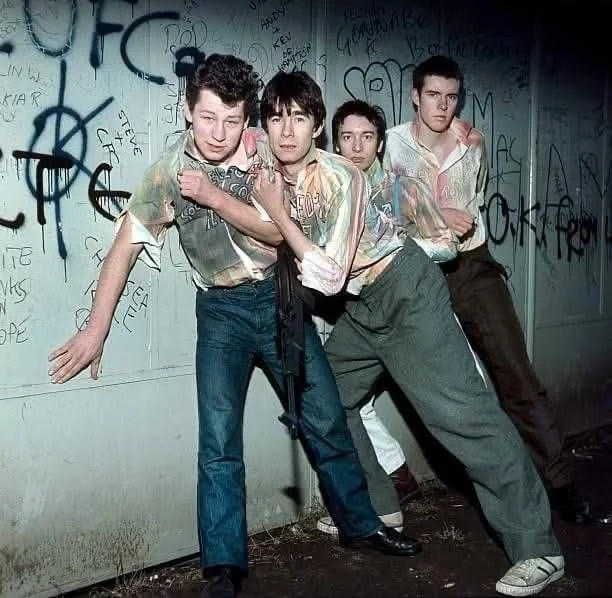
Image source: pinterest.com
Pursey did not shrug and cash the cheques. He appeared at Rock Against Racism, sharing a stage with Elvis Costello, planting the band’s flag as clearly as it could be planted. Critics at the time said it came too late to save the gigs, and perhaps it did. But the record should be read fairly: the band said plainly which side it was on, at a moment when saying so cost money and safety. Plenty of louder moralists have risked less.
The Split In 1980
Image source: pexels.com
The original line-up broke apart in 1980, worn down by everything the previous two years had thrown at them, and Pursey went off to a solo career. It is a strange ending for a band with five Top 20 hits: no slow fade, no farewell tour, just a fire that got put out by other people’s hatred. The band has existed in various forms since, but the story people search for is those four years, 1976 to 1980, when it burned.
What The Songs Were Actually About
Image source: pexels.com
Strip away the noise around the band and listen to the lyrics: boredom, work, belonging, the feeling of being written off by everyone official. Borstal Breakout is about exactly what it says. Angels With Dirty Faces gave the ignored kids of every town a theme tune. The songs were social documents disguised as chants, and they explain why the band’s audience loved them with a loyalty the broadsheets never understood.
The Legacy In Every Chorus You Can Shout
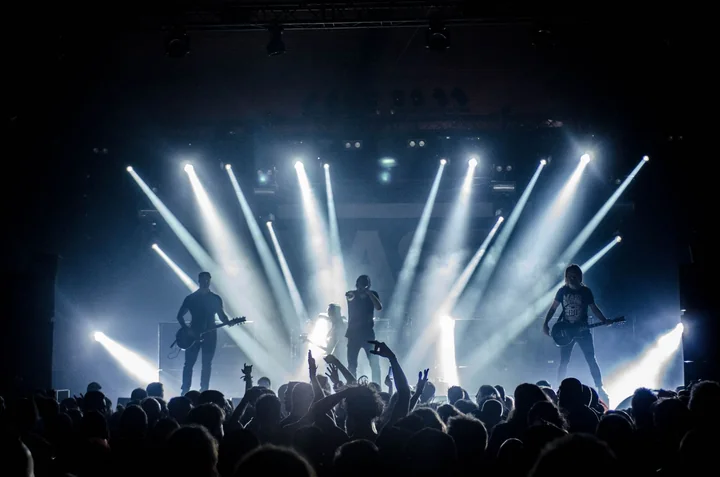
Image source: pexels.com
Sham 69’s fingerprints are on every band that ever built a chorus for a crowd rather than a critic. The street-punk and Oi movements that followed took their template directly, and stadium acts learned the same lesson from a safer distance: a song the audience owns beats a song the audience admires. When a festival crowd today chants a chorus back at a headliner, they are doing the thing Sham 69 built songs to do.
Why People Still Ask What Sham 69 Is

Image source: pexels.com
The search question this page answers usually comes from somewhere specific: a parent’s record collection, If The Kids Are United turning up on a film soundtrack or at a football ground, or the name on a battered T-shirt in a photograph. The answer is bigger than a band biography. Sham 69 is a case study in what happens when music about belonging attracts people who want to own belonging, and it still gets argued about because it still matters.
The Name Confusion, Settled
Image source: pexels.com
For the record, because the internet keeps getting it wrong: the band is not named after the year 1969 in any meaningful sense, the sham does not mean fraud, and there is no hidden code. It is Walton and Hersham ’69, eroded by weather into something better. Jimmy Pursey has told the story often enough that there is no excuse for the myths, and our profile of Jimmy Pursey covers the man behind it.
Where They Sit In Punk’s Family Tree

Image source: pexels.com
Punk’s first wave gets remembered through its art-school wing, but the movement always had two bloodlines. One led to galleries and design retrospectives. The other, Sham 69’s line, led through working men’s clubs and football grounds into Oi, street punk and every band since that sounded like its audience rather than performing for it. British music keeps rediscovering voices that crossed out of their expected lane, and our guide to two South African singers who did the same tells that story from another continent entirely.
Listening Now: Where To Start

Image source: pexels.com
Start with the singles: If The Kids Are United, Hurry Up Harry, Hersham Boys, Borstal Breakout, Angels With Dirty Faces. That run explains the whole band in twenty minutes. Then, if it lands, the early albums fill in the picture. The recordings are rough by modern standards and that is the point: this was music made to be shouted along to in a room, and even through a phone speaker fifty years later, you can hear the room.
Final Thoughts
Four years, five Top 20 singles, one graffiti-borrowed name and an ending forced by people the band never wanted. Sham 69’s story is punk’s class war, its glory and its tragedy compressed into one group from a Surrey commuter town. Start with If The Kids Are United and you will hear all of it.
Frequently Asked Questions
What does Sham 69 mean?
The name came from weathered graffiti in Hersham reading Walton and Hersham ’69, celebrating the local football club’s 1969 championship, worn down until only sham 69 remained.
Who was the lead singer of Sham 69?
Jimmy Pursey, who formed the band in Hersham, Surrey in 1976 and wrote the songs with guitarist Dave Parsons.
What were Sham 69’s biggest hits?
They had five UK Top 20 singles, including If The Kids Are United, Hurry Up Harry and their biggest hit, Hersham Boys.
Why did Sham 69 stop playing live?
Their gigs were repeatedly wrecked by far-right skinheads, and after a 1979 show at Middlesex Polytechnic was broken up, the band stopped performing live.
Was Sham 69 a racist band?
No, the opposite. The band attracted far-right followers against its will, and Jimmy Pursey appeared at Rock Against Racism alongside Elvis Costello.
When did Sham 69 break up?
The original line-up split in 1980, with Pursey moving to a solo career, though versions of the band have existed since.