
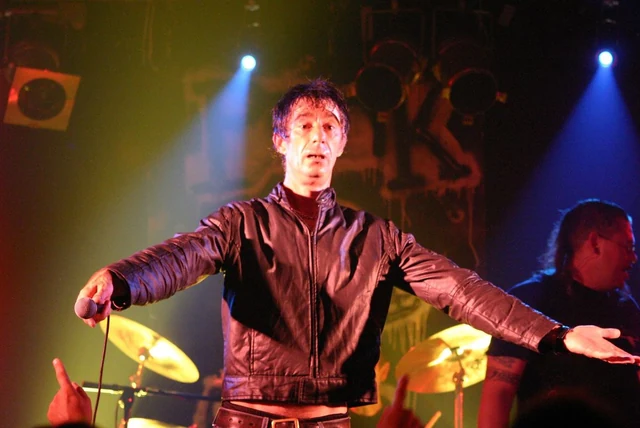
Type a punk singer’s name plus net worth and the internet will hand you a number with absolute confidence and absolutely no source. Jimmy Pursey deserves better than that. The Sham 69 founder has one of the best-documented careers in British punk, five Top 20 singles, a solo deal, production credits that launched a genre, and fifty years on stage, and this page follows the documented money rather than inventing a total.
| Full name | James Timothy Pursey |
| Born | 9 February 1955, Hersham, Surrey; 71 in 2026 |
| Known for | Founder and frontman of Sham 69, formed 1976 |
| Chart record | Five UK Top 20 singles with Sham 69 |
| Also | Solo albums on Polydor; produced Cockney Rejects and Angelic Upstarts |
| Net worth | No documented figure exists; published estimates contradict each other |
The Question And The Honest Answer First
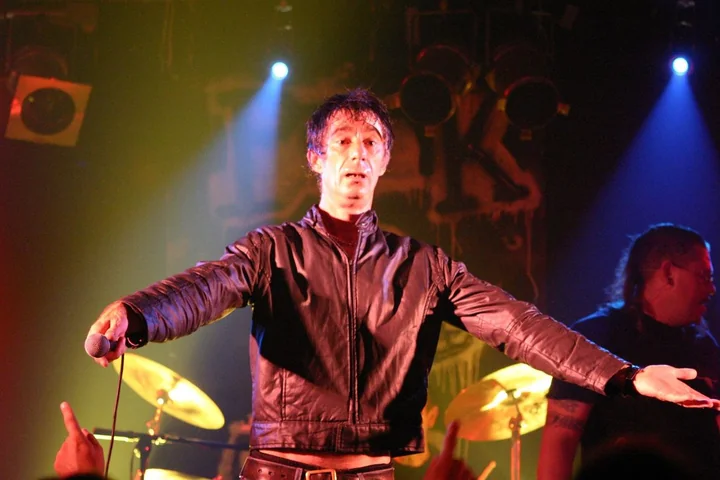
Image source: pinterest.com
People search Jimmy Pursey’s net worth and land on pages quoting figures with two decimal places and zero sources. Here is the truth up front: there is no public record of his finances, no company filing that captures a punk career’s earnings, and every number online is a guess dressed in a suit. What does exist, fully documented, is a fifty-year working life in music: the hits, the tours, the production credits and the royalties they imply. That record tells you far more about his financial reality than an invented total ever could.
Hersham, February 1955
Image source: pexels.com
James Timothy Pursey was born on 9 February 1955 in Hersham, Surrey, which makes him 71 in 2026. We publish that date because, unusually for this corner of the internet, the sources actually agree on it. Hersham matters as more than a birthplace: it is in the band’s name, the songs’ voices and the whole worldview. This is commuter-belt Surrey, not bohemian London, and the boy who left school early for work carried that town onto every stage he ever stood on.
The Band That Made The Name
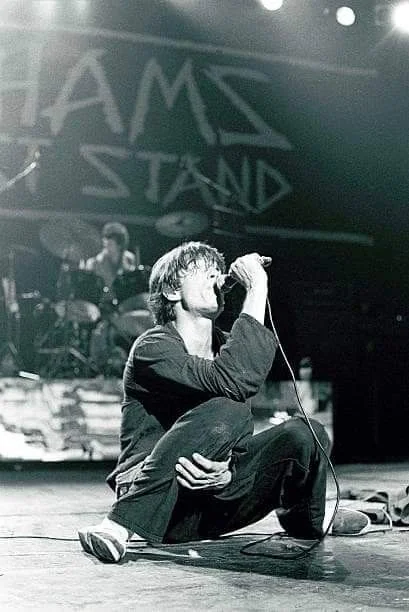
Image source: pinterest.com
Pursey founded Sham 69 in 1976, taking the name from weathered football graffiti, and fronted the loudest working-class voice of punk’s first wave. Five UK Top 20 singles followed: If The Kids Are United, Hurry Up Harry, Hersham Boys among them. Our full guide to what Sham 69 was and why the gigs stopped tells that story properly, including the night in 1979 when far-right violence forced the band off the road at the height of its success.
What Five Top 20 Singles Were Worth

Image source: pexels.com
Here is where honest arithmetic beats invented totals. Chart hits in 1978 meant real money, but punk bands famously saw little of it: advances were recouped against recording costs, managers and labels took their layers, and Sham 69’s touring, the reliable earner, was cut short by the violence around their gigs. A band of that era with five Top 20 singles generated significant revenue and frequently modest personal wealth. Anyone quoting Pursey’s precise share of it is inventing, because those contracts have never been public.
The Royalty Cheques That Never Stop

Image source: pexels.com
What punk’s chart survivors do have is publishing. If The Kids Are United has been licensed, covered, compiled and played at football grounds for nearly fifty years, the kind of afterlife very few songs of any genre achieve. Every use generates a payment to the songwriters, and Pursey wrote with guitarist Dave Parsons. Songwriting royalties are the quiet pension of the punk generation: not fortunes, but income that arrives decade after decade, long after the touring van is sold.
Going Solo In 1980
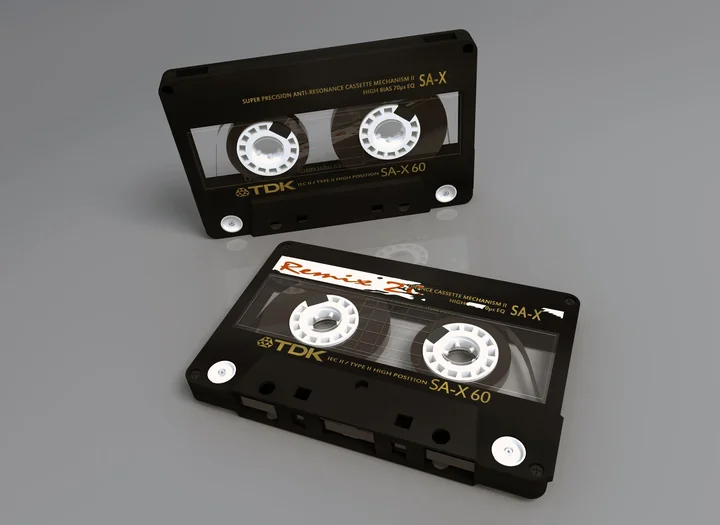
Image source: pexels.com
When the original band split in 1980, Polydor backed Pursey as a solo act: the single Lucky Man and the album Imagination Camouflage arrived that year, recorded with Derwood Andrews and Mark Laff, both formerly of Generation X. The solo records did not repeat Sham 69’s chart success, which matters for the money question: the early eighties were rebuilding years, not harvest years, and any honest account of his finances has to include that dip rather than pretend a straight line upward.
The Producer Nobody Counts

Image source: pexels.com
The most overlooked line on Pursey’s CV is production. He produced early releases for the Cockney Rejects and Angelic Upstarts, effectively midwifing the street-punk generation that followed Sham 69. Production work pays fees and sometimes points, and influence of that kind keeps a name commercially alive: bands citing you tour your songs into new audiences, and reissue labels keep the catalogue in print. It is another documented income stream that the net worth guessers never bother to itemise.
Reunions, And Why They Pay

Image source: pexels.com
Pursey reformed Sham 69 in 1986 with Dave Parsons and has fronted various line-ups since, still playing live today. For heritage punk bands, the modern economy is festivals and anniversary tours: reliable fees, loyal audiences, low production costs. A band whose choruses were built for crowds in 1978 is perfectly designed for a festival tent in 2026. This, not streaming, is where a first-wave punk frontman’s current income realistically comes from, and it is why so many of his peers are still on the road.
What Streaming Pays Punk Legends

Image source: pexels.com
The uncomfortable modern maths: streaming pays fractions of a penny per play, split between label, publisher and performers. A fifty-year-old catalogue with a handful of anthems generates steady but unspectacular streaming income; the real digital value is discovery, each playlist add producing new ticket buyers for the live shows. Understanding that split, catalogue as advertising, gigs as income, explains the finances of almost every veteran act better than any invented seven-figure total.
The Lifestyle Evidence

Image source: pexels.com
One more honest signal: Pursey has never lived like a rich rock star, and has never pretended to. No tabloid mansion tours, no bankruptcy headlines either, five decades in and still working. That middle path, sustained professional musicianship without either yacht or ruin, is the most common financial outcome for punk’s first wave and the least written about, because it makes a poor headline. It is also, on all available evidence, the true one here.
Why We Publish No Figure

Image source: pexels.com
This site does not print net worth estimates without a documented source, and for Pursey none exists. The ranges published elsewhere disagree with each other by multiples, which is the clearest proof that nobody knows. What we can verify, we have: the birth date, the hits, the labels, the production credits, the reunions, the ongoing live work. Punk music built careers that resist accounting, and pretending otherwise would make this page worse, not better.
The Comparison Worth Making

Image source: pexels.com
Instead of fake numbers, compare documented careers. Punk contemporaries who died young left estates; those who crossed into mainstream pop built visible fortunes; those who, like Pursey, kept fronting the same beloved band for fifty years built something different: durable, modest, real. British entertainment wealth that is actually documented looks like Ant and Dec’s television empire, with public contracts and company filings. Punk deliberately built nothing so traceable, and that is half its point.
Still On A Stage

Image source: pexels.com
The most financially relevant fact about Jimmy Pursey in 2026 is the simplest: at 71, he still performs. Fifty years after a Hersham teenager borrowed a name from a worn wall, the voice that sang If The Kids Are United is still singing it to crowds who answer back. Whatever the bank balance says, and nobody publishing about it actually knows, that is a career almost nobody in his generation of shouters managed to sustain. The work is the wealth, and the work is verifiable.
Final Thoughts
Five decades, five Top 20 hits, a catalogue that still pays and a stage he still walks out on at 71. The honest answer on Jimmy Pursey’s net worth is that nobody publishing a figure has seen his accounts, and the honest story, the one above, is better anyway. Our guide to Sham 69 tells the band’s half of it.
Frequently Asked Questions
What is Jimmy Pursey’s net worth?
No documented figure exists. His finances have never been public, and the estimates circulating online disagree with each other by multiples, which shows nobody actually knows.
How old is Jimmy Pursey?
He was born on 9 February 1955 in Hersham, Surrey, making him 71 in 2026. Unusually, the sources agree on this date, so we publish it.
How does Jimmy Pursey earn money now?
Realistically from live performance with Sham 69 line-ups, songwriting royalties on a fifty-year catalogue, and the long tail of production credits.
What bands did Jimmy Pursey produce?
He produced early releases for the Cockney Rejects and Angelic Upstarts, helping launch the street-punk generation that followed Sham 69.
Did Jimmy Pursey have a solo career?
Yes. After the 1980 split, Polydor released his single Lucky Man and album Imagination Camouflage, recorded with former Generation X members.
Is Jimmy Pursey still performing?
Yes. He reformed Sham 69 with Dave Parsons in 1986 and has fronted versions of the band ever since, still playing live today.