
In 2026, getting quality sleep is no longer just about clocking eight hours—it’s about creating the right environment. According to the Centers for Disease Control and Prevention (CDC), about 1 in 3 adults in the U.S. report not getting enough sleep on a regular basis. Many of these issues are linked to undiagnosed sleep disorders or an unhealthy sleep environment.
If you often wake up feeling tired, sore, or restless, it might be time to rethink your bedroom setup. Below are 10 proven essentials that can help improve sleep quality and overall well-being.
1. Mattress and Comfort Layer

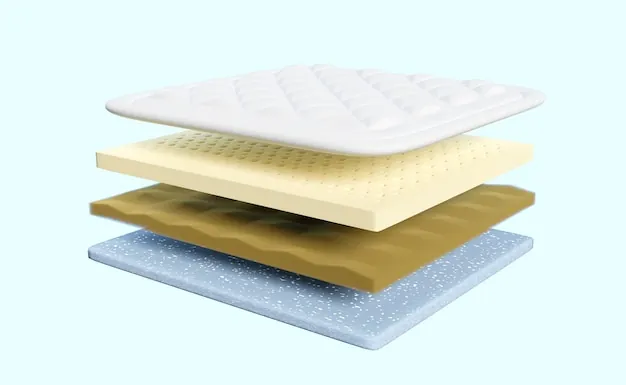
Your mattress determines how well your spine aligns and how deeply you rest. But buying a new one can be expensive. That’s where mattress toppers come in.
Many people now choose the best mattress toppers made of memory foam, bamboo, or gel-infused foam to improve support, relieve pressure points, and stay cool at night.
Toppers are especially helpful for extending the life of an old mattress or fine-tuning the firmness. To keep your sleep space hygienic, check out this guide on how to get rid of bed bugs fast—a key part of mattress maintenance often overlooked.
2. Blackout Curtains for Better Sleep

Light is one of the biggest disruptors of melatonin—the hormone that tells your body it’s time to sleep. Blackout curtains help by blocking streetlights, early sunrises, and car headlights.
Why it works: Studies show that people sleeping in darker rooms fall asleep faster and stay asleep longer.
Choose thermal-lined blackout curtains that also help with noise reduction and insulation.
3. Air Purifiers and Humidifiers
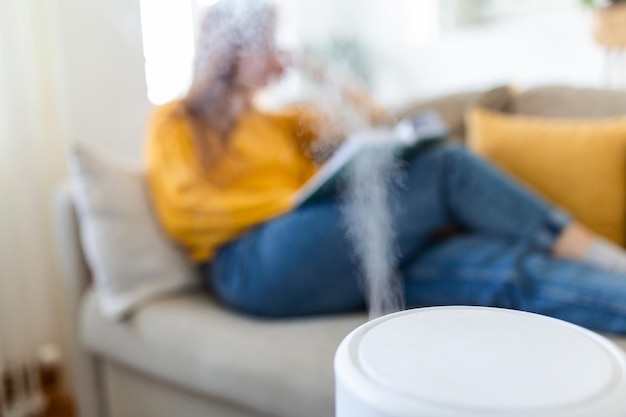
Dry air, dust, and allergens can interfere with sleep. Air purifiers with HEPA filters remove pollen, pet dander, and pollutants, while humidifiers maintain the right moisture levels to prevent dry throat or skin irritation.
2026 trend: Compact, quiet combo units are popular for bedrooms under 200 square feet.
4. Breathable Bedding and Cooling Pillows

Overheating during the night causes tossing and turning. Upgrade to breathable sheets made from bamboo, cotton, or Tencel. These materials wick moisture and allow airflow.
Pair with:
-
Lightweight, temperature-regulating comforters
-
Cooling gel-infused pillows or memory foam with airflow channels
Keep your bedding clean and replace pillows every 1–2 years for hygiene and support.
5. Minimalist Room Design

A cluttered room leads to a cluttered mind. Minimalist bedroom design promotes calmness, reduces stress, and improves focus.
Tips:
-
Use soft, neutral colors (light gray, sage, or beige)
-
Remove non-sleep-related electronics like TVs or laptops
-
Opt for hidden storage furniture to reduce visual mess
6. White Noise and Soundproofing

External noise can disrupt deep sleep stages. Whether it’s traffic, loud neighbors, or snoring, white noise machines or earplugs can make a big difference.
Tools to consider:
-
Adaptive white noise machines that adjust in real time
-
Heavy blackout curtains that reduce both light and sound
-
Foam or silicone earplugs rated 30–35 dB
7. Warm, Dimmable Lighting

Bright lights, especially blue light, suppress melatonin and keep your brain alert. Switch to warm light bulbs (under 3000K) in the evening and avoid overhead lighting.
Use:
-
Dimmable bedside lamps
-
Smart bulbs with sunset simulation
-
Nightlights in hallways to avoid harsh lighting during late-night trips
8. Indoor Plants That Improve Air and Mood

Plants not only purify the air but also create a peaceful environment. Some even release oxygen at night, supporting better breathing.
Best plants for bedrooms:
-
Lavender – calming scent, reduces anxiety
-
Snake plant – releases oxygen overnight
-
Aloe vera – improves air quality and requires little maintenance
Avoid overwatering, and keep plants near natural light.
9. Aromatherapy for Sleep Support

Aromatherapy is widely used to promote relaxation and help with falling asleep. Scents like lavender and chamomile activate parts of the brain responsible for calming down.
Best delivery methods:
-
Essential oil diffusers with timers
-
Pillow sprays with natural ingredients
-
Aromatherapy candles (use before sleep, not during)
Look for 100% pure essential oils and avoid synthetic fragrances.
10. Smart Sleep Technology

Sleep tech has evolved in 2026 to be more intelligent and user-friendly. These tools help track patterns, improve bedtime routines, and reduce disturbances.
Top tools:
-
Wearables like the Oura Ring or Fitbit to analyze sleep stages
-
Smart beds that adjust firmness and temperature
-
Apps with white noise, guided meditation, or sleep coaching
Use your data to identify patterns—like caffeine sensitivity or bedtime screen habits.
Temperature Beats Everything Else On This List
If you change one thing in a bedroom, change the temperature. Sleep begins with a drop in core body temperature, and a room that is too warm prevents that from happening, which is why people wake at three in the morning in summer and blame everything except the thermostat. The range most sleep researchers point to is cooler than most British bedrooms in winter, somewhere around sixteen to nineteen degrees. In practical terms: turn the bedroom radiator down rather than up, and open a window before bed rather than after waking.
Light Is The Other Half
Your body clock is set primarily by light, which makes the bedroom’s light environment more consequential than any gadget. Two things matter in opposite directions. At night, darkness: blackout curtains or a blind help, and so does removing the small standby lights that British bedrooms accumulate. In the morning, brightness: getting daylight into your eyes within an hour of waking is the strongest available signal for setting the clock, and in a British winter that can mean going outside for ten minutes rather than relying on the window.
Mattress Firmness Is A Personal Fit, Not A Rating
Mattress marketing sells firmness as a quality score and it is nothing of the kind. The right firmness depends on your weight and on how you sleep: side sleepers generally need more give at the shoulder and hip to keep the spine straight, back and front sleepers generally need more support. A heavier person sinks further into the same mattress than a lighter one, which is why couples frequently disagree and why zoned or split options exist. Use the trial period, which most UK mattress sellers now offer, and give it several weeks rather than several nights.
A Topper Is Not A Fix For A Worn Mattress
Toppers are genuinely useful and they are used for the wrong job constantly. A topper changes the surface feel, adding softness or a cooling layer to a mattress that is structurally sound. It cannot restore support to a mattress that has sagged, because the support comes from the springs or the foam core underneath, and putting a soft layer over a dip simply pads the dip. If you can see a hollow, or you wake with lower back pain that eases during the day, that is a replacement rather than an accessory.
What Actually Helps With Noise
Soundproofing a British bedroom properly is a building job, but three cheaper things genuinely work. Heavy lined curtains absorb a surprising amount of street noise, which is the same purchase that fixes the light problem. A white or pink noise source masks intermittent sounds by raising the background level, so a car door no longer stands out against silence. And draught-proofing a door blocks a route sound travels through as readily as air. Foam panels on a wall, sold widely for this purpose, do very little against noise coming through glass.
Bedding Fabric In A Damp Climate
Britain’s problem is humidity as much as temperature, and bedding choice affects both. Natural fibres, cotton, linen and wool, move moisture away from the skin and dry out during the day; polyester and microfibre hold it, which is why a synthetic duvet cover feels clammy on a warm night. Linen is the most forgiving across seasons and softens with washing. Tog rating matters more than thread count for a duvet, and most British homes are better served by a lighter summer duvet and a heavier winter one than by one all-year compromise.
The Gadgets Worth Having And The Ones That Are Not
Sleep technology divides cleanly. Things that change the environment, a thermostat that lowers the temperature overnight, a dimmable warm lamp, a timer on a heater, do real work. Things that measure you are more complicated: sleep trackers are reasonably good at total time and poor at sleep stages, and there is a documented pattern of people becoming anxious about their scores in a way that makes sleep worse. If a tracker makes you check it in the night, it is subtracting rather than adding. An alarm clock that is not your phone remains one of the best purchases available.
The Rest Of The Room
The items on this list sit inside a room, and how that room is arranged does more than any single purchase. For the full treatment of bedroom layout, lighting circuits, curtain weight and colour, see our guide to traditional interior design for bedrooms, and for the same principles applied downstairs our living room decor ideas. Readers whose sleep problem is stress rather than the room should read our guide to improving emotional well-being, which covers where to get help in the UK.
Final Thoughts
Your sleep space plays a major role in your mental and physical health. By making small upgrades—like adding breathable bedding, blackout curtains, indoor plants, or one of the best mattress toppers—you create a supportive environment that helps your body rest naturally.
These 10 bedroom essentials aren’t just about comfort—they’re about helping you live better, starting with better sleep.
FAQs
Q1. How cool should a bedroom be for ideal sleep?
Experts recommend 60–67°F (15–19°C) as the ideal temperature range.
Q2. Can indoor plants really help with sleep?
Yes. Plants like lavender and snake plant purify the air and promote relaxation.
Q3. Is aromatherapy safe to use every night?
Yes, if you’re using pure oils and keeping diffusers well-maintained. Avoid strong synthetic scents.
Q4. Do mattress toppers actually work?
Absolutely. A high-quality topper can improve spinal alignment, reduce pressure, and regulate temperature for deeper sleep.