
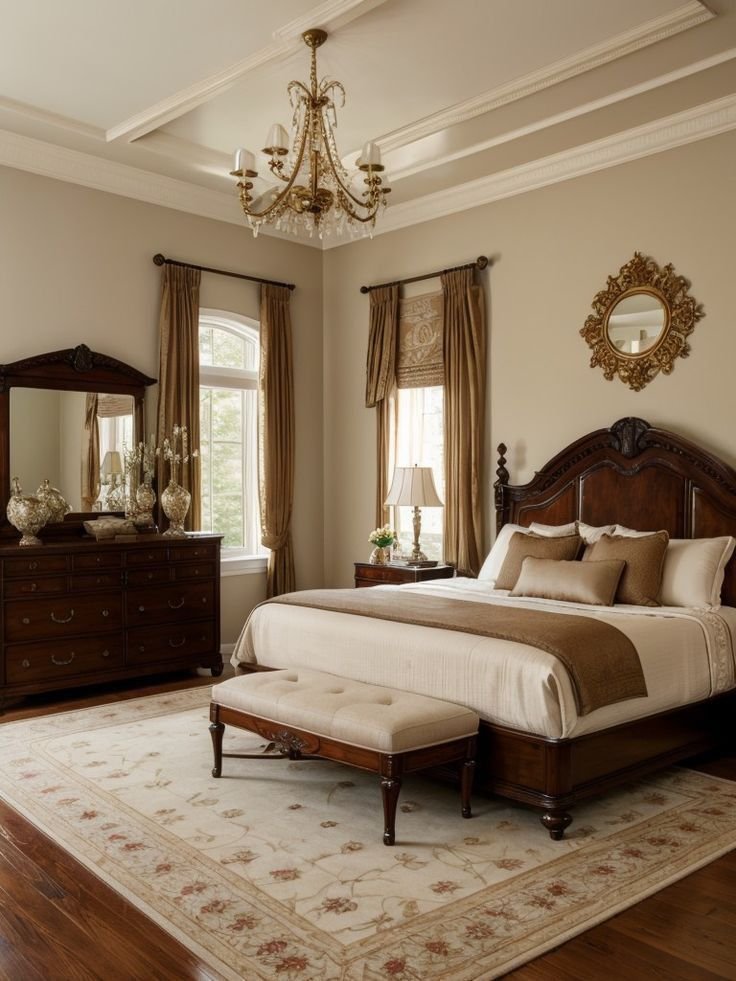
The influx of similar interior designs, such as industrial, modernist, minimalist, and Scandinavian, means that most bedrooms lack substance.
Traditional interiors — which take design ideas from the 18th and 19th centuries — are unique and have a clear style. And that search for clarity — part of the wider ‘warm traditional’ and grandmillennial revival — is only getting bigger in 2026.
The grandeur of classical design shapes traditional bedrooms through ornate headboards, rich mahogany furniture, and symmetrical layouts. Crown mouldings frame tufted silk panels, while brass and crystal lighting cast elegant shadows.
If all that sounds a tad old-fashioned, that’s the point — you’re creating an unapologetically old-timey bedroom that embraces what worked in the past. That’s how you add character and authenticity to your space.
Why the surge in popularity?

Some modern interiors are stark and poorly decorated, with blank walls, light-coloured furniture, and no clear design style.
You could use minimalism’s clean lines and the natural touches of Scandi and Japandi interiors and still end up with a bedroom that doesn’t feel like home.
Traditional interior design brings a sense of warmth and personality often missing from contemporary spaces through carefully chosen furniture pieces, architectural details, layered textiles, and warm, atmospheric lighting.
Another thing we can say about traditional interiors is they never go out of style, and you will never get bored developing them. They are far too purposeful to be beaten by trends and an absolute joy to decorate and improve over time.
How to get the traditional look

Buy a bed worth showing off
Nothing says traditional style quite like a statement bed. Start with a bed frame with a tall headboard — tufted velvet if you’re feeling fancy or linen if you want something subtle.
Modern bedding might be all about white cotton and minimalist throws, but traditional style loves a bit of drama. Layer up crisp sheets with a plush duvet, add some cushions in rich patterns, and top it off with a quilted bedspread that speaks of quality.
Pictured: Willis Gambier Ivory Upholstered Bed Frame. Available from Bedstar Online.
Sure, it takes longer to make in the morning, but that’s the point — traditional style isn’t about cutting corners but creating something worthwhile.
Light it right
Install a traditional crystal or brass chandelier as your main ceiling light to add timeless drama to your bedroom. Elegant table lamps with fabric shades belong on nightstands, while under-furniture LED strips create a soft ambient glow.
Drama at the windows
Mounting floor-length curtains near the ceiling adds instant height. Rich burgundy or navy silk panels bring traditional luxury, with sheer layers behind offering privacy without sacrificing natural light. Substantial rods and classic rings complete this window treatment.
Quality cornerstone pieces
One or two anchor pieces — perhaps a mahogany dresser or tufted headboard — set the traditional tone. Fine details like dovetail joints, carved wood, and brass hardware mark authentic craftsmanship.
Pictured: Willis Gambier Antoinette Sleigh Bed. Available from Bedstar.
Comfort in the corners
Every traditional bedroom needs a cosy spot to sit. Subtle stripes or damask prints elevate a comfortable armchair, while a nearby side table holds books and a reading lamp. For ultimate luxury, a matching footstool invites proper relaxation.
The art of arrangement
Traditional artwork deserves ornate eye-level frames arranged symmetrically above beds and dressers. Mixing oil paintings with architectural prints or botanical illustrations adds depth, while family photos gain elegance in brass or silver frames.

Details that matter
Brass candlesticks and vintage mirrors bring traditional charm to dressers and walls. Carefully chosen ceramic lamps cast warm light from silk shades, while hardcover books add personality to bedside tables.
Colour with confidence
Deep jewel tones and warm neutrals transform plain walls into rich backdrops. Gleaming brass and gold accents catch light from frames and hardware while varying wood tones add depth without overwhelming your space.
Traditional Does Not Mean Period Accurate
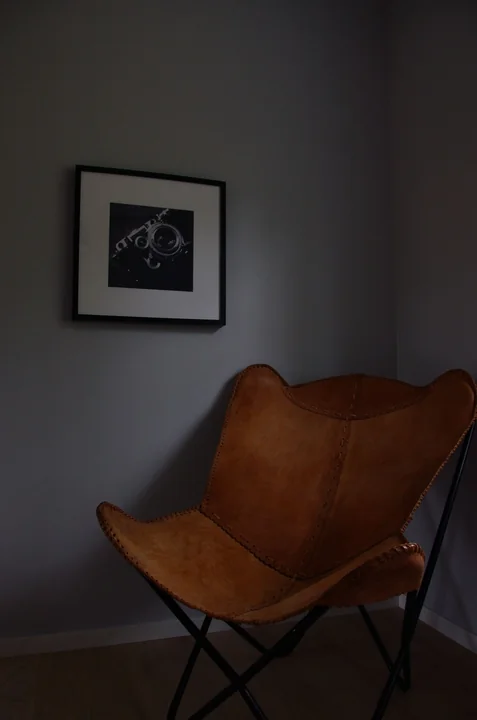
Image source: pexels.com
It is worth defining the term before spending anything, because the word traps people. Traditional here means a set of qualities rather than a historical period: natural materials, symmetry, layered textiles, warm light and furniture with some visual weight. It does not mean recreating a Georgian bedroom or buying only antiques. The most successful traditional rooms are largely modern in comfort, with contemporary mattresses, proper heating and hidden sockets, and traditional in what you can see. Trying to be period accurate produces a room that photographs well and is unpleasant to sleep in.
Start With The Bed, Then The Rug
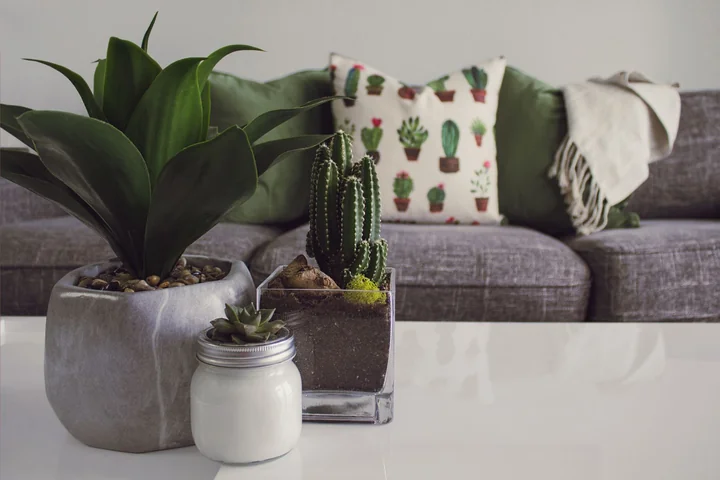
Image source: pexels.com
In a bedroom the bed is both the focal point and the largest object, which makes it the only sensible starting point, and everything else is chosen to sit around it. The second decision, and the one most often skipped, is the rug. In a bedroom the rug’s job is to stop bare feet meeting a cold floor, so the size that works runs at least sixty centimetres beyond the sides and the foot of the bed, or two runners either side if the room is narrow. A small rug at the foot of the bed looks like an afterthought and functions like one.
Layering Light In A Bedroom

Image source: pexels.com
Bedroom lighting has a specific job that living room lighting does not: it has to work at full brightness while you are getting dressed and at very low brightness last thing at night. That means at least two circuits. A central fitting on a dimmer handles the first, and bedside lamps or wall lights handle the second. Wall lights mounted either side free the bedside table entirely, which is the single best change in a small room. Keep bulbs warm, around 2700K or lower, and avoid anything that puts a bright light directly in the sightline of someone lying down.
Curtains: Weight, Lining And Length
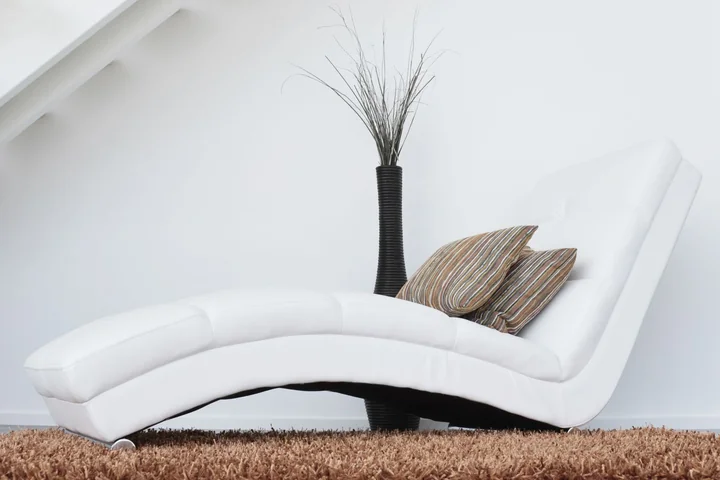
Image source: pexels.com
Curtains do more for a traditional bedroom than any other single purchase, and the details matter more than the pattern. Line them, and interline them if the room is cold, because a lined curtain hangs properly and genuinely reduces heat loss through a window at night. Hang the pole high and wide, above the window frame and extending beyond it, so the curtains clear the glass when open and the window appears larger. And take the length to the floor, either just brushing it or with a slight break. A curtain stopping at the sill reads as a kitchen, not a bedroom.
Mixing Old And New Without It Looking Staged

Image source: pexels.com
The risk in this style is a room that looks like a showroom display of antiques. The convention that prevents it is a rough proportion: mostly contemporary or plain pieces, with a small number of older ones that carry the character. One inherited chest of drawers, one good mirror and a pair of lamps will do more than a full suite of reproduction furniture. Mismatched wood tones are fine and are usually better than matching ones, because a room where everything matches reads as bought in one afternoon, which is exactly the impression this style is trying to avoid.
Deep Colour In A Small Bedroom

Image source: pexels.com
The received wisdom that small rooms must be painted white is wrong, and bedrooms are where the opposite works best. A deep, muted shade on all four walls and the ceiling removes the corners from the eye and makes the boundaries of the room ambiguous, which reads as enveloping rather than cramped. It suits a room used mainly in the evening and at night. The practical cautions are that deep colours need good artificial light to work after dark, and that they show imperfections in the plaster, so it is worth filling and sanding properly first.
What You Can Do In A Rented Room
Image source: pexels.com
Almost all of this is achievable without touching the fabric of the building. Bedding, cushions, a proper rug, lamps and curtains are all removable, and curtains in particular can be hung from a tension rod or a landlord-approved pole. A headboard that stands behind the bed rather than fixing to the wall gives you the anchor without the drill. Warm bulbs cost a few pounds. Framed pictures can hang from a picture rail where one exists. The single change with the biggest effect in a rented bedroom is usually replacing a thin, unlined curtain with a heavy lined one.
What To Read Next

Image source: pexels.com
The same principles apply downstairs with different constraints, and our guide to living room decor ideas covers rug sizing, layered lighting and where the budget is best spent in a British living room with a chimney breast and a bay. For readers whose bedroom project is part of a larger renovation, our guide to rethinking your next home build covers planning permission, building regulations and what a builder’s quote should include.
For the designer behind the modern farmhouse look, see our profile of Joanna Gaines.
Conclusion

Image source: pexels.com
Traditional interior design is a perfect way to bring warmth, elegance, and personality to your bedroom. By focusing on timeless details like statement beds, rich fabrics, and classic furniture, you can create a cozy and beautiful space that feels truly special. Unlike modern styles, traditional design never goes out of fashion and offers endless opportunities to improve and decorate over time. Start small with a few traditional elements, and watch your bedroom transform into a charming and inviting retreat.
FAQs
Image source: pexels.com
1. What is traditional interior design?
It’s a timeless style inspired by the 18th and 19th centuries, featuring rich materials, ornate details, and classic furniture.
2. Why is it trending in 2026?
Traditional design adds warmth, personality, and elegance, offering a contrast to modern minimalist styles.
3. What are the key elements?
Statement beds, rich fabrics, quality furniture, layered lighting, and ornate artwork.
4. Can it work in small bedrooms?
Yes, with lighter tones, compact furniture, and mirrors to create space.
5. How do I start adding traditional elements?
Begin with a tufted bed, rich curtains, vintage mirrors, and brass or crystal lighting.