

In 2026, taking care of your mind and feelings is more important than ever. Many people feel tired, worried, or sad because of work, school, social media, or health problems. But there are simple things you can do each day to feel better inside.
Here are 7 trusted ways to improve emotional well-being that are easy to start and backed by facts.
1. Practice Mindful Breathing Every Day

Mindful breathing is one of the easiest ways to feel calm quickly. It helps slow your heart rate and clear your thoughts. According to NHS mental health support resources, controlled breathing reduces anxiety and helps improve focus.
Try this:
-
Sit still and close your eyes
-
Breathe in through your nose for 4 seconds
-
Hold for 4 seconds
-
Breathe out slowly through your mouth for 6 seconds
-
Repeat for 5–10 minutes
Fact: Studies show that mindful breathing reduces stress by lowering cortisol (the stress hormone) in just a few minutes.
2. Move Your Body a Little Every Day

Even light movement helps your brain make endorphins—natural mood boosters. You don’t need a gym. Just keep moving!
Ideas:
-
Walk 5,000–7,000 steps a day (as recommended by WHO for general health)
-
Dance to 2 songs in the morning
-
Stretch before bedtime
-
Try YouTube fitness videos at home
Fact: Regular movement improves sleep, lowers anxiety, and can reduce depression symptoms by up to 26% (Harvard Health, 2024).
3. Sleep Better with a Calm Night Routine

Sleep problems are common in 2026. The Sleep Foundation reports that over 1 in 3 adults don’t get enough sleep, which affects mood and memory.
Tips for better sleep:
-
Go to sleep and wake up at the same time every day
-
Use blue light filters on your phone after 8 PM
-
Keep your room cool (around 18°C or 65°F)
-
Drink chamomile tea or listen to soft music
Fact: People who sleep 7–8 hours a night are 33% more likely to report high emotional well-being (National Sleep Foundation study, 2023).
4. Talk to People Who Make You Feel Good

Talking to someone kind can change your day. Feeling heard makes you feel lighter and less alone.
Ways to connect:
-
Call or text a friend for 10 minutes
-
Join local clubs, hobby groups, or online meetups
-
Spend time with a pet
-
Talk to a counsellor or therapist if needed
Fact: A 2024 study by the Mental Health Foundation found that people with strong support networks feel 2.5x happier than those without.
Read Also: The Role of GCP Consulting in Pharmaceutical Innovations
5. Try New Ways to Understand Your Feelings

Understanding your emotions can help you respond, not react. Writing, reflecting, and calming the mind makes it easier to process thoughts.
You can try:
-
Daily journaling for 5 minutes
-
Using mindfulness apps (like Headspace or Calm)
-
Taking solo nature walks
Some people also explore psychic readings when they feel lost or stuck. These sessions may offer emotional clarity and a new way to reflect on personal questions or inner feelings.
Fact: According to Psychology Today, reflective practices improve emotional self-control and reduce impulsive decisions by up to 25%.
6. Stay Away from Negative Online Content
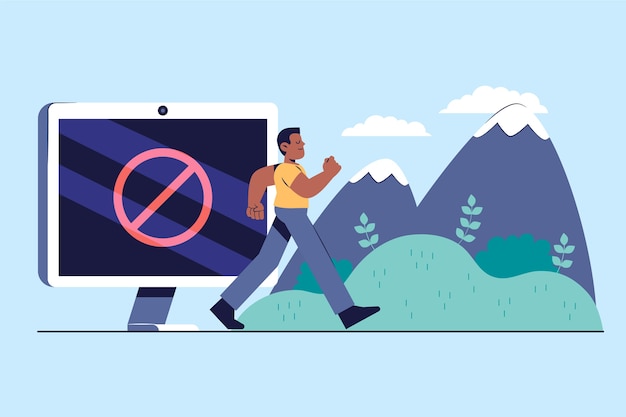
Many people in 2026 spend over 6 hours a day online. Too much scrolling—especially on social media—can cause anxiety, low self-esteem, and fear of missing out (FOMO).
What to do:
-
Unfollow accounts that make you feel bad about yourself
-
Turn off notifications after 8 PM
-
Use your phone to learn, laugh, or relax—not compare
Fact: Reducing screen time to under 3 hours a day has been shown to improve mood and reduce depression in young adults (Lancet Digital Health, 2024).
7. Set Small Goals and Celebrate Them

Small wins create big confidence. When you achieve something simple, your brain feels proud and motivated to keep going.
Examples:
-
Make your bed in the morning
-
Drink 8 glasses of water today
-
Write down one thing you’re thankful for
-
Clean one corner of your room
Fact: People who track and celebrate daily goals are 42% more likely to meet long-term emotional wellness goals (University College London, 2023 study).
Where To Get Real Help, Free, In The UK
Before any of the self-help above, it is worth knowing what is available at no cost. In England you can refer yourself to NHS Talking Therapies without seeing a GP first, for anxiety, depression, phobias, OCD, PTSD and several other conditions, provided you are registered with a GP. Some conditions, including eating disorders and bipolar disorder, go through a GP instead. Scotland, Wales and Northern Ireland run equivalent services through their own health boards. None of it costs anything, and the waiting list starts moving from the day you refer yourself rather than the day you first think about it.
If Things Are Bad Right Now
This matters more than any technique on this page. If you are struggling to cope or thinking about harming yourself, Samaritans is free, confidential and open every hour of every day on 116 123, and the call does not appear on a phone bill. If speaking aloud feels impossible, the Shout crisis text line is reached by texting SHOUT to 85258. In England, NHS 111 has a dedicated mental health option that connects you to local crisis support. And if someone’s life is in immediate danger, that is 999. None of these require a diagnosis, a referral or an explanation to get started.
Why Sleep Is The Foundation, Not A Tip
Of everything on a list like this, sleep does the most work, and it is usually treated as one item among seven rather than the thing the others depend on. Poor sleep amplifies low mood, reduces the capacity to regulate emotion and makes ordinary problems feel unmanageable, and the relationship runs in both directions, which is how the cycle forms. The changes with the best evidence behind them are unglamorous: a consistent wake time seven days a week, daylight early in the day, and using the bed for sleep rather than as a second sofa. If you fix one thing, fix this.
Movement Works, And The Dose Is Smaller Than You Think
Physical activity has a genuine, repeatedly measured effect on mood, and the barrier for most people is the assumption that it has to be substantial. It does not. A brisk walk of twenty or thirty minutes, ideally outdoors and in daylight, is enough to shift how a day feels, and consistency matters more than intensity. Daylight is doing part of the work, which is why the same walk indoors on a treadmill is good but not quite the same. In a British winter, getting outside before the light goes is worth treating as an appointment rather than an intention.
Naming The Feeling Actually Helps
There is a reason therapists ask people to be specific about what they feel. Putting a precise word to an emotion, frustrated rather than bad, apprehensive rather than stressed, measurably reduces its intensity, and the research on this is unusually consistent. It works because naming something moves it from a vague physical state into something with edges that can be examined. Writing three lines at the end of the day about what happened and what you felt is a low-effort version of the same mechanism, and it is the part of journaling that does the work.
Social Contact Is A Health Behaviour
Loneliness is not simply unpleasant; it behaves like a risk factor, with effects on physical health comparable to well-known ones. That reframes the advice to talk to people from something soft into something practical. What the evidence supports is regular, low-intensity contact rather than occasional deep conversation: a standing weekly call, a walk with the same person, a class or club that meets on a fixed day. The regularity is what does it, because it removes the need to decide each time, which is precisely the decision that low mood makes hardest.
What To Be Careful With Online
Two cautions belong in any article of this kind. Wellbeing content online is largely unregulated, and confident advice about mental health frequently comes from people with no relevant training and something to sell. Check who is speaking and what they gain. Second, self-diagnosis through short-form video is now extremely common and frequently wrong, because the same symptom belongs to many different conditions and the distinction is the entire point of an assessment. Reading about something that resonates is a good reason to speak to a professional, not a substitute for it.
When Self-Help Is Not Enough
Everything on this page is for ordinary low mood, stress and the normal difficulty of a hard period, and it is genuinely useful for that. It is not treatment. The signs that something more is needed are reasonably clear: symptoms lasting more than two weeks, difficulty functioning at work or at home, losing interest in things that previously mattered, changes in appetite or sleep that persist, or any thought of harming yourself. At that point the right move is the first section of this article rather than the seven tips above it, and asking for help early makes it considerably easier to treat.
For small daily practices that support this, see our guide to habits to improve mental health.
Final Thoughts
You don’t have to fix everything at once. If you want to improve emotional well-being, start with one or two small changes. Be patient with yourself. Your feelings are important, and it’s okay to take time to feel better.
What works for others may not work for you—and that’s okay. Keep trying. You deserve peace and happiness.
FAQs About How to Improve Emotional Well-being
Q1: What does emotional well-being mean?
It means feeling good inside. You feel calm, safe, and can deal with life’s problems better.
Q2: Why is it important?
It helps you sleep well, enjoy life, stay focused, and be kind to yourself and others.
Q3: How can I improve emotional well-being at home?
Try breathing, moving, sleeping well, writing your feelings, or talking to people you trust.
Q4: What if I feel sad all the time?
Take small breaks, talk to a loved one, or see a mental health professional. Help is always available.
Q5: Can psychic readings really help emotions?
Some people say yes. Psychic readings can offer comfort, hope, or a new view of a situation. It’s a personal choice.