
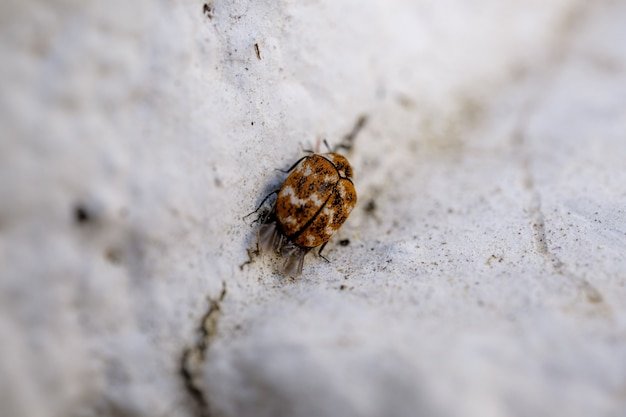
Bed bugs are small but serious household pests. In 2026, they continue to spread quickly through homes, flats, hotels, and even workplaces. They’re hard to see, bite while you sleep, and can multiply fast. If you’re looking for the best way to get rid of bed bugs fast, this guide covers clear steps you can take at home, and when to call for expert help.
How to Identify Bed Bugs Quickly

Before you can treat bed bugs, it’s important to know you actually have them. Bed bugs are tiny—about the size of an apple seed—and hide in cracks, mattresses, and furniture. They usually feed at night.
Signs of a Bed Bug Problem:
-
Small red bites, often in a line or group on your skin
-
Blood stains or black dots on bedsheets or pillowcases
-
Shed skins or live bugs in mattress seams, corners, or furniture cracks
-
A musty, sweet smell if the infestation is large
One female bed bug can lay up to 500 eggs, so quick action is critical to avoid a widespread problem.
Quick Actions to Take at Home

If you spot any of the signs above, act immediately to reduce the infestation before it spreads further.
Steps to Follow:
-
Wash Bedding in Hot Water: Use a temperature of 60°C (140°F) or higher. Dry items on the hottest setting for at least 30 minutes.
-
Vacuum All Areas: Focus on the mattress, bed frame, rugs, baseboards, furniture, and corners. Dispose of vacuum contents in a sealed plastic bag.
-
Declutter: Remove cardboard boxes, piles of clothes, and stored items near beds and sofas.
-
Use Mattress Encasements: Trap bugs inside your mattress and prevent new ones from hiding there.
-
Seal Cracks and Crevices: Block small hiding places using caulk or sealant.
-
Regular cleaning with effective household cleaning products can help prevent bed bug infestations from recurring.
DIY Bed Bug Treatments to Try

Homeowners sometimes turn to do-it-yourself treatments, especially when the infestation seems minor. These may not work for deep infestations, but they can help manage the problem temporarily.
Common DIY Options:
-
Steam Cleaning: Steam over 120°F kills bed bugs on contact. Use on beds, couches, and baseboards.
-
Diatomaceous Earth: A safe, natural powder that dries out and kills bugs. Apply in wall corners, under beds, and along baseboards.
-
Rubbing Alcohol Sprays: These can kill bugs directly but are flammable and ineffective on hidden eggs.
-
Bed Bug Interceptor Traps: Placed under furniture legs, they trap bugs as they move, helping with both monitoring and control.
-
Be cautious with DIY treatments; learn about the dangers of certain household chemicals before using strong sprays or powders indoors.
Note: These methods may reduce the problem but often can’t remove all bugs or eggs hidden deep inside walls or furniture.
Professional Treatment: The Fastest Way to Get Rid of Bed Bugs

For serious or recurring infestations, calling pest control professionals is usually the best and fastest solution. In 2026, pest control companies use advanced tools that work better than DIY methods.
What Professionals Use Today:
-
Whole-Room Heat Treatment: Rooms are heated to 135–145°F for several hours to kill bugs and eggs in all stages of life.
-
Targeted Chemical Applications: Professionals use low-toxicity insecticides inside walls, baseboards, and furniture joints where bugs hide.
-
K9 Detection: Special dogs can sniff out hidden bugs behind wallpaper, inside outlets, or under carpets.
-
Follow-Up Visits: Experts often return after initial treatment to ensure all bugs are gone.
If home methods aren’t enough, expert services like Dyno-Pest provide full inspections and up-to-date treatment methods, according to leading pest control practices.
How to Prevent Bed Bugs from Coming Back

After treatment, you’ll want to avoid a second infestation. Here are some practical tips that work in both homes and rental properties:
Prevention Checklist:
-
Don’t bring in secondhand furniture without inspecting it first.
-
Vacuum regularly, including under and around beds, sofas, and baseboards.
-
Seal gaps and cracks in walls and floors.
-
When traveling, check hotel beds and keep luggage off the floor.
-
Wash all travel clothing in hot water after returning home.
-
Use bed bug traps or monitors near bed legs for early warning signs.
Prevention is key to long-term protection, especially in multi-unit buildings or high-travel households.
Tips for Renters, Landlords, and Airbnb Hosts

For Renters:
-
Report signs of bed bugs to your landlord immediately.
-
Ask for written confirmation of pest control services.
-
Document signs and keep records of communication.
For Property Owners & Hosts:
-
Educate cleaners and guests on early warning signs.
-
Use mattress protectors in all bedrooms.
-
Schedule regular pest inspections, especially in furnished units.
-
For thorough disinfection, consider hiring professional cleaning services in London to support pest control measures.
Bed Bug Or Something Else
Several insects are mistaken for bed bugs, including carpet beetles, fleas and booklice, and the treatment differs. Bed bugs are flat, reddish-brown insects around the size of an apple pip, and the most reliable signs are small dark spots on mattress seams and bed frames, shed skins, and bites in lines or clusters that appear overnight. Photographing a specimen and asking a pest controller to identify it avoids wasting money on the wrong treatment.
Why DIY Foggers Usually Fail
Bed bugs hide deep in seams, joints, skirting boards and electrical fittings, where sprays and bug bombs often do not reach, and some populations are resistant to common insecticides. Foggers can also scatter bugs into other rooms. Heat treatment, careful professional insecticide application and repeat visits are usually needed. Washing bedding at 60°C and tumble drying on high heat kills bed bugs in fabrics and is a useful step alongside treatment.
Council Pest Control And Who Pays
Many local councils in the UK offer pest control services, sometimes at reduced cost for people on certain benefits, while others refer residents to private firms. In rented homes, responsibility depends on the tenancy and the cause: landlords are generally responsible for keeping the property free of infestations that make it unfit to live in, particularly at the start of a tenancy, while tenants must report problems promptly. Report in writing and keep records.
Preventing Bed Bugs When Travelling
Hotels and holiday lets are a common source of bed bugs. On arrival, check mattress seams and the headboard, keep luggage on a rack or in the bathroom rather than on the bed, and inspect bags before bringing them into your home. On returning, wash and tumble dry clothes on high heat. For more on staying safe on holiday, see our guide to cheap holiday ideas.
Buying Second-Hand Furniture Safely
Second-hand beds, sofas and upholstered furniture can bring bed bugs into a home. Inspect seams, joints and underneath carefully before buying, avoid items left on the street, and consider steam cleaning or professional treatment for upholstered pieces. For more on buying furniture, see our guide to furniture for small living rooms.
Conclusion
Getting rid of bed bugs fast in 2026 requires quick action, careful cleaning, and the right tools. Start with home solutions like washing bedding in hot water, vacuuming regularly, and sealing hiding spots. DIY treatments may offer short-term relief, but they often can’t reach eggs or bugs hidden deep inside walls or furniture.
For long-lasting results, professional pest control is often the most reliable solution. These services use heat treatments, targeted chemicals, and modern tools to fully remove infestations. After treatment, regular cleaning and smart prevention steps—especially during travel or secondhand purchases—can help keep your home free from future problems.
Whether you’re dealing with a few bites or a widespread issue, acting quickly and choosing the right approach can save time, money, and stress.
Frequently Asked Questions (FAQs)
Q1. What kills bed bugs instantly?
A: High heat (above 120°F) kills bed bugs immediately. Use steamers or high-heat dryers on clothes, sheets, and mattresses.
Q2. Can I get rid of bed bugs in one day?
A: DIY methods usually take time. Professional heat treatments can eliminate bed bugs in a single session, but follow-up checks are often needed.
Q3. What’s the fastest permanent solution for bed bugs?
A: A licensed pest control company offering heat or combined treatments is the most reliable way to eliminate bed bugs permanently.
Q4. Do sprays and powders work alone?
A: Not always. While they may kill bugs on contact, they usually miss eggs or hidden bugs. Use them as a support tool, not a full solution.
Q5. Can bed bugs return after treatment?
A: Yes, if eggs are left behind or if new bugs are brought in through luggage, furniture, or clothing. Prevention is important after treatment.
Q6. Where do bed bugs hide other than beds?
A: Bed bugs can live in couches, behind wall hangings, inside electrical outlets, under floorboards, and in cracks near beds.
Q7. How can I check for bed bugs while traveling?
A: Pull back hotel sheets and inspect mattress seams for dark spots or bugs. Keep luggage on a stand and wash clothes when you return.