
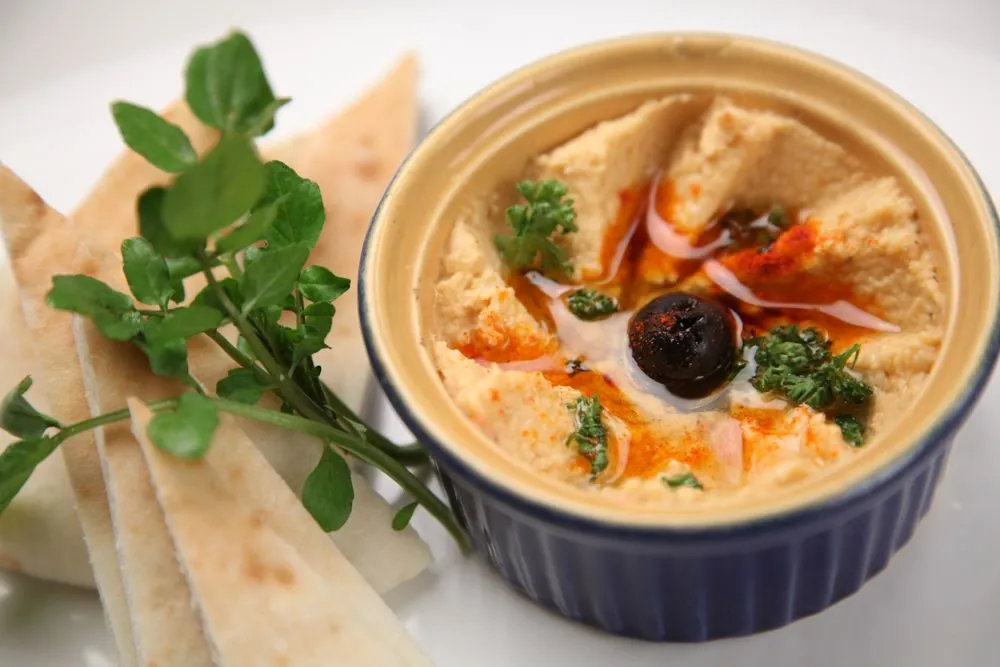
A creamy avocado, garlic and lemon sauce in about five minutes — with the quantities this page was previously missing, and an honest look at how it compares with mayonnaise.
It is quick, it is egg-free, and it is vegan as written. The one finding worth knowing before you start: roughly two-thirds of the calories in this sauce come from the olive oil, not the avocado — so the oil is the dial to turn if you want it lighter.
Last updated: 26 October 2026.
At a glance
- Makes: about 240g — 2–4 servings
- Time: 5 minutes, no cooking
- Egg? None — so no raw-egg question here
- Vegan? Yes, as written
- Keeps: 24 hours, cling film pressed to the surface
- Freeze? No — thaws watery
- vs mayo: ~55% fewer calories, still rich
What this article covers
Ingredients, With Quantities
| Ingredient | Amount | Notes |
|---|---|---|
| Ripe avocado | 1 large (about 150g of flesh) | This is the one thing that must be right. Slightly soft to a gentle press, smooth green flesh inside |
| Garlic | 1 small clove, crushed | Raw garlic grows stronger in the fridge — start with one |
| Lemon juice | 2 tbsp (30ml), fresh | Does two jobs: brightens it, and slows the browning |
| Extra virgin olive oil | 4 tbsp (60ml) | Add it slowly. A strong peppery oil can turn bitter when blended hard |
| Fine salt | ¼ tsp, then to taste | Season at the end, once the oil is in |
| Cold water | 1–2 tbsp, optional | Only to loosen it for a dressing |
Quantities for one large avocado. Adjust by taste afterwards — but start from a measured base.
Method
- Halve the avocado, remove the stone and scoop the flesh into a blender, small food processor or a deep jug if you are using a stick blender.
- Add the garlic and lemon juice and blend to a smooth paste. Do this before the oil goes anywhere near it — the acid needs to coat the avocado early.
- With the motor running, drizzle in the olive oil slowly. Rushing it is what makes a greasy sauce rather than a creamy one.
- Season with the salt, blend briefly, then taste. Nine times out of ten what it wants next is more lemon, not more salt.
- Loosen with 1–2 tbsp cold water if you want it thin enough to pour as a dressing. Use water, not extra oil.
- Serve, or press cling film flat onto the surface, seal and refrigerate. Use within 24 hours.
Picking the Avocado
This matters more than anything you do afterwards. No amount of blending rescues an underripe avocado.
- It should give slightly to a gentle press in the palm of your hand — not your thumb, which bruises it.
- Inside, smooth and green. Large brown patches or a stringy texture mean a grainy sauce.
- Firm but close? Leave it out for a day or two. Room temperature ripens it; the fridge stalls it.
- Hollow-feeling or dented means overripe, and overripe avocado tastes faintly of nothing.
- One large avocado gives about 150g of flesh, which is what the quantities above assume.
- A grainy result is not a technique failure. It is a sign the fruit was not ready — which is the single most useful thing to know about this recipe.
How It Compares With Mayonnaise
The old version of this page said the sauce “is not low-calorie, and it does not try to be”, then left it there. Here are the actual numbers.
Calculated from USDA FoodData Central values for the quantities in this recipe (avocado, raw, all commercial varieties: 160 kcal; mayonnaise, regular: 680 kcal; olive oil: 884 kcal per 100g). UK readers can cross-check against CoFID.
| Per 100g | Calories | Fat | Per tbsp (15g) |
|---|---|---|---|
| This avocado aioli | ~308 kcal | ~32g | ~46 kcal |
| Mayonnaise, regular | 680 kcal | 74.8g | ~102 kcal |
| Avocado, raw, on its own | 160 kcal | 14.66g | ~24 kcal |
| Olive oil | 884 kcal | 100g | ~133 kcal |
Aioli figures calculated from USDA FoodData Central values for the quantities above; the rest are USDA entries as published. These are calculated estimates, not a laboratory analysis.
Roughly 55% fewer calories than mayonnaise, and about 57% less fat. That is a real difference. It is also still a rich sauce at around 46 kcal a tablespoon, so “healthier” is doing a lot of work in most headlines.
Calculated from USDA FoodData Central values for the quantities in this recipe. Total about 738 kcal for roughly 240g of sauce.
This is the part no other page on the subject seems to mention. The avocado gets the billing, but the 4 tbsp of olive oil contributes about two-thirds of the calories. So if you want a lighter sauce, halve the oil and loosen it with cold water instead. Cutting the avocado would just take away the thing giving it body.
Egg, Aioli and the FSA Position
There is no egg in this recipe, so there is no raw-egg risk to manage. The avocado provides the fat and the structure that yolk would normally provide. This page previously carried a raw-egg safety section on a recipe containing no egg, which was more likely to worry readers than help them. The guidance below matters only if you make traditional aioli.
Traditional aioli is not this. The Provencal and Catalan original is an emulsion of garlic and oil, pounded in a mortar, sometimes stabilised with egg yolk. If you make that version with raw yolk, the UK position is clear:
- UK eggs carrying the British Lion mark, or produced under the Laid in Britain assurance scheme, can be eaten raw or lightly cooked — including by young children, older people and those who are pregnant.
- The FSA confirmed in August 2026 that this advice has not changed.
- It does not apply to people who are severely immunocompromised and on medically supervised diets. The old version of this page left that exclusion out entirely.
- It also left out the Laid in Britain scheme, naming only British Lion.
- If you cannot tell whether the eggs are assured — eating out, for example — vulnerable groups should have eggs thoroughly cooked.
- Pasteurised egg is the straightforward alternative for anyone who would rather not weigh any of this up.
Storage and Browning
- 24 hours in the fridge. Not “a day or two” — this page said both, and 24 hours is the right answer for cut avocado.
- Press cling film flat onto the surface of the sauce before you put the lid on. This is what actually works, because the problem is air touching the sauce.
- Browning is oxidation, not spoilage. A darkened surface is a colour change; scrape it off if you object to it.
- Lemon juice slows it, which is why there are 2 tbsp in the recipe rather than a token squeeze.
- Do not freeze it. It thaws watery and separated, and no amount of whisking brings it back.
- Chill it promptly, in line with Food Standards Agency chilling guidance. Keeping it in a proper airtight tub helps — see our notes on food storage containers.
Troubleshooting
| Problem | Cause | What to do |
|---|---|---|
| Grainy or stringy | The avocado was underripe, or past it | No technique fixes this. Leave firm avocados out at room temperature for a day or two before trying again |
| Harsh, hot garlic taste | Too much raw garlic, or it has sat in the fridge | Use one small clove. Raw garlic sharpens over several hours, so season for how you will eat it |
| Flat and dull | Not enough acid or salt | Lemon juice first, then salt. Acid usually turns out to be the missing thing |
| Greasy rather than creamy | Too much oil, or added too fast | Drizzle it in with the blender running. If it has split, blend in a little more avocado |
| Bitter | A strong peppery olive oil over-blended | Blend the oil in briefly, or use a milder oil |
| Too thick to spread | Normal — avocados vary | Loosen with 1–2 tbsp cold water, not more oil |
Common faults with a blended avocado sauce.
For more things to make it for, see our quick British lunch recipes, one-pan weeknight dinners, easy plant-based British recipes and this vegetable lo mein. For pudding afterwards there is our chocolate chess pie, and for ingredient reading, foods that start with K and foods beginning with V.
Corrections Made to This Page
| What it said | Why it changed |
|---|---|
| No quantities anywhere in the recipe | “A squeeze of lemon juice”, “drizzle in olive oil until creamy”. Full amounts added |
| A heading arguing measurements did not matter (“Texture Over Measurements”) | A rationalisation for not writing them. A recipe gives amounts and says how to adjust |
| A “Raw Egg And Food Safety” section | The recipe contains no egg, as the page itself said two paragraphs in. Reframed as guidance for traditional aioli |
| FSA advice naming only the British Lion mark | Incomplete. The advice also covers the Laid in Britain scheme |
| No mention of who the egg advice excludes | It does not apply to the severely immunocompromised. That omission mattered |
| “Dairy-Free And Vegan Versions” | The base recipe is already vegan — no egg, no dairy. The section implied otherwise |
| “Within 24 hours” vs “within a day or two” | Direct contradiction. Resolved to 24 hours |
| “Cilantro” | US term. In the UK it is coriander |
| “flavor”, “color”, “recognize”, “oxidizes” | US spellings on a UK site |
| “It is not low-calorie”, and nothing further | Replaced with the actual figures and the finding that the oil, not the avocado, drives them |
| No Recipe structured data | A recipe page had none. Recipe and FAQ JSON-LD added |
All corrections made on 26 October 2026. This page contained no images and no images were removed; properly licensed images still need adding.
Frequently Asked Questions
Why did this page have no quantities before?
It gave none — “a squeeze of lemon juice”, “drizzle in olive oil until creamy” — and argued under a heading called “Texture Over Measurements” that amounts did not much matter. Full quantities are now given, along with how to adjust them, which is the honest version of that point.
Does this recipe contain raw egg?
No. There is no egg in it at all. The avocado supplies both the fat and the body, which is the whole idea. This page previously carried a raw-egg safety section that had nothing to do with its own recipe.
So what is the FSA advice on raw egg in traditional aioli?
Relevant only if you make the classic version with raw yolk. The FSA confirmed in August 2026 that its advice is unchanged: UK eggs with the British Lion mark or produced under the Laid in Britain scheme are safe to eat raw or lightly cooked, including by young children, older people and those who are pregnant. It does not apply to people who are severely immunocompromised and on medically supervised diets. And if you cannot tell whether the eggs are assured — eating out, for instance — vulnerable groups should have them thoroughly cooked.
Is this recipe vegan?
Yes, as written. No egg, no dairy. The old page offered a “vegan version”, which wrongly implied the base recipe was not. Aquafaba — the liquid from a tin of chickpeas — is worth a tablespoon if you want it fluffier, but it is an addition, not a substitution.
Is it actually healthier than mayonnaise?
Lower in calories and fat, yes — but it is still a rich sauce. Worked out from USDA FoodData Central figures, this recipe comes to about 308 kcal and 32g of fat per 100g, against 680 kcal and 74.8g for regular mayonnaise. Roughly 55% fewer calories, not a free pass.
Which ingredient is actually driving the calories?
The olive oil, not the avocado. About two-thirds of the calories in this sauce come from the 4 tbsp of oil. If you want it lighter, cut the oil and loosen with water — reducing the avocado would just remove the thing holding it together.
Can I make it without a blender?
Yes — a fork and a bowl. Mash the avocado thoroughly first, then beat in the lemon and garlic, then the oil a little at a time. It will be slightly coarser, which is no bad thing as a sandwich spread.
Why does it go brown, and how do I stop it?
Oxidation — it is a colour change, not spoilage. Lemon juice slows it, and the thing that actually works is pressing cling film flat onto the surface of the sauce so no air touches it. Air at the surface is the problem, not air in the tub.
How long does it keep?
24 hours in the fridge, covered as above. The old page said both “within 24 hours” and “within a day or two”; 24 hours is the right answer for cut avocado, on both quality and chilled storage grounds. Do not freeze it — it thaws watery and split.
Is this really aioli?
Strictly, no — and that is worth knowing. Traditional Provencal and Catalan aioli is an emulsion of garlic and oil, pounded, sometimes with yolk. This is an avocado sauce with garlic and lemon in it, which is a different thing wearing a borrowed name. It is still very good.
Coriander or cilantro?
In the UK it is coriander — the leaf and the seed share the name here, while American recipes call the leaf cilantro. This page used the US word, which has been corrected.
What should I put it on?
Best as a supporting player. Burgers and sandwiches in place of mayo, a dip for roast potatoes or chips, a sauce for fish tacos, a dressing for a grain bowl once loosened with water. It suits grilled chicken and white fish particularly well, where a heavier sauce would bury them.
Final Thoughts
Get the avocado right and the rest is five minutes. Blend the garlic and lemon in first, add the oil slowly, season at the end, and taste before you reach for the salt — it is usually more lemon that it wants.
And know what you are making. It is lighter than mayonnaise by a real margin, it is vegan without doing anything, and the oil is where the calories live. None of that makes it a health food, but all of it makes it a better sauce than the jar. More from The UK Post.
Sources
- Food Standards Agency — Food Fact Check: can you get salmonella from eggs? (21 August 2026)
- Food Standards Agency — chilling and storing food safely
- USDA FoodData Central — nutrient values for avocado, mayonnaise and olive oil
- GOV.UK — Composition of Foods Integrated Dataset (CoFID), the UK equivalent
- Coriander — the UK name for what American recipes call cilantro
Disclaimer
Nutrition figures here are calculated from published USDA values for the quantities given, not a laboratory analysis, and will vary with the size of your avocado and how much oil you use. This recipe contains no egg. Egg guidance is included only because traditional aioli can contain raw yolk, and is summarised from the Food Standards Agency — check the FSA’s own page if you are pregnant, feeding young children, or immunocompromised. Nothing here is medical or dietary advice. Information correct as at 26 October 2026.