

China Southern Airlines business class is the deal British premium travellers keep circling: lie-flat suites on modern A350s and 787s from both Heathrow and Gatwick, at fares that can undercut the usual suspects by four figures. It is also an airline where the experience around the seat does not always match the seat. This 2026 guide gives the honest pros and cons, the actual aircraft and cabin details on the London routes, the Cantonese catering trick, the SkyTeam catch, and exactly who should and should not book it.
| London routes 2026 | Heathrow and Gatwick to Guangzhou; A350-900 in peak summer, 787-9 otherwise |
| The seats | A350: Recaro staggered 1-2-1 suites. 787-9: Thompson Vantage XL. All lie-flat, all aisle access |
| Biggest pro | Fares that regularly undercut European rivals by four figures |
| Biggest con | Inconsistent soft product — service, Wi-Fi and lounges vary |
| Alliance | None since leaving SkyTeam in 2019 — check partner benefits per booking |
| Best for | Self-sufficient travellers heading to Asia or Australia on a budget-stretched premium ticket |
Why This Airline Keeps Tempting British Flyers

Image source: pexels.com
The pitch is simple and real: China Southern’s business class fares to Asia and Australia routinely undercut the European flag carriers by margins big enough to fund a week of the actual holiday, and in 2026 the airline serves London from both Heathrow and Gatwick. The catch is equally real: the experience is more uneven than the price suggests, brilliant in the seat, inconsistent around it. This guide lays out both halves honestly, with the 2026 aircraft and cabin details, so you can decide whether the saving is worth the trade-offs for your trip.
The 2026 London Routes

Image source: pexels.com
First, the practical picture. China Southern connects Guangzhou, its mega-hub, with London Heathrow and London Gatwick, and for summer 2026 the airline up-gauged both: schedule trackers recorded the Airbus A350-900 replacing the Boeing 787-9 on Heathrow from late June to the end of August, and on Gatwick from early July to the end of August, with the 787-9 covering the rest of the year. Either way the aircraft is modern, and either way the business cabin is lie-flat with direct aisle access, which is the headline that matters.
The A350 Seat: The One To Chase

Image source: pexels.com
The best version of China Southern business class rides on the A350-900: the Recaro CL6710 in a staggered one-two-one layout, every seat opening straight onto the aisle, with the staggered geometry giving genuine privacy and the throne-style solo seats being the pick of the cabin. Fully flat, well padded, decent storage, and quiet, this is a hard product that stands comparison with far more expensive airlines. If your summer 2026 dates put an A350 on your London flight, you have lucked into the airline at its best.
The 787 Seat: Still Properly Good
Image source: pexels.com
Outside the A350 windows, the London flights typically carry the 787-9’s Thompson Vantage XL, the same seat platform several premium carriers build their business class on. It is a one-two-one, all-aisle-access, fully flat cabin with generous bed width and clever storage, marginally less private than the A350’s stagger, marginally more variable in finish, and still a seat you can sleep eight hours in. The honest summary of the hard product across both types: China Southern’s beds are not the compromise. What surrounds them sometimes is.
Pro: The Price Gap Is Real

Image source: pexels.com
The reason this airline is on your shortlist. Business fares via Guangzhou to Asian and Australian destinations frequently price dramatically below nonstop European and Gulf competition, especially in sales, and the gap often holds even against premium economy on the fancier airlines. Exact numbers move constantly, so this guide deals in the structure rather than quotes: you are trading a one-stop routing and a less polished service culture for a saving that can run to four figures on a return. For many travellers that is simply a good deal.
Pro: Guangzhou Opens Half The Map

Image source: pexels.com
The one-stop is also a network. Guangzhou Baiyun is one of Asia’s great hubs, and China Southern’s connections fan out across China, Southeast Asia, Australia and New Zealand, making the airline a legitimate kangaroo-route alternative from London. Transit at Baiyun has improved markedly with newer terminals and streamlined international transfer, and China’s visa-free transit policies cover stopovers for many nationalities, including British passport holders on qualifying itineraries, always check current rules before booking a deliberate stopover.
Pro: The Catering Surprise
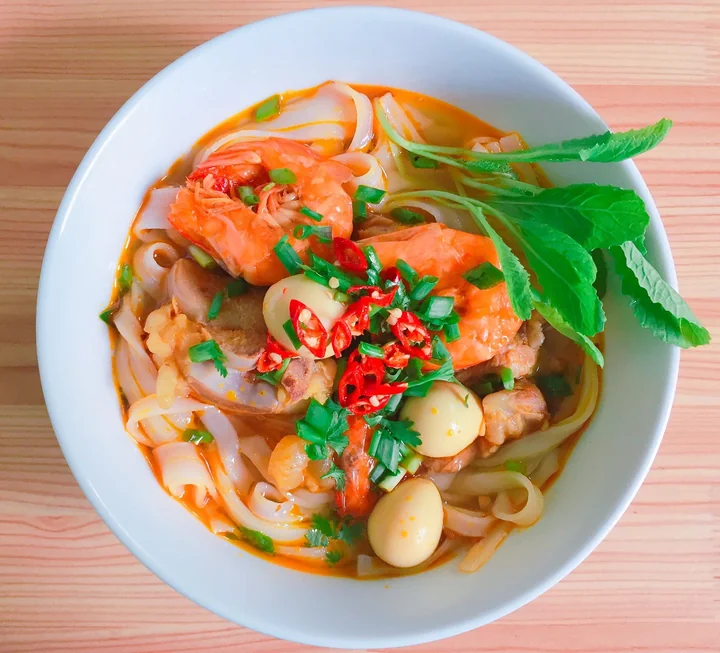
Image source: pexels.com
Food is where low expectations get overturned. Catering out of Guangzhou leans properly Cantonese, congee, dim sum options, braises, soups made by people who mean it, and reviewers consistently rate the Chinese menu choices above the Western ones, which can be ordinary. The trick frequent flyers use: order from the Chinese side of the menu and you eat better than on many European carriers. Western breakfasts and desserts remain the weak spots, and wine service is functional rather than curated, but the kitchen’s home cooking is a genuine pro.
Con: Service Is The Lottery
Image source: pexels.com
Now the honest cons. The soft product is where reviews diverge: crews are consistently polite and diligent, but English proficiency varies, proactive service is rare, and anything off-script, a special request, a connection problem, can hit a wall. The experience runs on procedure rather than intuition, and on a good day that means efficient and kind; on an off day it means being politely unheard. Travellers who fly the airline happily tend to be self-sufficient ones who want the bed and the fare, not the pampering.
Con: Connectivity And The Digital Gap

Image source: pexels.com
Two practical irritations to plan around. In-flight Wi-Fi exists on much of the long-haul fleet but is inconsistent in availability and speed, so treat any connectivity as a bonus rather than a plan, and expect Chinese-app-centric entertainment ecosystems, the seatback libraries are serviceable, with Western film selections thinner than on Gulf carriers. Bring your own downloads and a power bank habit. On the ground in Guangzhou, having offline maps, a translation app and payment sorted (foreign cards now work in the major Chinese wallet apps) smooths everything.
Con: Lounges And The Ground Game

Image source: pexels.com
The ground experience is the weakest link. China Southern’s own lounges in Guangzhou are enormous but functional, think quantity of seating over quality of catering, and outstation lounge access in London uses third-party facilities of varying charm. Since the airline left the SkyTeam alliance in 2019, partner benefits and lounge reciprocity depend on a patchwork of bilateral deals, so status holders should verify what their card actually unlocks on a given itinerary rather than assuming alliance rules apply.
Con: The Points Puzzle

Image source: pexels.com
The frequent flyer angle needs eyes open. Sky Pearl, the airline’s own scheme, is workable but clunky for UK-based flyers, and since the 2019 alliance exit, earning and burning through familiar programmes depends on which partnerships survive at booking time. Some major schemes still partner; terms shift. If miles are a big part of your travel economics, check the current earning table for your programme before ticketing, and treat any points haul as a side benefit rather than a reason to choose the airline.
Who Should Book It

Image source: pexels.com
The verdict organises itself by traveller. Book China Southern business class if you are price-driven, sleep-focused and self-sufficient: the beds are excellent, the fares are the market’s recurring bargain, and Guangzhou opens Asia and Australia efficiently. Look elsewhere if you are buying the full premium theatre, hand-holding service, deep wine lists, seamless English, or if a tight connection through an unfamiliar hub raises your blood pressure. For honeymooners on a budget-stretched itinerary it is a smart hack; for the once-a-decade blowout it may feel like a saving you can taste.
Booking Tips From The Field

Image source: pexels.com
Practical notes to finish. Chase the A350 where schedules allow, the seat is worth it. Price both London airports, Heathrow and Gatwick fares can differ meaningfully for the same cabin. Sales cluster around Chinese booking seasons, so set alerts rather than buying the first quote. Build generous connection time at Guangzhou for the first visit, ninety minutes is tight, three hours is comfortable. And read our companion guide comparing China Southern’s business class against its economy if you are weighing whether the front cabin is worth it on this airline at all, plus our general smart travel hacks for the rest of the trip.
Your Rights On Delayed Flights

Image source: pexels.com
UK air passenger rules cover flights departing from the UK on any airline, including China Southern, so you may be entitled to care, refunds or compensation if a flight from the UK is badly delayed or cancelled. Flights into the UK on non-UK and non-EU airlines are generally not covered, so check the airline’s own policy.
Check Entry Rules Before You Fly

Image source: pexels.com
China has changed its visa and transit rules for British visitors several times in recent years, including visa-free transit options for some passengers connecting through major airports. Always check the latest official guidance from the Chinese embassy and the Foreign, Commonwealth and Development Office before booking.
Travel Insurance

Image source: pexels.com
Take out travel insurance that covers medical treatment abroad, cancellations and missed connections, especially on long-haul trips with connections. For more flight tips, see our guide to flight cancellation rights.
Final Thoughts
Superb beds, bargain fares and a hub that opens half of Asia on one side; lottery-ticket service, patchy Wi-Fi and a post-alliance points puzzle on the other. China Southern business class is a genuinely good deal wearing a few rough edges, and now you know which edges. Chase the A350, order the congee, download your films, and enjoy the four figures you kept.
Disclaimer: Aircraft assignments, routes and cabin products are accurate as of this 2026 update, drawn from schedule tracking and published cabin reviews, but airlines change equipment and policies without notice — verify your specific flight’s aircraft, lounge access and frequent flyer terms before booking. Fare observations describe market patterns, not guaranteed prices.
Frequently Asked Questions
Is China Southern business class worth it?
For price-driven travellers who want a flat bed and big savings to Asia or Australia, yes. For those buying polished five-star service, the inconsistencies may frustrate.
What seats does China Southern have in business class?
On the A350-900, staggered Recaro CL6710 suites in 1-2-1; on the 787-9, the Thompson Vantage XL platform — both fully flat with direct aisle access.
Does China Southern fly business class from London?
Yes, from both Heathrow and Gatwick to Guangzhou, with A350s deployed on both routes for peak summer 2026 and 787-9s otherwise.
Is China Southern in SkyTeam?
No. It left SkyTeam in 2019, so lounge access and mileage earning depend on current bilateral partnerships — check your scheme before booking.
Is the food good in China Southern business class?
The Cantonese dishes out of Guangzhou are genuinely good and the smart order; Western menu options and wine service are more ordinary.
Does China Southern business class have Wi-Fi?
On much of the long-haul fleet, but availability and speed are inconsistent — download entertainment before boarding and treat connectivity as a bonus.