
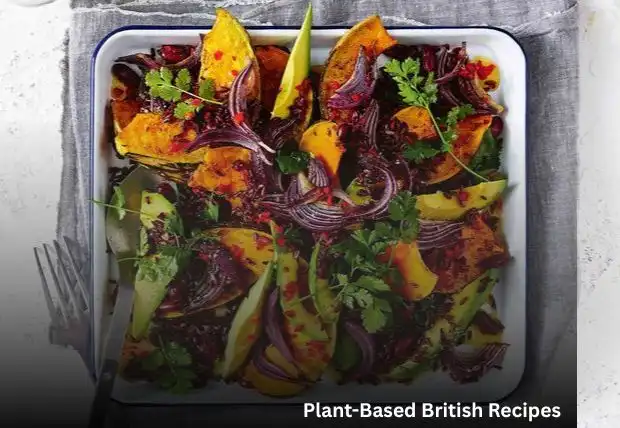
Easy Plant-Based British Recipes Even Meat-Eaters Enjoy
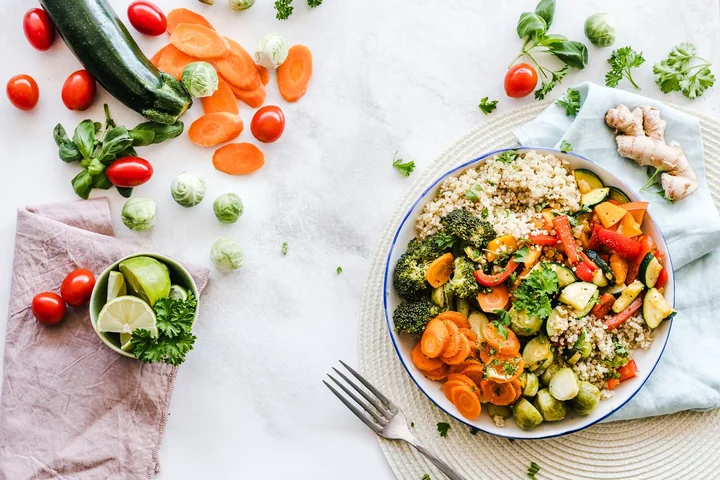
Image source: pexels.com
Plant-based cooking in the UK has changed a lot in recent years. It is no longer just about salads, lentils, or meals that feel like a compromise. Today, plant-based dishes are warm, filling, and comforting. In many cases, they are so satisfying that even committed meat-eaters do not feel like anything is missing.
The key is not trying to replace meat, but focusing on flavour, texture, and familiarity. British comfort food has always been about warmth and balance. When those elements are respected, plant-based meals fit in naturally.
This guide explores easy plant-based British recipes that work for real households, real schedules, and real appetites.
Why Plant-Based Cooking Is Gaining Ground in the UK
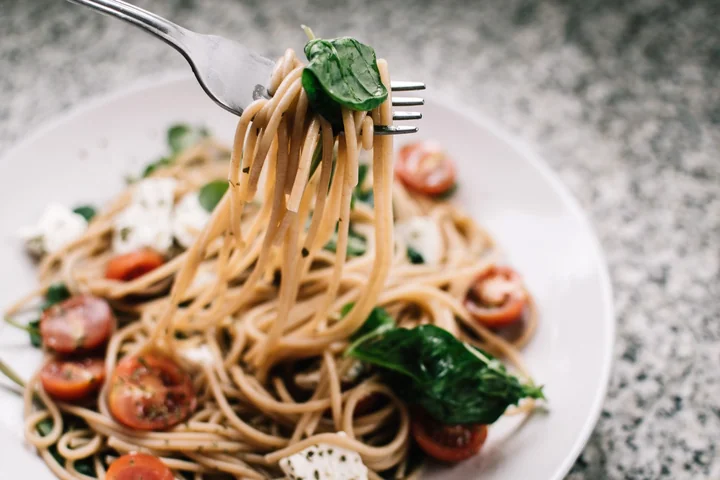
Image source: pexels.com
Across the UK, more people are cooking plant-based meals at home, even if they do not identify as vegetarian or vegan. Some do it for health reasons. Others for budget, sustainability, or simply variety.
What has made the biggest difference is how accessible these meals have become. Ingredients are easier to find, recipes are simpler, and the results feel familiar rather than foreign.
For meat-eaters, the shift often starts with one or two meals a week that just happen to be plant-based.
What Makes a Plant-Based Meal Work for Meat-Eaters
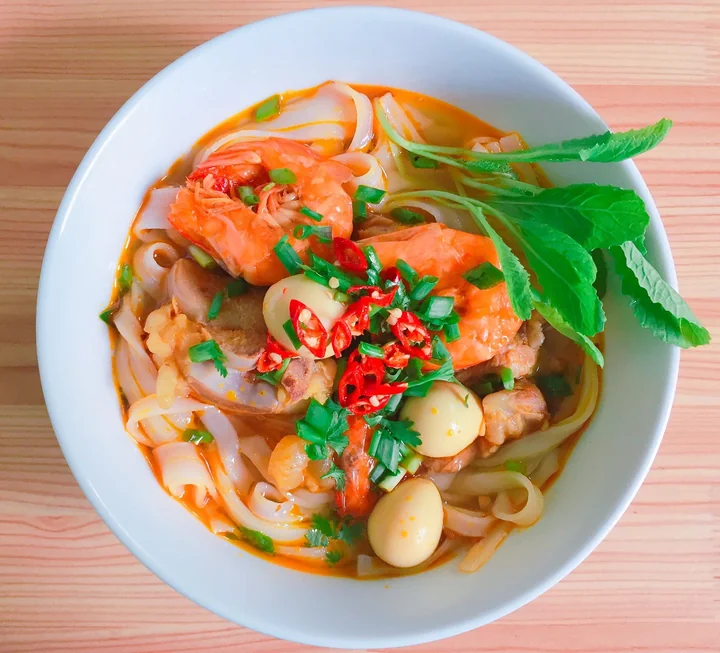
Image source: pexels.com
The biggest mistake with plant-based cooking is focusing too much on what is missing. Successful meals focus on what is there.
To satisfy meat-eaters, plant-based dishes need:
-
Proper seasoning
-
A mix of textures
-
Warmth and richness
-
Familiar formats
Think pies, stews, pasta, noodle dishes, and traybakes. These are formats British households already trust.
Familiar British Dishes With a Plant-Based Twist

Image source: pexels.com
Many classic British meals adapt easily to plant-based versions without losing their appeal.
Vegetable and lentil shepherd’s pie uses the same comforting structure as the original. A thick, savoury filling topped with creamy mash still hits the spot.
Mushroom and onion gravy served over mash or roasted potatoes delivers depth and richness without meat.
Cabbage, carrots, and peas cooked well and seasoned properly can be just as satisfying as any meat-based side.
The goal is not imitation. It is comfort.
Why Noodle and Pan Dishes Win Over Sceptics
Image source: pexels.com
One of the easiest ways to win over meat-eaters is through dishes that already rely heavily on vegetables and sauces.
Vegetable lo mein is a good example. Soft noodles, fresh vegetables, and a savoury soy-based sauce come together quickly and feel deeply comforting. It is warm, filling, and balanced without feeling heavy.
Because the dish relies on seasoning and texture rather than protein, it rarely feels like a “meat-free” meal. It just feels like dinner.
Ingredients That Do the Heavy Lifting
Image source: pexels.com
In plant-based British cooking, certain ingredients carry a lot of flavour.
Onions and garlic form the base of countless meals. Mushrooms add depth and richness. Potatoes, pasta, and noodles provide comfort and substance.
Soy sauce, stock, herbs, and spices help build savoury notes that meat-eaters expect.
These are not specialist ingredients. They are already in most UK kitchens.
Keeping It Simple for Busy Evenings
Image source: pexels.com
Plant-based meals work best when they fit into everyday routines. Long prep times and complicated steps are where enthusiasm drops.
One-pan meals, traybakes, and quick stir-fries make plant-based cooking approachable. They reduce washing up and decision fatigue.
Meals like vegetable lo mein, pan-fried cabbage with potatoes, or tomato pasta can be ready in around 30 minutes. That makes them realistic options, not weekend projects.
Budget and Practical Benefits

Image source: pexels.com
Plant-based meals often cost less than meat-based ones, especially when built around vegetables, grains, and pantry staples.
They also store well. Leftovers reheat easily and remain enjoyable, which is not always true of heavier meat dishes.
For families, this flexibility matters. One base meal can be adapted with extra spice, sauces, or toppings without cooking separate dishes.
Making Plant-Based Meals Feel Normal
The biggest shift happens when plant-based meals stop being labelled as such. When they are just meals, acceptance follows naturally.
Serve them as you would any other dinner. Do not announce them as alternatives or substitutes. Let the food speak for itself.
Most meat-eaters are happy as long as the meal is filling, warm, and tastes good.
Why Meat-Eaters Resist, And How To Get Round It

Image source: pexels.com
Most resistance to plant-based cooking is not about taste, it is about expectation. A plate that looks like it is missing something reads as a lesser meal before anyone has tried it. The fix is to cook dishes that are complete in their own right rather than meat dishes with a hole in them: a lentil cottage pie is a cottage pie, a bean chilli is a chilli. Serving it without announcing it as vegan, and without apology, does more to win people over than any recipe choice.
Umami Is What Meat Was Actually Providing
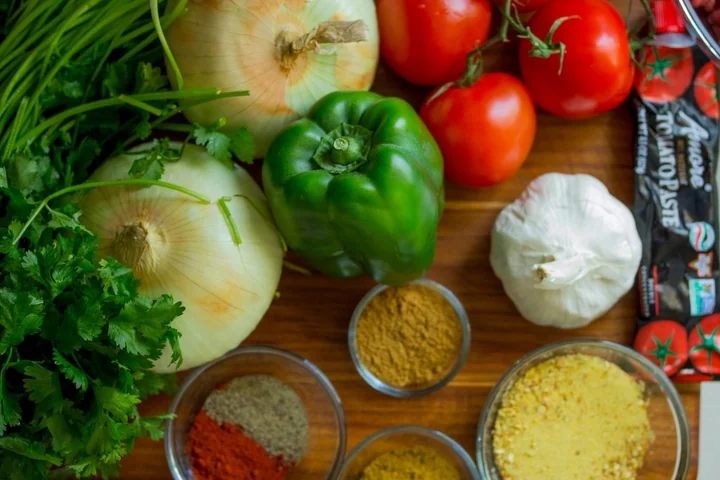
Image source: pexels.com
When people say a vegetarian dish tastes thin, what they usually mean is that it lacks the savoury depth that browned meat supplies. That depth can be built without meat. Soy sauce, Marmite, miso, tomato purée cooked until it darkens, mushrooms browned hard in a hot pan, and a little Worcestershire-style sauce made without anchovies all add it. Most British plant-based classics improve dramatically with one or two of these, and it is the single technique that makes the most difference.
Protein Without Thinking About It
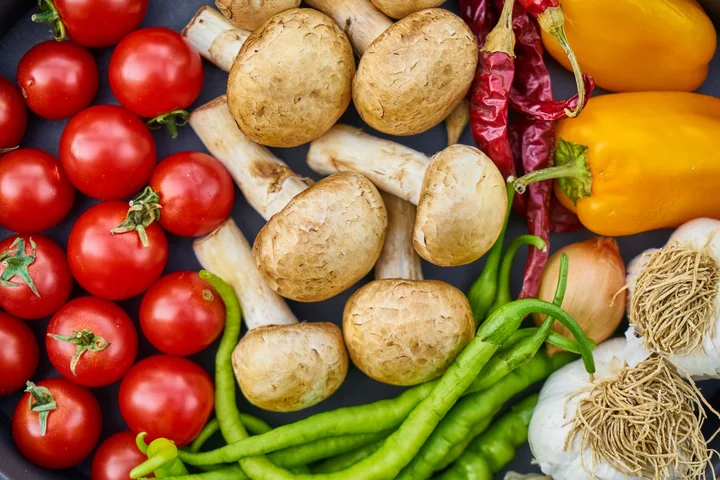
Image source: pexels.com
A common worry is protein, and in ordinary cooking it resolves itself when pulses are at the centre of the dish. Lentils, chickpeas, beans, tofu, tempeh and peas all carry substantial protein, and a meal built around them is not short of it. For a sense of how the plate should balance overall, the NHS Eatwell Guide sets out the proportions, with beans and pulses listed alongside meat and fish as protein sources. Our smoky tempeh recipe is a good place to start if tofu has never won you over.
The Sunday Roast Question
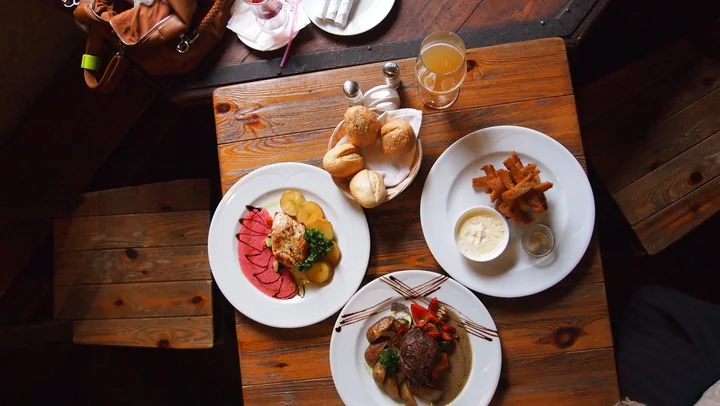
Image source: pexels.com
The roast is the hardest British meal to convert, because the meat is the centrepiece rather than an ingredient. The approaches that work either replace the centrepiece with something that carries equal weight, such as a nut roast, a whole roasted cauliflower or a mushroom Wellington, or accept that the vegetables were always the best part and build the plate around them. Crisp roast potatoes made in oil, proper gravy made from browned onions and vegetable stock, and Yorkshire puddings made with plant milk all work, and they are most of what people love about a roast anyway.
Cheaper Than People Expect
Image source: pexels.com
Plant-based cooking built on pulses, grains and seasonal vegetables is usually cheaper than the meat equivalent, often substantially so. Where it gets expensive is in processed meat substitutes, which are convenient but priced as premium products. The thrifty approach is to use dried or tinned pulses as the base and treat substitutes as an occasional shortcut. A bag of red lentils and a tin of chopped tomatoes are the foundation of a dozen meals, and they keep in the cupboard for months.
Five Swaps That Nobody Notices
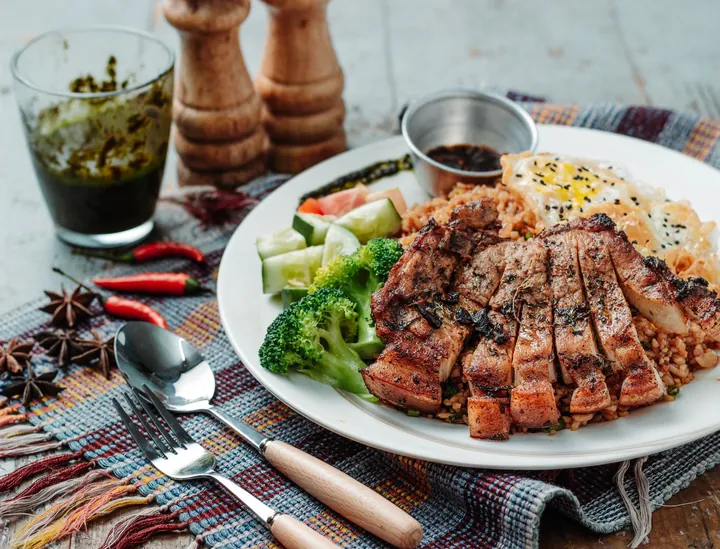
Image source: pexels.com
Some changes pass entirely unremarked at the table. Half the mince in a bolognese or chilli replaced with lentils or finely chopped mushrooms. Butter beans instead of cream to thicken a soup. Oat or soya milk in a white sauce, with a little mustard and nutritional yeast for depth. Smoked paprika in place of bacon in a bean stew. And vegetable stock made properly rather than from a weak cube. Start with the swaps no one notices, and the fully plant-based meals become an easy next step.
Batch Cooking For The Week

Image source: pexels.com
Plant-based dishes suit batch cooking unusually well, because stews, curries, chillies and dals improve after a day in the fridge and freeze without losing texture, which is not true of many meat dishes. Cooking two large pots at the weekend covers most weekday dinners and lunches. Keep the fresh elements separate, herbs, lemon, a crunchy topping, and add them at serving so the reheated meal still tastes new. Cooked pulses keep for several days in the fridge and form the base of quick meals.
More Plant-Based Cooking

Image source: pexels.com
If this has you cooking more without meat, the site has several recipes along the same lines: our vegan peanut butter noodles for a fifteen-minute dinner, our vegan lettuce wraps with tofu for something light, and our guide to lighter versions of traditional British dishes for the classics made easier on the waistline.
Final Thoughts
Easy plant-based British recipes work because they respect what people actually want from food. Comfort, flavour, and ease.
When built around familiar formats and everyday ingredients, these meals fit naturally into UK households. They do not require lifestyle changes or special rules.
Whether you are cooking plant-based once a week or more often, these recipes prove that good food does not need meat to feel complete.
Thank you for reading. I hope this guide makes plant-based cooking feel approachable, practical, and genuinely enjoyable.
My Experience
I focus on practical home cooking that fits everyday UK life. Over time, I have found that plant-based meals succeed when they prioritise comfort and flavour over labels. Simple, familiar dishes always win.
Want a longer list? See our 15 quick and easy vegan dinner recipes.
FAQs
Are plant-based meals filling enough for meat-eaters?
Yes. Meals built with potatoes, pasta, noodles, or grains provide plenty of energy and satisfaction when properly seasoned.
Do plant-based recipes require special ingredients?
Most do not. Many rely on vegetables, pantry staples, and common seasonings already found in UK kitchens.
Can plant-based meals be family friendly?
Absolutely. Familiar formats like pies, pasta, and pan meals make them easy for all ages to enjoy.
Are plant-based meals cheaper to cook at home?
Often yes. Vegetables, grains, and legumes usually cost less than meat, especially for larger households.
How often should plant-based meals be eaten?
There is no rule. Even one or two meals a week can add variety and balance to your diet.