
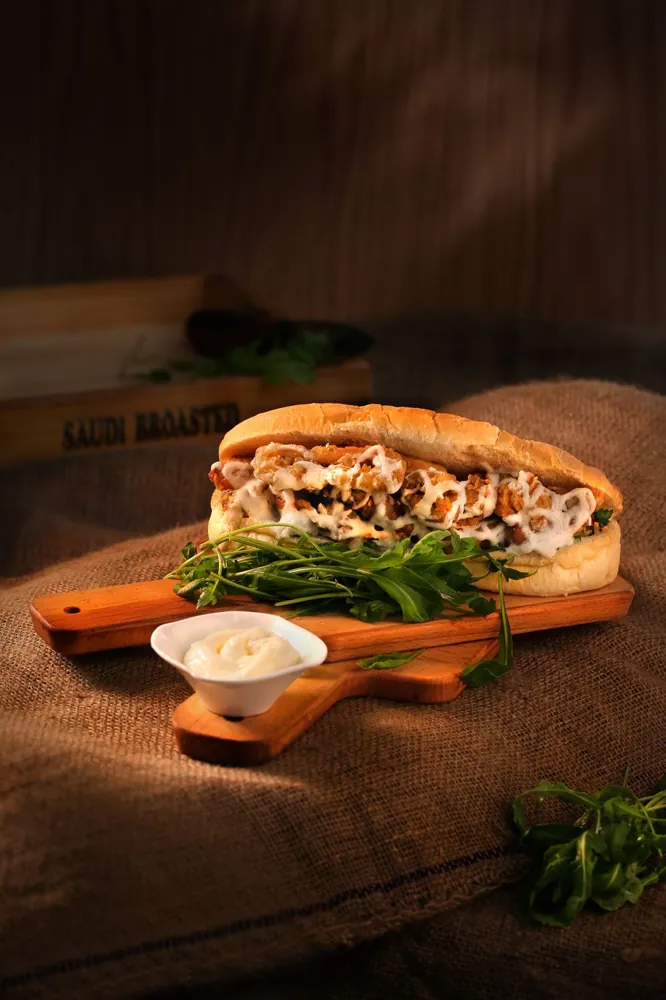
Smoky tempeh is a flavorful plant-based protein made by steaming tempeh, marinating it in smoky, savory ingredients, and cooking it until crisp and satisfying.
Smoky tempeh is one of those dishes that surprises people. If you’ve ever thought tempeh was dry, bitter, or bland, this recipe changes that completely. When it’s prepared with care, tempeh turns into something deeply savory, lightly smoky, and satisfying enough to stand on its own.
This recipe isn’t about copying meat or forcing flavor. It’s about understanding how tempeh works and using simple techniques to bring out its best qualities.
Why Smoky Tempeh Is Worth Making
Tempeh is made from whole fermented soybeans, which gives it a firm texture and a naturally nutty flavor. It’s high in protein, filling, and holds its shape well during cooking. Unlike tofu, tempeh doesn’t fall apart, making it ideal for pan-searing, baking, or air frying.
The key challenge with tempeh is bitterness. Most people who say they don’t like tempeh simply haven’t had it prepared properly. Once that’s fixed, smoky tempeh becomes rich, balanced, and surprisingly comforting.
Ingredients You’ll Need
You don’t need anything complicated to make smoky tempeh taste good. A few well-chosen ingredients do the job.
-
Plain tempeh
-
Soy sauce or tamari
-
Maple syrup or brown sugar
-
Smoked paprika
-
Liquid smoke (optional, use sparingly)
-
Apple cider vinegar or lemon juice
-
Garlic powder
-
Neutral oil for cooking
Each ingredient plays a role. The sweetness softens the smokiness, the acid brightens the flavor, and the salt brings everything together.
The Most Important Step: Preparing the Tempeh
Before marinating, gently steam or simmer the tempeh for about 8–10 minutes. This step is not optional if you want good flavor.
Steaming does two things:
-
It removes the bitter edge that raw tempeh often has
-
It helps the tempeh absorb marinade more evenly
After steaming, let the tempeh cool slightly before slicing. Cutting it too early can cause uneven texture.
Marinade Tips for Better Flavor
Mix your marinade until smooth, then coat the tempeh evenly. Let it sit for at least 30 minutes. If you have time, an hour is even better.
A few helpful tricks:
-
Don’t drown the tempeh in liquid. It should be coated, not swimming.
-
If you’re new to liquid smoke, start with just a few drops. You can always add more next time.
-
Let the tempeh rest at room temperature for better absorption before cooking.
Cooking Methods That Actually Work
Pan-Seared
This method gives the best texture. Cook over medium heat and don’t rush it. Let the tempeh sit until a golden crust forms before flipping.
Oven-Baked
Bake at 200°C (400°F), turning halfway through. This is great for making larger batches and keeps cleanup easy.
Air Fryer
Air fry at 190°C (375°F) for a quick and crisp result. This works especially well if you like a firmer bite.
Each method creates a slightly different texture, but all are reliable if the marinade is done well.
How to Adjust Flavor If Something Feels Off
-
Too bitter: Steam the tempeh longer next time
-
Too smoky: Reduce liquid smoke and rely more on smoked paprika
-
Too dry: Add a little oil or reduce cooking time
-
Too bland: Add a pinch of salt or a splash of acid
Small adjustments make a big difference.
Easy Serving Ideas
Smoky tempeh fits into many meals without effort.
-
Add it to grain bowls with rice or quinoa
-
Use it in wraps or sandwiches
-
Toss it into salads for extra protein
-
Serve it with roasted vegetables
-
Slice thin and use it as a smoky breakfast protein
It’s one of those recipes that works better the more you use it.
Storage and Meal Prep Tips
Cooked smoky tempeh keeps well in the fridge for up to four days. Store it in an airtight container and reheat in a pan to bring back the crisp edges.
It also freezes well. Freeze in portions and reheat directly from frozen for quick meals.
Why Steaming Tempeh First Changes Everything
If you take one thing from this page, take this. Tempeh is made from whole soybeans fermented into a firm cake, and straight from the packet it carries a faint bitterness that puts people off for life. Steaming it for about ten minutes before it touches a marinade does two jobs at once: it mellows that bitterness, and it opens the cake up so it drinks in flavour instead of sitting in it. Skip this step and no amount of smoked paprika will save the dish. Do it, and even tempeh sceptics tend to come round.
Getting The Smoky Flavour Right
Smoky is a flavour you build from more than one direction. The usual backbone is smoked paprika, which brings colour as well as smoke, often supported by a few drops of liquid smoke if you have it, plus soy sauce or tamari for salt and depth, maple syrup or brown sugar for a little caramelisation, and garlic for body. A splash of cider vinegar or lemon keeps the whole thing from tasting flat. If you own a barbecue, finishing marinated slices over charcoal adds the one kind of smoke no bottle can fake.
Slice, Cube Or Crumble
The shape you cut decides the texture you get, and it is worth choosing on purpose. Thin slices give you the crispest edges and work best in sandwiches and wraps. Cubes hold a softer middle and suit bowls and stir-fries. Crumbling the block by hand produces something close to a mince, which is what you want for tacos, ragu or a filling. Thinner cuts also marinate faster, so if you are short on time, slice thin rather than extending the marinating time.
Three Cooking Methods, Compared
Pan-frying in a little oil over medium heat gives the best crust and the most control, and takes roughly three to four minutes a side until the edges are deep brown. Oven-baking around 200C, turning once, is the hands-off option and the easiest way to cook a large batch evenly. An air fryer sits between the two, producing very crisp edges in less time with less oil. Whichever you choose, do not crowd the pan or basket: steam is the enemy of crisp, and a packed tray steams.
The Mistakes That Ruin It
Four things go wrong most often. Marinating without steaming first, which leaves the bitterness in place. Adding a sugary marinade to a screaming hot pan, which burns the sugar before the tempeh cooks. Turning the pieces too often, so no crust forms. And cutting the pieces too thick, which gives you a crisp outside wrapped around a dense, dry middle. Fix those four and the recipe is difficult to get wrong, which is exactly why it is such a good entry point into cooking with tempeh.
Making It Ahead, And Keeping It
This is one of the better batch-cooking recipes, because the flavour improves overnight. Cooked smoky tempeh keeps in an airtight container in the fridge for around three to four days, and reheats best in a dry pan or an air fryer rather than a microwave, which softens the crust you worked for. Marinated but uncooked tempeh also holds in the fridge for a couple of days, so you can prepare it at the weekend and cook portions on demand during the week.
Where To Buy Tempeh In The UK
Availability has improved a great deal. Most large British supermarkets now stock tempeh in the chilled section beside the tofu, health food shops carry it reliably, and Asian grocers often sell it cheaper and in larger blocks. It also freezes well, so it is worth buying more than one when you find it. If you cannot find any locally, firm tofu pressed properly will take the same marinade, though it will never give you tempeh’s nutty bite or its firm, sliceable structure.
Tempeh And Tofu Are Not The Same Thing
People use the words interchangeably and they should not. Tofu is made from curdled soy milk and is smooth, mild and soft. Tempeh is whole soybeans bound together by fermentation, which gives it a firmer, chewier texture and a nuttier taste, and means it holds its shape under heat far better. Because it is fermented and made from whole beans, it is generally treated as the more substantial of the two in cooking terms. If a recipe calls for one, the other is a substitute rather than an equal.
What To Serve It With
Smoky tempeh is a component rather than a whole dinner, and it is happiest with something fresh and something starchy. Rice bowls with pickled vegetables, loaded jacket potatoes, grain salads, tacos with lime and coriander, or simply piled into a sandwich with slaw all work. For more plant-based ideas along the same lines, try our vegan lettuce wraps with tofu and vegetables, and for the fastest possible route to a savoury meal, our creative toast topping recipes cover the same brief in five minutes.
Looking for something to serve it on? Our vegan peanut butter noodles make a fifteen-minute base.
Frequently Asked Questions
Can I make smoky tempeh without liquid smoke?
Yes. Smoked paprika and good browning provide plenty of smoky flavor.
Why does my tempeh taste bitter?
Bitterness usually means the tempeh wasn’t steamed before cooking.
Is smoky tempeh healthy?
Yes. Tempeh is high in protein, fiber, and nutrients, making it a balanced plant-based option.
Can this be used for tempeh bacon?
Yes. Slice thinner and cook until deeply caramelized.
Final Thoughts
Smoky tempeh doesn’t need fancy ingredients or complicated steps. It just needs the right preparation and a little patience. Once you understand how tempeh behaves, it becomes one of the most reliable and satisfying plant-based proteins you can cook.
If you’ve struggled with tempeh before, this recipe is a good place to start—and one you’ll likely come back to.