
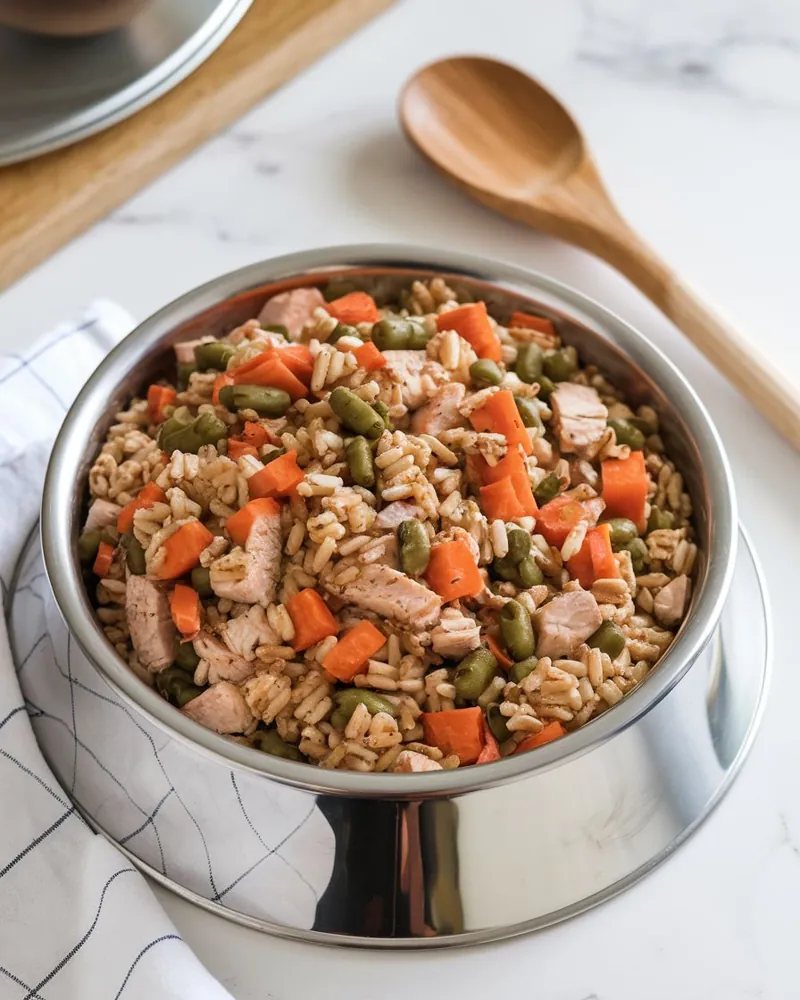
Wainwright’s puppy food is a solid mid-priced choice for most healthy puppies. Its recipes are complete, use a single main protein and are easy to buy at Pets at Home, but its “hypoallergenic” label does not make it a treatment for a diagnosed allergy. The Turkey & Rice and Salmon & Rice dry foods are sensible starting points for most owners.
We have not carried out laboratory or feeding trials. This guide is based on Pets at Home’s published product information and general advice from UK animal health organisations. Always check the current label, because recipes and prices can change.
Quick Verdict
| Question | Our view |
|---|---|
| Is it a complete food? | Yes, the main puppy recipes are sold as complete and balanced |
| Best for | Healthy puppies whose owners want a simple, mid-priced diet |
| Less suitable for | Puppies with diagnosed food allergies or a medical diet from a vet |
| Main strength | Single-protein recipes with clear labelling |
| Main weakness | Added “superfoods” are in small amounts, and some marketing can sound stronger than the evidence |
| Where to buy | Mainly Pets at Home, in store and online |
What Is Wainwright’s?
Wainwright’s is the Pets at Home own-brand range of dog and cat food. Its puppy range covers dry kibble, wet food and training treats, with grain-inclusive and grain-free options. Many recipes are based on one main protein, such as turkey, salmon, lamb or chicken. That can make it easier to see what your puppy is eating and to avoid an ingredient your vet has told you to avoid.
Wainwright’s Dry Puppy Food
Dry food is the most practical option for many households because it stores easily and usually costs less per day than wet food.
The Salmon & Rice recipe is a useful example. Pets at Home lists:
- Salmon 36% (dried salmon 31%, freshly prepared salmon 5%)
- Rice 26%
- Whole grain barley 9%
- Maize protein and rapeseed oil
- Beet pulp 5%
- Whole ground oats 4.5%
- Smaller amounts of dried peas, linseed, dried carrot and seaweed
What That Label Tells You
Ingredients are listed by weight, so salmon being first is a good sign. The split matters too. Dried salmon contains far less water than fresh, so it supplies more concentrated protein by weight. The rice, barley and oats provide energy and fibre. For a dog without a grain allergy, these are ordinary ingredients and not a cause for concern.
Before you buy, check the “analytical constituents” panel for protein, fat, fibre and ash. These figures vary by recipe, so compare the exact bag you intend to buy.
Wainwright’s Wet Puppy Food
Wet food can be more appealing to fussy eaters, and its softer texture may suit very young or small puppies. Pets at Home sells it in cans and trays, including a Turkey with Brown Rice recipe and grain-free turkey trays.
The main drawback is cost. Feeding wet food alone usually costs considerably more than dry food, especially for a medium or large puppy. Many owners use a small amount as a topper on kibble. If you mix the two, reduce both portions so that the total daily amount stays right.
How Much Does It Cost?
Prices below were listed by Pets at Home when we checked in November 2026. They can vary by page, promotion and subscription.
| Product | Size | Listed price |
|---|---|---|
| Puppy Dry, Turkey & Rice | 2kg to 15kg | About £9.49 to £49.99 |
| Grain Free Puppy Dry, Turkey | Various | About £11.49 to £54.99 |
| Puppy Wet, Turkey with Brown Rice | 6 x 395g | About £10.99 |
| Puppy Wet, Turkey with Brown Rice | 12 x 395g | About £16.99 |
| Grain Free Puppy Wet, Turkey | 395g tray | About £1.79 |
The largest bag usually works out cheapest per kilo, but only buy it if your puppy will finish it while it is fresh and before moving to adult food. Subscription prices can also reduce the cost.
Is Wainwright’s Good For Sensitive Stomachs?
It can be a reasonable option for a puppy with mild sensitivity, because a single main protein and simple recipe make it easier to identify what suits them. But hypoallergenic does not mean allergy-proof. It generally means the food is less likely to cause a reaction.
That difference matters. Everyday pet foods may not be made in facilities that prevent all cross-contamination, so a dog with a true food allergy can still react. Vets often use prescription diets and a supervised elimination trial to diagnose a food allergy. If your puppy has ongoing itching, ear problems, vomiting or diarrhoea, speak to your vet before trying a series of different foods.
Should You Choose Grain-Free?
Most puppies do not need it. Which? reports that grain-free food is not healthier than food containing grain for most dogs, and that it is mainly useful for dogs with a grain allergy or intolerance. Veterinary researchers in the US have also been investigating a possible link between some boutique, exotic-ingredient or grain-free diets and a heart condition called dilated cardiomyopathy. The cause has not been established, and most dogs on these diets will not develop it, but it is another reason not to choose grain-free without a clear need.
How To Feed A Puppy
How Often
Puppies have small stomachs, so their daily allowance should be divided into small, regular meals. Many are fed three or four times a day when young, reducing to two as they grow. Use the feeding guide on the pack as a starting point, then adjust for your puppy’s growth and body shape. Your puppy should have a visible waist, and you should be able to feel the ribs without pressing hard.
How To Switch Foods
The PDSA advises changing food slowly over 7 to 14 days to avoid an upset stomach. A simple plan looks like this:
| Days | Old food | New food |
|---|---|---|
| 1 to 3 | 75% | 25% |
| 4 to 6 | 50% | 50% |
| 7 to 9 | 25% | 75% |
| 10 onwards | 0% | 100% |
If your puppy develops loose stools, slow down and stay at the current stage for a few more days.
When To Move To Adult Food
This depends on size. Small breeds often finish growing sooner and may move on at around 7 to 9 months, while larger breeds may stay on puppy food until 12 to 14 months or longer. Check the pack and ask your vet, particularly if you have a large or giant breed.
When To Call The Vet
Young puppies can become unwell quickly. Contact your vet promptly if your puppy has repeated vomiting, persistent diarrhoea, blood in their stools, lethargy or refuses food. Do not wait to see whether a change of diet fixes it.
Check For Recalls
Pet food recalls are uncommon but do happen across the industry. If you are ever concerned about a bag, check the batch code on the packaging against the Food Standards Agency’s alerts and the guidance from UK Pet Food. If your food is listed, stop using it straight away and follow the retailer’s instructions.
Pros And Cons
| Pros | Cons |
|---|---|
| Complete puppy recipes | Mainly available through one retailer |
| Single main protein options | Not a substitute for a veterinary allergy diet |
| Clear ingredient percentages | “Superfood” extras are usually minor |
| Dry, wet and grain-free choices | Wet-only feeding can be costly |
| Mid-range pricing | Protein and fat vary by recipe |
Is Wainwright’s Worth Buying?
For most owners, yes. It offers a straightforward complete diet at a sensible price, and the clear recipes make it easy to choose. If your puppy is healthy and enjoying it, there is little reason to pay more for fashionable ingredients. If your puppy has a medical problem, your vet’s advice should come before any brand.
Want to compare other feeding approaches? Read our guides to Alpha Spirit dog food and home-cooked dog food. For something completely different, see our VMC drinks review.
Frequently Asked Questions
Is Wainwright’s a good puppy food?
It is a good mid-range option for most healthy puppies, with complete recipes and simple single-protein choices.
Is Wainwright’s puppy food hypoallergenic?
Some recipes are marketed that way, but this does not guarantee your puppy will not react. Puppies with a diagnosed allergy need veterinary advice.
Where can I buy Wainwright’s puppy food?
It is sold mainly by Pets at Home, both in store and online.
Does Wainwright’s do grain-free puppy food?
Yes. There are grain-free dry and wet options, but most puppies do not need a grain-free diet.
Can I mix Wainwright’s wet and dry food?
Yes, but reduce both portions so that your puppy does not eat too much overall.
When should my puppy move to adult food?
It depends on breed size. Small breeds may move at around 7 to 9 months, and larger breeds at 12 to 14 months or later.