
The internet is one of the most important inventions in modern history. It connects billions of devices around the world and allows people to share information in seconds. Today, the internet is used for communication, education, shopping, entertainment, banking, and much more.
For UK readers of The UK Post, understanding the internet is useful because it affects almost every part of daily life. Whether you read the latest Prince Harry news, follow political stories such as the Jess Phillips biography, or check travel updates like the TUI jet fuel update, all of this is possible because of the internet.
What Is the Internet?

Image source: pexels.com
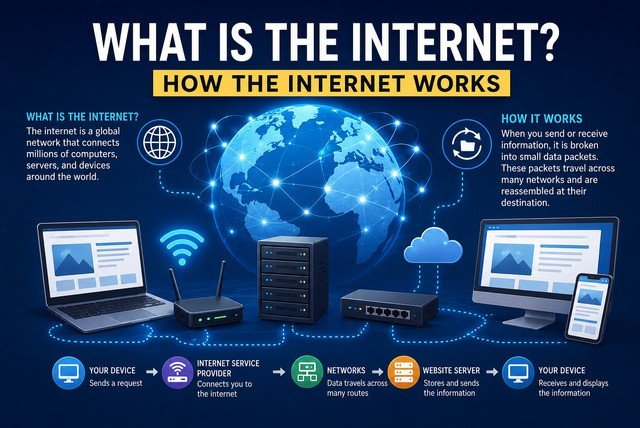
The internet is a global system of connected computer networks. In simple words, it is a huge network that links computers, smartphones, tablets, servers, and smart devices across the world.
This system allows devices to send and receive data using common rules called protocols. These protocols make sure that information reaches the correct destination.
According to TechTarget, the internet is a worldwide network of interconnected computers that communicate using TCP/IP protocols.
Internet Definition in Simple Words

Image source: pexels.com
The internet can be defined as a “network of networks.” This means many smaller networks join together to create one massive global network.
When you open a website, send an email, watch a video, or use social media, your device connects to this worldwide system.
How the Internet Works
The internet works by breaking information into small pieces called packets. These packets travel through different routes and are reassembled when they reach their destination.
For example, when you read the Jamie Vardy biography or explore the latest Forza Horizon 6 release date news, your browser sends a request to a server. The server responds by sending the webpage data back to your device.
Step-by-Step Process of Internet Communication
- You type a website address into your browser.
- DNS converts the website name into an IP address.
- Your browser sends a request to the server.
- The data is split into packets.
- Routers guide the packets across networks.
- The packets arrive and are reassembled.
- The website appears on your screen.
Main Components of the Internet
1. Devices
These include computers, smartphones, tablets, and smart TVs.
2. Servers
Servers store websites, files, and applications.
3. Routers
Routers direct packets to the correct destination.
4. IP Addresses
Every device connected to the internet has a unique address.
5. DNS
DNS translates domain names into IP addresses.
6. ISPs
Internet Service Providers, such as BT, Virgin Media, and Sky, connect homes and businesses to the internet.
7. Protocols
Protocols such as TCP/IP, HTTP, and HTTPS control how data is transmitted.
Internet vs World Wide Web
The internet and the World Wide Web are not the same thing.
- The internet is the physical and digital infrastructure.
- The World Wide Web is a collection of websites that run on the internet.
In short, the web is one service that uses the internet, just like email and online gaming.
History of the Internet
The internet began as a research project funded by the United States government.
- 1969: ARPANET sent the first message between computers.
- 1970s: Packet switching technology was developed.
- 1983: TCP/IP became the standard communication system.
- 1989: Tim Berners-Lee created the World Wide Web.
- 1990s: The internet became available to the public.
- 2000s and beyond: Broadband, smartphones, and cloud computing expanded internet use.
According to Britannica, the internet evolved from ARPANET and became widely accessible to the public in the early 1990s.
Who Invented the Internet?
No single person invented the internet. Many scientists and engineers contributed to its development.
Vinton Cerf and Robert Kahn are often called the “fathers of the internet” because they developed TCP/IP, the main protocol used for internet communication.
Uses of the Internet
The internet is used in almost every area of life.
- Browsing websites and reading news
- Sending emails and instant messages
- Watching videos and listening to music
- Online shopping
- Banking and payments
- Remote work and video calls
- Education and research
- Social media
- Gaming
- Cloud storage
People use the internet to discover personal stories such as the Shona Manderson biography and lifestyle guides like the best designer shirts article.
Internet Speeds and Connection Types
Internet connections come in different forms.
- Fibre broadband
- DSL
- Cable
- 4G and 5G mobile networks
- Satellite internet
- Public Wi-Fi
Faster internet speeds allow smoother video streaming, gaming, and downloads.
Benefits of the Internet
- Instant access to information
- Easy communication worldwide
- Online learning opportunities
- Business growth
- Entertainment on demand
- Convenient shopping and banking
You can also use the internet to find recommendations for the best brunch in London, the best cafes in Manchester, and the best halal breakfast in London.
Risks of the Internet
Although the internet offers many advantages, users should be aware of common risks.
- Viruses and malware
- Phishing scams
- Identity theft
- Data breaches
- Fake websites
- Privacy concerns
How to Stay Safe Online
- Use strong passwords
- Enable two-factor authentication
- Keep software updated
- Avoid suspicious links
- Use secure HTTPS websites
- Install antivirus software
The Future of the Internet
The internet continues to grow with technologies such as artificial intelligence, the Internet of Things, virtual reality, and faster 5G and fibre networks.
In the future, more devices, homes, cars, and cities will become connected to the internet.
How Data Travels: Packets And TCP/IP

Image source: pexels.com
When you send an email or load a web page, the data is broken into small packets, each labelled with where it came from and where it is going. The Internet Protocol (IP) handles addressing and routing, while the Transmission Control Protocol (TCP) checks that every packet arrives and puts them back in the right order. Packets can take different routes across the network and still arrive as a complete file in a fraction of a second.
How Homes Connect In The UK
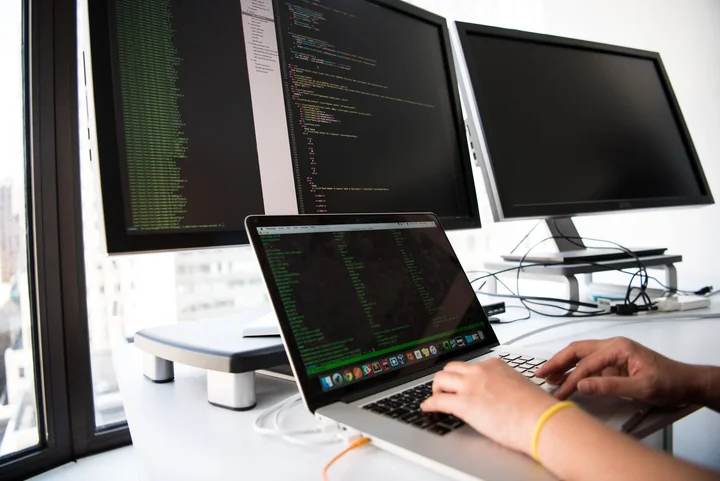
Image source: pexels.com
Most UK homes connect through part-fibre broadband over copper phone lines, full-fibre broadband that runs fibre-optic cable all the way to the property, cable broadband, or mobile and 5G home broadband. Full fibre offers the fastest and most reliable speeds, and the government’s Project Gigabit programme is funding faster connections in rural and hard-to-reach areas where providers would not otherwise build.
Staying Safe Online

Image source: pexels.com
Use strong, unique passwords with a password manager, turn on two-step verification, keep devices updated and be wary of links in unexpected emails and texts. You can forward suspicious emails to report@phishing.gov.uk and scam texts to 7726. For more tips, see our guide to staying safe online.
How We Keep This Guide Up To Date

Image source: pexels.com
Rules, prices and services change, so we review guides like this regularly and update them when official sources change. Where the law or official guidance is involved, the relevant government or regulator’s website is always the final word, and it is worth checking there before making an important decision. If something here has changed, the official source will reflect it first.
A Quick Checklist Before You Decide

Image source: pexels.com
Before acting on anything in this guide, run through three quick checks. First, is the information current, and does it apply where you live in the UK, since rules often differ between England, Scotland, Wales and Northern Ireland? Second, have you compared more than one option or provider? Third, do you need professional advice for your specific situation? Taking ten minutes over these questions avoids most expensive mistakes.
Common Mistakes To Avoid
The most common mistakes are acting on out-of-date information, relying on a single source, and overlooking the total cost once fees, delivery or add-ons are included. Reading the small print, keeping records of what you agreed, and checking reviews from more than one independent source will prevent most problems before they start.
Frequently Asked Questions
Is the internet the same as Wi-Fi?
No. Wi-Fi is a wireless method for connecting devices to a local network and the internet.
Who owns the internet?
No one owns the entire internet. It is made up of networks operated by companies, governments, universities, and organisations worldwide.
What is an IP address?
An IP address is a unique number used to identify a device on the internet.
Why is the internet important?
The internet makes global communication, education, business, and access to information possible.
Conclusion
The internet is a worldwide network that connects billions of devices and allows people to share information instantly. It works through packet switching, IP addresses, DNS, routers, and servers. From reading news and biographies to shopping and online learning, the internet has transformed how we live and work.
Understanding what the internet is and how the internet works helps you use this powerful technology more effectively and safely.