
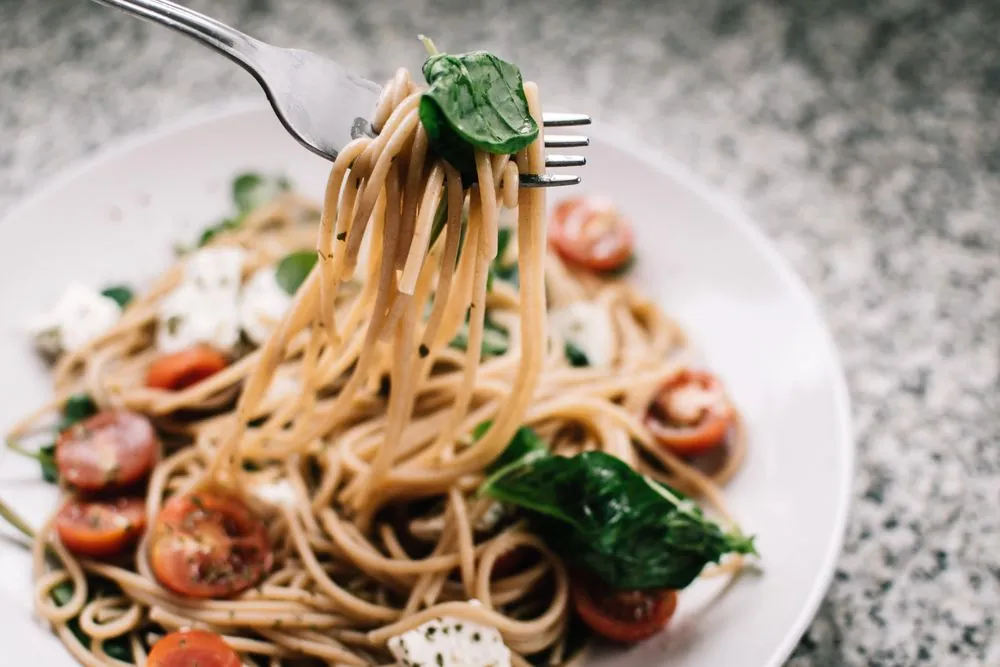
Weeknight Pasta Dishes with a British Twist
There is something reassuring about pasta on a weeknight. It cooks quickly, fills everyone up, and rarely causes complaints at the table. But in many UK households, pasta can feel a bit predictable. Tomato sauce, pesto, perhaps a jar of something from the cupboard. Reliable, yes. Exciting, not always.
That is where a British twist comes in.
Adding familiar UK flavours to classic pasta dishes creates meals that feel both comforting and slightly new. It is not about reinventing Italian cuisine. It is about adapting it to suit British kitchens, ingredients, and tastes.
If you have ever stood in front of the fridge on a Tuesday evening wondering what to do with leftover veg, a bit of cheese, or half a pack of sausages, this guide is for you.
Why Pasta Works So Well for UK Weeknights
Pasta has quietly become a staple in British homes. It is affordable, widely available, and flexible. Supermarkets across the UK stock everything from dried spaghetti to fresh filled tortellini, making it easy to keep a few options on hand.
For busy evenings, pasta offers three advantages:
-
It cooks quickly
-
It pairs well with simple ingredients
-
It stretches small amounts of protein or veg into a full meal
Most importantly, it feels comforting without requiring hours in the kitchen.
British Flavours That Elevate Simple Pasta
A British twist does not mean overcomplicating things. It often means using flavours already loved in UK cooking.
Think:
-
Mature Cheddar instead of mozzarella
-
Sausages instead of minced beef
-
Leeks alongside garlic
-
Mustard for a gentle kick
-
Leftover roast vegetables stirred through
These small changes transform an ordinary pasta dish into something that feels rooted in British tastes.
Sausage and Leek Pasta Bake
Few ingredients feel more British than sausages and leeks. Together, they create a creamy, savoury base that works beautifully with pasta.
Brown sliced sausages in a pan, remove from the skins if preferred, and cook gently with chopped leeks until soft. Stir in a splash of stock and a spoonful of wholegrain mustard. Combine with cooked pasta and top with grated Cheddar before baking until golden.
It feels like comfort food from a pub menu, but it is ready in under 40 minutes.
Cheddar and Broccoli One-Pan Pasta
Macaroni cheese is a classic, but a weeknight version does not need to be elaborate.
Cook pasta directly in a shallow pan with stock and a little milk. Add broccoli florets halfway through cooking so they soften but stay bright. Once tender, stir in grated mature Cheddar until creamy.
The result is familiar yet lighter than a heavy baked dish. It also sneaks in vegetables without anyone noticing too much.
Roast Vegetable and Herb Pasta
Sunday roast leftovers often sit in the fridge waiting to be used. Instead of reheating them as they are, toss them through pasta with olive oil, garlic, and a handful of fresh herbs.
Roast carrots, parsnips, onions, and even leftover cabbage work surprisingly well. Add a squeeze of lemon and a sprinkle of grated cheese.
This approach reduces waste and gives midweek dinners a boost of flavour with very little effort.
Pasta with Baked Beans and Crispy Bacon
It might sound unusual at first, but baked beans are a British staple for a reason. Their gentle sweetness pairs surprisingly well with pasta.
Crisp chopped bacon in a pan, stir in baked beans, and toss with cooked pasta. Add black pepper and a small handful of grated cheese.
It is quick, inexpensive, and undeniably comforting. Not one for a dinner party perhaps, but perfect for a relaxed Tuesday evening.
Practical Tips for Better Weeknight Pasta
Even simple dishes benefit from a few key habits.
Salt the pasta water properly. It is your main chance to season the pasta itself.
Reserve a little cooking water before draining. Adding a splash to the sauce helps it cling better.
Avoid overcooking. Pasta should be just tender. It will continue cooking slightly when mixed with sauce.
Taste before serving. A pinch of salt, squeeze of lemon, or crack of black pepper often makes all the difference.
Making It Work for Different Diets
Weeknight pasta can easily be adapted.
Use wholewheat pasta for extra fibre.
Swap dairy cheese for plant-based alternatives.
Add lentils or beans to boost protein without meat.
British supermarkets now offer a wide range of options, making it straightforward to tailor dishes without changing the overall structure.
Budget-Friendly and Family-Friendly
With rising food prices, practical cooking matters more than ever. Pasta remains one of the most cost-effective bases for a meal.
A single pack can feed a family when combined with seasonal vegetables and modest portions of meat or cheese. It also reheats well, making it suitable for packed lunches the next day.
There is something reassuring about knowing dinner does not need to be complicated or expensive to be good.
Why British Twists Keep Things Interesting
Food evolves with the people who cook it. British households naturally adapt international dishes to suit local tastes and available ingredients.
Adding Cheddar, mustard, sausages, or leftover roast veg to pasta does not diminish its roots. It reflects how home cooking actually works.
These small changes keep weeknight meals fresh without turning them into culinary experiments that require specialist ingredients.
Also Read – Simple British-Inspired Recipes for Beginner Cooks (Easy & Foolproof)
Cook The Pasta Properly
The single biggest improvement to weeknight pasta is cooking the pasta itself well. Use a large pan of well-salted water at a rolling boil, stir in the first minute to stop it sticking, and start tasting a minute or two before the packet time. Keep a mugful of the starchy cooking water before draining: stirred into the sauce, it helps the sauce cling and turns it glossy. Never rinse pasta that is going into a hot sauce, because rinsing washes away the starch that holds everything together.
Match The Shape To The Sauce
Different shapes suit different sauces, and matching them improves even a simple meal. Chunky sauces with sausage or vegetables suit short shapes such as penne, rigatoni and fusilli, which trap pieces inside. Smooth, creamy sauces cling well to long pasta or to shells. Pasta bakes need sturdy tubes that hold their shape in the oven. It is a small decision that makes a noticeable difference to how a dish eats.
Batch Sauces For The Week
A big pan of sauce at the weekend makes several weeknight dinners almost instant. Tomato-based sauces, ragùs and vegetable sauces freeze very well in family-sized portions. Cool them quickly, freeze with a label and date, and defrost in the fridge. On the night, the only job is to cook the pasta and warm the sauce, which puts dinner on the table in the time it takes to boil water.
Getting Children To Eat The Vegetables
Pasta is one of the easiest ways to feed vegetables to reluctant children. Grate courgette, carrot or squash into tomato sauces, where it melts in unnoticed, or blend cooked vegetables into a smooth sauce. Frozen peas and sweetcorn stirred in at the end add colour most children accept. Letting children add their own grated cheese at the table makes them more willing to try the rest.
Lighter Versions Of The Bakes
Pasta bakes are comforting but can be heavy. Use a sauce thickened with a little cornflour and milk rather than a butter-heavy roux, add more vegetables and less cheese inside, and put a smaller amount of strongly flavoured cheese such as mature Cheddar on top where you will taste it. Wholewheat pasta adds fibre. Our guide to lighter versions of traditional British dishes covers the same approach for other classics.
More Weeknight Dinners
For more quick family meals, see our vegan peanut butter noodles, our comfort food recipes that are not heavy and our simple British-inspired recipes for beginners.
Final Thoughts
Weeknight pasta dishes with a British twist are not about reinventing the wheel. They are about making everyday dinners feel a little more thoughtful and a lot more practical.
By using familiar UK flavours and pantry staples, you can turn simple pasta into meals that feel comforting, modern, and entirely doable after a long day.
If dinner time sometimes feels rushed or repetitive, these ideas offer a straightforward way to mix things up without adding stress.
Thank you for reading. I hope these ideas make your next weeknight dinner easier, warmer, and perhaps even a little more exciting.
FAQs
Can British cheeses be used in pasta dishes?
Yes. Mature Cheddar, Red Leicester, and even Stilton work well. They add stronger flavour, so use slightly less than you would mozzarella.
Are pasta bakes suitable for meal prep?
Absolutely. Many pasta bakes reheat well and can be stored in the fridge for up to two days in airtight containers.
How can I make pasta healthier for family meals?
Add vegetables, choose wholewheat pasta, and moderate cheese portions. Balancing ingredients keeps it filling without being heavy.
What protein works best for British-style pasta?
Sausages, bacon, leftover roast chicken, or even baked beans are practical options in UK households.
Can leftovers be frozen?
Some pasta dishes freeze well, especially those without cream-based sauces. Reheat thoroughly before serving.