
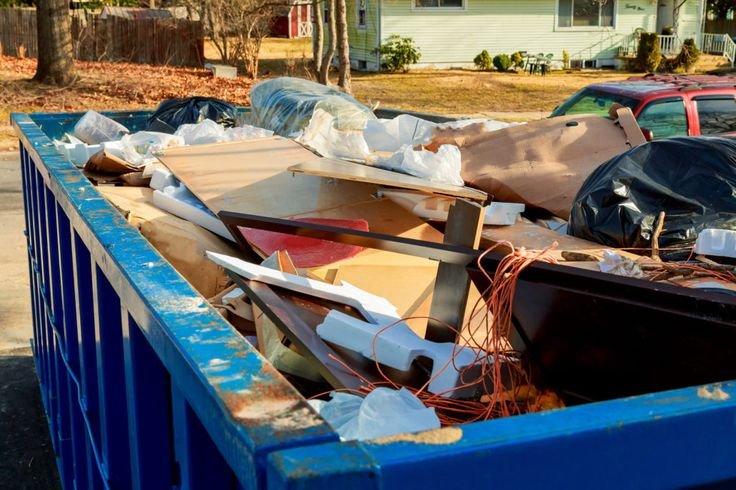
Waste management is a crucial part of home renovation, decluttering, and large-scale cleanups. The U.S. generates over 300 million tons of municipal solid waste (MSW) annually, with the average American producing 4.9 pounds of waste per day.
For homeowners looking for an affordable waste disposal solution, dumpster rentals are a cost-effective and convenient option. However, finding the right-sized, budget-friendly rental service while avoiding hidden costs can be challenging. In this guide, we’ll explore how to choose the most affordable dumpster rental in 2026, backed by the latest cost estimates and expert recommendations.
Why Dumpster Rentals Are a Smart Choice

Renting a dumpster instead of relying on municipal pickup or junk removal services offers several advantages:
Cost-Effective: Renting a dumpster can reduce disposal costs by up to 50% compared to hiring a junk removal service.
Time-Saving: Eliminates the need for multiple landfill trips, reducing fuel and disposal costs.
Eco-Friendly: Many rental services recycle up to 60% of collected waste, helping reduce landfill overflow.
Convenient for Large-Scale Cleanups: Ideal for renovations, landscaping projects, or moving homes.
Understanding Dumpster Rental Costs in 2026

The cost of renting a dumpster depends on several factors, including size, location, waste type, and rental duration. Below is a cost breakdown for different dumpster sizes based on national 2026 averages.
| Dumpster Size | Best Use Case | Average Cost (2026) |
|---|---|---|
| 10-Yard Dumpster | Small cleanouts, minor renovations | $250 – $400 |
| 20-Yard Dumpster | Home renovations, decluttering | $350 – $550 |
| 30-Yard Dumpster | Major projects, commercial use | $450 – $700 |
| 40-Yard Dumpster | Large-scale construction & cleanup | $600 – $900 |
Tip: Avoid overspending! 20-yard dumpsters are the most common choice for home renovations and cleanouts, balancing size and affordability.
Hidden Costs & How to Avoid Them

Many dumpster rental companies advertise low prices, but hidden fees can increase costs. Here’s what to watch out for:
Overage Fees: Extra charges if you exceed the weight limit ($50 – $100 per extra ton).
Late Return Fees: Companies charge $10 – $50 per day if you exceed your rental period.
Delivery & Pickup Charges: Some companies charge $75 – $150 for dumpster drop-off and pickup.
Restricted Waste Fees: Items like hazardous materials, tires, or appliances may incur additional disposal costs.
Solution: Always ask for a detailed price breakdown before booking a dumpster rental to avoid surprise charges.
Read Also:5 Cleaning Services in London You Can Trust
Top 4 Affordable Dumpster Rental Companies in 2026

We analyzed customer reviews, pricing, and services to find the best-rated, affordable dumpster rental companies in the U.S. in 2026.
1. Waste Management
- Overview: One of the largest waste disposal companies in the U.S., offering nationwide coverage.
- Dumpster Sizes: 10- to 40-yard dumpsters available for residential and commercial use.
- Pricing: Starts at $300 (varies by location).
- Pros: Reliable service, online booking, eco-friendly disposal.
- Cons: Some hidden fees; costs vary by region.
2. Budget Dumpster
- Overview: Known for transparent pricing and budget-friendly rentals.
- Dumpster Sizes: 10 to 40 yards, best for homeowners and small businesses.
- Pricing: Starts at $275.
- Pros: No hidden fees, nationwide service, flexible rental periods.
- Cons: Limited availability in rural areas.
3. Republic Services
- Overview: A leading eco-friendly waste management company with strong recycling initiatives.
- Dumpster Sizes: 10 to 30 yards.
- Pricing: Starts at $320.
- Pros: Focuses on recycling, reliable pickup services.
- Cons: May charge extra for hazardous waste disposal.
4. Waste Removal USA
- Overview: A provider of affordable residential dumpsters with flexible rental options.
- Dumpster Sizes: 10, 20, 30, and 40 yards, catering to various home and construction needs.
- Pricing: Competitive pricing based on rental duration and location.
- Pros: Transparent costs, fast delivery, no hidden fees, excellent customer support.
- Cons: Availability may vary by region.
Dumpster Rentals vs. Junk Removal: Which One is More Affordable?

| Method | Best For | Average Cost (2026) |
|---|---|---|
| Dumpster Rental | Large projects, DIY cleanup | $250 – $900 (flat rate) |
| Junk Removal Service | Single-item pickup, quick service | $150 – $600 (per truckload) |
Verdict: If you have a small amount of waste, junk removal may be cheaper. For large projects, dumpster rentals provide better value.
How to Find the Most Affordable Dumpster Rental in 2026

Compare at least 3 providers before making a decision.
Look for seasonal discounts (Winter & early Spring often have lower prices).
Choose the right dumpster size to avoid overpaying for unused space.
Read online reviews on Google & Yelp to check hidden fees & customer experiences.
Ask about discounts! Some companies offer 10-15% off for first-time renters.
The British Equivalent: Skip Hire
The companies listed above operate in the United States, where the service is called dumpster rental. In Britain the equivalent is skip hire, and the rules are different enough to matter. Skips come in standard sizes, from small mini skips for garden waste to large builders’ skips, and are priced by size, location and the type of waste. Most UK skip hire firms include delivery, collection and disposal in a single price, but the details of what is included vary, so always ask.
You May Need A Council Permit
If a skip is placed on a public road or pavement rather than on your own driveway, you need a skip permit from the local council, which the skip hire company usually arranges and includes in the price. Skips on the road must normally be lit at night and marked with reflective markings. Permits last for a set period and cost varies between councils, so check who is responsible and how long the permit lasts before booking.
Your Legal Duty Of Care
Householders in England and Wales have a legal duty of care to make sure their waste is passed to someone authorised to take it. If you use an unlicensed operator and your waste is later fly-tipped, you can be fined. Before hiring, check that the company is a registered waste carrier on the Environment Agency’s public register, or the equivalent register in Scotland, Wales or Northern Ireland, and get a receipt. Cheap offers of cash-in-hand rubbish removal are the classic route to fly-tipping.
What Cannot Go In A Skip
Several types of waste are banned from ordinary skips because they need special handling. These usually include asbestos, which must be removed by specialists, fridges and freezers, tyres, batteries, electrical items, paint and solvents, and gas bottles. Plasterboard often has to be kept separate. Putting prohibited items in a skip can lead to extra charges or the skip being refused, so tell the hire company exactly what you are clearing before it arrives.
Cheaper Options Than A Skip
A skip is not always the best value. For smaller clear-outs, a council bulky waste collection can remove large items such as furniture for a modest fee. Household waste recycling centres accept a wide range of materials for free for residents, though some charge for construction waste. Skip bags are cheaper than a full skip for small jobs and do not need a permit when placed on your own land. Selling or donating usable items reduces what you need to dispose of at all.
Keep Costs Down
Book the smallest skip that will genuinely do the job, fill it level rather than overloaded, which is not allowed on the road, and keep it covered to stop neighbours adding their own rubbish. Separating recyclable materials such as metal and clean hardcore can sometimes reduce the price. For more on managing a home project, see our guide to rethinking your next home build, and for safety during DIY, our garage safety tips.
Conclusion
Dumpster rentals in 2026 offer a cost-effective and eco-friendly solution for managing waste. By selecting the right-sized dumpster, avoiding hidden fees, and choosing a reputable provider, you can make waste disposal hassle-free and affordable.
FAQs
1. What size dumpster do I need?
Choose 10, 20, 30, or 40-yard based on your waste amount.
2. How much does a dumpster rental cost in 2026?
It costs between $250 and $900, depending on size and location.
3. Are there extra fees for dumpster rentals?
Yes, for extra weight, late return, delivery, and restricted items.
4. How can I save money on dumpster rentals?
Compare prices, pick the right size, and avoid extra fees.
5. What cannot go in a dumpster?
No paint, chemicals, tires, batteries, electronics, or fridges.