
In 2026, more people are using proxies to stay safe online, access content, and collect data. Proxies hide your real IP address and show a different one. This helps with privacy, scraping, automation, testing, and more.
But not all proxies are the same. The two most used types are residential proxies and datacenter proxies. They work differently and are best for different jobs.
This guide will help you understand both types, what they are for, and how to choose the best one for your work. We’ll also include updated 2026 information, industry trends, technical details, and real examples.
What Is a Proxy?
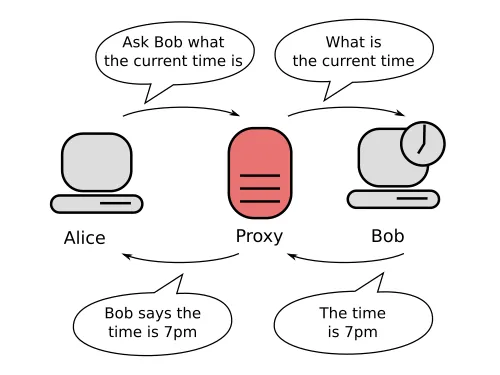
A proxy is a middle point between you and a website. Instead of going directly to a website, your request goes through a proxy. The website only sees the proxy’s IP, not your real one.
This helps you:
-
Stay private online
-
Access websites from other countries
-
Avoid blocks and bans
-
Collect data safely
-
Send multiple requests from different IPs
-
Control where your traffic appears to come from (geo-targeting)
In 2026, proxies are also used in industries like ad tech, e-commerce, SEO, market research, social media automation, app testing, and cybersecurity.
Why Proxies Matter More in 2026
1. Smarter Anti-Bot Systems
Websites now use machine learning to detect bot behaviour. They check IP history, browser fingerprints, mouse movements, and time patterns. Proxies that rotate IPs and mimic human actions are key to staying under the radar.
2. Geo-Restrictions Are Common
Platforms like Netflix, BBC iPlayer, Amazon, and YouTube show different content in each country. A UK user might see fewer options than a U.S. user. Proxies let you choose where you appear to be from.
3. Higher Scraping Demand
E-commerce, job platforms, travel sites, and financial tools all depend on data from the web. Web scraping with proxies allows teams to track prices, competitors, reviews, and stock levels without getting blocked.
4. Privacy Laws and Ethical Use
New laws like the Digital Markets Act (EU) and stronger enforcement of GDPR and CCPA mean companies must scrape and test carefully. Proxies help balance compliance with efficiency.
What Are Residential Proxies?
Residential proxies use IP addresses from real homes. These are given by internet companies like BT, Virgin Media, or Comcast. When you use one, websites think you are a normal person using the internet at home.
Pros:
-
Very hard to block
-
Looks like a real user
-
Great for social media, shopping sites, or watching online shows
-
Good for geo-location testing and ad verification
-
Trusted by most websites and platforms
Cons:
-
Slower than datacenter proxies
-
More expensive (typically £8–£15 per GB in 2026)
-
Not easy to use in large numbers
-
Often limited by traffic caps
Residential proxies are often used by marketers, QA testers, e-commerce teams, and brand protection experts.
What Are Datacenter Proxies?
Datacenter proxies come from servers, not homes. These are created by data centres and hosting companies. They are very fast and cheap.
Pros:
-
Very fast (100–700 Mbps typical speed)
-
Low cost (around £1–£3 per GB in 2026)
-
Good for big data jobs like scraping, SEO, or testing apps
-
High scalability and fast setup
-
Easier to automate
Cons:
-
Easier for websites to detect
-
Not trusted on some sites like banking or shopping
-
Can be blocked without rotation or proper headers
Many users in 2026 prefer datacenter proxies from Travchis for tasks like scraping, SEO, and automation because of their speed, affordability, and ease of use.
Comparison Table (2026)
| Feature | Residential Proxies | Datacenter Proxies |
|---|---|---|
| Source | Real homes | Data centres |
| Speed | Medium | Very fast |
| Trust by websites | High | Medium |
| Cost | High | Low |
| IP rotation | Yes | Yes |
| Best for | Social, ads, geo-content | Scraping, SEO, automation |
| Detection risk | Low | Higher |
| Legal and compliant use | Yes | Yes (if used properly) |
When Should You Use Residential Proxies?
Use residential proxies when:
-
You want to look like a real person online
-
You manage social media accounts
-
You shop on websites that block bots
-
You test ads in different locations
-
You need high trust from websites
-
You want to access region-locked content
-
You are performing mobile app or website QA
When Should You Use Datacenter Proxies?
Use datacenter proxies when:
-
You scrape large amounts of data
-
You monitor SEO or keywords
-
You test websites or apps
-
You send many requests fast
-
You want to save money
-
You are doing load testing or bot automation
-
You need large proxy pools
Real Use Cases (2026)
-
Retail Monitoring: Companies use datacenter proxies to check thousands of prices daily.
-
SEO Tools: Agencies use them to scan Google results in different regions.
-
Sneaker Bots: Residential proxies help bots look human on Nike or Adidas.
-
Streaming Access: Residential proxies unlock Netflix, Hulu, and BBC iPlayer.
-
Web Testing: Developers use datacenter IPs to test apps and websites across countries.
-
Ad Verification: Brands use residential proxies to check ad delivery across cities.
-
Lead Generation: Outreach tools use datacenter IPs to gather contact data at scale.
Read Also: How Different Proxy Types Work and When to Use Each
The Third Type: ISP Or Static Residential
The residential-versus-datacenter framing leaves out a hybrid that has become common. ISP proxies, sometimes sold as static residential, are hosted in data centres but use IP addresses registered to consumer internet providers. They combine datacenter speed and stability with addresses that look residential to many websites, and because the address stays the same, they suit tasks that need a consistent identity over time, such as managing accounts. They typically cost more per IP than datacenter proxies and less per gigabyte than rotating residential.
Mobile Proxies Sit At The Top
Mobile proxies route traffic through mobile network connections. Because mobile carriers place many users behind a small number of shared addresses, websites are very reluctant to block those addresses outright, which makes mobile proxies the hardest type to detect and the most expensive. They are worth their price only for targets with the most aggressive bot protection or for testing mobile-specific content. For most tasks, residential or ISP proxies are sufficient.
How Websites Tell The Difference
Understanding detection explains why the types behave so differently. Every IP address belongs to a network with an identifiable owner, and websites can see whether that owner is a hosting company or a consumer broadband provider. Datacenter ranges are widely catalogued, which is why they are blocked easily. But the IP is only one signal: browser fingerprints, request timing, headers and behaviour matter too, so an expensive residential proxy used carelessly can still be blocked quickly.
Per IP Or Per Gigabyte
The pricing models differ as much as the technology. Datacenter and ISP proxies are usually sold per IP address, often with generous or unlimited bandwidth, which suits high-volume work against lightly protected targets. Rotating residential and mobile proxies are usually sold per gigabyte, which rewards efficient requests and punishes loading whole pages unnecessarily. Estimate your bandwidth before choosing, because the same job can be cheap on one model and expensive on the other.
Test Before You Commit
Most reputable providers offer a trial or a small starter plan, and a short test against your actual target tells you more than any comparison table. Measure the success rate, the response time and how often you hit blocks or verification challenges, and compare types side by side on the same task. Check that geo-targeting really delivers addresses in the locations you asked for. A cheaper type that works on your target is better value than a premium type you did not need.
Legal And Ethical Limits Still Apply
Choosing a proxy type does not change what is lawful. In the UK, accessing systems without authorisation can breach the Computer Misuse Act, collecting personal data engages UK GDPR, and most websites’ terms restrict automated access. Ethical sourcing matters especially for residential and mobile proxies, since those addresses belong to real people. For how to judge a provider on sourcing, security and pricing, see our guide to the best residential proxy providers.
Quick Decision Guide
| Your Goal | Best Proxy Type |
| Look real to websites | Residential proxy |
| Scrape large websites fast | Datacenter proxy |
| Watch content from other countries | Residential proxy |
| Run SEO tools or data bots | Datacenter proxy |
| Test websites from many IPs | Datacenter proxy |
| Avoid bans on shopping sites | Residential proxy |
| Run high-volume automated tools | Datacenter proxy |
Conclusion
In 2026, both residential and datacenter proxies are helpful. But you must pick the right one for your task.
-
Choose residential proxies if you need to look like a real user. These work best for shopping, social media, and watching shows.
-
Choose datacenter proxies if you want speed, lower costs, and large-scale data jobs like scraping or SEO.
Always match your proxy to your task, and you’ll get better results with less trouble.
FAQs
1. What is the main difference between residential and datacenter proxies?
Residential proxies use real home internet IPs. Datacenter proxies come from servers. One looks real, the other is fast.
2. Are datacenter proxies safe in 2026?
Yes, they are safe. But you should rotate IPs and follow good use rules to avoid getting blocked.
3. When should I use a residential proxy?
Use it when websites block bots, like on shopping or social sites. Residential IPs look real and are harder to block.
4. Why are datacenter proxies cheaper?
They are made in large server centres and can be sold in big groups. That makes them less expensive than real home IPs.
5. Can I use both types together?
Yes. Many people use residential proxies for logins or accounts and datacenter proxies for scraping or testing.