
Last week, a small online business owner in London told me how his website suddenly stopped working for users in other countries. “Everything was fine yesterday,” he said, confused and frustrated. The problem? He didn’t understand how internet traffic works—or how different proxy types could have saved his business from that chaos. If you’ve ever faced slow browsing, blocked content, or privacy worries, you’re not alone. Many people don’t realise that proxy servers quietly control a big part of their online experience. In this guide, we’ll break down different proxy types in a simple, human way—so you can understand what’s really happening behind the screen and make smarter choices online.
What Really Happens When You Use a Proxy Server?

Image source: pexels.com
Imagine sending a letter, but instead of writing your home address, you ask a friend to send it for you. That’s exactly what a proxy server does. It sits between you and the internet, hiding your real identity while passing your request along. This might sound technical, but it plays out in real life every day—like when someone tries to watch a video not available in their country.
According to Fortinet, proxy servers act as a gateway between users and the internet, helping protect systems from direct exposure to threats. This means your device is not directly interacting with websites, which adds a layer of security.
Think of offices, schools, or even cafes. Many of them use proxies to control what people can access. It’s not just about hiding identity—it’s also about control, safety, and better performance. Once you understand this basic idea, all other proxy server types start to make much more sense.
Residential vs Datacenter Proxies: A Real-World Comparison

Image source: pexels.com
A digital marketer once shared how his ad account kept getting blocked, even though he was following all the rules. The reason? He was using the wrong proxy. This is where understanding residential vs datacenter proxies becomes important.
Residential proxies use real IP addresses provided by internet service providers. This makes them look like genuine users browsing from real homes. On the other hand, datacenter proxies come from servers and are not linked to real devices.
Data from Hostwinds shows that while datacenter proxies are faster and cheaper, residential proxies are much harder to detect. That’s why businesses prefer them for sensitive tasks like managing accounts or accessing restricted content.
It’s a simple trade-off—speed versus trust. And depending on your goal, choosing the right one can save you from major online issues.
HTTP vs SOCKS Proxy: Why It Matters More Than You Think
Let’s say you’re just browsing websites or reading news. An HTTP proxy will do the job perfectly. But what if you’re gaming, sending emails, or using apps? That’s where SOCKS proxies come in.
HTTP proxies are designed specifically for web traffic. They are fast and efficient for browsing. SOCKS proxies, however, are more flexible and can handle different types of internet traffic.
As explained by SOAX, SOCKS proxies support multiple protocols, making them ideal for more complex tasks. This means they can handle more than just websites.
Think of HTTP proxies as a simple delivery service, while SOCKS proxies are like a full logistics company. If your needs are basic, HTTP is enough. But for advanced usage, SOCKS gives you more power and freedom.
Anonymous Proxy Types and How They Protect You
Privacy online is becoming more important every day. A student once told me how she didn’t realise her activity was visible until she used a transparent proxy. That moment changed how she saw the internet.
There are different anonymous proxy types, each offering a different level of privacy. Some proxies fully hide your identity, while others only partially protect you.
According to Securiwiser, elite proxies provide the highest level of anonymity by hiding both your IP address and the fact that you are using a proxy.
For someone who values privacy—like journalists, researchers, or even everyday users—choosing the right level of anonymity can make a big difference in staying safe online.
Rotating vs Static Proxies: The Hidden Power Behind Automation
Picture someone managing multiple social media accounts or collecting data from websites. Doing this without getting blocked is almost impossible without the right proxy setup.
Rotating proxies automatically change your IP address after each request. This makes it look like different users are accessing the website. Static proxies, on the other hand, keep the same IP address.
This difference becomes crucial when performing tasks like web scraping or automation. Rotating proxies help avoid detection, while static proxies provide stability for long sessions.
Many businesses rely on rotating proxies to stay under the radar, especially when working with large amounts of data. It’s one of the most practical examples of how different proxy types serve different purposes.
Forward vs Reverse Proxies: Behind the Scenes of Big Websites
Ever wondered how large websites handle millions of visitors without crashing? The answer often lies in reverse proxies.
Forward proxies are used by individuals to access the internet. Reverse proxies, however, sit in front of servers and manage incoming traffic.
As reported by Splunk, reverse proxies help balance loads and improve performance, especially for high-traffic websites.
This is why platforms like streaming services or news websites can stay online even during heavy traffic. Behind the scenes, reverse proxies are quietly managing everything.
If you’ve ever read articles like latest political updates on Trump, chances are reverse proxies helped deliver that content smoothly without delays.
How Proxy Servers Improve Security and Speed
A cybersecurity expert once compared proxy servers to security guards standing at the entrance of a building. They check who comes in and who goes out.
Proxy servers can block harmful websites, filter traffic, and even detect suspicious behaviour. They also store cached data, which helps websites load faster.
According to SentinelOne, proxies play a key role in detecting threats and protecting users from malware and phishing attacks.
This is especially important for businesses and organisations where security is a top priority. But even for everyday users, it means safer and faster browsing.
Real-Life Uses of Different Proxy Types
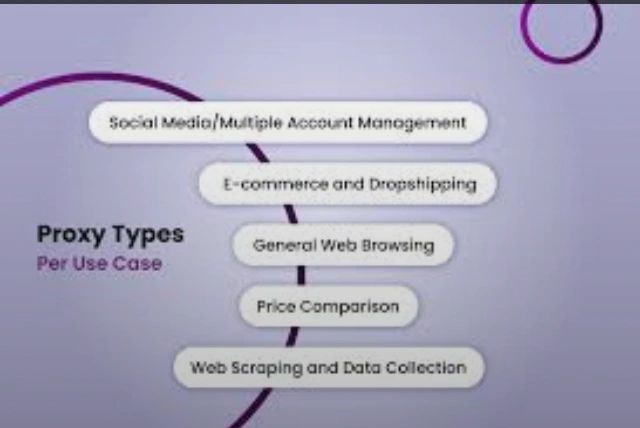
From students accessing blocked content to businesses managing multiple accounts, proxy servers are used everywhere.
Someone planning to watch international content might use a proxy to bypass restrictions. A company might use proxies to analyse competitors. Even normal users benefit from faster browsing and better privacy.
These real-life examples show that different proxy types are not just technical tools—they solve everyday problems.
While browsing trending topics like I’m a Celeb South Africa updates or even checking guides like Hotmail login help, proxies can quietly improve your experience without you even noticing.
Choosing the Right Proxy for Your Needs
Choosing a proxy is not about picking the “best” one—it’s about picking the right one for your situation.
If you want privacy, go for residential or elite proxies. If speed is your priority, datacenter proxies are a better choice. For advanced tasks, SOCKS or rotating proxies work best.
Understanding these differences can save you time, money, and frustration. It’s like choosing the right tool for a job—using the wrong one can create more problems than it solves.
Once you understand different proxy types, you’ll start noticing how often they affect your online experience, even in ways you didn’t expect.
Why Understanding Proxy Types Matters Today
We live in a time where almost everything happens online—shopping, banking, entertainment, even communication. Yet, most people don’t know what happens behind the scenes.
Understanding proxy servers is not just for tech experts anymore. It’s for anyone who uses the internet.
From protecting your privacy to improving speed and access, proxies are shaping how we experience the web. And as digital life grows, their importance will only increase.
Knowing the basics today can help you avoid bigger problems tomorrow.
Use Proxies Legally

Image source: pexels.com
Proxies have many legitimate uses, such as privacy, testing websites from different locations and managing company networks. Using them to access systems without permission, commit fraud or break a website’s terms can be illegal, and in the UK the Computer Misuse Act 1990 covers unauthorised access.
Proxy Or VPN?

Image source: pexels.com
A proxy usually routes traffic from a single app or browser, often without encrypting it, while a VPN encrypts all traffic from your device. For privacy on public Wi-Fi, a reputable VPN is usually the better choice.
Choose A Trustworthy Provider

Image source: pexels.com
Free proxies can log your data, inject adverts or steal login details. Choose paid providers with clear privacy policies, avoid entering passwords through unknown proxies, and be wary of residential proxy networks that use other people’s devices without clear consent. For more, see our guide to staying safe online.
Final Thoughts
The story of that business owner in London ended well—once he understood different proxy types, he fixed his issue and even improved his website performance. That’s the power of knowledge. Proxy servers may seem technical at first, but they are simply tools designed to make your online life safer and smoother. Whether you care about privacy, speed, or access, choosing the right proxy can make a real difference. Now that you understand the basics, you’re in a much better position to make smarter decisions online. Keep exploring, stay informed, and take control of your digital experience.
FAQs
What are the different proxy types?
Different proxy types include residential, datacenter, HTTP, SOCKS, rotating, static, and anonymous proxies. Each type serves a specific purpose, such as improving privacy, speed, or access to restricted content.
What is the difference between residential and datacenter proxies?
Residential proxies use real IP addresses from internet providers, making them harder to detect. Datacenter proxies come from servers and are faster but easier to block.
Is SOCKS proxy better than HTTP proxy?
SOCKS proxies are more flexible because they support multiple types of traffic. HTTP proxies are better for simple web browsing tasks.
Why do people use rotating proxies?
Rotating proxies change IP addresses automatically, which helps users avoid detection when performing tasks like web scraping or managing multiple accounts.
Are proxy servers safe to use?
Yes, proxy servers can improve security by hiding your IP and filtering harmful traffic. However, it’s important to use trusted proxy providers.