
London has a way of feeling both ancient and cutting-edge, often in the same breath. It’s a city that constantly reinvents itself, yet holds tightly to its history—and one of the best places to witness this balance is around London Bridge. Nestled along the Thames, this neighborhood is more than just a transport hub. It’s a vibrant area filled with riverside walks, food markets, bold architecture, and cultural gems.
If you’re wondering what to do near London Bridge, this guide walks you through a weekend of sights, sounds, and experiences that capture both the spirit of old London and its modern pulse.
Walk the Bridge That Started It All

Start with the structure that gives the area its name. London Bridge may not be the most photographed in the city, but its history runs deep—dating back to Roman times. The current incarnation is sleek and functional, offering river views and easy access to the surrounding district.
Eat Your Way Through Borough Market

A few steps south of the bridge lies Borough Market, one of the city’s best-loved food destinations. It’s been feeding Londoners for centuries, and today it’s a buzzing blend of fresh produce, artisan goods, and global street food. Grab a warm pastry, sample cheeses from local makers, or sit down for a meal at one of the tucked-away restaurants lining the market’s edges.
Visit Tower Bridge and the Thames Walk

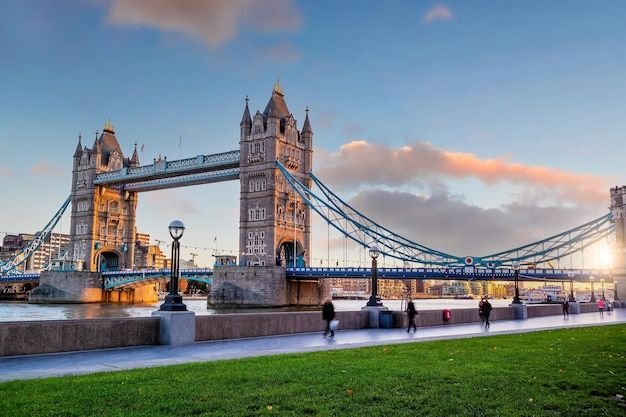
Follow the Thames Path east and you’ll hit Tower Bridge, one of London’s most recognized landmarks. Visitors can walk across the high-level glass walkways, explore the bridge’s engine rooms, and enjoy panoramic views across the city. Along the river, the walking route takes in historic docks, small parks, and public art installations that change with the seasons.
Go Vertical for a View

London Bridge is also home to one of the tallest viewpoints in Europe. From the upper floors of a nearby skyscraper, you can take in a 360-degree panorama of London’s skyline. On clear days, the view stretches as far as Windsor. While some visitors opt for a drink at the top-floor bar, others book timed tickets for a full viewing experience.
Experience the Darker Side of History

If you’re in the mood for something immersive, check out the area’s theatrical underground attraction that walks (and sometimes startles) visitors through 2,000 years of London Bridge history. It blends live performance with historical storytelling, and includes a scare maze for the brave.
Read Also: Top Things to Do in India on a Budget
See What’s Onstage at the Bridge Theatre

A short walk away, The Bridge Theatre offers bold, often experimental productions with high-caliber casts. It’s known for reimagining classics and staging contemporary dramas in creative formats. Its programme regularly spans everything from Shakespeare to Sondheim, making it a must-visit for theatre lovers.
Walk Beneath the Lights

As dusk falls, the bridges over the Thames glow with soft, shifting lights as part of the city’s Illuminated River project. The subtle installation brings new life to the city’s waterways and makes an evening walk a quietly cinematic experience.
Take on a Real-Life City Challenge

Launched in 2025, a citywide adventure inspired by popular travel shows invites participants to navigate London without phones or maps, solving clues and racing between landmarks. London Bridge is one of several starting points for this immersive experience, blending exploration with teamwork and a bit of adrenaline.
Final Note for International Visitors

If you’re traveling from abroad, be sure to double-check entry requirements for the UK before planning your trip. Having the right documents in place makes it easier to focus on what really matters: soaking in the city.
Pay For Travel The Cheap Way

Image source: pexels.com
Before anything else, sort out how you are paying for transport, because it is the easiest money to waste in London. Tap in and out with a contactless bank card or a phone, or use an Oyster card: either gives you the pay-as-you-go fare, which is substantially cheaper than a paper single, and both apply automatic daily and weekly caps so you stop being charged once you have travelled enough. Tap the same card every time so the caps work. Buying individual paper tickets at a machine is the most expensive way to travel in the city, and almost nobody who lives here does it.
What Costs Nothing At All
Image source: pexels.com
London’s best-known secret is that a great deal of it is free. The permanent collections of the national museums and galleries do not charge for admission, which covers the British Museum, the National Gallery, the Tate galleries, the Natural History Museum, the Science Museum and the V&A among others, though special exhibitions within them are ticketed. Add the parks, the markets, the South Bank, the changing of the guard and most churches, and a full weekend can cost very little beyond travel and food. Donations are invited at the free museums, and they are worth giving.
Book These Before You Arrive

Image source: pexels.com
A handful of things will simply not be available if you turn up on the day, particularly at a weekend. The Tower of London, the viewing platforms at the Shard and elsewhere, the London Eye, popular special exhibitions and any West End show worth seeing all run on timed entry or allocated seating and sell out. Book them online in advance, where the price is usually lower than at the door as well. Leave the free museums, the markets and the walking for the gaps, because those absorb whatever time is left without any planning at all.
Driving In Is Usually A Mistake
Image source: pexels.com
If you were considering bringing a car, consider not. Central London has a daily Congestion Charge on top of the London-wide Ultra Low Emission Zone charge for non-compliant vehicles, both of which are payable online and both of which carry penalties if you forget. Parking in the centre is expensive where it exists at all. Transport for London publishes the current rates and the boundaries, and checking your vehicle against the ULEZ standards takes a moment. For almost every visitor, the train to a terminus and contactless travel from there is faster and considerably cheaper.
When To Go, And When Not To
Image source: pexels.com
Timing changes the experience more than the itinerary does. Saturday is the busiest day at the major attractions and the markets; Sunday mornings are noticeably quieter, and many museums are calmest in the first hour after opening or in the last two before closing. Borough Market is at its worst for crowds around Saturday lunchtime and at its best on a weekday morning. Check the Tube status before you set out, because weekend engineering works close lines regularly, and check whether a major football match or a marathon is scheduled, since both reshape central London for a day.
A Plan For Rain

Image source: pexels.com
It will rain, and having a wet-weather plan is the difference between a good weekend and a miserable one. The museum cluster in South Kensington puts three major museums within a few minutes of each other under cover. Covent Garden, Leadenhall Market and the Royal Opera Arcade give you shopping and eating without much sky. A matinee performance absorbs an entire afternoon. And the river bus is a sightseeing tour that happens to be indoors. Building one indoor block into each day means a downpour costs you nothing more than the walk between stations.
Eating Beyond The Obvious
Image source: pexels.com
Borough Market deserves its reputation and it is not the only option, particularly at weekend peak. Maltby Street Market runs nearby on Saturdays and Sundays at a fraction of the crowd. Brick Lane and Spitalfields cover the East End, Broadway Market in Hackney is a Saturday institution, and Chinatown sits two minutes from Leicester Square while most visitors queue elsewhere. The general rule in central London holds: walk two streets away from the landmark and both the price and the quality improve. Booking is essential for anything popular on a Friday or Saturday evening.
If You Only Have One Day

Image source: pexels.com
Compressed into a single day, the route that works starts at Borough Market in the morning while it is still walkable, crosses the river on London Bridge, follows the Thames path west past the Tower and Tower Bridge, and continues along the South Bank to the Tate Modern and the Millennium Bridge. That is most of the city’s famous skyline on foot, almost entirely free, and it ends within walking distance of the West End for the evening. For readers travelling further afield afterwards, our guide to cheap European trips picks up where this one leaves off.
Conclusion

Image source: pexels.com
The area around London Bridge is a microcosm of the capital itself—layered, lively, and full of contrasts. Whether you’re sipping something warm at a market stall, gazing out across rooftops from a city viewpoint, or watching a play beside the river, this part of London offers a weekend of moments that linger.
It may not always make the top of every travel list—but for those who know it, London Bridge is where the city really comes into focus.
Living in the city rather than visiting? See our guide to cleaning services in London you can trust.
Looking for somewhere characterful to stay? See our guide to Blakes Hotel London.
FAQs
1. What can I see near London Bridge?
You can see famous places like Borough Market, Tower Bridge, and cool river walks.
2. Is Borough Market open every day?
It’s open most days, usually Monday to Saturday.
3. How do I get to London Bridge?
You can take the train, tube, bus, or walk by the river.
4. Can kids enjoy things near London Bridge?
Yes, there are fun things for kids like markets, bridges, and games.
5. When is the best time to visit for nice views?
Go in the morning or evening for the best views and photos.