
Simple British-Inspired Recipes for Beginner Cooks
Learning to cook can feel slightly overwhelming at first. One minute you’re boiling pasta, the next you’re Googling whether potatoes float when done. We’ve all been there.
The good news is that British-inspired cooking is one of the easiest places to start. It’s practical, ingredient-friendly, and designed for real kitchens rather than restaurant stages. You don’t need specialist tools, fancy sauces, or complicated techniques. Just a few reliable ingredients and the confidence to begin.
This guide covers simple, British-inspired recipes that are perfect for beginner cooks, especially those cooking in UK households with everyday ingredients.
Why British-Inspired Cooking Is Ideal for Beginners
British home cooking has always valued practicality over perfection. Classic meals were built around affordable staples like potatoes, onions, carrots, bread, and tinned goods.
For beginners, this means:
-
Fewer complicated steps
-
Easy-to-find ingredients
-
Forgiving cooking methods
-
Budget-friendly options
Most importantly, the flavours are familiar. That familiarity builds confidence quickly.
1. Classic Jacket Potato with Simple Fillings
Image source: pexels.com
If there’s one British dish that never fails beginners, it’s the jacket potato.
All you need is:
-
Baking potatoes
-
Oil
-
Salt
-
Butter
-
A filling such as baked beans or grated cheese
Bake the potatoes until the skin is crisp and the inside fluffy. Slice open, add butter, and top with beans or cheese. That’s it.
It teaches timing, basic oven use, and seasoning without overwhelming you.
2. Easy Sausage and Vegetable Traybake
Image source: pexels.com
Traybakes are perfect for beginners because everything cooks together in one pan.
Ingredients:
-
Sausages
-
Potatoes
-
Carrots
-
Onion
-
Oil and dried herbs
Chop the vegetables evenly, toss with oil and seasoning, place sausages on top, and roast until golden.
It’s simple, filling, and feels like a proper meal without much effort. The oven does most of the work.
3. Simple Tomato Pasta (British Pantry Version)
Image source: pexels.com
Pasta is often the first meal new cooks attempt. A British-inspired version keeps it straightforward.
You need:
-
Pasta
-
Tinned chopped tomatoes
-
Garlic
-
Olive oil
-
Dried herbs
Cook the pasta. Gently heat garlic in oil, add tomatoes and herbs, and simmer. Toss everything together.
It’s affordable, quick, and teaches sauce balance without needing cream or specialist ingredients.
4. Basic Vegetable Stir-Fry with Noodles
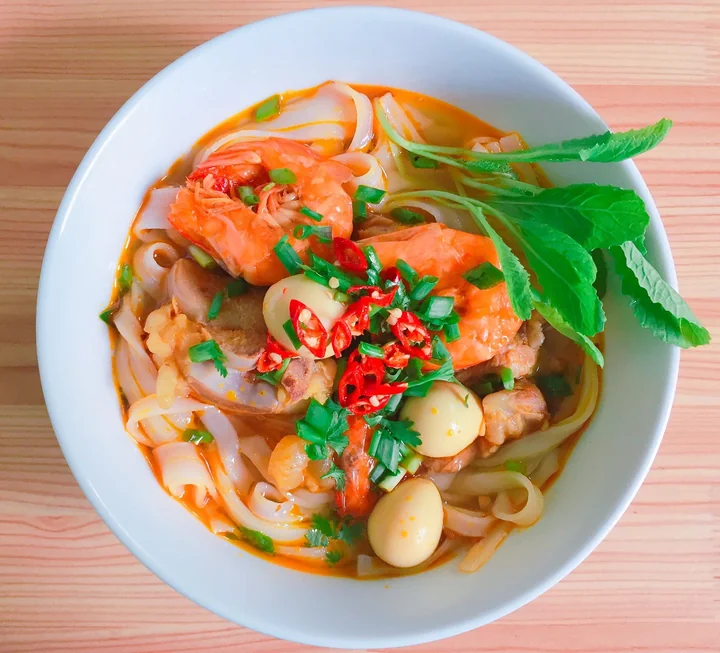
Image source: pexels.com
While stir-fries aren’t traditionally British, they’ve become a staple in modern UK homes.
A simple vegetable noodle dish, similar to vegetable lo mein, works brilliantly for beginners. Soft noodles, sliced vegetables, soy sauce, and garlic come together in one pan.
The key lesson here is timing. Cook noodles until just tender, sauté vegetables quickly so they stay slightly crisp, then add sauce near the end.
It builds confidence in using a hob and managing heat.
5. Traditional Egg on Toast (Done Properly)
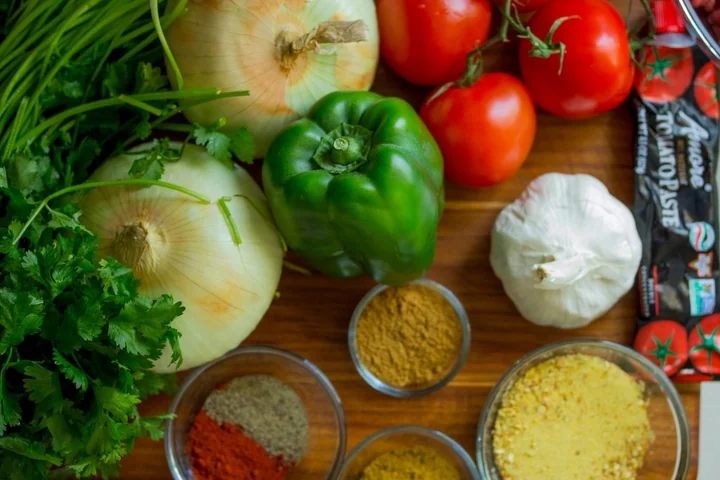
Image source: pexels.com
It sounds basic, but mastering eggs is a skill worth learning.
Whether fried, scrambled, or poached, eggs teach control. Add buttered toast and a sprinkle of seasoning, and you’ve got a reliable meal.
Sometimes beginner cooking isn’t about complexity. It’s about doing simple things well.
Practical Tips for Beginner Cooks
Start with five ingredients or fewer. Fewer ingredients mean fewer mistakes.
Read the whole recipe before starting. It sounds obvious, but it prevents surprises halfway through.
Taste as you cook. Adjust salt gradually rather than all at once.
Keep knives sharp and cuts even. Even chopping means even cooking.
Accept imperfection. Slightly overdone veg won’t ruin dinner. Confidence grows through repetition, not perfection.
Building Confidence in a UK Kitchen
Beginner cooks often think good meals require exotic ingredients. In reality, British kitchens are stocked with everything needed for balanced meals.
Tinned tomatoes, frozen vegetables, pasta, potatoes, rice, eggs, and onions are enough to make dozens of dishes.
Once you learn a few core techniques:
-
Boiling
-
Roasting
-
Sautéing
-
Simmering
You can cook nearly anything at a basic level.
Cooking becomes less about following strict rules and more about understanding patterns.
Modern Context: Cooking in Real Life
Today’s beginner cooks are juggling work, studies, family, or all three. Recipes must be realistic.
Simple British-inspired meals work because they:
-
Fit into busy evenings
-
Don’t require expensive ingredients
-
Reduce food waste
-
Provide reliable results
They also encourage home cooking over takeaway, which is both healthier and more economical in the long term.
Why Starting Simple Matters
Trying to cook complex meals too early often leads to frustration. Confidence builds through small wins.
Master jacket potatoes. Then traybakes. Then pasta. Then stir-fries.
Each success adds to your comfort in the kitchen. Eventually, what once felt difficult becomes second nature.
Cooking at home isn’t about becoming a chef. It’s about feeding yourself and others well.
And that’s something anyone can learn.
Read The Recipe Twice Before You Start
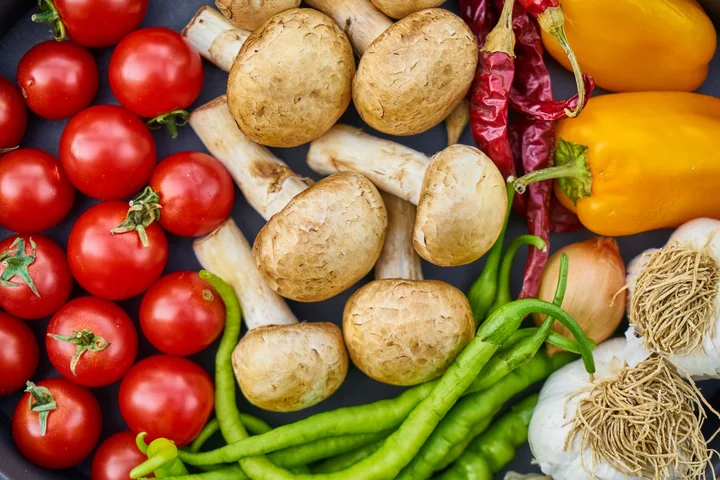
Image source: pexels.com
The most useful habit a beginner can learn costs nothing. Read the whole recipe through before touching an ingredient, then get everything out, measured and chopped before the heat goes on. Professional kitchens call this mise en place, and it is the reason chefs look calm. Most beginner disasters come from discovering halfway through that something needed to marinate, preheat or soften, or from chopping an onion while the garlic burns. Preparation first turns cooking from a scramble into a sequence.
Three Knife Skills Cover Most Recipes
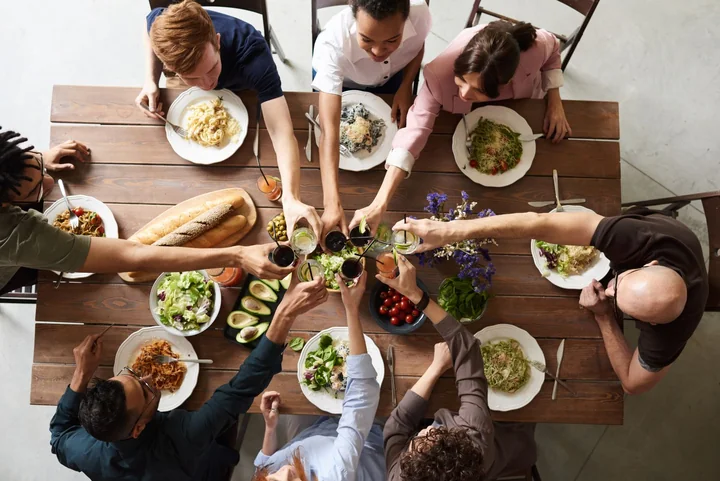
Image source: pexels.com
You do not need to cut like a chef, but three basics make cooking faster and safer. Hold the food with your fingertips tucked under, knuckles guiding the blade, so the knife cannot reach your fingers. Cut a flat side on round things such as onions and potatoes so they sit still on the board. And keep the knife sharp, because a blunt knife slips and needs force, which is how most kitchen cuts happen. A single good cook’s knife and a stable board do more than a block of ten.
Taste And Season As You Go

Image source: pexels.com
The difference between flat home cooking and food that tastes right is usually seasoning, added in stages and checked by tasting. Salt added early seasons food through; salt added only at the end sits on the surface. Taste before serving and ask what is missing: flat food usually needs salt, heavy food usually needs acidity from lemon or vinegar, and harsh food usually needs a little fat or sweetness. Learning to taste and adjust is a bigger step forward than learning any single recipe.
Food Safety Basics Every Beginner Needs
Image source: pexels.com
A few rules matter more than any technique. Wash your hands and use separate boards for raw meat and ready-to-eat food, or wash the board thoroughly between them. Cook chicken, pork and minced meat until there is no pink and the juices run clear. Keep the fridge at 5°C or below. Cool leftovers promptly, refrigerate them, eat them within two days, and reheat only once until steaming hot throughout. These are the Food Standards Agency basics, and they prevent the large majority of food poisoning at home.
Controlling Heat Is Most Of Cooking
Image source: pexels.com
Recipes say medium heat as if everyone’s hob agreed, and none do. Watch and listen instead. Onions should sizzle gently, not spit or brown in seconds. Meat should hiss loudly when it hits the pan, which means the pan is hot enough to sear rather than stew. If something is catching, turn it down and add a splash of water rather than carrying on. Most burnt dinners are cooked on too high a heat by someone in a hurry; patience at a moderate heat fixes nearly all of them.
Build A Beginner’s Cupboard
Image source: pexels.com
A small set of staples means you can cook something decent on any evening. Tinned tomatoes, pasta, rice, a tin of beans, stock cubes, onions, garlic, eggs, a bag of frozen vegetables, a block of Cheddar, olive or vegetable oil, salt, pepper, dried mixed herbs, and one or two sauces such as soy sauce and Worcestershire. With those, jacket potatoes, tomato pasta, fried rice, omelettes, bean chilli and soup are all within reach without a special shop.
Cooking For One Without Waste
Image source: pexels.com
Beginner cooks living alone often give up because recipes feed four and half the ingredients rot. Cook the full recipe and portion the rest into the freezer, which turns one evening’s effort into several meals. Buy loose vegetables rather than bags when you only need one. Freeze bread and take out slices as needed. And plan two or three meals that share ingredients, so a bag of spinach finishes across three dinners rather than one. It is cheaper, and it removes the main excuse for a takeaway.
What To Cook Next
Image source: pexels.com
Once the basics feel comfortable, the next step is a few slightly more ambitious dishes. Our air fry sea bass recipe is a twelve-minute introduction to cooking fish, our vegan peanut butter noodles teach you a sauce you will use for years, and our guide to lighter versions of traditional British dishes takes the classics a stage further.
Final Thoughts
Simple British-inspired recipes are the perfect starting point for beginner cooks. They rely on accessible ingredients, forgiving techniques, and practical methods that suit real UK households.
Whether you begin with a jacket potato, a traybake, or a simple noodle dish, the most important step is simply starting.
Cooking confidence doesn’t arrive overnight, but it grows quickly once you realise how manageable it truly is.
Thank you for reading. I hope this guide encourages you to step into the kitchen with a little more confidence and a lot less stress.
FAQs
1. What is the easiest British recipe for beginners?
Jacket potatoes are one of the simplest. They require minimal prep, basic oven skills, and allow flexibility with toppings.
2. Do I need special equipment to start cooking?
No. A frying pan, saucepan, baking tray, and a sharp knife are enough for most beginner-friendly recipes.
3. How can I avoid overcooking vegetables?
Cut them evenly and check regularly while cooking. Slight firmness usually means they’re done.
4. Are British recipes budget-friendly?
Most traditional British-inspired meals rely on pantry staples, making them affordable and accessible.
5. How long does it take to feel confident cooking?
Confidence builds quickly with practice. After a few successful meals, basic techniques start to feel natural.