

Vegan peanut butter noodles are a simple, comforting meal made with pantry ingredients. The sauce is creamy without using dairy, rich without being heavy, and bold without being complicated. It comes together in about 15 minutes, making it perfect for busy evenings, quick lunches, or late-night cravings.
This recipe is built on balance. Peanut butter adds richness, soy sauce brings salt and depth, vinegar cuts through the fat, and a little heat keeps everything lively. When these ingredients are mixed the right way, the result is a bowl of noodles that tastes complete, not rushed.
Why Peanut Butter Works in Noodles
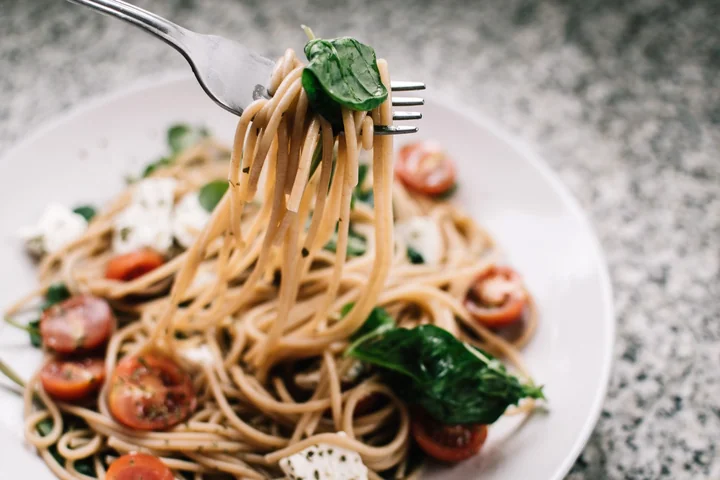
Image source: pexels.com
Peanut butter does more than add flavor. When mixed with warm liquid, it forms a smooth, creamy sauce that coats noodles evenly. This happens because the natural oils and proteins in peanuts blend with water, creating a thick, glossy texture without needing cream or starch.
It also pairs well with salty, sweet, sour, and spicy ingredients, which makes it ideal for noodle dishes.
Ingredients (Serves 2–3)
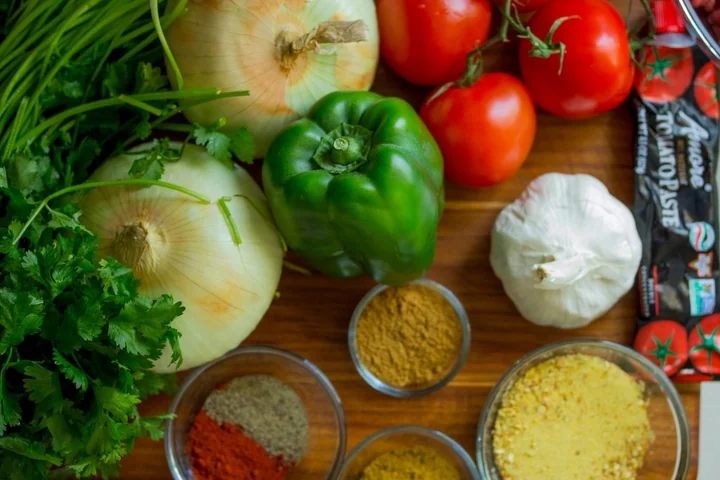
Image source: pexels.com
-
200–250 g noodles (wheat noodles, rice noodles, udon, or spaghetti)
-
¼ cup natural peanut butter
-
2 tablespoons soy sauce or tamari
-
1½ tablespoons rice vinegar or lime juice
-
1 teaspoon sesame oil
-
1–2 teaspoons sugar or maple syrup (to taste)
-
1–2 cloves garlic, finely grated
-
½ teaspoon grated ginger (optional)
-
Chili paste, chili oil, or red pepper flakes (to taste)
-
2–4 tablespoons hot noodle cooking water
-
2 green onions, sliced
-
1 teaspoon oil (for cooking)
For topping (optional):
-
Crushed peanuts
-
Sesame seeds
-
Fresh herbs (coriander or spring onion greens)
How to Make Vegan Peanut Butter Noodles
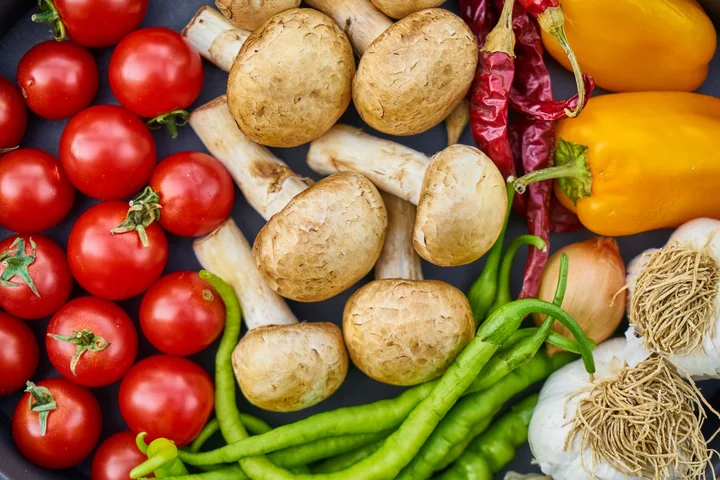
Image source: pexels.com
-
Cook the noodles
Bring a pot of water to a boil and cook the noodles according to the package instructions. Before draining, save about ½ cup of the hot cooking water. -
Make the sauce
In a bowl, mix peanut butter, soy sauce, vinegar or lime juice, sesame oil, sugar or maple syrup, garlic, ginger (if using), and chili. The mixture will be thick. -
Warm the base
Heat 1 teaspoon of oil in a pan over medium-low heat. Add the white parts of the green onions and cook for 30 seconds until fragrant. -
Loosen the sauce
Add the peanut sauce to the pan. Slowly stir in hot noodle water until the sauce becomes smooth and pourable. -
Combine
Add the drained noodles to the pan. Toss gently for 1–2 minutes until everything is evenly coated. Add more water if needed to reach your preferred thickness. -
Finish and serve
Top with green onion greens, crushed peanuts, and sesame seeds. Serve hot.
Tips for the Best Flavor
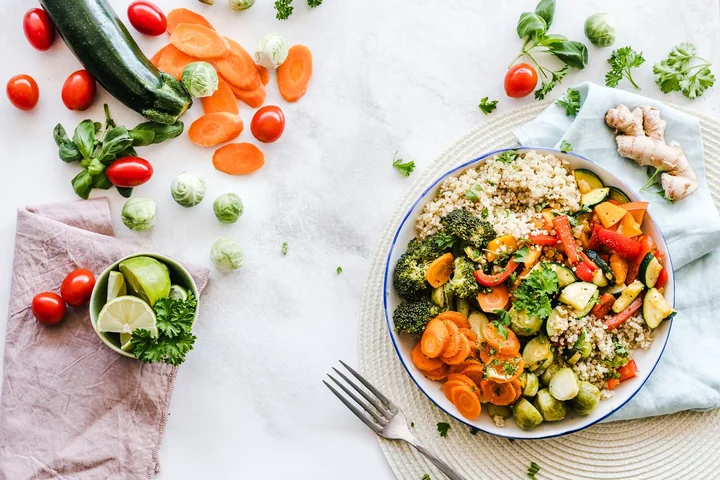
Image source: pexels.com
-
Use natural peanut butter without added sugar for better balance
-
Add water slowly — peanut butter thickens quickly
-
Keep the heat low to avoid burning the garlic
-
Taste at the end and adjust salt, acid, or sweetness
Variations
Image source: pexels.com
Add vegetables:
Bell peppers, spinach, cabbage, carrots, or bean sprouts work well. Add them in the last minute of cooking.
Add protein:
Tofu, edamame, or chickpeas can be mixed in for a more filling meal.
Make it fresh:
Top with cucumber, herbs, and a squeeze of lime.
Nut-free:
Use sunflower seed butter instead of peanut butter.
Cold noodle version:
Thin the sauce more and serve the noodles slightly chilled with fresh toppings.
Common Mistakes
Image source: pexels.com
-
Adding too much water at once
-
Skipping the vinegar or lime juice
-
Overheating the sauce
-
Using very sweet peanut butter
Storage
Image source: pexels.com
These noodles taste best fresh, but leftovers keep for up to two days in the fridge. The sauce will thicken when cold. Reheat gently and add warm water to loosen it.
The Sauce Ratio That Never Fails
Image source: pexels.com
Most peanut noodle sauces go wrong in the same direction: too thick, too sweet, or clumping on the noodles. The ratio that works is roughly two parts peanut butter to one part soy sauce, one part something acidic such as lime juice or rice vinegar, a little sweetness from maple or agave, and then hot water added a spoonful at a time until the sauce pours like double cream. Whisk it before it touches the noodles, not in the pan. Taste it on its own first: it should taste slightly too strong, because the noodles dilute it.
Which Noodles To Buy
Image source: pexels.com
Almost any noodle works, but they behave differently. Medium wheat noodles are the classic choice and hold sauce best. Udon give you a thick, chewy bowl that feels more substantial. Rice noodles are lighter and the obvious choice for a gluten-free version. Soba, made partly or wholly from buckwheat, add a nutty flavour, but check the packet: many soba sold in the UK contain wheat flour too. Whatever you use, rinse cooked noodles briefly under cold water if you are not saucing them immediately, which stops them sticking into a block.
Smooth Or Crunchy, And What It Changes
Image source: pexels.com
Smooth peanut butter makes a glossier, more even sauce and is easier to thin. Crunchy gives you texture in every mouthful but can make the sauce look grainy. The best of both is smooth in the sauce and a handful of crushed roasted peanuts scattered on top. Check the label either way: many supermarket peanut butters contain added sugar and palm oil, which change both the flavour and how the sauce behaves, whereas one made from peanuts and a little salt gives you control over the seasoning.
If Someone Cannot Eat Peanuts
Image source: pexels.com
Peanut allergy is common and can be serious, so cook this with care if you are feeding other people, and never simply pick nuts off a dish for someone who is allergic. For a peanut-free version, sunflower seed butter gives a very similar texture and a milder flavour, and tahini makes an excellent sauce with a more savoury, sesame edge, although sesame is itself a common allergen. Cashew or almond butter works for people who can eat tree nuts. Keep separate utensils and check every label, including the soy sauce and the noodles.
Adding Protein Properly
Image source: pexels.com
On its own this is mostly carbohydrate and fat, which is fine for a quick lunch and less satisfying as a dinner. Pressed, crumbled and pan-fried tofu is the obvious addition. Edamame beans add protein and colour with no cooking beyond a minute in boiling water. For something heartier, our smoky tempeh recipe makes a batch that sits perfectly on top of these noodles, and the pressing technique in our vegan lettuce wraps guide applies here too.
Hot, Cold Or Packed For Lunch
Image source: pexels.com
This is one of the few noodle dishes that is as good cold as hot, which makes it unusually useful. Served hot, it is comfort food in fifteen minutes. Served cold with cucumber, carrot ribbons and spring onion, it becomes a salad that travels well. The one thing to know is that peanut sauce thickens considerably in the fridge, so pack a little extra liquid, lime juice or water, and loosen it before eating. Cooked and sauced, it keeps well in the fridge for a couple of days.
Vegetables That Work Best
Image source: pexels.com
The best vegetables are the ones that add crunch against the soft noodles. Raw: cucumber, carrot, red cabbage, spring onion, radish and beansprouts. Briefly cooked: broccoli, pak choi, green beans, mangetout and peppers, added to the noodle water for the last minute or two so there is only one pan to wash. A handful of fresh coriander and a squeeze of lime at the end lift the whole bowl more than any extra ingredient in the sauce. Frozen stir-fry vegetable mixes work perfectly well on a weeknight.
More From The Same Cupboard
Image source: pexels.com
Once you have soy sauce, noodles and a jar of peanut butter in the house, several other quick meals open up. Our vegetable lo mein recipe uses most of the same ingredients in a different direction, our creative toast topping recipes cover the five-minute end of the week, and readers cooking around training will find more ideas in our guide to high-protein home recipes.
For fourteen more ideas like this, see our quick and easy vegan dinner recipes.
Conclusion
Vegan peanut butter noodles are the kind of meal that fits easily into everyday life. They are quick to make, use simple ingredients, and deliver real flavor without extra effort. Once you understand how the sauce works, you can adjust it to suit your taste, your pantry, and the time you have.
Whether you keep it simple or add vegetables, protein, or fresh toppings, this dish stays reliable and satisfying. That is what makes it a recipe worth coming back to—especially on busy days when you want something warm, filling, and easy to enjoy.
Frequently Asked Questions (FAQs)
Are vegan peanut butter noodles gluten-free?
Not always. Some noodles, such as wheat noodles or spaghetti, contain gluten. To make this dish gluten-free, use rice noodles or gluten-free pasta and check the package label.
Can I make peanut butter noodles spicy?
Yes. You can add chili paste, chili oil, sriracha, or red pepper flakes to increase the heat based on your taste.
Which noodles work best for peanut butter noodles?
Udon, rice noodles, soba, wheat noodles, and even spaghetti all work well. Thicker noodles tend to hold the sauce better.
Are vegan peanut butter noodles healthy?
They can be a balanced meal when made with natural peanut butter, moderate oil, and added vegetables or protein. Peanut butter provides healthy fats and some protein.
Can vegan peanut butter noodles be eaten cold?
Yes. They taste good warm, at room temperature, or slightly chilled, which makes them suitable for packed lunches.
What can I use instead of peanut butter if I have an allergy?
Sunflower seed butter or tahini can be used instead. The texture will stay creamy, though the flavor will change.
How long do leftover peanut butter noodles last?
Leftovers keep well in the fridge for about 3 days. The sauce thickens when cold, so add warm water when reheating.