
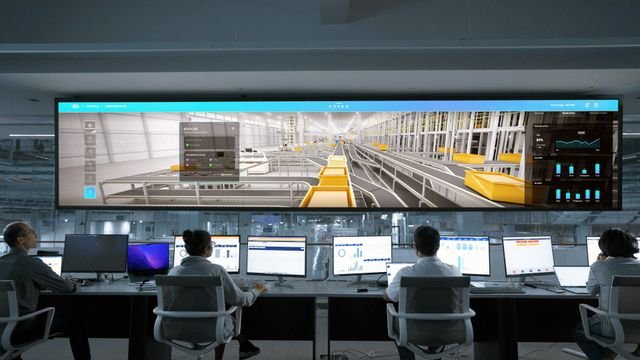
Facilities management plays a key role in keeping commercial buildings, workplaces, and operational environments running efficiently. From coordinating maintenance requests to monitoring equipment and managing contractors, facilities teams handle activities that directly affect business continuity. However, relying on spreadsheets, emails and disconnected processes can make these responsibilities increasingly difficult to manage. Digital facilities management offers a more structured approach by bringing operational information, maintenance activities and asset records into accessible systems. Facilities management technology providers such as expansive are part of a growing shift toward digital solutions that help organisations improve visibility, coordinate maintenance, and make more informed operational decisions.
What Is Digital Facilities Management?
Digital facilities management uses software and connected technologies to organise, monitor, and improve the activities required to maintain buildings and physical assets.
These activities may include planned maintenance, reactive repairs, asset management, contractor coordination, inspections and operational reporting.
Traditionally, facilities teams have often relied on manual records and separate communication channels to manage these responsibilities. While such methods may work in smaller environments, they can become difficult to maintain as organisations expand.
Digital systems provide a central place to record information, assign tasks, and review maintenance activity, helping teams work more consistently.
Why Operational Efficiency Matters in Facilities Management
Operational efficiency involves completing necessary activities while making effective use of available time, resources and budgets.
In facilities management, inefficiencies can appear in several ways. Maintenance requests may be overlooked, contractors may receive incomplete information, or employees may spend unnecessary time searching for equipment records.
These problems can delay repairs and make it harder to understand how facilities resources are being used.
Digital facilities management helps address these challenges by creating clearer workflows and improving access to operational information.
Centralising Facilities Management Information
One of the main advantages of digital facilities management is storing relevant information in a centralised system.
Authorised employees can organise maintenance histories, asset details, inspection records, and work orders so they can access the information they need.
This reduces reliance on separate spreadsheets, paper documents and lengthy email conversations.
Centralised information can also improve continuity when employees change roles, or new contractors join maintenance activities.
Improving Maintenance Request Management
Maintenance requests are a routine part of managing commercial buildings.
Employees may report faulty lighting, heating problems, damaged fixtures or equipment failures. Without a consistent process, these requests can become difficult to track.
Digital systems let you record, categorise, prioritise, and assign requests to the right personnel.
Facilities managers can then monitor progress and identify outstanding tasks, reducing the likelihood of forgotten or duplicated requests.
Supporting Planned Preventative Maintenance
Preventative maintenance involves inspecting and servicing equipment at appropriate intervals to reduce the likelihood of avoidable failures.
Examples include maintaining heating and ventilation systems, checking mechanical equipment and arranging inspections of relevant building services.
Digital facilities management software can help teams organise planned maintenance schedules and record completed activities.
This provides greater visibility over upcoming tasks and makes it easier to identify overdue work.
Reducing Administrative Work
Facilities teams often spend considerable time coordinating appointments, updating records and communicating maintenance progress.
Manual administration can become particularly demanding when managing multiple buildings or large numbers of assets.
Digital workflows can reduce repeated data entry and simplify routine processes such as creating work orders, updating task statuses and generating reports.
Although software does not eliminate administrative responsibilities, it can help employees spend less time managing fragmented information.
Improving Contractor Coordination
Many organisations depend on external contractors for specialist maintenance, cleaning, inspections and repairs.
Effective coordination requires clear instructions, accurate asset information and suitable communication.
Digital facilities management systems provide a structured way to assign work and track progress.
This helps facilities managers understand which tasks have been allocated, whether work is complete, and where further action is required.
Enhancing Asset Visibility
Buildings contain numerous assets that require maintenance throughout their operational lives.
These may include boilers, air-conditioning equipment, pumps, electrical systems and other essential infrastructure.
Digital asset records can provide information about equipment location, maintenance history, condition and relevant documentation.
Better visibility helps facilities teams plan servicing and identify assets that may require additional attention.
Supporting Faster Operational Decisions
Facilities managers regularly decide on maintenance priorities, contractor allocation, and resource use.
When information is spread across multiple systems, it can be difficult to establish which issues require immediate attention.
Digital reporting helps managers review outstanding work, recurring faults, and maintenance trends.
This supports more informed decisions, particularly when balancing operational requirements against available budgets.
Improving Communication Between Teams
Facilities management often involves communication among building occupants, maintenance personnel, managers, and external service providers.
Miscommunication can lead to duplicated work, delayed repairs or uncertainty about responsibilities.
Digital systems can standardise how information is recorded and shared.
Clearer communication helps teams understand task requirements and coordinate their activities more effectively.
Managing Multiple Buildings More Effectively
Organisations operating across several sites face additional facilities management challenges.
Each building may have different equipment, contractors, maintenance schedules and operational requirements.
A centralised digital platform can provide a broader view of maintenance activity across locations.
This makes it easier to compare performance, identify recurring issues and maintain more consistent management practices.
Using Data to Identify Improvement Opportunities
Digital facilities management systems generate operational information that can support ongoing improvement.
Facilities managers may review maintenance response times, recurring equipment failures, outstanding work orders and planned maintenance completion.
These insights can highlight processes that require attention.
For example, repeated repairs involving the same asset may indicate that further investigation or replacement planning is necessary.
Supporting Long-Term Business Efficiency
The benefits of digital facilities management extend beyond individual maintenance tasks.
More organised records, clearer workflows and improved reporting can support long-term operational planning.
Businesses can use maintenance information to review asset performance, allocate resources and identify opportunities to improve building management.
Successful implementation depends on accurate data, suitable software configuration and employees understanding how to use the system effectively.
Frequently Asked Questions (FAQs) About Digital Facilities Management
What is digital facilities management?
Digital facilities management uses software and technology to organise building maintenance, asset records, contractor activities, and operational processes. It helps facilities teams manage information and coordinate responsibilities more effectively.
How does digital facilities management improve efficiency?
It improves efficiency by centralising information, simplifying maintenance workflows, reducing duplicated administration, and providing clearer visibility into outstanding tasks and asset conditions.
Can digital facilities management support multiple locations?
Yes. Suitable software can help organisations coordinate maintenance activities and asset information across several buildings, allowing managers to monitor performance and identify issues more consistently.
What is the difference between manual and digital facilities management?
Manual approaches often rely on spreadsheets, paper records and separate communication channels. Digital systems provide structured workflows and centralised information, making maintenance coordination easier.
Is digital facilities management suitable for smaller businesses?
It can be, depending on the complexity of the organisation’s facilities responsibilities. Businesses should assess their maintenance requirements, available resources and software needs before adopting a digital solution.