
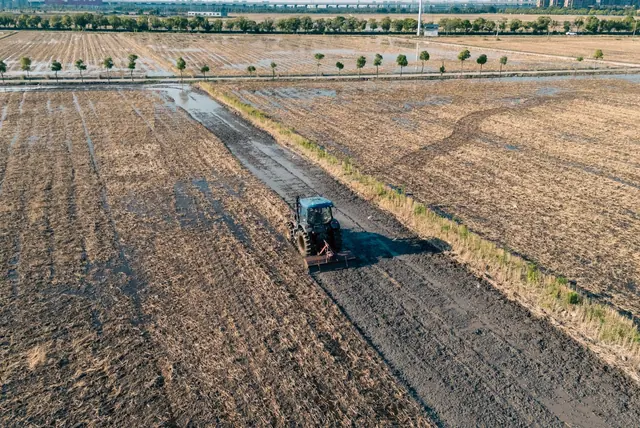
It began as a joke about a leaky shed selling potatoes nobody wanted. Six years later people drive from Scotland to queue outside it. The Diddly Squat Farm Shop is the most famous farm shop in Britain, and it is also a genuine lesson in how a farm can make money when selling wheat to a merchant no longer pays the bills. Here is what it actually is, where to find it, and what to expect if you go.
Diddly Squat Farm Shop: Quick Facts
| Name | Diddly Squat Farm Shop |
| Opened | 2020 |
| Founded by | Jeremy Clarkson and Lisa Hogan |
| Location | Near Chadlington, Oxfordshire |
| Setting | On the Diddly Squat farm estate |
| Known from | Clarkson’s Farm on Prime Video |
| Sells | Farm produce and local suppliers’ goods |
| Manager | Lisa Hogan |
| Famous for | Queues, traffic and planning disputes |
| Sister business | The Farmer’s Dog pub, Asthall |
| Latest series | Series 5, released 3 June 2026 |
| Entry | Free, but expect to queue in season |
What Is Diddly Squat Farm Shop?
The shop sits on Jeremy Clarkson‘s farm near Chadlington in Oxfordshire, and it opened in 2020, a full year before the television series arrived. That timing matters. It was not built as a set. It was a genuine attempt to sell farm produce directly to the public, which is one of the very few ways a British arable farm can earn a decent margin. Lisa Hogan co-founded it and runs it, and the rest of the Clarkson’s Farm cast orbit around it.
Why Farm Shops Make Sense
Here is the economics the show explains almost by accident. Sell a tonne of wheat to a grain merchant and you take whatever the global commodity price offers, which is often barely above the cost of growing it. Turn that wheat into flour, put it in a branded bag and sell it yourself, and the margin transforms. That is the entire logic of a farm shop, and it is why hundreds of British farms have opened one. Diddly Squat is simply the loudest example.
Where Exactly Is It?
The shop is on the Diddly Squat estate near Chadlington in Oxfordshire, in the Cotswolds, roughly between Chipping Norton and Burford. It is genuinely rural, reached by country lanes that were never designed for the traffic the show generates. That single fact explains most of the controversy that has followed it. A shop that would serve a village comfortably is now serving a national audience, on roads built for tractors and the occasional car.
The Queues Are Real
Do not underestimate this. In season, and particularly after a new series drops, people queue for a long time. Some visitors travel several hours to get there. If you are planning a trip, go early, go midweek and go outside school holidays if you possibly can. The shop is small by design because it is a farm shop, not a supermarket, and no amount of fame changes the size of the building. Patience is genuinely required.
The Planning Battles
A great deal of the show’s drama has come from planning permission, traffic management and the local council, and it has been bruising for everyone involved. It is worth being fair about this: the council was not being obstructive for entertainment. A rural planning authority faced with a business generating national visitor numbers on unsuitable roads has a genuine problem. The restaurant, the car park and the farm buildings have all been fought over, and not all of those fights were won.
What They Actually Sell
Produce from the farm itself alongside goods from local suppliers: meats, cheeses, preserves, drinks and the branded items the show has made famous. The balance matters commercially. Too much bought-in stock and it stops being a farm shop; too little and the shelves are empty. Lisa Hogan handles that judgement along with the branding, which is why the whole thing looks coherent rather than like a merchandise stall bolted onto a field.
The Effect on the Village
This is the part the show handles more honestly than it gets credit for. Chadlington and the lanes around it absorbed an enormous increase in traffic, and not everybody living there was delighted. Sudden tourism is a mixed blessing for a small community: some businesses benefit, others just get congestion. If you visit, driving considerately and parking properly is the least you can do. It is somebody’s village before it is a television location.
The Restaurant and the Pub
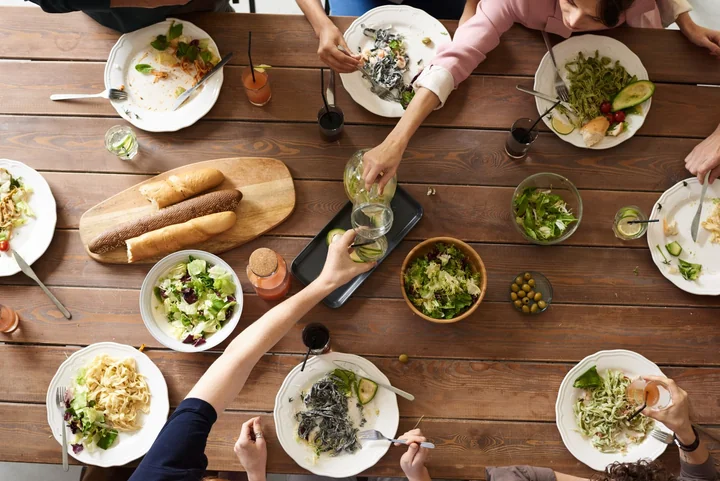
Image source: pexels.com
The farm added a restaurant, which became its own planning saga, and Clarkson later bought a pub in Asthall and reopened it as The Farmer’s Dog on 23 August 2024. Both are part of the same strategy: capture more of the value of your own produce instead of selling it wholesale. Hospitality is brutally hard and the margins are thinner than people assume, which series five spent a good deal of time demonstrating.
Is It Worth Visiting?
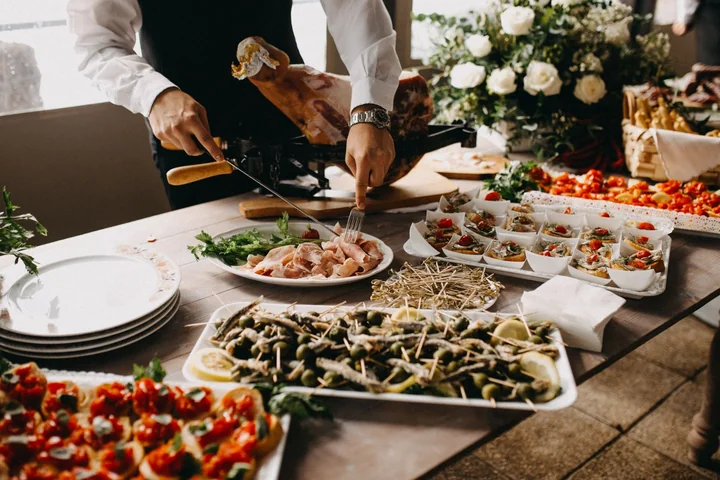
Image source: pexels.com
Honestly, it depends what you want. If you are a fan of the show and want to see the place, yes, absolutely, but manage your expectations about the queue and the size. If you simply want an excellent farm shop, there are dozens across the Cotswolds with no queue at all and comparable produce. The draw here is the programme, not the retail experience, and being clear-eyed about that will make the trip more enjoyable.
What It Taught Viewers
Image source: pexels.com
More than any documentary, the shop has taught a general audience how badly commodity farming pays and why diversification matters. Millions of people who had never thought about where a supermarket price comes from now understand the gap between what a farmer receives and what a shopper pays. That is a genuine public service, delivered accidentally by a comedy programme about a man who could not grow anything.
The Team Behind It
Lisa Hogan runs the retail side, Kaleb Cooper produces much of what it sells, Charlie Ireland works out whether any of it is financially viable, and Gerald Cooper builds whatever needs building. It is a small operation carrying a very large public profile, which is a difficult combination to sustain. That it has lasted six years without falling apart is more impressive than the show makes it look.
Series 5 and the Shop
Image source: pexels.com
Series five landed on Prime Video on 3 June 2026, with four episodes released together, two more on 10 June and the final two on 17 June. Alongside Clarkson’s prostate cancer story, the run followed the uproar over a government budget that hit British farming hard and an attempt to modernise the farm. Series six was confirmed to be filming in June 2026, so the shop will continue to feature.
Other Cotswold Farm Shops Worth Knowing
Image source: pexels.com
If the queue defeats you, the Cotswolds is full of farm shops doing the same thing without the television attention. That is not a consolation prize; it is arguably the better experience. You get the same local meat, the same seasonal vegetables and the same direct relationship between the person who grew it and the person buying it, usually with somewhere to park. The model Diddly Squat made famous was never unique. It was simply never televised before.
What the Shop Costs to Run
Image source: pexels.com
People assume a farm shop is easy money because the margin per item is better. The overheads say otherwise: staff, refrigeration, waste from unsold fresh produce, insurance, card fees and the constant restocking. Add planning costs and traffic management on top and the picture changes quickly. Charlie Ireland spends much of the show pointing out that revenue is not profit, and the shop is the clearest illustration of that gap anywhere in the series.
Final Thoughts
The Diddly Squat Farm Shop is a small building in an Oxfordshire field that accidentally became a national landmark, and behind the queues sits a genuinely useful lesson about how farms survive. If you go, go early, be kind to the village, and buy something. If you cannot face the queue, find your nearest farm shop instead. That, honestly, is the point the whole thing has been making all along.
Frequently Asked Questions
Where is the Diddly Squat Farm Shop?
It is near Chadlington in Oxfordshire, in the Cotswolds, roughly between Chipping Norton and Burford, on Jeremy Clarkson’s farm.
When did Diddly Squat Farm Shop open?
It opened in 2020, a year before Clarkson’s Farm first aired. It was co-founded by Jeremy Clarkson and Lisa Hogan.
Do you have to queue at Diddly Squat?
Often, yes, especially at weekends, in school holidays and just after a new series is released. Going early on a weekday helps.
Who runs the Diddly Squat Farm Shop?
Lisa Hogan manages the shop, develops the products and handles the branding. She co-founded it with Jeremy Clarkson.
Is entry to the farm shop free?
Yes, there is no entry charge, though parking and queues can be an issue during busy periods.
What do they sell at Diddly Squat?
Produce from the farm plus goods from local suppliers, including meats, preserves, drinks and branded items from the show.
Disclaimer: This article is for general information. Opening times, stock and parking arrangements change, so check the farm shop’s own website before travelling. Please respect the local community and park considerately when visiting.