
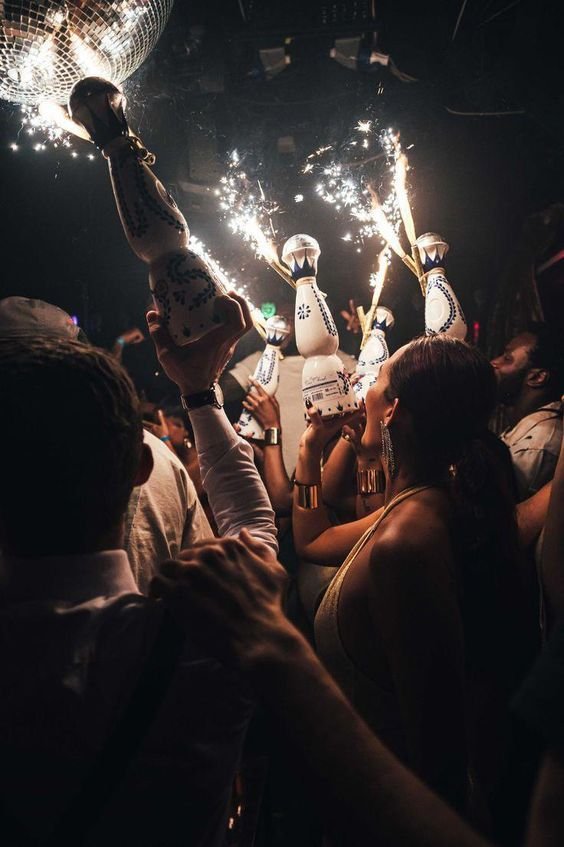
Nightlife in London has always evolved with the times, but certain areas of the city have kept their signature vibe. Chelsea, known for its polished streets and upscale scene, has long leaned toward exclusivity after dark. Today, a new type of Chelsea nightclub is emerging—one that maintains VIP appeal but brings a fresh focus on music, design, and meaningful social energy.
Gallery is one example of how Chelsea’s nightclub scene is evolving. Located in the heart of the neighborhood, it offers more than just a night out—it’s a full experience centered around sound, space, and curated moments. For those looking to be part of it, exploring the Gallery guestlist offers a glimpse into a carefully crafted night.
The Appeal of the VIP Guestlist Culture

VIP nightlife used to be about status: velvet ropes, bottle service, and being seen. But in 2026, the scene has matured. Guests now want more curated experiences where the design, music, and social flow feel intentional, not just exclusive.
Gallery’s guestlist system fits this shift. Being on the list today isn’t just about entry—it’s about stepping into a venue where lighting, sound, and layout all work together to create a memorable night. This trend is visible across Chelsea, where clubs like Raffles Chelsea and Embargo Republica are also reshaping the VIP experience with more experience-driven spaces.
Modern Chelsea nightclubs are responding to this new demand, focusing on environments that feel alive, connected, and thoughtfully designed.
House Music at the Core

Unlike many clubs that bounce between pop hits and commercial EDM, Gallery places house music at its center. This choice gives the club a distinct identity. House music’s popularity in London has continued to grow in 2026, fueled by a post-pandemic craving for deeper, more rhythmic sounds.
Styles like afro-house and melodic house are thriving, with DJs such as Peggy Gou and Black Coffee regularly appearing on London’s top lineups. House music invites connection—it’s about movement, emotion, and unity on the dance floor.
For a Chelsea nightclub, focusing on authentic house music makes the experience richer and more meaningful, offering guests something deeper than just another night out.
The Four-Room Format: Designed for Discovery

Gallery’s four-room layout is another major part of its appeal. Instead of packing everyone into a single dancefloor, the venue encourages exploration and personal choice.
Each room offers a different atmosphere:
-
Main Room: High-energy house music with headlining DJs.
-
Lounge Room: Softer beats ideal for conversation and cocktails.
-
Experimental Room: Showcasing rising local DJs and alternative sets.
-
VIP Terrace: A quieter, exclusive space overlooking Chelsea’s rooftops.
This dynamic design mirrors what’s happening in new London venues like HERE at Outernet and The Beams, where the layout encourages guests to experience different moods during the night.
It reflects a new understanding: a memorable night out should match human rhythms—not just endless loudness.
Cuban Cocktail Bars and the Rise of Hybrid Spaces

Inside Gallery, a Cuban-inspired cocktail lounge adds another layer to the night. Offering rum-forward drinks, tropical interiors, and a softer vibe, it gives guests a refreshing sensory shift between dancefloor sessions.
This design fits into a larger trend seen in Chelsea and beyond, where venues blend club and lounge cultures. Other spots like Albert’s at Beaufort House also create hybrid spaces where people can move from dancing to relaxed conversations seamlessly.
A modern Chelsea nightclub is no longer just a dancefloor—it’s a collection of experiences that ebb and flow naturally through the night.
Read More: List of Indian-Based Web Series That UK People Love to Watch
How Chelsea’s Nightlife Is Evolving in 2026

The broader London nightlife scene has shifted post-2020, and Chelsea is leading the innovation. Instead of focusing solely on luxury, clubs now emphasize:
-
Curated music programming (especially in house and electronic genres)
-
Multi-sensory environments where sound, light, and design are integrated
-
Spaces that support connection, not just performance
Gallery captures this perfectly. It shows that a new wave of Chelsea nightclubs is offering richer, more thoughtful experiences based on real human connection and musical immersion.
As London pushes its nighttime economy plans in 2026, including later licenses and improved late-night transport, Chelsea’s club scene looks ready to thrive even further.
How London Licensing Shapes The Night

Image source: pexels.com
Everything about a London night out is downstream of the licence the venue holds, and it explains patterns visitors find confusing. Most central clubs run to somewhere between two and four in the morning, with a handful licensed later, and each licence is granted by the borough rather than centrally, which is why closing times differ street by street. Many venues stop admission an hour or more before closing, so arriving at one in the morning may mean not getting in at all regardless of the guestlist. Boroughs also apply their own conditions on capacity, door supervision and noise, which shapes how a room feels.
What A Table Actually Buys

Image source: pexels.com
Table service is sold as exclusivity and is more usefully understood as a minimum spend. You are not renting the table; you are committing to spend an agreed amount on bottles, with the table included, and the amount varies enormously by night, by room and by how close to the booth the table sits. Service charge is usually added on top and is frequently not mentioned when the minimum is quoted. Before booking anything, establish three numbers: the minimum spend, whether service is included, and how many people the booking admits, because that last one is where most disputes happen.
Guestlist, Walk-Up And Why Doors Refuse People
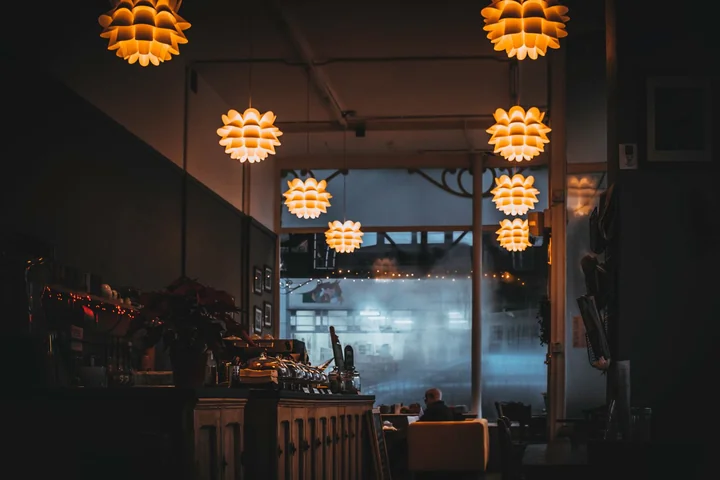
Image source: pexels.com
A guestlist is not a guarantee of entry, and understanding what it is prevents most of the disappointment around it. It usually means free or reduced entry before a stated time, subject to the door’s discretion and to the room’s capacity and mix. Doors turn people away for capacity, for arriving too late, for dress, for large single-gender groups and for visible intoxication, and they are entitled to do so. Arriving earlier than you think necessary solves most of it. Being polite to the person on the door solves a surprising amount of the rest.
Dress Codes, Decoded

Image source: pexels.com
Chelsea and Mayfair rooms are among the stricter in London and the published dress code rarely says what it means. Smart usually rules out sportswear, athletic trainers, shorts and anything with visible branding, while clean plain trainers are increasingly accepted where they were not a few years ago. Tailoring is never wrong in these rooms. Where a venue publishes photographs of its own crowd, they tell you more than the written code does. If in doubt, dress a level above what you think is required, because it costs nothing and the door decides in about two seconds.
Getting Home Afterwards

Image source: pexels.com
Plan this before you go out rather than at three in the morning, because it is where nights actually go wrong. Night Tube runs on several lines on Friday and Saturday nights, the Elizabeth line and the Overground have their own late patterns, and London’s night bus network runs every night of the week and covers areas the Tube does not. Licensed black cabs can be hailed; private hire vehicles must be booked in advance through an app or an office and cannot legally be flagged down. Never get into an unbooked minicab that approaches you outside a club.
Ask For Angela, And Looking After Each Other

Image source: pexels.com
Worth knowing in any venue in the country. Ask for Angela is a scheme operating in many licensed premises across the UK: asking a member of staff for Angela is a discreet signal that you feel unsafe or want to leave a situation, and trained staff will help you out quietly, to a taxi or a safe exit. Beyond that, the ordinary precautions matter more in a busy room than anywhere: keep your drink with you, agree with your group where you will meet if separated, and make sure at least one person knows how everyone is getting home.
Where Else In London Sounds Like This
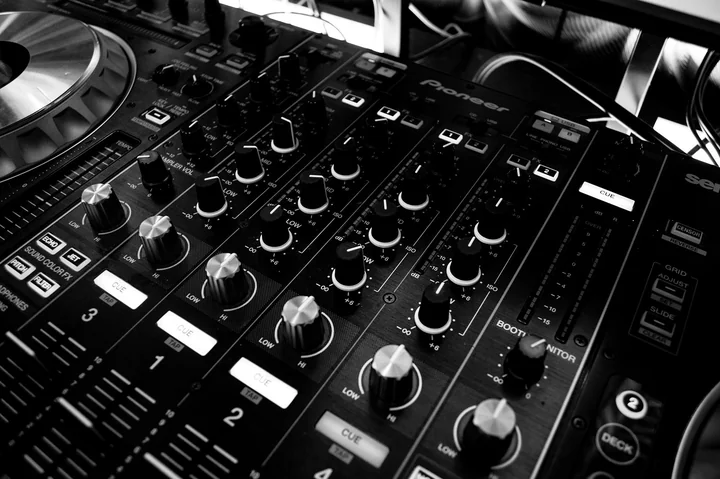
Image source: pexels.com
If the draw is the music rather than the room, Chelsea and Mayfair are one corner of a much larger city. South and east London carry the bigger warehouse and club spaces where house and techno have their deepest audiences, Soho holds the smaller late bars, and a great deal of the most interesting programming happens in venues that are not clubs at all. Following a promoter or a resident DJ rather than a venue is the way people who actually go out plan a night, because the line-up moves and the building stays put.
Making A Night Of It

Image source: pexels.com
For everything before midnight, our guide to the best things to do in London on a weekend covers fares, the free museums and what has to be booked ahead, which is the daytime half of the same trip. Readers heading north instead will find our guide to the best wine and cheese spots in Manchester covers a quieter version of the same evening.
Final Thoughts

Image source: pexels.com
Joining the Gallery guestlist today isn’t just about skipping the queue—it’s about entering a space that values rhythm, social energy, and experience over flash and noise.
Chelsea’s nightlife has always set the bar high. With venues like Gallery and others embracing the future, today’s Chelsea nightclub scene is more exciting, layered, and inspiring than ever.
FAQs

Image source: pexels.com
1. What is special about Gallery nightclub in Chelsea?
Gallery has great music, cool rooms, and a fun, friendly feeling, not just fancy looks.
2. Why should I join the Gallery guestlist?
Joining the guestlist lets you get in faster and enjoy a better night.
3. What music do they play at Gallery?
Gallery plays house music that is fun, smooth, and easy to dance to.
4. What are the four rooms at Gallery?
There’s a dance room, a quiet lounge, a new music room, and a rooftop VIP area.
5. How is Chelsea nightlife changing in 2026?
Chelsea clubs now care more about good music, cool spaces, and people having real fun.