
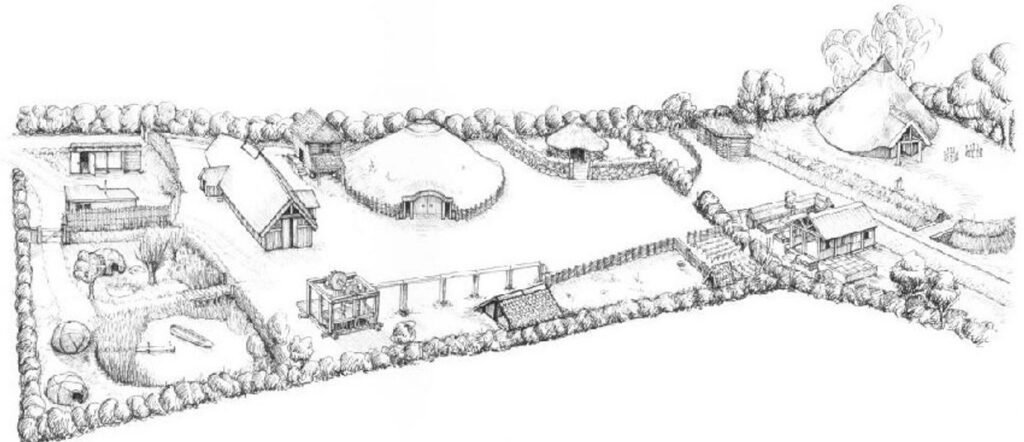
The Ancient Technology Centre (ATC), located in Cranborne, Dorset, is a renowned educational facility dedicated to experimental archaeology and historical craftsmanship. Established in the 1980s, the ATC brings ancient history to life through interactive workshops, reconstructed buildings, and public events that immerse visitors in historical engineering, construction, and daily life practices.
This guide provides comprehensive, up-to-date information on historical reconstructions, workshops, events, ticket prices, and essential visitor details for 2026.
Reconstructed Buildings: A Walk Through Time
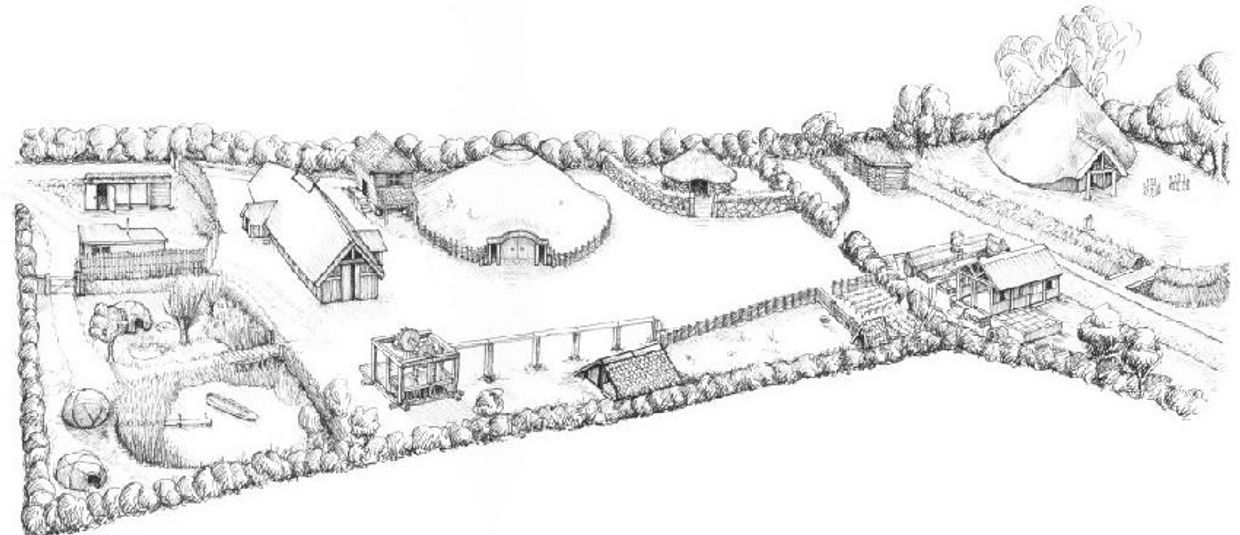
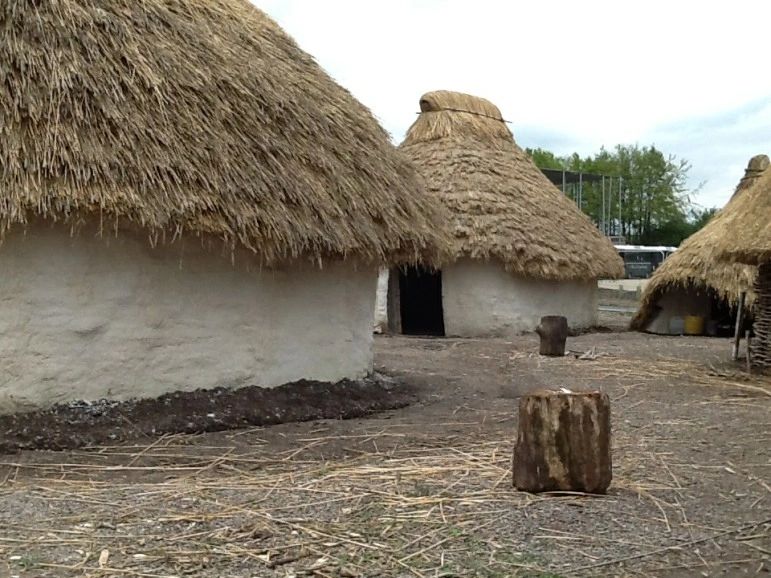
The ATC features six full-scale reconstructed buildings, each based on extensive archaeological research and historical evidence. These structures allow visitors to experience ancient craftsmanship and engineering firsthand.
-
Earthouse
Inspired by excavations on the Isle of Man, this structure provides insights into ancient communal living spaces, constructed using earth and timber techniques. -
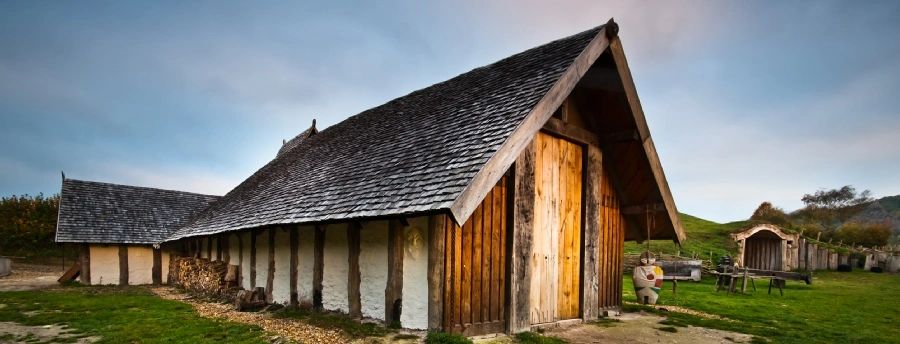
Viking Longhouse
Modeled after Scandinavian Viking settlements, this full-scale longhouse is used for overnight school stays and historical reenactments, reflecting Viking domestic and social life. -
Neolithic Log Cabin
Built using authentic Neolithic woodworking techniques, this cabin represents early farming communities and their use of natural materials. -
Iron Age Roundhouse
Based on Iron Age settlements found in Britain, this circular dwelling showcases fire-making, cooking, and ancient tool-making demonstrations. -
Roman Forge
A reconstruction of Roman-era metal workshops, featuring demonstrations of smelting, blacksmithing, and Roman engineering. -
Saxon Workshop
Built using traditional Anglo-Saxon construction methods, this structure highlights woodworking, metalwork, and domestic craftsmanship from Saxon England.
Each building is constructed based on archaeological research from institutions such as The British Museum and The University of York’s Department of Archaeology.
Workshops and Courses
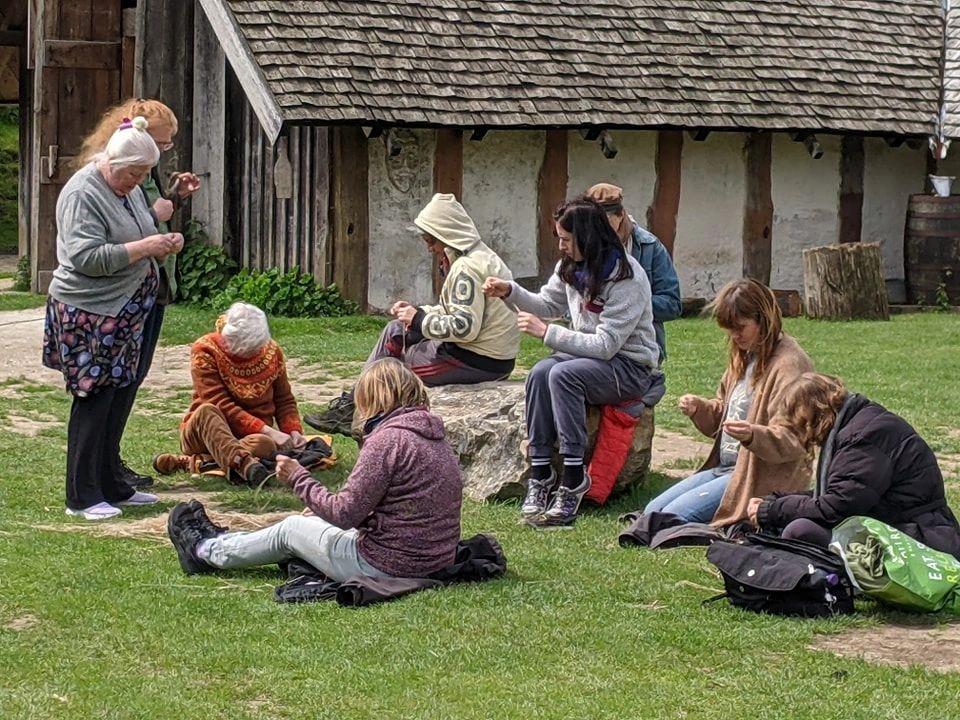
The ATC, in collaboration with Castle Hill Heritage Skills CIC, offers hands-on workshops designed to teach ancient skills through practical experiences. Led by expert archaeologists, historians, and craftspeople, these courses provide a unique learning opportunity.
Upcoming Workshops in 2026:
-
Prehistoric Amber Jewellery (Saturday 11th April 2026) – craft your own amber jewellery with tutor Vanessa Bunton (Puku B).
-
Forge Your Own Key (Saturday 11th & Sunday 12th April 2026) – a one-hour blacksmithing workshop (morning or afternoon slots) with Alistair Butcher (AB Forgeworks).
-
Prehistoric Hunting Technology (Saturday 11th & Sunday 12th April 2026) – explore ancient hunting tools with Rupert Loch (Feral Science); children aged 8+ welcome with an adult.
-
Firelighting in Prehistory (April 2026) – learn primitive fire-making with Rupert Loch (Feral Science); children aged 8+ welcome with an adult.
Fees vary by workshop and places are limited – check current dates, prices and availability on the ATC website.
Book your spot on the official ATC website.
Public Events and Open Weekends
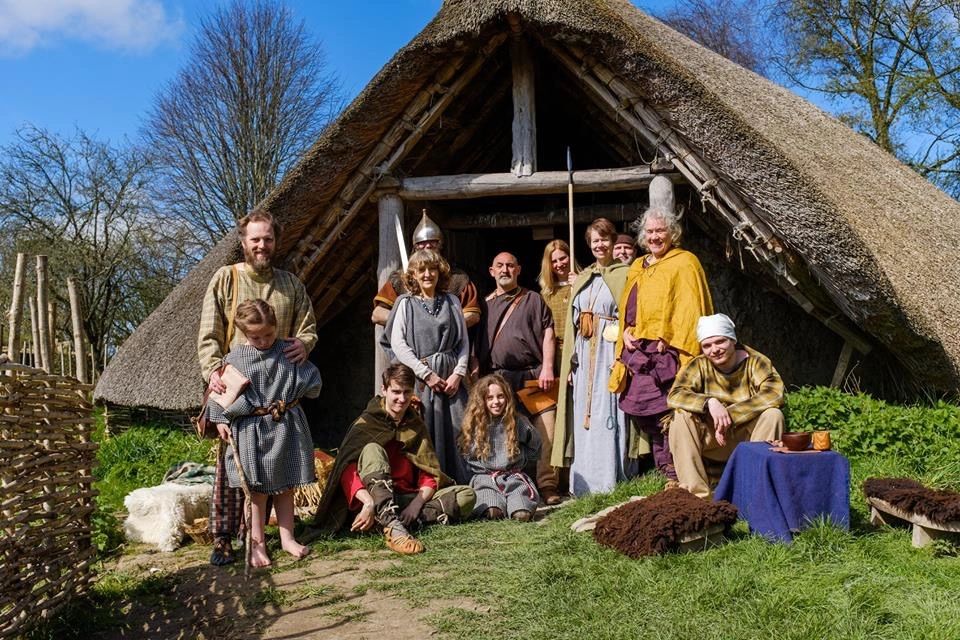
The ATC organizes annual public events that allow visitors to explore ancient skills, witness live demonstrations, and engage with historical experts.
Popular Annual Events:
-
Prehistory Weekend (spring) – experience stone tool-making, ancient cooking, and primitive fire-starting techniques.
-
Dark Ages Open Weekend (summer) – featuring Viking and Saxon reenactments, live storytelling, and battle demonstrations.
-
Apple Weekend (autumn) – a celebration of traditional apple harvesting, cider-making, and fruit preservation techniques.
Exact 2026 event dates are announced on the ATC website and Facebook page – check before you travel.
Event Timings: 10 AM – 4 PM
Tickets: £10 (Adults), £5 (Children under 16), Under 4s FREE
Tickets available at the gate (cash or card), no pre-booking required.
Read Also: Discover Stunning Jurassic Coast Cottages to Rent for Your Perfect Getaway
Educational Programs and School Visits
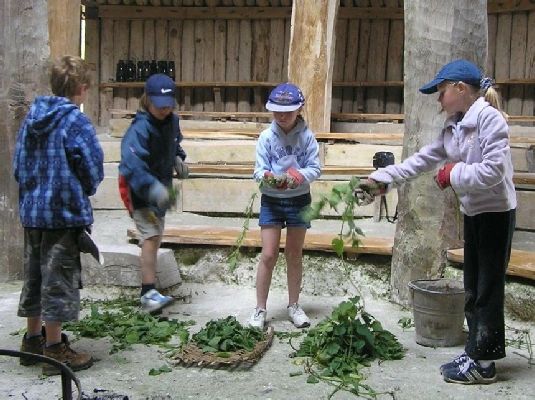
The ATC offers specialized historical programs designed for schools, colleges, and educational groups. These programs align with the National Curriculum and provide hands-on learning experiences.
-
Residential Experiences
- Overnight stays in the Viking Longhouse
- Engaging historical activities & storytelling sessions
-
Day Visits
- Bespoke workshops tailored to history curriculums
- Live demonstrations on prehistoric and medieval craftsmanship
Ticket Prices & Booking Information
General Admission:
- Adults: £8.00
- Children (under 16): £5.00
- Family Ticket (2 Adults + 2 Children): £22.00
- Seniors (65+): £6.00
- Under 5s: FREE
Workshops:
- Half-Day Workshop: £25.00
- Full-Day Workshop: £45.00
- Weekend Workshops: £90.00 (includes materials & refreshments)
Special Events:
- Prices vary – check event booking page for details.
Tickets can be purchased online or at the entrance (subject to availability).
Visitor Information
Location: Damerham Road, Cranborne, Dorset, BH21 5RP
Contact: 01725 517618 | Email: atc@dorsetcouncil.gov.uk
Opening Hours: Open on select weekends and for scheduled events.
Parking: Free on-site parking
Accessibility: Wheelchair-friendly paths available, contact in advance for assistance
Amenities: Refreshments (tea, cake, BBQ) available at events (cash-only food stalls)
Pet Policy: Assistance dogs only
Conclusion

Image source: pexels.com
The Ancient Technology Centre (ATC) is a must-visit destination for history lovers, students, and families. Whether you’re learning ancient skills, witnessing live reenactments, or participating in hands-on workshops, the ATC provides a truly immersive journey into the past.
Plan your visit today! Book your tickets & explore history at ancienttechnologycentre.com.
FAQs

Image source: pexels.com
1. Is the ATC suitable for children?
Yes! Many workshops and events include interactive activities for young visitors.
2. Can I stay overnight at the ATC?
Yes! Overnight stays are available for certain workshops & school groups.
3. Can I volunteer at the ATC?
Yes! Volunteers assist with historical demonstrations & site maintenance.
4. How do I stay updated on events?
Follow ATC’s Facebook pages for updates.
Note: All event details are accurate as of 2026. Visitors are encouraged to check the official Ancient Technology Centre website for the latest updates before planning their visit.
What Experimental Archaeology Actually Is

Image source: pexels.com
The Ancient Technology Centre belongs to a tradition called experimental archaeology: rather than only studying artefacts in a museum, archaeologists and craftspeople rebuild structures and recreate techniques to test how things were really made and used. Building a roundhouse full-size shows how much timber, thatch and labour it needed and how it stands up to weather. Working flint, smelting metal or weaving by hand reveals the skill involved. It is learning by doing, which is why a visit feels so different from a gallery.
The Landscape Around It
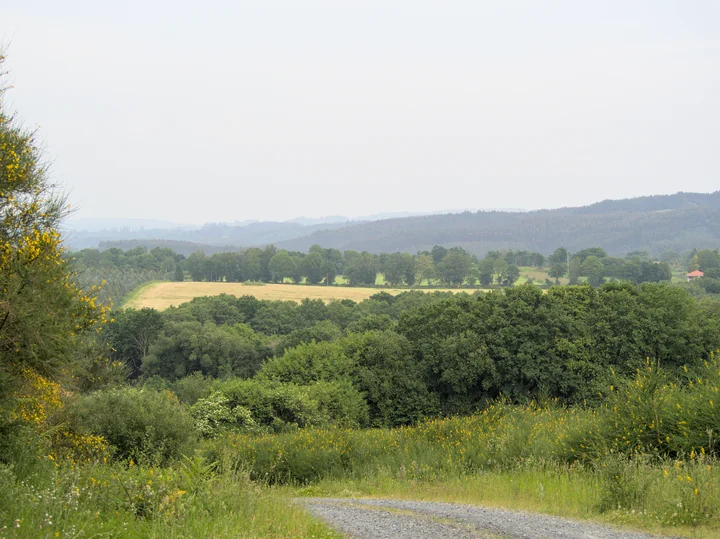
Image source: pexels.com
The centre sits in Cranborne Chase, a chalk landscape spanning parts of Dorset, Wiltshire and Hampshire that is rich in prehistoric sites and is protected as a National Landscape, the name now used for what were Areas of Outstanding Natural Beauty. Barrows, earthworks and ancient routes survive across the Chase. Combining a visit to the centre with a walk in the surrounding countryside gives a much stronger sense of how prehistoric people lived in this landscape.
Other Sites To Visit Nearby

Image source: pexels.com
Several major prehistoric sites are within reach for a longer trip. Maiden Castle near Dorchester is one of the largest Iron Age hillforts in Europe and is free to walk around. Butser Ancient Farm in Hampshire is another leading experimental archaeology site with reconstructed buildings from different periods. Stonehenge and the wider World Heritage landscape in Wiltshire are also a drive away. Together they make a good weekend itinerary for families interested in history.
What To Wear And Bring

Image source: pexels.com
Much of a visit is outdoors or in unheated reconstructed buildings, so dress for the weather. Sturdy footwear is essential, since paths can be muddy, and layers help because roundhouses can be smoky and warm near the fire and cold away from it. For workshops, wear clothes you do not mind getting dirty, particularly for activities involving clay, charcoal or woodworking. Check the centre’s own guidance before a course, as some activities have specific requirements.
Why Reconstruction Matters To Archaeology

Image source: pexels.com
Reconstructions are not just for visitors. Building and living with a structure over years shows how it weathers, how long its timbers last and how it might collapse, which helps archaeologists interpret the post holes and burnt remains found on real excavations. Experiments with tools and fires test theories about how artefacts were made. Every reconstruction is a hypothesis in full size, and centres like this one generate evidence as well as education.
School Groups And Learning

Image source: pexels.com
Hands-on sites like this are particularly valuable for school groups, because children remember what they build, touch and try far better than what they read. Prehistory is part of the primary history curriculum in England, and a day spent in a reconstructed roundhouse turns an abstract topic into something concrete. Teachers planning a visit should book early and check what risk assessment information the centre provides. For other ideas for curious families, see our guide to the history of Minecraft’s icons and banners, a very different kind of building.
For more of Dorset’s deep history, see our guide to the Etches Collection museum of Jurassic marine life.