
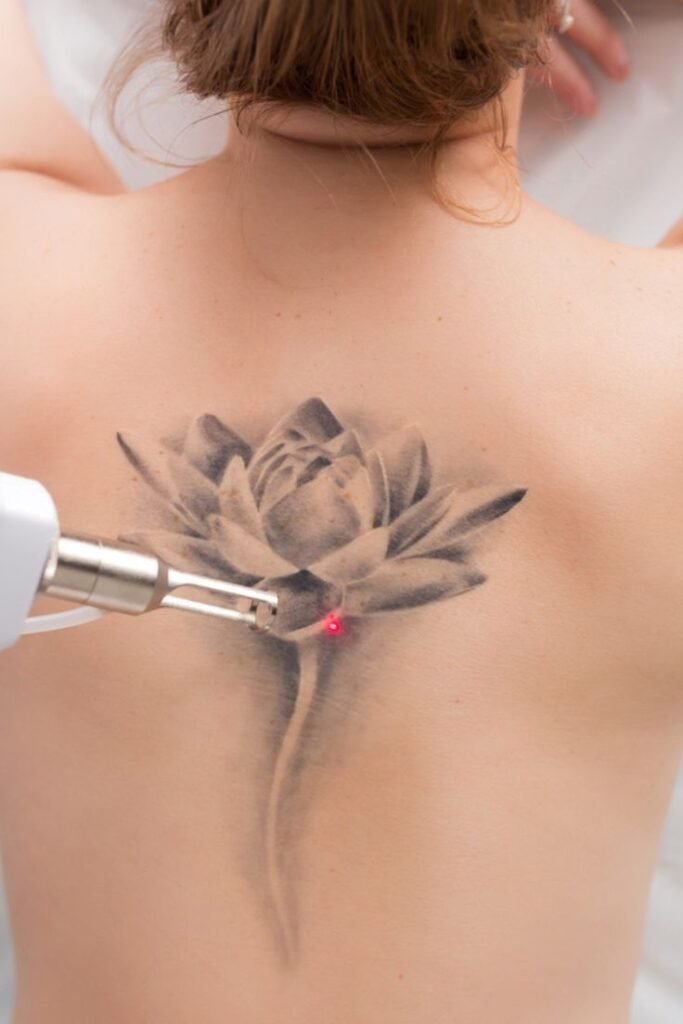
Tattoo removal is now easier, safer, and more effective than before. Many people remove tattoos for personal or job-related reasons. In recent years, tens of thousands of laser tattoo removal procedures have been performed in the U.S. annually, with demand rising steadily.
This article lists the five best tattoo removal companies in the United States based on their technology, customer reviews, effectiveness, and affordability.
1. Removery

Best for: Nationwide availability and advanced laser technology
Removery is the largest specialized tattoo removal company in the world, with over 150 locations across the U.S., Canada, and Australia, including New York, Los Angeles, and Miami. They use PicoWay and Q-switched lasers, which work well on all skin tones and minimize side effects.
Key Features:
-
Uses FDA-approved PicoWay and Q-switched lasers
-
Personalized treatment plans for each client
-
Free consultations
-
Offers financing options
Customer Reviews:
RealSelf reviews show that the vast majority of clients are happy with their tattoo removal results, with many reporting less pain and faster recovery.
If you are in New York City, visit their Manhattan tattoo removal clinic for high-quality treatments. Customers praise their professional staff and clear communication.
2. Invisible Ink Tattoo Removers

Best for: Personalized and skin-safe tattoo removal
Invisible Ink Tattoo Removers use PicoSure laser technology, which is effective for breaking down tough ink pigments. They have clinics in Georgia, Pennsylvania, and Tennessee.
Key Features:
-
Uses PicoSure lasers for faster healing
-
Works on all skin types with little discomfort
-
Staff includes trained dermatology professionals
-
Transparent pricing with package discounts
Customer Reviews:
Clients appreciate their focus on skin safety and honest consultations about expected results.
3. Tataway

Best for: Fast tattoo removal in fewer sessions
Tataway specializes in quick tattoo removal using PicoSure lasers. Their clinics are in New York, Boston, and Philadelphia. This laser can remove tattoos up to 30% faster than traditional methods.
Key Features:
-
Only focuses on tattoo removal
-
Uses advanced laser technology
-
Free consultations to assess tattoo size and cost
-
Clinics in major cities
Customer Reviews:
People like their honest timeline for tattoo fading and fewer sessions needed for results.
4. Astanza Laser Clinics

Best for: Clinics that use industry-leading technology
Astanza is a company that supplies laser technology to top tattoo removal clinics across the U.S. Their lasers are known for being very effective, even on tough ink colors like blue and green.
Key Features:
-
Used by leading dermatology and laser centers
-
Effective on all skin types and ink depths
-
High success rates with minimal scarring
Customer Reviews:
Most clinics using Astanza technology report high satisfaction rates and very little scarring.
5. Clean Slate Tattoo Removal

Best for: Budget-friendly tattoo removal
Clean Slate offers affordable tattoo removal without compromising on quality. Their clinics are in Texas, Florida, and California.
Key Features:
-
Clear pricing with no hidden fees
-
Works on all skin tones and ink colors
-
Staff includes certified laser technicians
-
Offers both single-session and package deals
Customer Reviews:
Clients love their reasonable pricing and clear explanations of the removal process.
How to Choose the Right Tattoo Removal Clinic

When selecting a tattoo removal provider, consider the following:
✅ Laser Technology – Choose clinics using PicoWay, PicoSure, or Q-switched lasers.
✅ Certified Specialists – Ensure the clinic has licensed professionals.
✅ Cost and Financing – Some clinics offer payment plans.
✅ Customer Reviews – Check reviews on Google, Yelp, and Trustpilot.
Conclusion
Choosing the right tattoo removal company ensures safe and effective results. Whether you want nationwide availability, affordable treatments, or quick removal, these five companies offer top-rated services.
If you’re in New York City, Removery’s Manhattan clinic is a great option for expert tattoo removal.
Before making a decision, consult a specialist to understand the costs, risks, and expected results. With the right clinic, removing unwanted ink is now easier than ever!
FAQ: Common Questions About Tattoo Removal
1. How long does it take to remove a tattoo?
Most tattoos need 6-10 sessions. Black ink tattoos usually take 8 sessions, while multi-colored tattoos may take 10-12 sessions.
2. Does tattoo removal hurt?
Laser removal can feel like a rubber band snap, but numbing creams can help.
3. How much does tattoo removal cost?
It usually costs between $200 to $500 per session, depending on tattoo size and number of treatments.
4. Does laser tattoo removal leave scars?
When done by professionals using FDA-approved lasers, scarring is rare.
5. Can all tattoo colors be removed?
Black and dark ink are the easiest to remove. Green, blue, and yellow require special laser treatments.
If You Are Reading This In The UK
The companies above operate in the United States, and the regulatory position in Britain is different enough to matter. Laser tattoo removal here is not covered by a single national registration scheme: requirements differ between England, Scotland, Wales and Northern Ireland, and in England local authorities license premises rather than a national health regulator. What that means in practice is that the burden of checking falls on you. Look for the practitioner’s training and insurance, ask which register or licensing scheme the clinic holds, and treat a clinic that cannot answer those questions clearly as a clinic to leave.
How Laser Removal Actually Works
Understanding the mechanism explains everything else about the process. The laser fires extremely short pulses of light at a wavelength absorbed by the tattoo pigment, which shatters the ink particles into fragments small enough for the body’s immune system to carry away. The clearance, not the laser, is what removes the tattoo, and that is why sessions have to be spaced weeks apart: you are waiting for your body to do the work. Older Q-switched machines pulse in nanoseconds; newer picosecond machines pulse a thousand times faster and generally clear some inks in fewer sessions.
How Many Sessions, Realistically
Image source: pexels.com
Anyone promising removal in two or three sessions is selling rather than advising. Most tattoos need somewhere between six and twelve sessions, and some need considerably more, spaced roughly six to eight weeks apart to let the immune system clear the fragmented pigment and the skin recover. That puts a full removal at a year or more for most people. The variables are the age of the tattoo, how deeply the ink was placed, whether it was done professionally or amateur, the colours used, its position on the body and your own circulation and immune response.
Which Colours Are Hardest
Colour is the single biggest predictor of difficulty. Black is the easiest, because it absorbs every wavelength, which is why old amateur black tattoos often clear fastest. Dark blues and greens need specific wavelengths and more sessions. Reds respond reasonably well to the right wavelength. Light colours are the problem: yellows, pale blues and particularly white ink are difficult to shift, and white or flesh-toned cosmetic pigments can oxidise and darken on the first pulse, which is why a test patch matters enormously on any tattoo containing them.
Cost, And Why Packages Are Sold
Pricing is normally per session and scales with the size of the tattoo, which is why clinics quote by area rather than by design. Because most tattoos need many sessions, clinics frequently sell packages or a fixed price to completion, which can genuinely be cheaper than paying each time. Read what completion means in the contract: some guarantees cover a defined number of sessions rather than an outcome, and clearance is never guaranteed on every ink. Ask what happens if the tattoo stops responding, and get the answer in writing before you pay for a package.
The Risks Worth Knowing About
Laser removal is generally safe in trained hands and is not risk-free. Blistering and crusting in the days after a session are common and expected. The less common outcomes are pigment changes in the skin, either lighter or darker than the surrounding area, and scarring, which is usually associated with aggressive settings or with picking at the healing skin. Risk of pigment change is higher for people with darker skin tones, which is why an experienced practitioner will assess skin type and adjust the wavelength and settings accordingly rather than using one protocol for everyone.
What To Ask At The Consultation
Six questions separate a good clinic from a poor one. What machine do you use, and what wavelengths does it cover? What training does the person operating it hold? Will you do a test patch first, and when? How many sessions do you estimate for this specific tattoo, and what are you basing that on? What does your pricing cover and what happens if it stops responding? And what is the aftercare protocol? A clinic that answers all six without hesitating has done this properly. One that starts with the discount is answering a different question.
Aftercare Between Sessions
What happens between appointments affects the result as much as the laser does. Keep the area clean, covered as advised, and do not pick at blisters or scabs, because that is the main route to scarring. Keep it out of the sun and use a high-factor sunblock on the area for the whole course of treatment, since tanned skin both complicates the next session and increases the risk of pigment change. Staying hydrated and not smoking genuinely helps, because the whole process depends on your immune system clearing the pigment. This is the part you control.