

Legacy Shave is best known for a Shark Tank appearance that almost nobody describes accurately. The usual version is that the Gutow brothers landed a $700,000 deal with Lori Greiner. What actually happened is stranger, and it is the only honest way to answer a question about what the company is worth.
They asked for $300,000 for 10%. Lori Greiner offered $1 million for 100% of the company, plus a 3% royalty on net sales for life. She then asked to buy the patents outright. When Mike asked whether he could keep 5%, she revised it to $700,000 for 95%. He accepted. Every other Shark went out.
That is not an investment. It is an acquisition — and the numbers behind the pitch explain exactly why.
Last updated: 20 October 2026. Pitch details and the sales figures stated on the programme checked on this date.
The facts behind the pitch
- Episode: Shark Tank season 14, episode 7, November 2022
- The ask: $300,000 for 10% — a $3 million valuation
- First offer: $1,000,000 for 100% plus a 3% lifetime royalty
- Deal accepted on air: $700,000 for 95%
- Other Sharks: all four went out
- Did it close? Reportedly not — founders still own the company
- Sales in the last year stated: $42,000
What this article covers
The Sales Figures That Explain Everything

Start here, because every other part of the story follows from it. These are the yearly sales figures stated during the pitch.
Yearly sales figures given during the Shark Tank pitch, in thousands of US dollars. 2022 also included a $63,000 purchase order. Source: reporting of the season 14 episode.
Read the right-hand side of that chart. Sales peaked at $390,000 in 2020, fell to $96,000 in 2021, and then to $42,000 in 2022. That is a fall of roughly 89% in two years.
The family had put in more than $400,000 of its own money. Lifetime sales at that point were stated as just over $1 million across more than 100,000 units in five years. So the company had sold a real product to real customers — and by the time it reached the tank, it was running on $42,000 a year.
Hold that number next to the $7 million estimated valuation you will find on other pages about this company — an estimate nobody has ever sourced to an account.
What Really Happened in the Tank

Every step there is the behaviour of a buyer, not a backer. An investor takes a minority stake and helps you grow. Lori Greiner offered to take the whole thing, and when that was resisted, to take the patents instead. The 95% figure was not a negotiating position; it was what was left after the founders asked to keep a token share.
And it was a reasonable offer. Given sales of $42,000 and a declining trend, $700,000 in cash was real money. The product worked; the business had stalled. Buying the asset rather than funding the company was the rational move.
The Deal That Reportedly Never Closed
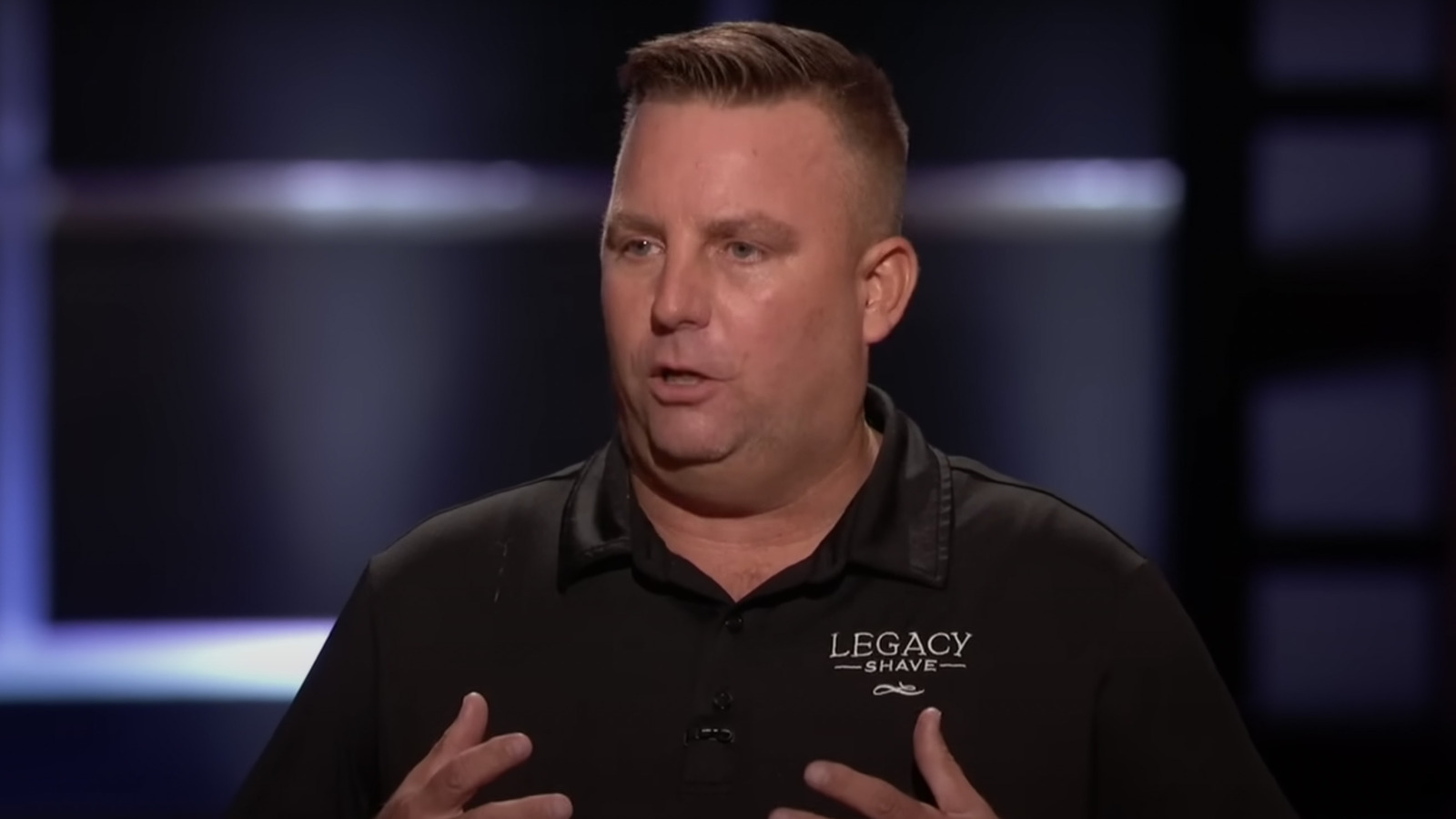
Here is the part that matters most to anyone searching for the company’s value, and the part that is almost universally left out.
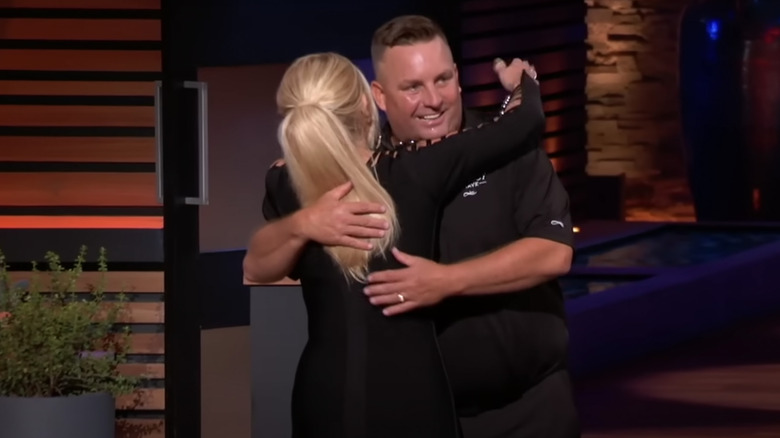
A handshake on television is not a signed contract. Reporting indicates the Legacy Shave deal had not officially closed as of August 2023, and that it subsequently fell through after due diligence. The founders continued to own the company.
This is normal rather than scandalous. A significant share of deals agreed on Shark Tank and Dragons’ Den never complete. What is agreed on camera is subject to due diligence afterwards — the investor examines the accounts, the contracts, the intellectual property and the liabilities, and either proceeds or walks away. Television shows the handshake because the handshake is the drama.
The practical consequence here is specific. If the deal did not close, the founders did not receive $700,000 and did not give up 95%. Any page valuing the company on the basis of that transaction is valuing something that did not happen.
So What Is It Actually Worth?
| Figure you will see | What it actually is |
|---|---|
| “Valued at around $7 million in 2026” | A third-party estimate, published as an estimate. No accounts support it |
| “Revenue around $1.9 million” | Also a third-party estimate for 2025 and 2026, not a reported figure |
| “A $700,000 Shark Tank deal” | An offer accepted on air that reportedly never closed |
| “Lifetime sales over $4.8 million” | An estimate. The figure stated on air was just over $1 million |
| $42,000 | The sales figure for the last full year given on the programme. A stated figure, not an estimate |
Estimates as published by third-party trackers, which label them as estimates. On-air figures as reported from the season 14 episode. Read 20 October 2026.
Legacy Shave is a private company. It files no public accounts anywhere. There is no filing to read, no turnover disclosed and no valuation confirmed. The gap between $42,000 of stated sales and a $7 million estimated valuation is not a difference of opinion — it is the difference between a reported number and an invented one.
None of which means the business is failing today. It still trades, still sells through its own website, Amazon and retailers, and has broadened its range beyond the original brush. It simply means nobody outside the company knows what it is worth.
The Brush, and Where the Name Came From

The product is genuinely clever. The Evolution Shave Brush attaches to a standard shaving cream can, so the cream dispenses through the brush — combining the feel of a traditional badger brush with the convenience of a modern can.
The name is the point. Mike and Dave Gutow built it around their father’s shaving brush, which is why a grooming accessory is called Legacy. That emotional origin is real, it is well told, and it is also what made the pitch difficult — selling 95% of something named after your father is not a straightforward decision.
Four days after the episode aired, a QVC appearance sold out 2,500 units and added more than 800 customers. The television exposure worked, whatever happened to the deal. For other founder stories where the numbers are documented, see our ranking of the richest UK entrepreneurs.
Why Sales Fell So Sharply
The chart raises an obvious question that the pitch itself partly answers. A product selling $390,000 a year does not fall to $42,000 by accident.
| Pressure | Why it bites a product like this |
|---|---|
| A single-product range | Until recently the business rested almost entirely on one accessory. One product means one revenue line and nothing to fall back on |
| It depends on another company’s packaging | The brush fits a standard shaving cream can. If can designs change, the product has to follow |
| Grooming is dominated by giants | Shelf space in this category is fought over by companies with enormous marketing budgets |
| Customer acquisition costs rose | Online advertising became markedly more expensive across the early 2020s for every direct-to-consumer brand |
| It is a durable product | A brush that lasts does not generate repeat purchases. The business has since added razors and creams, which do |
General pressures on a single-product direct-to-consumer brand, set against the sales pattern stated on air.
That last row is the structural one. A brush you buy once is a good product and a hard business. Adding consumables — razors, cream, gift sets — is the obvious answer, and it is what the company has since done.
What This Teaches About TV Deals
- The handshake is not the deal. Due diligence follows, and a large share of televised agreements never complete.
- An acquisition offer is not an investment. If a Shark wants 95% or 100%, they are buying an asset, not backing a founder.
- The valuation in the ask is the founder’s opinion. $300,000 for 10% implies $3 million; the offers that followed implied about $737,000.
- Exposure is the real prize. The QVC sell-out happened regardless of whether any money changed hands.
- Check whether a deal closed before you believe a valuation built on it. It is the single most skipped step in this entire genre.
The same caution applies to any audience-based business, including the creators we looked at in our ResortTV1 profile: visible success and verified finances are different things.
Frequently Asked Questions
What is Legacy Shave’s net worth?
There is no verified figure. It is a private company that files no public accounts. The estimates circulating online, including a valuation of around $7 million, are explicitly labelled as estimates by the sites that publish them.
What was the Legacy Shave Shark Tank deal?
They asked for $300,000 for 10%. Lori Greiner eventually offered $700,000 for 95% equity, which Mike Gutow accepted on air. Every other Shark went out.
Did the Legacy Shave Shark Tank deal actually close?
Reportedly not. It had not officially closed as of August 2023, and later reports indicate it fell through after due diligence. The founders continued to own the company.
Why did Lori Greiner want 95%?
Because she was not investing in the business, she was buying it. Her first offer was $1,000,000 for 100% plus a 3% royalty on net sales for life. She then asked to buy the patents outright. The 95% version came only when Mike asked to keep 5%.
What were Legacy Shave’s actual sales?
As stated on the programme: $70,000 in 2018, $370,000 in 2019, $390,000 in 2020, then $96,000 in 2021 and $42,000 in 2022, plus a $63,000 purchase order. Sales had fallen about 89% from the 2020 peak.
Which episode was Legacy Shave on?
Season 14, episode 7, broadcast in November 2022. A QVC appearance followed four days later and sold out 2,500 units.
Who founded Legacy Shave?
Brothers Mike and Dave Gutow. The idea came from their father’s shaving brush, which is where the name comes from. The family had invested more than $400,000 of its own money before the show.
Is Legacy Shave still in business?
Yes. It still trades under the founders, selling the Evolution Shave Brush alongside razors, shaving cream and gift sets through its own site, Amazon and retailers.
How many units has it sold?
More than 100,000 over five years as of the pitch, with lifetime sales then stated at over $1 million.
Are the $1.9 million revenue figures real?
They are third-party estimates for 2025 and 2026, published as estimates rather than as reported accounts. The company has not confirmed them and files nothing publicly.
Conclusion
The real Legacy Shave story is better than the tidy one. Two brothers built a product around their father’s shaving brush, sold more than 100,000 of them, watched sales fall from $390,000 to $42,000, and took the company on television — where the only Shark interested offered to buy the whole thing outright.
They accepted $700,000 for 95% on air. The deal reportedly never closed. They still own the company, it still trades, and what it is worth today is nobody’s business but theirs — because no filing exists to tell you otherwise.
Sources
- Shark Tank Blog — Legacy Shave pitch detail, sales figures and deal status
- Legacy Shave — official site
- Legacy Shave on Instagram
- Legacy Shave on Facebook
- Legacy Shave on X
Disclaimer
Pitch details and the yearly sales figures are as stated on the Shark Tank season 14 episode and reported afterwards, checked on 20 October 2026. Reports that the deal did not close are secondary and the company has not published a statement on it. Legacy Shave is a private company that files no public accounts; valuation and revenue figures circulating online are third-party estimates and are labelled as such by the sites publishing them. No verified net worth figure exists and none is published here. More from The UK Post.

Image source: legacyshave.com