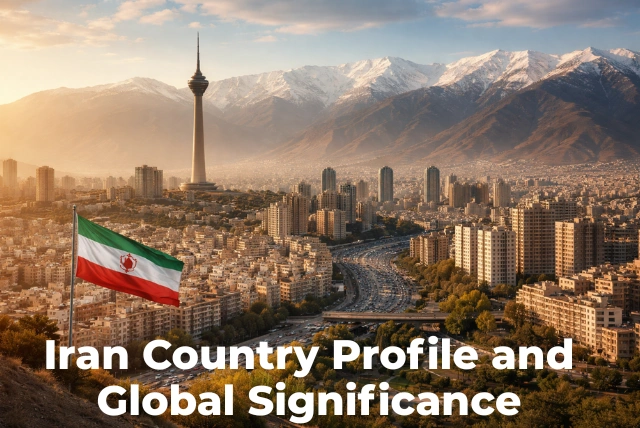

Late one evening, as global news alerts flashed across phones, many people paused at a familiar name — Iran. For some, it brought thoughts of rising tensions; for others, curiosity about a country that has shaped history for thousands of years. But beyond the headlines, Iran is more than conflict and politics. It is a land of ancient empires, powerful leaders, and a people navigating modern challenges every day. Whether you’ve heard about oil markets shifting or protests making global news, understanding Iran helps make sense of a bigger global story. This article takes you through the real Iran — its past, its system, and why it continues to matter today.
A Land That Connects Continents and Cultures
Imagine standing at a crossroads where Asia meets the Middle East — that is exactly where Iran sits. Its location has always made it important, not just for trade but for power and influence. For centuries, traders, armies, and travelers passed through this land, shaping its identity.
Iran is not just deserts as many might think. It has mountains, cities, and vast landscapes that tell different stories. Tehran, the capital, is a busy and modern city where millions go about their daily lives, dealing with both opportunities and challenges.
What makes Iran unique is its mix of old and new. You might see ancient traditions followed in one street, and modern technology used in the next. According to Britannica, Iran’s geography and position have made it a key player in regional history and global connections.
The Story of Persia: A History That Still Lives Today
Walk through Iran, and you are walking through history. This country was once known as Persia, one of the greatest empires the world has ever seen. Stories of kings, wars, and culture are still alive in its identity today.
Thousands of years ago, powerful rulers built empires that stretched across continents. Then came invasions, including one led by Alexander the Great, which changed the course of history. Later, Islam became a central part of life, shaping the nation deeply.
One of the biggest turning points came in 1979, when the Iranian Revolution changed everything. The monarchy was removed, and a new system based on religion and politics was created. As reported by Britannica History, this moment still defines Iran’s modern identity.
Inside Iran’s Unique Political System
If you ask someone how Iran is governed, the answer is not simple. It is not just a democracy or just a religious state — it is a mix of both.
At the top is the Supreme Leader, a figure who holds the highest power. He influences major decisions, including military and foreign policy. Below him is the President, elected by the people, who manages day-to-day affairs.
This balance often creates tension between public opinion and religious authority. Many citizens want reforms, while leaders focus on maintaining the system.
According to Britannica Government, Iran’s structure combines elected bodies with strong religious oversight, making it one of the most unique systems in the world.
Oil Wealth: The Power Behind Iran’s Economy
Picture a country sitting on one of the largest oil reserves in the world — that is Iran. Oil has been both a blessing and a challenge for the country.
For years, oil exports have brought huge revenue, helping build industries and infrastructure. But this dependence also makes the economy fragile. When oil prices drop or sanctions rise, everyday life becomes harder for people.
Many families feel this directly. Rising prices and fewer job opportunities have become common concerns. According to Britannica Summary, Iran holds around 10% of global oil reserves, making it a major energy player.
Beyond oil, industries like manufacturing and agriculture continue to grow, but challenges remain.
Sanctions and Daily Life: The Hidden Struggle
While headlines often talk about politics, the real impact is felt in homes and markets across Iran. International sanctions have changed how people live, shop, and work.
Imagine going to buy basic goods and finding prices have doubled. This is a reality for many Iranians. Sanctions limit trade, making imports expensive and sometimes unavailable.
Businesses struggle to connect with global markets, and young people often find it hard to secure stable jobs. According to Wikipedia, these economic pressures have led to inflation and unemployment challenges.
This situation has also sparked protests, as people demand better conditions and more opportunities.
Iran’s Role in Global Conflicts
Turn on international news, and Iran is often part of the conversation. Its role in regional conflicts makes it a key player on the global stage.
In recent years, tensions with countries like the United States and Israel have increased. Military actions, including airstrikes, have raised concerns about larger conflicts.
These events are not just political — they affect global markets, especially oil. A single incident can cause prices to rise worldwide.
At the same time, Iran supports allies in the region, strengthening its influence. This complex web of relationships keeps the country at the center of global discussions.
The Nuclear Debate: Why the World Is Watching
One of the biggest concerns surrounding Iran is its nuclear program. Many countries worry about what it could mean for global security.
For years, negotiations have taken place to limit Iran’s nuclear activities. Some agreements were made, but tensions continue.
For ordinary people, this issue might seem distant, but it has real effects. It leads to sanctions, political pressure, and uncertainty about the future.
The debate is not just about weapons — it is about trust, power, and global stability. That is why Iran remains in the spotlight.
Voices From the Streets: Protests and Public Sentiment
In recent years, videos from Iran have shown people taking to the streets. These protests tell a powerful story about everyday struggles.
Many citizens are calling for economic improvements, social freedoms, and political change. These movements are often led by young people who want a different future.
While some protests are peaceful, others face strong responses from authorities. This creates a tense environment across the country.
Despite challenges, these voices show the strength and resilience of the Iranian people.
How Iran Impacts the Global Economy
It might seem surprising, but what happens in Iran can affect people thousands of miles away. This is mainly because of oil.
When tensions rise in Iran, global oil prices often increase. This affects fuel costs, transportation, and even food prices worldwide.
Countries that rely on oil imports watch Iran closely. Any disruption can create ripple effects across economies.
This is why Iran is not just a regional issue — it is a global one.
More Than Headlines: A Country Beyond Conflict
Despite everything, Iran is not just about politics and conflict. It is a country with rich culture, history, and people trying to live normal lives.
Families celebrate traditions, students pursue education, and businesses continue to grow. Life goes on, even in difficult times.
Understanding Iran means looking beyond headlines and seeing the human side of the story.
If you’re interested in global stories and personalities, you might also enjoy reading about BBC presenter Carol Kirkwood’s career journey or explore insights into Madison Alworth’s professional life.
Conclusion
Iran is a country that continues to shape global events in many ways. From its ancient history to its modern political system, it remains a place of deep complexity and importance. The story of Iran is not just about conflict — it is about people, resilience, and a nation balancing its past with its future. As you follow global news, understanding Iran gives you a clearer picture of what is really happening in the world. Stay curious, keep exploring, and continue learning about the stories that shape our global future.
FAQs About Iran
What is Iran known for?
Iran is known for its rich history, ancient Persian culture, and large oil reserves. It is also important in global politics due to its location and influence in the Middle East.
What type of government does Iran have?
Iran has a unique system that combines religious leadership with elected officials. The Supreme Leader holds the highest power, while the President manages daily government work.
Why is Iran important to the global economy?
Iran is important because of its large oil reserves. Changes in Iran’s oil production or political situation can affect global oil prices and economies.
What are the main challenges in Iran today?
Iran faces challenges like economic sanctions, inflation, unemployment, and political tensions both inside the country and internationally.
Is Iran currently involved in conflicts?
Yes, Iran is involved in regional tensions and conflicts, especially with countries like the United States and Israel, which impacts global stability.