
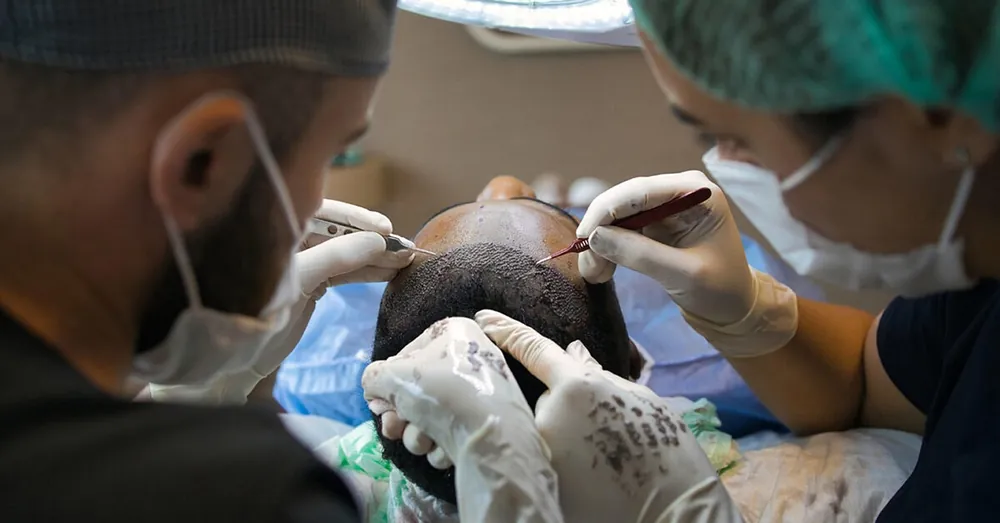
Hair loss affects over 15 million adults in the UK in 2026. Whether it’s caused by stress, genetics, ageing, or hormonal changes, the emotional impact is significant. Fortunately, hair transplant methods today are more advanced, precise, and natural-looking than ever before.
With options like FUE, FUT, DHI, and even AI-powered robotic surgery, choosing the right procedure depends on your hair type, budget, and expectations. This guide explores the latest techniques, costs, recovery timelines, and what to consider before deciding.
Hair Loss & Transplant Demand in 2026

Image source: pixabay.com
Globally, 50% of men and 30% of women experience noticeable thinning by age 50. In the UK, there’s been a 30% rise in hair transplant inquiries in 2026. Increased awareness, better financing, and improvements in surgical tools are making treatments more accessible to both men and women.
What Are the Top Hair Transplant Methods?

Image source: pixabay.com
The most popular hair transplant techniques in 2026 include:
-
FUE (Follicular Unit Extraction)
-
FUT (Follicular Unit Transplantation)
-
DHI (Direct Hair Implantation)
-
Robotic Hair Transplants (e.g., ARTAS)
-
Sapphire FUE
-
Stem Cell-Enhanced Transplants
Each has different benefits depending on your goals, hair type, and desired recovery speed.
Hair Transplant Techniques Comparison Table (UK – 2026)
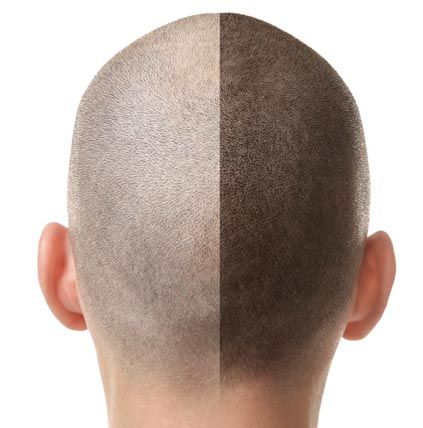
Image source: pinterest.com
| Technique | Avg. Cost (UK) | Recovery Time | Scarring | Success Rate | Best For |
|---|---|---|---|---|---|
| FUE | £2,000–£6,000 | 7–10 days | Minimal | 90–95% | Mild-moderate hair loss, short styles |
| FUT | £1,500–£4,000 | 10–14 days | Linear scar | 85–90% | Large bald areas, more grafts |
| DHI | £3,000–£8,000 | 5–7 days | Minimal | 95–98% | Natural look, high density |
| Robotic (ARTAS) | £5,000–£10,000 | 5–10 days | Minimal | 92–96% | Tech-assisted precision |
| Sapphire FUE | £3,000–£7,000 | 6–9 days | Minimal | 92–95% | Precision areas, sensitive scalp |
| Stem Cell Combo | £4,000–£9,000+ | 5–7 days | Minimal | Still emerging | Rejuvenation, younger patients |
Technique Deep Dive
1. FUE – Popular and Reliable

Image source: freepik.com
FUE extracts individual follicles from a donor area and transplants them where needed. By 2026, upgraded micro-punches (0.6–0.8mm) and plasma therapy are improving accuracy and healing.
Pros:
-
No linear scar
-
Good for short hairstyles
-
Fast healing
Cons:
-
May require shaving donor area
-
Full results in 9–12 months
2. DHI – The Most Advanced Method
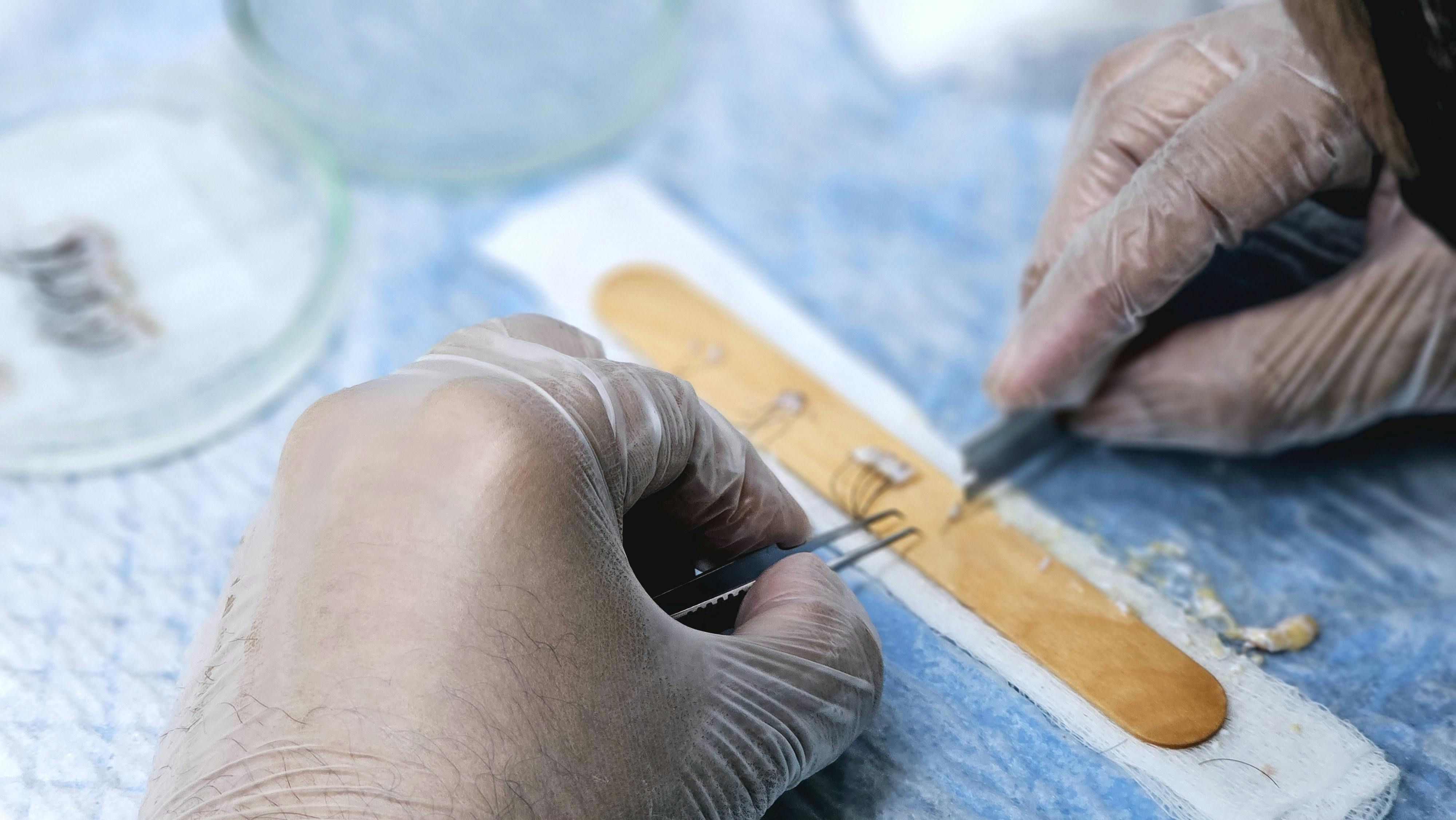
Image source: pexels.com
DHI is a next-gen FUE technique using a Choi Implanter Pen that allows surgeons to extract and implant grafts in one go. It offers the highest graft survival rate (up to 98%) and exceptional natural-looking results.
One of the UK clinics leading this innovation is Longevita, a provider known for its advanced procedures, including the DHI hair transplant technique, which prioritises precision and recovery speed.
Why Choose DHI in 2026:
-
No channel creation, less trauma
-
No need to shave recipient area
-
Quick recovery (3–5 days)
-
High density, natural angles
Best For:
-
Professionals needing discretion
-
Women with thinning crowns
-
Hairline design enthusiasts
3. FUT – Best for High Graft Volume
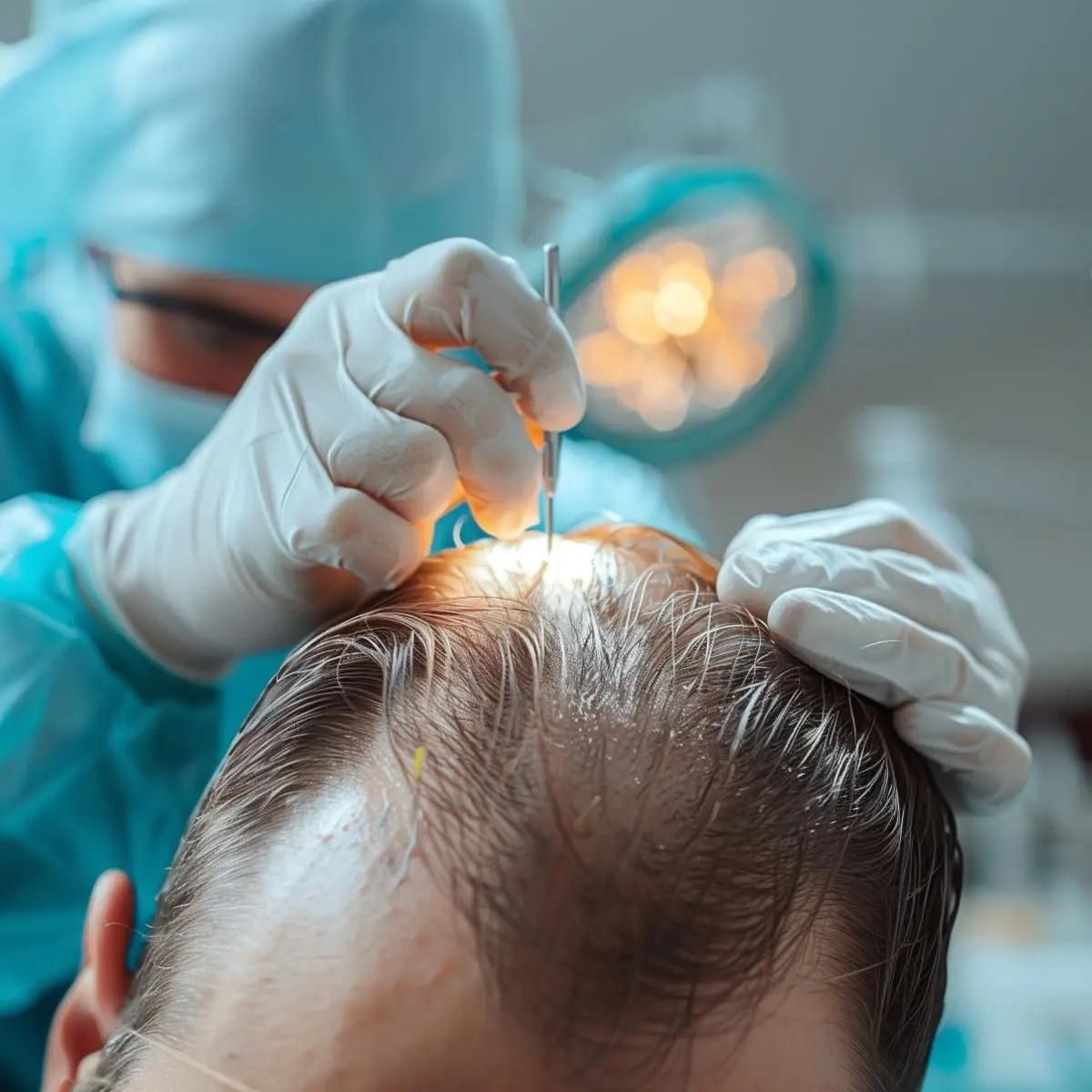
Image source: pinterest.com
FUT involves removing a strip of scalp and dissecting grafts. Though it’s becoming less common, it’s still used for patients requiring over 3,000 grafts.
Advantages:
-
High follicle survival
-
More grafts in a single session
-
Lower cost per graft
Drawbacks:
-
Leaves a linear scar
-
Not ideal for short hairstyles
4. Sapphire FUE – A Precision Upgrade

Image source: pinterest.com
This method replaces traditional steel blades with sapphire crystal tools, offering finer incisions and denser graft placement.
Why It’s Trending in 2026:
-
Less swelling
-
Faster healing
-
Great for eyebrow or temple restoration
5. Robotic Hair Transplants (ARTAS & AI-FUE)

Image source: pinterest.com
Incorporating AI cameras and robotic arms, these procedures ensure consistent extraction and graft placement.
Ideal For:
-
Larger procedures
-
Tech-savvy patients
-
Clinics with high volume
Limitations:
-
Less artistic customization
-
Higher cost, not widely available
6. Stem Cell-Enhanced Transplants
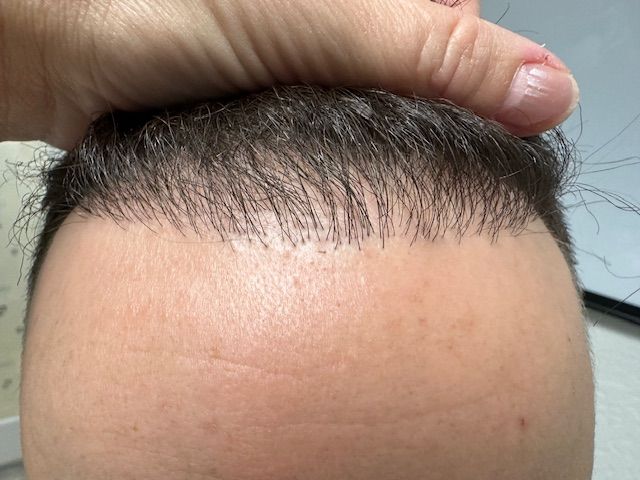
Image source: pinterest.com
Some clinics now combine stem cell therapy with FUE or DHI. This encourages quicker healing, reduces inflammation, and may even stimulate new hair growth in thinning areas.
While not yet mainstream, this method is growing among younger patients and those wanting to boost density naturally.
Read Also: Cosmetic Surgery Trends: What’s New, Popular, and Proven Safe
Hair Transplant Recovery & Growth Timeline

Image source: pinterest.com
| Technique | Recovery Time | Visible Growth | Full Results |
|---|---|---|---|
| DHI | 5–7 days | 3 months | 9–12 months |
| FUE | 7–10 days | 3 months | 9–12 months |
| FUT | 10–14 days | 3–4 months | 12 months |
| Robotic | 5–10 days | 3 months | 10–12 months |
Recovery Tips:
-
Sleep elevated for first 3 nights
-
Avoid gym/swimming for 2 weeks
-
Use mild shampoo & avoid scratching
-
Follow surgeon’s aftercare advice strictly
Choosing the Right Method for You

Image source: pinterest.com
| Goal | Recommended Method |
|---|---|
| Highest natural results | DHI |
| Budget-conscious | FUT |
| Short hairstyles, no scar | FUE |
| Artistic hairline design | Sapphire FUE or DHI |
| Quick, tech-powered option | Robotic ARTAS |
| Rejuvenation boost | Stem Cell Combo |
Costs of Hair Transplants in the UK (2026)

Image source: pinterest.com
| Technique | Average Cost |
|---|---|
| FUE | £2,000–£6,000 |
| FUT | £1,500–£4,000 |
| DHI | £3,000–£8,000 |
| Robotic | £5,000–£10,000 |
Many clinics now offer 0% financing, consultation bundles, and aftercare packages. Always confirm what’s included: consultations, blood work, post-op meds, and follow-ups. Learn more about Hair Transplant Cost.
Latest Hair Transplant Trends (2026)

Image source: pinterest.com
-
UK & Turkey remain global leaders for safe, affordable surgery.
-
Women increasingly opt for temple and hairline procedures.
-
Celebrity openness (actors, athletes) helps reduce stigma.
-
Digital consultations and AI planning tools are standard.
-
Flexible payment options make procedures more accessible.
Check The Surgeon And The Clinic
A hair transplant is surgery, and in the UK the checks are the same as for any cosmetic procedure. The doctor responsible should be registered with the General Medical Council, and the clinic in England should be registered with the Care Quality Commission, whose inspection reports are published online. Ask who will actually carry out each stage of the procedure, since in some clinics much of the work is done by technicians, and ask to see the surgeon’s own before-and-after results.
Realistic Expectations
A transplant moves existing hair follicles from the back and sides of the scalp to thinning areas; it does not create new hair. The result depends on the quality and quantity of donor hair, and the full outcome usually takes around a year to appear, after a period in which transplanted hair sheds before regrowing. Hair loss often continues in untreated areas, so a good surgeon will plan for the future, not just the current pattern.
Medication Alongside Surgery
Many people use medical treatment alongside or instead of surgery to slow ongoing hair loss. Treatments such as minoxidil and, for men, finasteride are widely used, but they have possible side effects and are not suitable for everyone, so they should be discussed with a GP or prescribing clinician. A surgeon who discusses long-term management, rather than surgery alone, is usually a good sign.
Surgery Abroad
Many British patients travel abroad, particularly to Turkey, for lower prices. Outcomes range from excellent to very poor, and aftercare can be difficult once you are home. Check who will perform the surgery, the clinic’s standards and reviews, what happens if something goes wrong, and whether your travel insurance covers complications from planned procedures, which many policies do not. For more, see our guide to cosmetic surgery trends and safety.
Recovery In Practice
Most people return to desk work within days, but the scalp needs careful handling for the first weeks: gentle washing as instructed, avoiding strenuous exercise, swimming and direct sun, and not picking at scabs. Follow the clinic’s written aftercare plan and attend follow-up appointments. Temporary shedding of transplanted hair a few weeks after surgery is normal and is not a sign that the procedure has failed.
Final Thoughts
Hair restoration in 2026 is safer, more natural-looking, and faster than ever. Whether you choose FUE for its reliability, DHI for its precision, or robotic methods for tech-driven efficiency, the results can be life-changing — both visually and emotionally.
The key is to choose a trusted clinic, understand your personal needs, and follow aftercare closely. Today, a fuller head of hair isn’t just a possibility — it’s a proven reality.
Frequently Asked Questions (FAQs)
Q1. Is a hair transplant permanent?
Yes. Transplanted hairs come from areas that resist hair loss (like the back of the head) and usually last a lifetime.
Q2. Which hair transplant method is best in 2026?
DHI is the most advanced, with natural results and fast healing. However, FUE and FUT are great depending on your hair goals and budget.
Q3. Does the procedure hurt?
No. Local anaesthetic is used. You may feel tightness or slight discomfort for a few days.
Q4. How soon will I see results?
New growth starts in 3 months. Full results appear between 9 to 12 months post-surgery.
Q5. Can women get a hair transplant?
Yes. Many women choose DHI or FUE for crown thinning and hairline reshaping. DHI doesn’t require shaving, making it ideal.
Q6. Are finance options available in the UK?
Yes. Most clinics offer interest-free instalments and flexible plans, especially for surgeries over £3,000.