
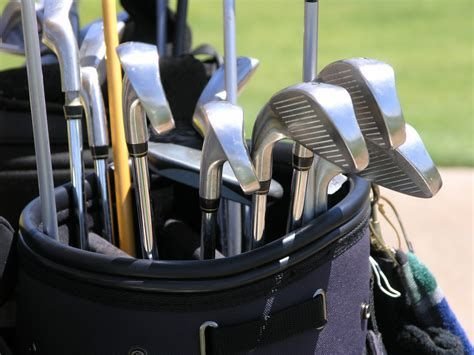
Many people think golf is an expensive sport, but that is not true. Anyone can start playing golf without spending too much money. The key is to find affordable equipment, choose budget-friendly courses, and take advantage of discounts. Instead of buying expensive new clubs, beginners can look for second-hand options or starter sets. Practicing at driving ranges, using free online lessons, and playing during off-peak hours can also help save money. Golf is a fun and rewarding sport, and with the right choices, it can be affordable for everyone. In this article, we are going to explore how to get started with golf on a budget.
Choose the Right Budget-Friendly Golf Clubs

One of the biggest expenses in golf is equipment, but beginners don’t need high-end clubs. Instead, consider the following options:
-
Buy Second-Hand Clubs: Many retailers and online marketplaces offer quality used clubs at a fraction of the cost.
-
Beginner Club Sets: Opting for a complete beginner set is often cheaper than buying clubs individually.
-
Forgiving Clubs: As a new player, choose clubs with a larger sweet spot to make learning easier.
-
Look for budget-friendly clubs online and in stores: Many retailers, including Affordable Golf, offer budget-friendly options for beginners.
Buy Essential Golf Gear Without Overspending

Golf accessories are important, but you don’t need to buy premium items right away. Focus on:
-
Golf Balls: Choose budget-friendly brands and buy in bulk to save money.
-
Tees and Gloves: Look for multi-pack deals rather than single purchases.
-
Golf Bag: A lightweight, basic golf bag is sufficient when starting out.
Find Affordable Golf Courses and Practice Ranges

You don’t have to play at exclusive country clubs to enjoy golf. Consider these cost-saving tips:
-
Public Courses: These are often cheaper and more accessible than private clubs.
-
Driving Ranges: A great way to practice without paying full green fees.
-
Par-3 Courses: Shorter courses with lower fees, ideal for beginners.
-
Discount Cards & Memberships: Many courses offer seasonal deals or beginner-friendly memberships.
Read Also: Top 5 Running Sunglasses in Canada That Balance Style and Performance
Learn Golf the Affordable Way

Golf lessons can be pricey, but there are cost-effective alternatives:
-
Free Online Tutorials: YouTube, blogs, and golf forums provide valuable instruction.
-
Community Golf Lessons: Group lessons are more affordable than private coaching.
-
Practice at Home: Work on your swing and putting skills without visiting a course.
Save Money on Golf Apparel and Footwear

Expensive golf clothing isn’t necessary for beginners. Consider:
-
Affordable Brands: Many brands offer budget-friendly apparel without sacrificing quality.
-
Second-Hand or Off-Season Sales: Buy used or discounted items during sales periods.
-
Comfort Over Style: Prioritize functional, comfortable shoes rather than designer brands.
Take Advantage of Golf Deals and Discounts

Saving money on golf requires knowing where to shop and when to buy:
-
Seasonal Sales & Clearance Events: Buy gear at the end of the season for major discounts.
-
Bundle Purchases: Buying multiple items together often leads to savings.
-
Check Online Discounts: Websites often offer promo codes and limited-time offers.
Conclusion
Starting golf doesn’t have to be expensive. By choosing budget-friendly equipment, finding affordable places to play, and taking advantage of discounts, you can enjoy the game without overspending. Golf on a budget is possible if you make smart decisions and look for the best deals. Whether you are buying equipment or looking for lessons, there are plenty of ways to save money while still having a great time on the course.
FAQs
1. Can I start playing golf without spending too much?
Yes, you can start golf cheaply by buying used clubs and playing on budget-friendly courses.
2. Where can I get cheap golf clubs?
You can find cheap clubs in second-hand stores, online shops, and sports stores.
3. How can I play golf for less money?
Play on public courses, par-3 courses, or driving ranges, and use discounts.
4. What is the cheapest way to learn golf?
Watch free online videos, join group lessons, or practice at home.
5. How can I save money on golf clothes and gear?
Buy during sales, choose affordable brands, or get second-hand items.
What A Round Actually Costs In Britain
Golf’s reputation for expense comes almost entirely from private members’ clubs, which are only one part of the picture. Municipal and pay-and-play courses, run by councils or by operators such as the larger golf groups, charge a green fee per round with no membership and no joining fee, and they are where most beginners in Britain actually play. Twilight rates after a certain hour are cheaper again, as are midweek mornings. Nine-hole courses cost roughly half of eighteen and take half the time, which for a beginner is usually the better introduction anyway.
You Do Not Need Fourteen Clubs

Image source: pexels.com
The rules permit fourteen clubs and beginners assume that means they need fourteen. They do not. A perfectly playable starting set is a driver or a 3-wood, a hybrid, a 7-iron, a 9-iron, a wedge and a putter, which is six, and most people score better with a small set because there are fewer decisions to make and more repetitions with each club. Full sets bought new are where beginners spend the most money for the least benefit. Buy the gaps later, once you know which distances you are actually missing.
Second-Hand Is The Whole Game
Image source: pexels.com
Golf equipment depreciates faster than almost anything else in sport, and that is entirely to a beginner’s advantage. Clubs from three or four years ago perform very close to this year’s models and sell for a fraction of the price, because the market is driven by new releases rather than by wear. The two things worth checking on a used club are the grips, which are cheap to replace and are often the only thing wrong, and the shaft flex, which should suit your swing speed. Beyond that, a used iron is simply an iron.
Practice Without Paying Green Fees
The cheapest way to improve is not to play more rounds, it is to hit more balls. Driving ranges charge by the basket and cost a fraction of a green fee. Par-3 and pitch-and-putt courses build the short game, which is where beginners lose most of their shots, and they cost very little. Indoor simulators have become widely available and are weather-proof, which matters in a British winter. A putting mat at home costs almost nothing and addresses the single part of the game that decides the most strokes.
Getting A Handicap Without Joining A Club
This is the change most beginners have not heard about. You no longer need a club membership to hold an official handicap index under the World Handicap System. England Golf runs an independent golfer subscription called iGolf, which for an annual fee gives unaffiliated players a handicap index, insurance and the ability to submit scores, and the other home nations run equivalent schemes. For anyone who wants a handicap in order to enter open competitions or simply to track improvement, this is dramatically cheaper than the membership route.
Where Beginners Waste Money
Four purchases account for most of the wasted money. A premium driver, which is the hardest club in the bag to use and the one a beginner benefits from least. A GPS watch or rangefinder, useful later and irrelevant while you are still working out contact. Branded apparel, which performs no better than plain clothing that meets the dress code. And a full new set bought before the first lesson, which is usually the wrong specification for a swing that has not been built yet. Spend the same money on lessons and range balls instead.
Lessons Are The Cheapest Purchase You Will Make

Image source: pexels.com
It sounds counterintuitive in an article about saving money, but coaching is the best value in golf. A few sessions with a PGA professional at the start prevent the faults that otherwise take years to unlearn, and group lessons or beginner courses cost considerably less than individual tuition. Many clubs and ranges run six-week beginner programmes that include clubs, which also solves the equipment problem for the first month. The money saved on equipment is better redirected here than kept.
Dress Codes And Etiquette

Image source: pexels.com
Knowing the conventions saves both embarrassment and money spent on the wrong clothing. Most pay-and-play courses are relaxed, asking only for a collared shirt and no denim; private clubs are stricter and publish their requirements on their websites, so check before you travel. Golf shoes are not required at most public courses, where trainers are acceptable. The etiquette matters more than the clothing: keep up with the group ahead, repair your pitch marks, and stand still while someone else is playing. None of that costs anything.