
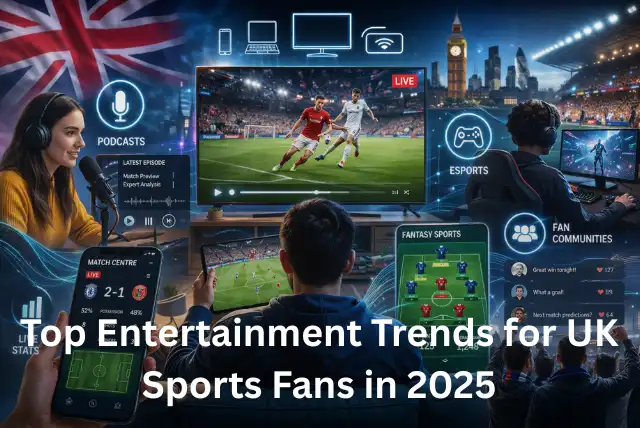
Sports fans in the UK are changing how they follow their favourite games and teams. Technology has made it easier to watch matches, stay updated, and connect with other fans. Today, sports entertainment is no longer limited to television or stadium visits. Fans now enjoy flexible, digital, and interactive experiences that fit into everyday life.
This article explores the main entertainment trends shaping how UK sports fans stay connected in 2026.
1. Live Sports Streaming Is Becoming the Preferred Choice

Image source: pexels.com
Many sports fans now prefer watching matches through online streaming instead of traditional television. Streaming allows people to follow games on mobile phones, laptops, and smart TVs, offering greater freedom and convenience.
This change is especially popular among younger viewers who value flexibility. Live streaming also helps fans watch matches while travelling or managing busy schedules, making sports more accessible than ever before.
2. Virtual and Augmented Experiences Are Enhancing Viewing

Image source: pexels.com
Virtual and augmented technologies are gradually changing how fans experience sports. These tools are designed to make viewing more immersive and informative.
Virtual experiences can recreate the atmosphere of live events, while augmented features may display match data, player information, or statistics during broadcasts. These additions help fans understand the game better without distracting from the action.
3. Podcasts and Online Fan Communities Are Growing
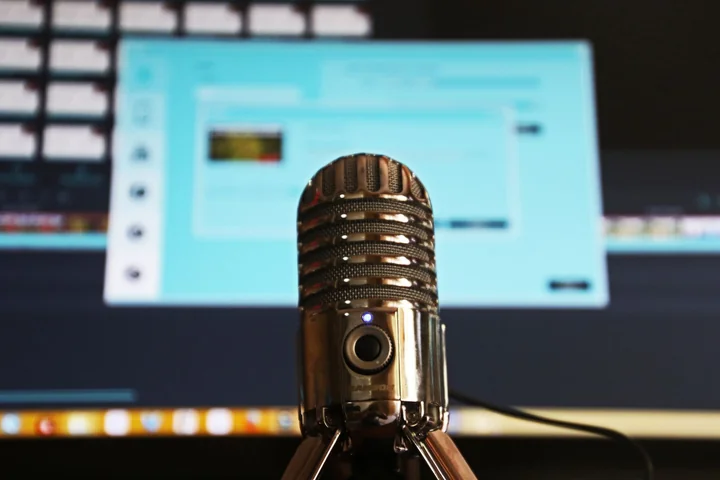
Image source: pexels.com
Sports podcasts have become an important source of news and discussion for fans. Many listeners enjoy detailed analysis, match reviews, and expert opinions that go beyond live commentary.
At the same time, online fan communities are expanding. Social platforms and discussion forums allow fans to share views, debate results, and follow team updates together. These spaces help build strong fan connections outside match days.
4. Competitive Gaming Is Gaining Mainstream Attention

Image source: pexels.com
Competitive gaming has developed into a popular form of sports entertainment. Many fans enjoy watching digital competitions that mirror real-world sports or involve strategy-based gameplay.
Online broadcasts make these events easy to access, and their fast pace attracts younger audiences. Competitive gaming now stands alongside traditional sports as a recognised form of organised entertainment.
5. Fantasy Sports as a Knowledge-Based Activity

Image source: pexels.com
Fantasy sports allow fans to create virtual teams using real players and track performance across matches. This activity adds an extra level of interest and encourages fans to follow games more closely.
Many people enjoy fantasy sports because it rewards understanding of the game, team selection, and long-term planning. It is often treated as a fun extension of sports fandom rather than a financial activity.
6. Live Events Still Matter to Fans

Image source: pexels.com
Even with digital growth, attending live sports events remains important. Stadium visits offer energy, atmosphere, and a sense of community that cannot be fully replaced online.
Technology has improved the in-person experience as well. Digital tickets, mobile updates, and real-time information help fans stay engaged before, during, and after matches.
Streaming Live Sport Still Needs A TV Licence
Image source: pexels.com
One rule catches many fans out. In the UK you need a TV Licence to watch or record programmes as they are shown live on any channel, and that includes live sport streamed on a phone, laptop or games console, not just on a television. It also applies to anything on BBC iPlayer. Paying for a sports subscription does not replace the licence. Watching on-demand content from other services after it has been broadcast does not require one, but live matches almost always do.
Who Shows What

Image source: pexels.com
Live sport in Britain is split across several broadcasters and streaming services, which is why fans often need more than one subscription. Sky Sports and TNT Sports hold the main live rights for Premier League football, while the BBC and ITV show major tournaments, highlights and many international events free to air. Amazon Prime Video, DAZN and other streaming services hold rights to particular competitions and boxing events. Checking which service holds a competition before the season starts avoids paying for the wrong one.
The Risk Of Illegal Streams

Image source: pexels.com
Unofficial streaming sites and so-called dodgy sticks are widely advertised and carry real risks. Many illegal sites are funded by malicious advertising and can expose devices to malware or phishing. Watching or supplying illegal streams can also break the law, and rights holders and enforcement agencies have pursued suppliers. Beyond the legal and security risks, the money from legitimate subscriptions is what funds the sport itself. For protecting your devices, see our guide to staying safe online.
Women’s Sport Has Changed The Picture

Image source: pexels.com
One of the biggest shifts in how UK fans follow sport is the growth of women’s sport. England’s Lionesses won the European Championship in 2022 and retained it in 2025, bringing record audiences and new fans, and the Women’s Super League now draws large crowds and wider coverage. Women’s cricket and rugby have followed a similar path. For broadcasters and sponsors, this is one of the fastest-growing parts of the market, and for fans it means far more live sport to watch.
Darts, And Sports Finding New Audiences

Image source: pexels.com
Sports once seen as niche have found huge new audiences through social media clips and young stars. Darts is the clearest example: Luke Littler’s rise, from a teenage runner-up in 2024 to back-to-back world champion, brought a younger audience to the sport and record viewing figures. For the full story, see our profile of Luke Littler. Boxing’s biggest nights, like the stadium events built around Anthony Joshua, show how pay-per-view still works for the very biggest events.
Watching Across Time Zones

Image source: pexels.com
The 2026 World Cup in the United States, Canada and Mexico showed how time zones change the way UK fans watch. Kick-offs in North America fell in the UK evening and late at night, which reshaped pub schedules and social plans for weeks. Highlights packages, catch-up services and social media clips matter more when live matches clash with sleep or work. Expect the same pattern for any major event hosted in the Americas or Asia.
Watching Together Still Matters

Image source: pexels.com
For all the talk of streaming, shared experiences remain central. Pubs, fan zones and watch parties draw big crowds for major tournaments, and live attendance at football grounds across the UK remains strong. Many fans combine the two, streaming at home for routine fixtures and gathering for the big occasions. For ideas on a sporting day out in the capital, see our guide to the best things to do in London on a weekend.
Keeping Subscription Costs Under Control

Image source: pexels.com
Following several sports can mean paying for several services at once, and the monthly total adds up quickly. Many services offer monthly passes that can be paused or cancelled outside a competition’s season, so subscribing only while your sport is being played is often much cheaper than a year-round package. Bundles through broadband or mobile providers can also cut costs. Review subscriptions at the start of each season and cancel any you no longer use, because auto-renewal is where most wasted money goes.
Highlights, Clips And Short-Form Video

Image source: pexels.com
Many fans, particularly younger ones, now follow sport mainly through highlights and short clips on social media rather than full live matches. Clubs, leagues and broadcasters publish official highlights quickly, often within minutes of the action, and free-to-air highlights programmes remain popular. For fans with limited time, a combination of highlights and occasional live viewing for the biggest games is increasingly the norm, and it is one reason broadcasters now design coverage for phones as well as televisions.
Tips for UK Sports Fans

Image source: pexels.com
-
Choose flexible viewing options that suit your routine
-
Explore podcasts for deeper insight into matches and teams
-
Join online fan groups to stay socially connected
-
Treat fantasy sports as entertainment, not obligation
-
Balance digital viewing with live match experiences
Conclusion

Image source: pexels.com
Sports entertainment in the UK has moved beyond traditional formats. Streaming, digital tools, and online communities have reshaped how fans engage with sports in 2026.
While technology continues to evolve, the passion for sports remains unchanged. Fans now enjoy more choice, control, and connection, whether watching from home or supporting their teams live.
Disclaimer

Image source: pexels.com
This content is provided for informational purposes only. It does not promote gambling, betting, or financial risk activities. Readers are encouraged to enjoy sports responsibly and choose entertainment options that align with personal interests.