

In 2026, second citizenship is no longer a luxury reserved for the ultra-wealthy. Entrepreneurs, investors, digital nomads, and families are increasingly turning to Caribbean Citizenship by Investment (CBI) programs to gain visa-free travel, global flexibility, and tax advantages.
This guide explores the top five Caribbean CBI programs in 2026, including costs, benefits, processing times, and how they compare.
1. St Lucia Citizenship by Investment

St Lucia is one of the most affordable and flexible programs available in 2026. It offers multiple investment options, minimal paperwork, and strong international access.
Key Benefits:
-
Minimum Investment: $240,000 (National Economic Fund donation) or $300,000 (real estate)
-
Processing Time: 3–5 months
-
Visa-Free Access: 148 countries, including the UK, Schengen zone, and Singapore
-
Residency Required: None
-
Family Inclusion: Spouse, children under 30, dependent parents and grandparents
If you want a straightforward, fast-track route to global mobility, the St Lucia passport offers one of the best value-for-money second citizenship options in the Caribbean.
2. Dominica Citizenship by Investment

Known for its consistency and affordability, Dominica remains a strong option in 2026.
Key Details:
-
Minimum Donation: $200,000 for a single applicant
-
Real Estate Option: $200,000
-
Processing Time: 4–6 months
-
Visa-Free Access: 140+ countries
-
Family Coverage: Includes spouse, children up to age 30, and parents over 65
Dominica’s program is highly respected due to its transparency and efficient processing.
3. Antigua and Barbuda Citizenship by Investment

Ideal for families, this program allows a group of four to apply with a single donation.
Why It’s Popular:
-
Minimum Investment: $230,000 (donation, for a family of up to four)
-
Real Estate Option: $300,000+
-
Visa-Free Travel: 151 countries
-
Residency Requirement: Five days in five years
This is a strong choice for families interested in global travel or exploring historic sites in the UK while keeping their base in the Caribbean.
4. Grenada Citizenship by Investment
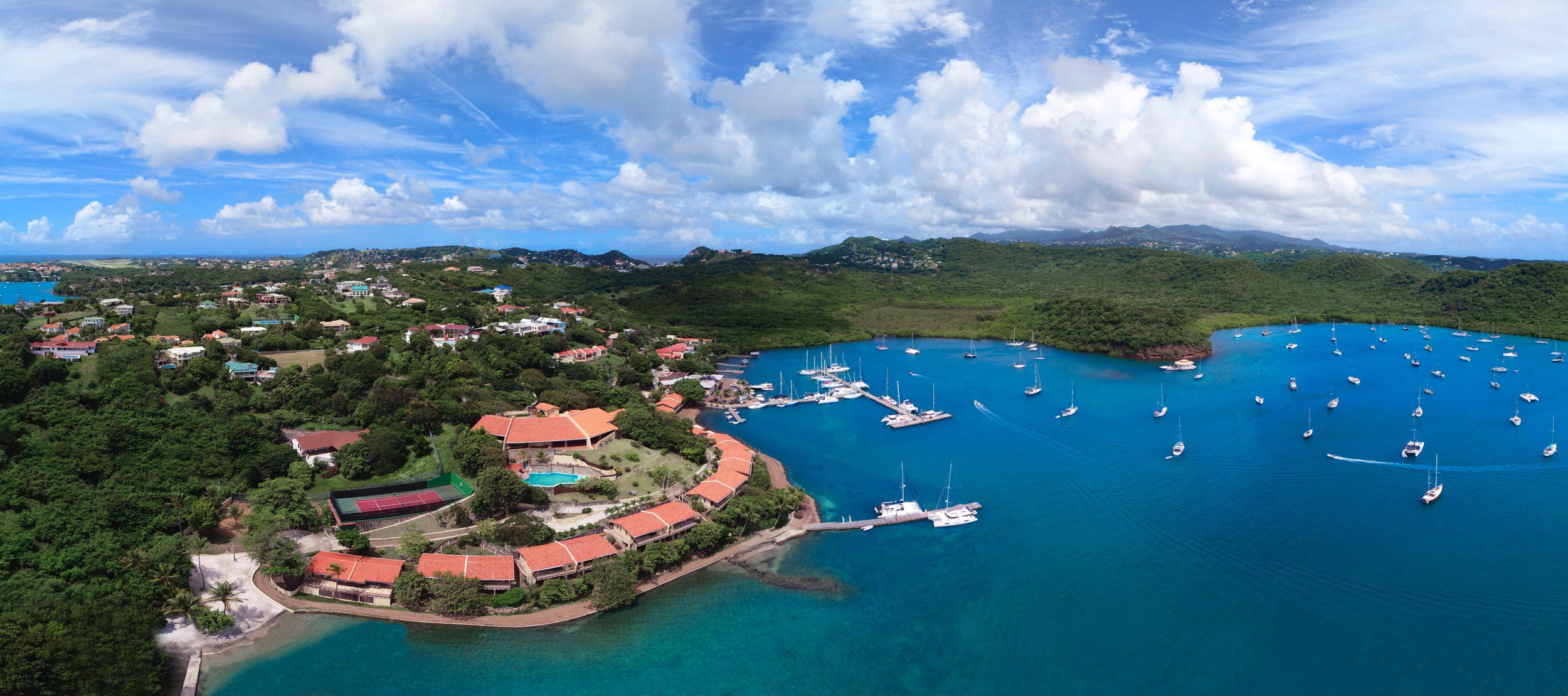
Grenada offers something other Caribbean programs don’t—access to China and the U.S. E-2 Visa program.
Unique Advantages:
-
Donation: $235,000+
-
Real Estate: $270,000 minimum
-
Visa-Free Access: 148 countries, including China and Russia
-
Processing Time: 3–6 months
-
Key Feature: Eligibility for the U.S. E-2 Treaty Visa
This option is well-suited for business owners or those looking into starting a business in Singapore while holding a powerful second passport.
5. Saint Kitts and Nevis Citizenship by Investment
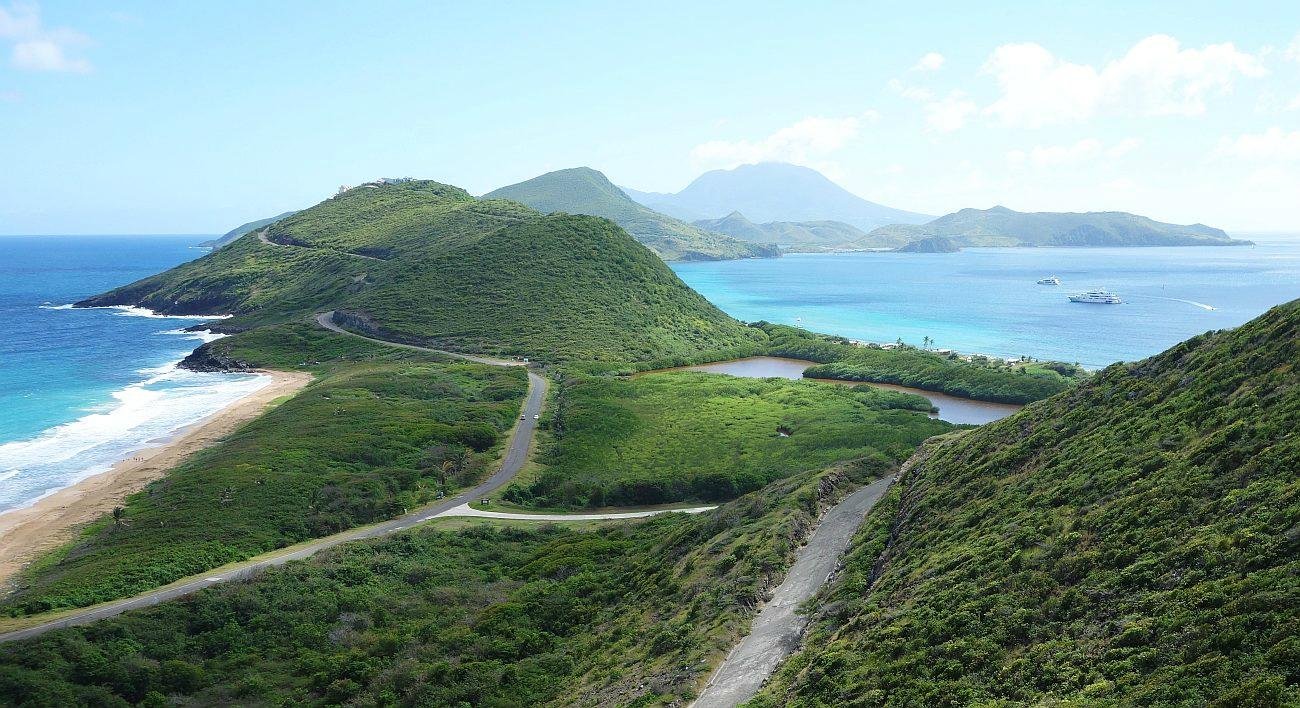
As the oldest CBI program in the world, Saint Kitts and Nevis offers reliability and premium services.
Program Features:
-
Minimum Investment: $250,000 (donation) or $325,000+ (real estate)
-
Visa-Free Travel: 157 countries
-
Processing Time: 3–4 months (60-day fast-track available)
-
No Residency Required
Citizens can enjoy access to the EU, UK, and seamless travel, including stays in luxury accommodations in London and other top cities.
Caribbean CBI Program Comparison (2026)
Note: Since 1 July 2024, the five Eastern Caribbean nations share a US$200,000 minimum-investment floor under an OECS agreement, so the figures below reflect the current (2026) minimums.
| Country | Minimum Investment | Visa-Free Access | Processing Time | Unique Feature |
|---|---|---|---|---|
| St Lucia | $240,000 | 148 countries | 3–5 months | Bonds, real estate, or donation |
| Dominica | $200,000 | 140+ countries | 4–6 months | Low rejection rate |
| Antigua & Barbuda | $230,000 (family) | 151 countries | 3–6 months | Best for large families |
| Grenada | $235,000 | 148 countries | 3–6 months | E-2 U.S. visa + China access |
| St Kitts & Nevis | $250,000 | 157 countries | ~4 months | Most trusted, fast-track available |
Why Choose Caribbean Citizenship in 2026?

-
Speed: Passports typically issued within 3–6 months
-
No Residency: Most programs require no physical stay
-
Low Taxes: No global income or inheritance tax
-
Family Friendly: Include dependents, parents, and more
-
Global Travel: Easy entry to Schengen, UK, Asia, and more
How to Apply

-
Pick Your Program: Based on your travel needs, budget, and family situation
-
Hire an Authorized Agent: Only licensed firms can submit your application
-
Submit Your Documents: Includes passport copies, financials, police clearance
-
Pay and Invest: After initial approval, make your qualifying investment
-
Receive Citizenship: Final documents and passports are issued upon approval
Due Diligence Is The Real Gate
The cost is the part every article covers and the least likely thing to stop an application. Every Caribbean programme runs a due diligence process through external agencies: criminal record checks in each country you have lived in, source-of-funds verification tracing where the money came from rather than simply that you have it, sanctions and watchlist screening, and in several programmes a compulsory interview. Applications are refused for an undisclosed minor matter far more often than for an inability to pay. Disclose everything to your agent at the start, because something found later is treated very differently from something declared up front.
What Citizenship Does Not Do For Your Tax
This is the most widely misunderstood point in the whole subject. Acquiring a second citizenship does not by itself change where you are tax resident, and it does not end a tax relationship with your existing country. Tax residence is determined by where you actually live and by the statutory tests each country applies, not by which passports you hold, and countries that tax on citizenship rather than residence are a separate case again. Anyone buying a passport for tax reasons needs advice from a qualified adviser in both countries before applying, not after.
Visa-Free Access Is Not Permanent
The main practical benefit sold with these programmes is visa-free or visa-on-arrival travel to a long list of countries, and that list is a policy of other governments rather than a property of the passport. It can change, and it has changed for other citizenship-by-investment countries, which lost access after concerns about screening standards. The Caribbean programmes have faced sustained international pressure to tighten their checks for exactly that reason, and several have. The sensible way to read any published visa-free count is as the position today rather than a guarantee for the life of the passport.
How Long It Actually Takes
Published processing times and real processing times differ, and it is worth planning for the latter. Most programmes quote several months from complete application to approval, and the application has to be complete, which is where the delay usually sits: police certificates, apostilled documents, birth and marriage certificates, and source-of-funds evidence all take time to assemble, and any gap restarts the clock. Add the time to actually receive the passport after approval. Anyone working to a deadline should assume considerably longer than the headline figure and start the document-gathering first.
You Cannot Apply Directly
Every Caribbean programme requires applications to be submitted through a licensed agent, and you cannot file on your own behalf. That makes choosing the agent as consequential as choosing the country. Check that the firm is licensed by the programme itself, since the governments publish lists of authorised agents, and be clear about what the fee covers and what is passed through to government. Agent fees sit on top of the investment and the government processing charges, and the total cost of the same programme through two different agents is not necessarily the same.
Donation Or Property
Most programmes offer two routes and they behave very differently. A contribution to a national development fund is a one-way payment: it is simpler, faster, cheaper overall and you never see the money again. A qualifying property purchase costs more up front but leaves you holding an asset, subject to a minimum holding period before you may sell. The catch on the property route is liquidity: the resale market for approved developments consists largely of other applicants, so the exit price is not the open-market price you might assume.
Family Members And What Changes Later
Programmes differ in who may be included, typically a spouse, dependent children within defined age limits, and in some cases parents or grandparents above a certain age, each adding a fee. The detail worth checking before applying is what happens afterwards: whether children added as dependants keep citizenship into adulthood automatically, whether a future child born after the grant is included, and whether a spouse retains it after a divorce. These rules change, and they change without regard to when you applied, so the position at the time of application is not a guarantee.
Where To Read More
For readers comparing this route against simply buying property and living somewhere part of the year, our guide to buying property in Spain sets out what ownership does and does not give you in the EU after Brexit, and our guide to the Portugal Golden Visa covers the residency-first alternative. Readers examining the British side of the same question should see our guide to UK citizenship routes after Brexit.
Final Thoughts
In 2026, Caribbean citizenship remains one of the most accessible and strategic pathways to global mobility. Whether you’re a frequent traveler, business owner, or looking to secure a better future for your family, these investment programs offer real value.
Each of the five countries featured—St Lucia, Dominica, Antigua and Barbuda, Grenada, and Saint Kitts and Nevis—provides unique advantages, from low investment thresholds to visa-free travel across Europe and Asia.
If you’re ready to take a global step forward, choosing the right citizenship by investment program can unlock new opportunities, financial freedom, and a higher quality of life—without giving up your current nationality.
FAQs
Do I need to visit the country I choose?
In most cases, no. Only Antigua requires five days of presence over five years.
Can I keep my original citizenship?
Yes. All five Caribbean countries listed allow dual citizenship.
Which program is fastest in 2026?
St Kitts offers a 60-day fast-track option, but St Lucia and Grenada also have efficient timelines.
Can I include my whole family?
Yes. Most programs allow spouses, children under 30, and parents or grandparents.