
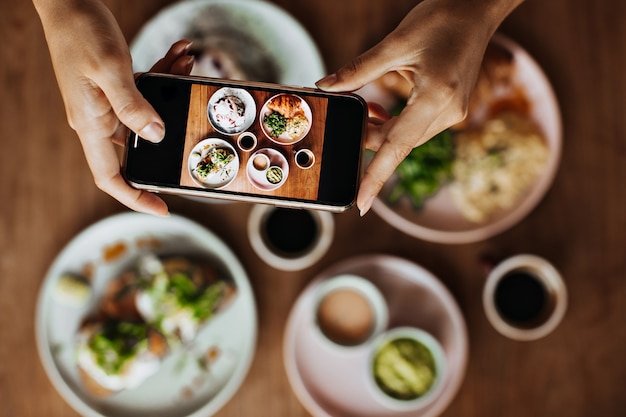
In 2026, Asian cuisine continues to influence global dining with its bold flavors, rich history, and wide range of dishes. From traditional recipes passed down through generations to tech-enhanced modern menus, Asian food remains one of the most dynamic and beloved culinary categories across the world.
The Global Rise of Asian Cuisine
Asian food is now a global favorite. Here’s why:
-
Widespread Availability: Supermarkets worldwide now stock Asian staples like gochujang, rice paper, and miso.
-
Social Media Buzz: Viral dishes like sushi bakes and Korean BBQ draw global attention online.
-
Health Appeal: With fermented ingredients, lean proteins, and fresh vegetables, many Asian dishes fit into healthy diets.
-
Affordability & Flavor: From high-end restaurants to casual takeaways, the diversity and depth of flavor keep people coming back.
Looking for authentic local options? Explore our guide to Top 5 Ethnic Restaurants in Manchester to taste traditional Asian food close to home.
Top Asian Cuisine Trends in 2026
1. Plant-Based Innovation

Plant-based versions of Asian meals are in high demand, offering healthy alternatives that stay true to tradition:
-
Vegan sushi using tofu, avocado, and pickled veggies
-
Jackfruit curry, mushroom baos, and miso ramen
-
Stir-fries with tamari sauce and seasonal greens
For restaurants using fresh, local produce in innovative ways, check out Farm-to-Table Restaurants in Manchester.
2. Regional Cuisines in the Spotlight
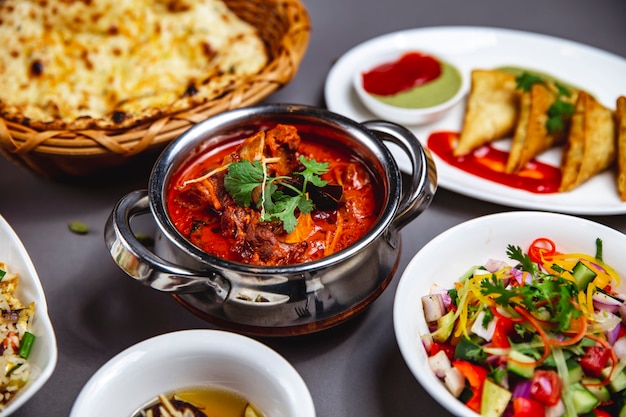
Lesser-known Asian cuisines are gaining global visibility:
-
Laotian larb, Filipino adobo, Burmese mohinga, and Sri Lankan hoppers
-
Southeast Asian spice blends and native ingredients
-
Elevated regional menus in international cities
Want to explore more diverse dishes? Read about the Top 5 Curry Houses in Manchester offering South Asian specialties.
3. Smarter Fusion Dishes

Fusion today is about storytelling, not shock value:
-
Butter chicken tacos and Thai-inspired nachos
-
Ramen carbonara and kimchi-topped burgers
-
Chefs respecting both traditions while creating something new
These blends are especially popular in modern Asian dining and buffet-style eateries. Visit our Top 5 Buffet Restaurants in Manchester to experience variety in one sitting.
4. Technology in Dining

Tech-enhanced Asian dining continues to grow:
-
QR code menus, robotic chefs, and AI-powered orders
-
Smart delivery packaging for better freshness
-
Augmented reality menus and interactive dining concepts
5. Experience-Focused Dining

Restaurants are emphasizing education and storytelling:
-
Dishes served with cultural context
-
Interiors reflecting regional themes
-
Staff trained to discuss the origins of recipes
Try Top 5 Dim Sum Restaurants in Manchester to enjoy both culinary tradition and presentation.
Why People Love Asian Cuisine
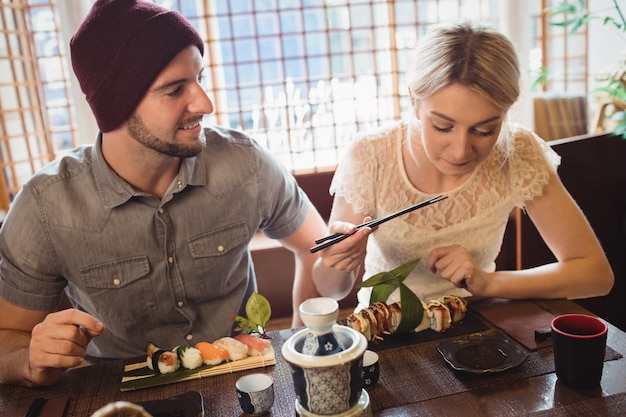
Asian cuisine attracts global fans because it combines:
-
Flavor Complexity: A balance of salty, spicy, sweet, sour, and umami
-
Health Benefits: Ingredients like turmeric, ginger, greens, and fermented foods
-
Cultural Value: Food is used for celebration, healing, and connection
-
Diversity: Every region has its unique dishes and traditions
Whether you’re exploring something new or returning to old favorites, Asian food offers comfort and creativity in every bite.
Cultural Significance Behind the Food

Asian food reflects tradition, ceremony, and shared values:
-
Noodles in Chinese culture symbolize long life
-
Japanese meals embrace seasonal mindfulness
-
Indian thalis focus on balance and nourishment
-
Korean banchan (side dishes) represent harmony and respect
Discover these values at Manchester’s Top Korean BBQ Restaurants, where meals are meant to be enjoyed together.
Recognizing Excellence in Asian Cuisine
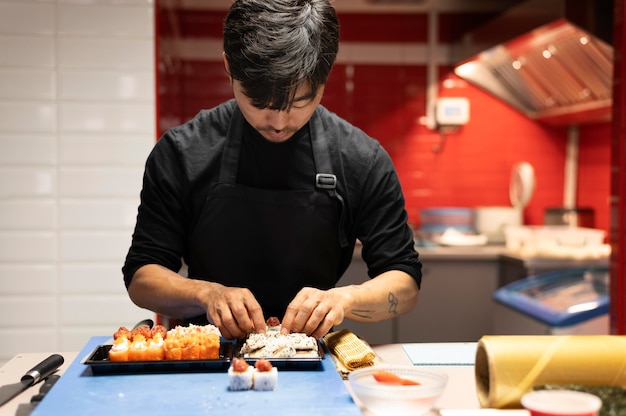
Recognition is key in a competitive global market. One of the most respected awards in the industry, the Asian Restaurant and Takeaway Awards, continues to celebrate outstanding chefs and establishments in 2026.
These awards:
-
Support culinary authenticity and service excellence
-
Highlight family-owned gems and emerging stars
-
Inspire trust and visibility across the industry
Restaurants recognized here often go on to appear in Asia’s 50 Best Restaurants, a global benchmark for fine dining in the region.
Best Asian Restaurants and Must-Try Dishes in 2026
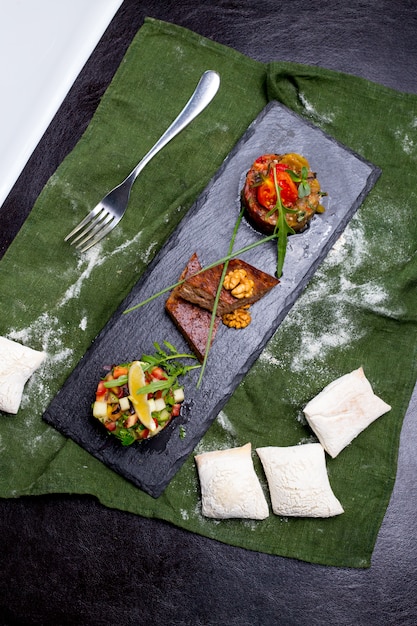
Top Restaurants to Know
-
Gaggan Anand (Bangkok) – Progressive Indian tasting menu
-
The Chairman (Hong Kong) – Celebrates Cantonese cooking with seasonal ingredients
-
Sezanne (Tokyo) – French-Japanese fine dining
-
Hoppers (London) – Known for Sri Lankan and South Indian street food
-
Din Tai Fung (Global) – Renowned for soup dumplings
Popular Asian Dishes to Try
| Dish | Country | Description |
|---|---|---|
| Pho | Vietnam | Noodle soup with herbs and spiced broth |
| Biryani | India | Spiced rice with meat or vegetables |
| Sushi | Japan | Rice rolls with raw or cooked fillings |
| Pad Thai | Thailand | Stir-fried noodles with tangy tamarind and crushed peanuts |
| Bibimbap | Korea | Rice bowl topped with vegetables, egg, and chili paste |
| Laksa | Malaysia/Singapore | Coconut noodle soup with herbs and seafood |
| Adobo | Philippines | Braised meat with vinegar, soy sauce, and garlic |
| Banh Mi | Vietnam | Sandwich with pickled vegetables and spiced meats |
Looking for a great sushi experience? Explore Best Omakase in Manchester for expertly crafted Japanese meals.
Asian Cuisine Is Many Cuisines
Talking about Asian cuisine as one thing hides enormous variety. The cooking of Sichuan, Kerala, Tokyo, Seoul, Bangkok and Hanoi differs as much as French cooking differs from Scandinavian. Useful broad families include the Chinese regional cuisines, Japanese, Korean, Southeast Asian cooking such as Thai, Vietnamese, Malaysian and Indonesian, and the many cuisines of South Asia. Exploring one region at a time is the best way to learn.
Building An Asian Store Cupboard
A few ingredients unlock a huge range of dishes. Soy sauce, rice vinegar, sesame oil, fish sauce, chilli paste such as gochujang or sambal, miso, dried noodles, jasmine or basmati rice, coconut milk, and spices such as cumin, coriander and turmeric cover much of East, Southeast and South Asian home cooking. Asian supermarkets are usually cheaper than general supermarkets for these, and larger bottles last for months.
Healthy Eating And Asian Food
Many traditional Asian dishes are built around vegetables, rice or noodles, and smaller amounts of meat or fish, which fits well with healthy eating guidance. Takeaway versions can be much higher in salt, sugar and fat than home cooking. Steamed, stir-fried and broth-based dishes are usually lighter choices than battered or deep-fried ones, and soy and fish sauce add a lot of salt, so use them with a light hand at home.
Spice And Heat, Explained
Heat in Asian cooking comes from different sources that behave differently. Fresh and dried chillies give direct heat, Sichuan pepper produces a tingling numbness rather than burn, black and white pepper give a sharper warmth, and ginger and mustard seed add their own kind of bite. If you are sensitive to spice, ask how hot a dish is and whether it can be made milder, and cool your mouth with rice or yoghurt-based sides rather than water.
Rice, Noodles And The Right Staple
The staple on the plate shapes the whole meal. Jasmine rice suits Thai dishes, short-grain rice suits Japanese and Korean food, and basmati suits South Asian curries. Noodles vary as much: wheat noodles such as udon and ramen, rice noodles for pho and pad thai, buckwheat soba, and glass noodles made from mung bean starch. Choosing the right one makes a home-cooked dish taste far closer to the original, and each cooks differently, so check the packet.
Tea And Drinks Across Asia
Drinks are part of the food culture too. Green, oolong and jasmine teas accompany many East Asian meals, masala chai is central to South Asian life, and Vietnamese iced coffee with condensed milk has become popular worldwide. Lassi, a yoghurt drink, suits spicy food well, and bubble tea from Taiwan has become a fixture in British high streets. Pairing a meal with the drink it grew up alongside is an easy way to experience a cuisine more fully.
Where To Eat It In The UK
Britain’s cities have some of the most varied Asian food scenes in Europe, from London’s Chinatown and Southall to Manchester’s Chinatown and the curry houses of Birmingham and Bradford. For specific recommendations, see our guides to Asian fusion restaurants in the UK and dim sum in Manchester, and for cooking at home, our easy vegan dinner recipes, many of which draw on Asian flavours.
Conclusion
Asian cuisine in 2026 continues to be one of the most influential culinary categories globally. With its mix of tradition, creativity, health focus, and cultural richness, it offers something for everyone. Whether you’re enjoying a street-side meal or a multi-course dining experience, Asian food delivers flavor, meaning, and connection in every bite.
FAQs About Asian Cuisine
What is Asian cuisine?
Asian cuisine refers to the diverse foods from East Asia, South Asia, and Southeast Asia. It includes traditions from countries like China, India, Japan, Thailand, Korea, Vietnam, and many more.
Why is Asian cuisine so popular in 2026?
It blends bold flavors, variety, affordability, health benefits, and cultural stories—making it appealing to a global audience.
Are there healthy options in Asian cuisine?
Yes. Many dishes are low in fat and high in nutrients, like steamed dumplings, miso soup, lentil dal, and fresh veggie stir-fries.
Is Asian food good for vegans or vegetarians?
Absolutely. Many Asian dishes are plant-based or can be made vegetarian easily. Vegan sushi, tofu stir-fry, and jackfruit curry are common examples.
Where can I find authentic Asian food in the UK?
Check out places like Ethnic Restaurants in Manchester, Top Curry Houses, or Seafood Restaurants with Asian Influence.