
British television has an odd and enduring obsession with men in workshops arguing about gearboxes. From Wheeler Dealers to Car SOS to a Yorkshire auction house full of rusted Fords, the country cannot get enough of it. These are the UK car TV presenters who actually know what they are talking about, and what they do when the cameras stop.
Quick Facts
Image source: pexels.com
| Main shows | Wheeler Dealers, Car SOS, Bangers & Cash, Top Gear |
| Wheeler Dealers launched | 2003 |
| Wheeler Dealers episodes | Over 200 |
| Wheeler Dealers presenter | Mike Brewer, born 28 August 1964 in Lambeth |
| Wheeler Dealers mechanics | Edd China, then Ant Anstead, now Marc “Elvis” Priestley |
| Bangers & Cash | Derek Mathewson and family, from 2019 |
| Common thread | Presenters are working traders and mechanics, not actors |
| Format | Buy a car, fix it, sell it, count the profit |
| Why it works | Real money, real skill, no manufactured drama |
| Audience | Large, loyal and largely male, but broadening |
| Related genre | Antiques television, which follows the same buy-and-sell logic |
| Updated | September 2026 |
Why Car Television Works
Image source: pexels.com
The format barely varies and it barely needs to. Somebody buys a car, somebody fixes it, somebody sells it, and at the end you find out whether they made money. That structure gives you a clock, a number and a result, which is everything television needs. It is exactly the same engine that drives the UK antiques TV experts, just with more oil involved.
Wheeler Dealers: The Original
Image source: pexels.com
Wheeler Dealers launched in 2003 and has run to more than 200 episodes, which makes it one of the most durable formats in the genre. The premise is simple: buy a tired car, restore it on a budget, sell it on, and show the maths honestly. Crucially, the maths often does not work, and the programme has never hidden that.
Mike Brewer
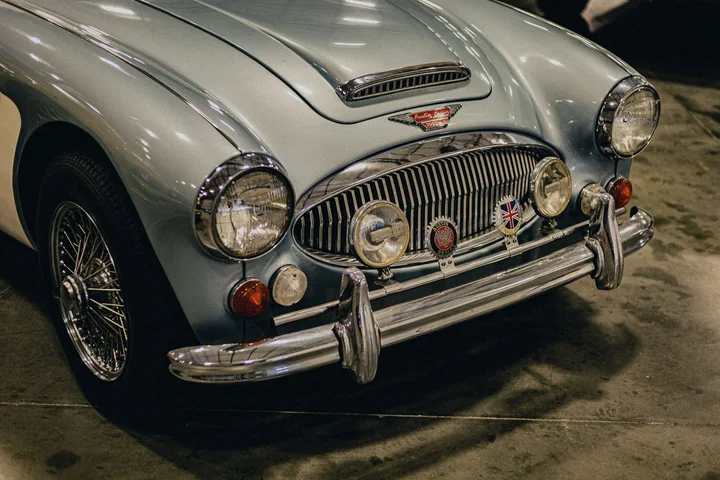
Image source: pexels.com
Mike Brewer was born on 28 August 1964 in Lambeth, south London, which makes him 62. He sold his first Mini at sixteen and has been trading ever since. He is the constant across the show’s entire run, doing the buying and selling while a succession of mechanics have done the fixing. Our full profile covers his career and why his net worth figures cannot be trusted.
The Three Mechanics
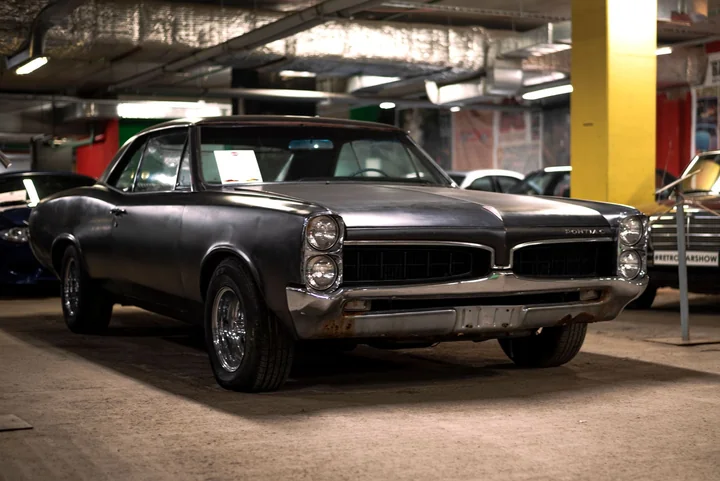
Image source: pexels.com
The show has had three mechanics and each changed its character. Edd China made it famous with long, genuinely instructional repair sequences. Ant Anstead followed, bringing a coachbuilding background. The current mechanic is Marc “Elvis” Priestley. A note for anyone confused by search results: Marc Priestley and “Elvis” Priestley are the same person, not two people.
Car SOS
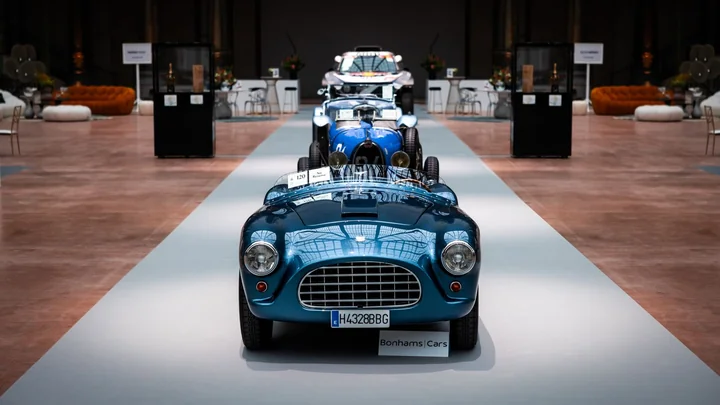
Image source: pexels.com
Car SOS takes a different emotional route. Fuzz Townshend and Tim Shaw restore a car in secret and surprise its owner, usually somebody who has been through illness or hardship and had to abandon a beloved project. It is engineered to make you cry and it works every time. The restoration content is genuine; the ambush at the end is the payoff.
Bangers & Cash
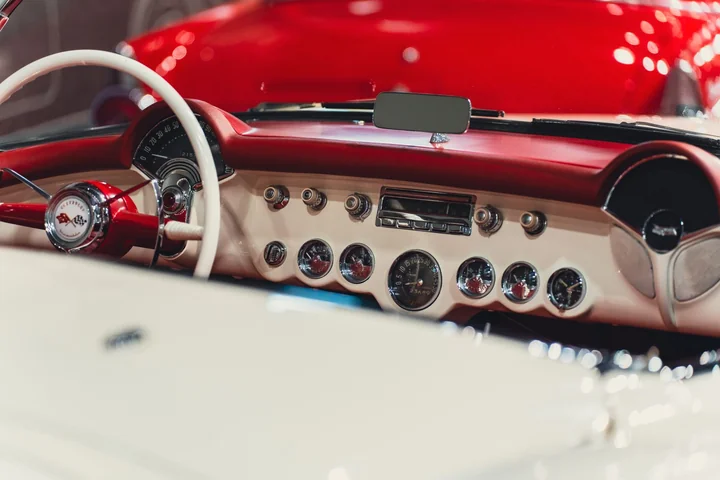
Image source: pexels.com
Bangers & Cash is the auction end of the genre, following the Mathewson family in North Yorkshire as they collect and sell entry-level classics. Its strength is that the family are real and the business predates the cameras by decades. Our guide to the Bangers and Cash cast explains the three generations, and Mathewsons Classic Cars covers the business itself.
Clarkson And The Top Gear Lineage
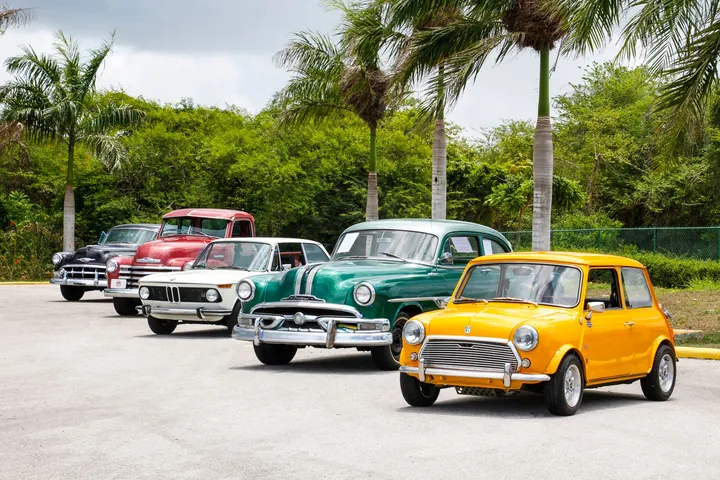
Image source: pexels.com
No account of this genre works without Jeremy Clarkson, whose version of Top Gear turned motoring television into entertainment with a global audience. Chris Harris and others carried it on afterwards. That show and the workshop shows are almost opposites: one is about extraordinary cars driven badly, the other about ordinary cars fixed properly. Both work.
Why Presenters Are Real Traders
Image source: pexels.com
The thing these presenters share with the antiques experts is that television is not their trade. Mike Brewer buys and sells cars. Marc Priestley worked in motorsport. The Mathewsons run an auction house that has traded since 1970. Audiences can tell the difference between somebody doing their job with a camera present and somebody performing expertise they do not have.
The Net Worth Problem

Image source: pexels.com
Search any of these names and you will be offered a confident wealth figure. Treat them all with suspicion. For Mike Brewer alone, published estimates range from about $1.5 million to $5 million, a spread wide enough to prove nobody knows. It is the same pattern we documented with Drew Pritchard, whose supposed £120,000-per-episode fee has no source behind it at all.
What Actually Sells

Image source: pexels.com
The market these shows work in has changed completely. Cars that were worthless twenty years ago, ordinary Fords, Rovers, Austins and Vauxhalls, now command real money because buyers want the car their dad had rather than an investment. That nostalgia economy also drives the market in personalised number plates in the UK and fills Derek Mathewson’s own collection.
The Restoration Reality

Image source: pexels.com
Every one of these programmes eventually admits the same uncomfortable truth: restoring an ordinary classic rarely pays. Labour, parts and paint routinely cost more than the finished car is worth. People do it anyway because they are buying a memory. The shows that acknowledge this are the ones enthusiasts trust; the ones that pretend otherwise get found out quickly.
Where To Watch

Image source: pexels.com
The genre is spread across channels: Wheeler Dealers on Discovery, Bangers & Cash on U&Yesterday and UKTV Play, Car SOS on National Geographic, and various Top Gear incarnations on the BBC and its archives. All are heavily repeated and largely episodic, so there is no need to start at the beginning of anything.
Edd China And Why He Left

Image source: pexels.com
The most discussed moment in the show’s history was Edd China’s departure, which he explained publicly as a disagreement about the direction of the programme and specifically about shortening the repair sequences. Whatever the detail, it crystallised a real tension in the genre: the audience that watches for the mechanics wants long, technical, unglamorous footage, and television scheduling generally wants the opposite.
Buying A Classic Yourself

Image source: pexels.com
These programmes inspire an enormous number of impulse purchases, most of which end badly. The advice from every dealer in the genre is identical: buy the best example you can afford rather than the cheapest project, budget for twice what you expect, and check the structure before the engine. Rust is what kills cars and rust is what the photographs hide, whether you are buying from Mathewsons or a classified ad.
Car SOS And The Emotional Format

Image source: pexels.com
It is worth separating the two emotional models in this genre. Wheeler Dealers is transactional: numbers, margins, profit or loss. Car SOS is the opposite, restoring a car in secret for somebody who has been through illness or hardship and building to a reveal. Both are honest about the work involved; they simply choose different things to make you feel. The workshop footage in each is equally real.
Women In A Male Genre

Image source: pexels.com
One fair criticism of the genre is how male it has stayed. Antiques television broadened considerably, with women now leading valuations across the BBC daytime output, while car shows have been slower. There are signs of change through YouTube, where the barrier to entry is a camera rather than a commissioning editor, but mainstream car television still looks much as it did in 2003.
Final Thoughts
The UK car TV presenters worth watching are the ones who were already doing the job before television arrived: traders, mechanics and auctioneers filmed at work. That is why the genre has lasted more than twenty years while flashier formats have come and gone. Start with Wheeler Dealers for the mechanics and Bangers & Cash for the money.
Frequently Asked Questions
Who presents Wheeler Dealers?
Mike Brewer has presented it since 2003, alongside mechanics Edd China, then Ant Anstead, and currently Marc “Elvis” Priestley.
Are Marc Priestley and Elvis Priestley the same person?
Yes. Marc “Elvis” Priestley is one person. Search results often list the names separately, which causes confusion.
When did Wheeler Dealers start?
In 2003. It has since run to more than 200 episodes, making it one of the longest-running formats in the genre.
What is the difference between Car SOS and Wheeler Dealers?
Wheeler Dealers buys, fixes and sells cars for profit. Car SOS restores a car in secret as a surprise for its owner.
Are the car show presenters real mechanics and traders?
Yes. Most were working in the trade before television. Mike Brewer sold his first car at sixteen and the Mathewsons have traded since 1970.
Can you trust the net worth figures for these presenters?
No. Published estimates vary wildly, in Mike Brewer’s case from about $1.5m to $5m, which shows they are guesses rather than reporting.
Disclaimer: This article is for general information. Programme availability and presenter line-ups change. We do not repeat unsourced net worth or salary figures, which vary wildly between publishers and have no verified basis.