
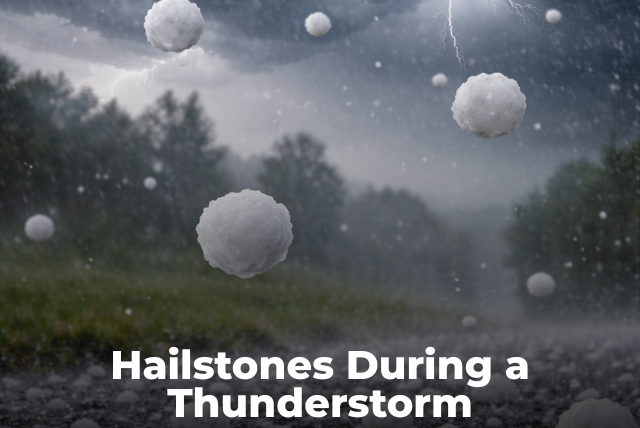
One afternoon, the sky turns dark without warning. The wind picks up, thunder rolls, and suddenly—ice starts falling from above. Not snow, not rain, but hard, painful chunks hitting rooftops, cars, and even people. These are hailstones, and for many, the experience is both shocking and unforgettable. You might have seen videos or even faced a storm where ice rained down like bullets. But what exactly are hailstones, and why do they form in such a dramatic way? This article takes you inside the story of hail—how it begins high in the clouds, how it grows, and why it can turn a normal day into a dangerous situation within minutes.
What Are Hailstones and Why Do They Feel So Dangerous?
It often starts like any other storm, but then something changes. Instead of soft rain, solid ice begins to fall. Hailstones are frozen balls of ice that develop inside powerful storm clouds. They can be tiny like peas or large enough to fit in your palm. When they hit the ground, they don’t melt immediately—they bounce, roll, and sometimes shatter.
Many people describe their first encounter with hail as frightening. Imagine standing outside and suddenly feeling sharp, icy impacts on your skin. That’s because hailstones are dense and fall at high speeds. According to Britannica, these ice balls often have multiple layers, formed during their journey inside clouds.
What makes them truly dangerous is their unpredictability. A sunny day can quickly turn into a hailstorm, catching people off guard. From damaging cars to breaking windows, hailstones are not just weather—they are a sudden force of nature.
How Do Hailstones Form High Above Us?
High above the ground, inside towering storm clouds, a silent process begins. Strong winds push tiny water droplets upward into freezing temperatures. This is where hailstones start their journey.
Inside these clouds, the air is extremely cold. Water droplets freeze into small ice particles. But the story doesn’t end there. These particles are carried up and down by powerful winds, growing larger each time they collect more frozen water. According to Britannica, this cycle continues until the ice becomes too heavy to stay in the air.
Think of it like a roller coaster ride inside a cloud. Each trip up and down adds another layer. Eventually, gravity wins, and the hailstone falls to the ground. This invisible process is what creates those sudden bursts of ice during storms.
The Secret Behind the Layers Inside Hailstones
If you cut open a hailstone, you might notice something surprising—it has layers, just like an onion. Each layer tells a part of its journey through the storm cloud.
As hailstones move through different parts of the cloud, they collect water that freezes at different speeds. According to the UK Met Office, slow freezing creates clear layers, while rapid freezing creates cloudy ones.
This layered structure forms as the hailstone travels up and down multiple times. Each trip adds a new coat of ice. It’s almost like nature is building a frozen record of the storm inside each hailstone.
This is why no two hailstones are exactly the same. Each one carries a unique pattern shaped by the storm that created it.
Why Some Hailstones Grow Bigger Than Others
Not all hailstorms are equal. Sometimes, the ice pieces are small and harmless. Other times, they can be large enough to cause serious damage. So what makes the difference?
The answer lies in the strength of the storm. Stronger storms have more powerful updrafts—winds that push objects upward. According to Weather.com, these updrafts keep hailstones in the air longer, allowing them to grow bigger.
Imagine holding a ball in the air with a strong fan. The stronger the fan, the longer the ball stays up. The same idea applies to hailstones. The longer they stay inside the cloud, the more layers they gain.
This is why some storms produce tiny ice pellets, while others drop giant, damaging hailstones that leave a lasting impact.
Can Hailstones Fall Even When It’s Warm Outside?
It may sound strange, but hailstones can fall on a hot day. Many people are confused when they see ice hitting the ground while the air feels warm.
The reason is simple—the action happens high above the ground. According to Weather Station Advisor, hail forms in the cold upper layers of storm clouds, even when the surface temperature is warm.
By the time the hailstone falls, it may not have enough time to melt completely before reaching the ground. That’s why you can experience hail in summer or during a warm afternoon.
This contrast between warm air and falling ice makes hailstorms even more surprising and sometimes dangerous.
The Role of Supercooled Water in Hail Formation
Deep inside storm clouds, there is a fascinating phenomenon—water that stays liquid even below freezing temperature. This is called supercooled water, and it plays a key role in hail formation.
When this water comes into contact with an ice particle, it freezes instantly. According to the Bureau of Meteorology, this rapid freezing process helps hailstones grow layer by layer.
Picture droplets clinging to a tiny ice core and freezing the moment they touch it. This process repeats again and again, building the hailstone over time.
This hidden process is what gives hailstones their solid, dense structure and makes them capable of causing damage when they fall.
Where and When Do Hailstorms Usually Happen?
Hailstorms are not random—they are closely linked to certain weather conditions. They usually occur during strong thunderstorms, especially in warmer months.
According to the World Meteorological Organization, hail is commonly associated with severe storm systems and powerful cloud formations.
In many regions, summer storms bring the highest risk. Warm air rising quickly creates the perfect environment for hail formation. This is why farmers and drivers often stay alert during storm seasons.
Even though hailstorms don’t last long, their impact can be sudden and intense, leaving behind damaged property and shaken communities.
The Real-Life Damage Caused by Hailstones
For many people, hailstorms are not just a weather event—they are a costly disaster. Cars get dented, roofs crack, and crops are destroyed within minutes.
Recent reports from The Washington Post highlight that extremely large hail events are becoming more noticeable in some regions.
Imagine walking out after a storm to find broken windows or a damaged vehicle. That’s the reality many people face after a hailstorm.
Because hailstones fall at high speed, they carry strong impact energy. This is why even a short storm can cause significant damage.
Simple Ways to Stay Safe During a Hailstorm
When hail begins to fall, quick action can make a big difference. The safest place to be is indoors, away from windows and glass doors.
If you are driving, try to find shelter like a garage or covered area. Avoid stopping under trees, as branches may break during the storm. Staying inside your car is safer than being outside.
Hailstorms can arrive suddenly, so keeping an eye on weather updates is important. Preparing in advance can help reduce damage and keep you safe.
For readers interested in understanding other natural resources, you can also explore this guide on what crude oil is and how it impacts daily life.
How Hailstones Connect to Everyday Life
Hailstones may seem like a rare event, but their impact reaches into everyday life. From agriculture to travel, they can disrupt routines in seconds.
Farmers worry about crop loss, drivers fear damage, and families rush indoors when storms hit. It’s a reminder of how quickly nature can change.
Just like planning a relaxing break with family staycation ideas, understanding weather risks helps us stay prepared and safe.
Even public figures are not untouched by weather events, much like how readers stay curious about topics such as Chris Martin’s net worth and lifestyle, showing how everyday interests and natural events both shape our lives.
Why Scientists Are Paying More Attention to Hail
In recent years, scientists have started focusing more on hailstorms. There is growing interest in understanding whether climate changes are affecting their size and frequency.
Researchers are studying patterns, storm intensity, and how conditions are changing over time. This helps improve weather forecasts and warnings.
The goal is simple—to protect people and reduce damage. Better understanding means better preparation.
As storms become more unpredictable, learning about hailstones is no longer just interesting—it is necessary.
Conclusion: When Ice Falls From the Sky
Hailstones may seem like a small part of weather, but their impact is anything but small. From their quiet formation high in the clouds to their sudden fall during storms, they tell a powerful story of nature’s force. We’ve seen how they form, grow, and cause damage in just minutes. The next time dark clouds gather, you might think differently about what could be happening above. Understanding hailstones helps you stay alert, prepared, and safe. Keep learning about weather, stay aware of forecasts, and take simple steps to protect yourself and your surroundings when storms strike.
FAQs About Hailstones
What are hailstones made of?
Hailstones are made of layers of ice. They form when water droplets freeze and stick together inside storm clouds. Each layer forms as the hailstone moves through different parts of the cloud.
How big can hailstones get?
Hailstones can range from very small, like peas, to very large, like golf balls or even bigger. Their size depends on how strong the storm is and how long they stay inside the cloud.
Is it dangerous to be outside during hail?
Yes, it can be dangerous. Large hailstones can cause injuries and damage property. It is always safer to stay indoors during a hailstorm.
Why do hailstones fall during summer?
Hailstones often form in summer because strong storms are more common. Warm air helps create powerful updrafts that are needed for hail formation.
Do hailstones always come with thunderstorms?
Most hailstones form during thunderstorms because they need strong winds and tall clouds. Without these conditions, hail cannot develop.
Can hailstones damage cars and homes?
Yes, hailstones can dent cars, break windows, and damage roofs. Larger hailstones can cause serious damage in a short time.