
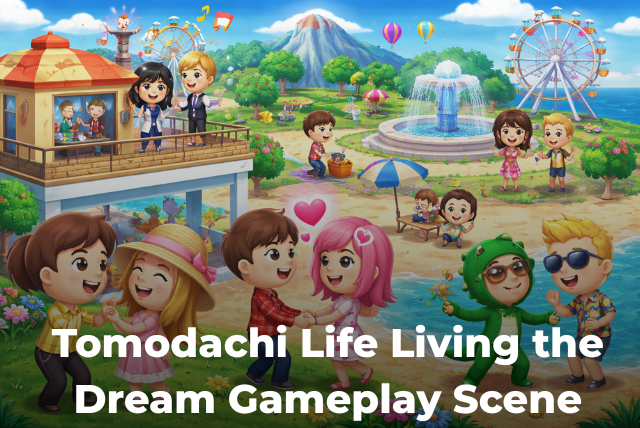
Imagine opening a game and seeing a tiny version of yourself arguing with your best friend… then falling in love five minutes later. Sounds strange, right? That’s exactly the kind of magic Tomodachi Life: Living the Dream brings. For many players, it’s not just a game—it feels like watching a funny, unpredictable TV show where you control the cast. I remember the first time I played a similar simulation game, thinking I would just try it for a few minutes. Hours passed without me noticing. That same feeling is back again, but bigger and better. Tomodachi Life: Living the Dream takes everything people loved and turns it into a deeper, more emotional, and sometimes hilarious experience.
A World Where Your Imagination Comes Alive

Image source: pexels.com
The moment you start Tomodachi Life: Living the Dream, it feels like stepping into a tiny world you created yourself. You design characters, give them personalities, and suddenly they begin living lives of their own. It’s a strange but exciting feeling, like watching your ideas come to life right in front of you.
Think about creating a character based on your best friend. At first, it feels simple. But then that character starts making decisions you never expected. They might become best friends with someone you dislike or start singing songs in public. These moments make the game feel alive.
According to Wikipedia, the game focuses on social interactions and daily life, which explains why it feels so personal and engaging.
This is not just gameplay. It’s storytelling created by you, shaped by your choices, and filled with surprises at every turn.
The Excitement Around Its 2026 Release

Image source: pexels.com
When the release date for Tomodachi Life: Living the Dream was announced, fans didn’t just react—they celebrated. After years of waiting, the return of this unique simulation felt like meeting an old friend again.
Picture someone who played the original game as a teenager. Now older, they hear the news and feel a wave of nostalgia. That emotional connection is powerful. It’s not just about playing a new game—it’s about reliving memories.
As reported by Gematsu, the game will launch on April 16, 2026, for Nintendo Switch, making it more accessible than ever.
This release is more than just a date on a calendar. It marks the return of a game that many people never really forgot.
How Gameplay Feels Like Watching a Real Story
One of the most fascinating things about Tomodachi Life: Living the Dream is how it turns simple actions into full stories. You don’t just play—you observe, react, and sometimes laugh at the chaos.
Imagine checking in on your island and finding two characters arguing over something silly. Later, they make up and become closer than before. These small moments feel real, almost like watching a TV drama.
According to Game8, players guide their Miis through daily challenges and relationships, which adds depth to the experience.
This mix of control and unpredictability is what keeps players coming back. Every time you log in, something new is waiting.
The Magic of Dream Sequences
Now imagine this—your character suddenly enters a dream where nothing follows normal rules. Maybe they are flying, or maybe they are in a strange musical performance. These dream sequences add a completely new layer to the game.
They feel unexpected, almost like random scenes from a movie that make you pause and smile. It’s these small surprises that make the experience unforgettable.
As explained on Fandom, dream mechanics introduce surreal and creative storytelling elements.
These moments remind players that the game is not just about reality—it’s about imagination without limits.
Why Players Feel Emotionally Connected
It may sound strange, but players often feel real emotions while playing Tomodachi Life: Living the Dream. You might feel happy when two characters fall in love or slightly sad when they argue.
This happens because you created them. They are not just random characters—they are reflections of people you know or even yourself.
If you’ve ever wondered why games like this are so addictive, our guide on why people love online gaming explains the psychology behind it.
The emotional connection is what turns a simple game into something memorable. It’s no longer just entertainment—it becomes personal.
The Power of Creativity and Freedom
One of the biggest joys in Tomodachi Life: Living the Dream is the freedom it gives you. There are no strict rules. You can create characters however you like and let them interact in unpredictable ways.
Some players create realistic versions of friends, while others design funny or completely strange characters. Both approaches work, and both lead to unique stories.
According to TechRadar, the improved AI makes characters feel more dynamic and responsive.
This freedom allows every player to have a completely different experience. No two islands are ever the same.
The Demo That Took Fans by Surprise
When the demo suddenly dropped, it felt like an unexpected gift. Players rushed to try it, and within hours, social media was filled with funny and strange moments.
Imagine scrolling through your feed and seeing someone’s character doing something completely bizarre. That’s the kind of viral energy the demo created.
As reported by GamesRadar, fans quickly shared their excitement and gameplay clips online.
This reaction shows how powerful the game’s creativity is—it turns players into storytellers.
Early Bugs and Player Reactions
Of course, not everything was perfect. Some players noticed bugs in the demo, like repeated dialogue or strange glitches. But instead of frustration, many people found these issues funny.
It’s like watching a blooper reel in a movie—it doesn’t ruin the experience. Sometimes, it even makes it more memorable.
According to GamesRadar, some players experienced looping dialogue issues.
These early problems are expected and will likely be fixed before release. What matters more is how much fun players are already having.
How It Fits Into Modern Gaming Trends
Gaming today is changing. Not everyone wants fast-paced action all the time. Many players are now looking for relaxing and creative experiences, and this game fits perfectly into that trend.
Think about coming home after a long day and just watching your characters live their lives. It’s calming, simple, and enjoyable.
You can explore more about this shift in our article on online gaming trends, which shows how player preferences are evolving.
This is why games like Tomodachi Life: Living the Dream are becoming more popular than ever.
More Than Just a Game
At its core, Tomodachi Life: Living the Dream is not just about gameplay. It’s about stories, emotions, and creativity. It gives players a space to experiment, laugh, and sometimes even reflect.
If you look at the bigger picture, this type of experience is becoming a key part of digital entertainment today.
It’s not about winning or losing. It’s about enjoying the journey and the unexpected moments along the way.
Release, Reviews And Sales

Image source: pexels.com
Tomodachi Life: Living the Dream was released on Nintendo Switch on 16 April 2026, developed by Nintendo EPD with help from Intelligent Systems and Bandai Namco Studios. It received generally favourable reviews, with a Metacritic score of 77, and by August 2026 had sold 8 million copies, making it the best-selling game in the series.
What’s New

Image source: pexels.com
The new game lets players create same-sex relationships and choose non-binary options for their Miis, features that were widely praised. It also adds custom drawing tools, more control over the island’s layout and room for up to 70 Miis. Some reviewers criticised restrictions on sharing images and Miis online.
Playing Safely With Children

Image source: pexels.com
Use the Nintendo Switch Parental Controls app to set play-time limits and restrict communication and purchases for younger players. For more gaming guides, see our PlayStation Plus games guide.
Final Thoughts on Tomodachi Life: Living the Dream
Tomodachi Life: Living the Dream feels like that one story you don’t want to end. It mixes humor, creativity, and emotion in a way that very few games can. Whether you are creating funny characters or watching unexpected relationships unfold, every moment feels unique. As the release date gets closer, the excitement continues to grow. If you enjoy games that let you tell your own stories, this is one experience worth trying. So when it finally arrives, maybe give it a chance—you might just find yourself lost in a world you never expected to love.
FAQs
What is Tomodachi Life: Living the Dream?
Tomodachi Life: Living the Dream is a life simulation game where players create Mii characters and watch them interact, build relationships, and live on an island. It focuses on creativity, humor, and storytelling.
When will Tomodachi Life: Living the Dream be released?
The game is scheduled to release on April 16, 2026. It will be available on Nintendo Switch, making it accessible to a wide range of players.
Is Tomodachi Life: Living the Dream a sequel?
Yes, it is considered a follow-up to the original Tomodachi Life game. It builds on the same concept but introduces new features, improved graphics, and deeper gameplay.
Why is Tomodachi Life: Living the Dream so popular?
The game is popular because it offers freedom, creativity, and unpredictable moments. Players enjoy creating characters and watching unique stories unfold naturally.
Can you play Tomodachi Life: Living the Dream solo?
Yes, the game is designed for solo play. However, players often share their experiences online, making it feel like a social experience as well.
What makes this game different from other simulation games?
Its focus on humor, random events, and emotional connections sets it apart. The dream sequences and improved AI also make the experience more dynamic and engaging.