
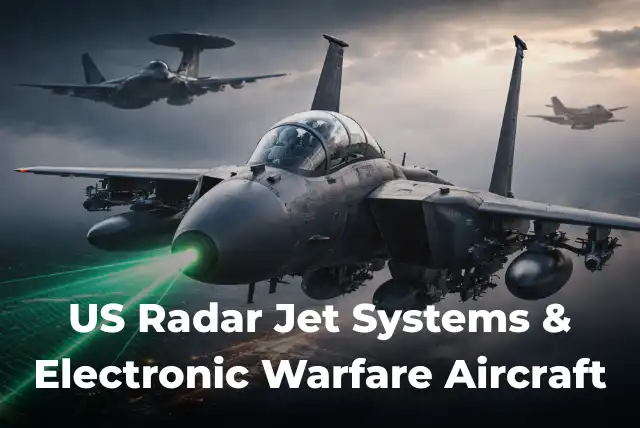
It often starts with a silent sky. No sound, no warning—just a blip on a radar screen somewhere in a control room. Imagine being the person watching that screen, knowing that one tiny signal could mean everything. That’s the hidden world of a us radar jet, where aircraft don’t just fly—they see, detect, and even outsmart threats before anyone else knows they exist. From mysterious flights over secret deserts to advanced fighter jets that think almost like humans, these aircraft tell a story of innovation, secrecy, and power. Let’s step inside this world and explore how these radar jets quietly shape modern warfare
The Moment Radar Changed Everything in the Sky

Image source: pexels.com
There was a time when pilots relied only on their eyes and instincts. Picture a young pilot in the early days of jet aviation, scanning the horizon, unsure of what might be hiding in the clouds. That changed the moment radar entered the cockpit. Suddenly, aircraft could “see” beyond vision.
Radar works by sending out signals and reading what comes back. It sounds simple, but in reality, it changed air combat forever. Early jets like those from the Cold War era started using basic radar to detect enemies at a distance. Over time, these systems became smarter and faster.
Today, radar is not just a tool—it’s the brain of many aircraft. It guides decisions, tracks threats, and helps pilots stay ahead. According to data from Wikipedia on early jet fighters, even early aircraft laid the foundation for the advanced radar systems we see today.
Inside Modern Fighter Jets That Can See the Invisible

Image source: pexels.com
Imagine sitting inside a modern fighter jet, surrounded by screens instead of windows. The pilot isn’t just flying—they are reading a story written by radar signals. These systems can track multiple targets at once, even if they are miles away.
Modern US radar jets use AESA technology, which is faster and more precise than older systems. It allows jets to scan large areas in seconds and switch between targets instantly. This means a pilot can react before the enemy even knows they’ve been detected.
The real magic lies in how smoothly this happens. Everything feels instant. According to RTX’s official report, newer systems like PhantomStrike are designed to be smaller, lighter, and more efficient while still delivering powerful detection.
The Rise of Autonomous Radar Jets
Now imagine a jet flying without a pilot. It sounds like science fiction, but it’s already happening. Autonomous radar jets are being developed to think, detect, and respond on their own.
These aircraft rely heavily on advanced radar systems. Without a human onboard, radar becomes the main “sense” of the aircraft. It helps the jet understand its surroundings and make decisions in real time.
This shift is changing how wars might be fought in the future. Instead of risking human lives, machines could take on dangerous missions. According to Raytheon’s media release, these radar systems are designed for easy integration into autonomous platforms, making large-scale deployment possible.
AWACS Aircraft: The Eyes Watching Everything
Far above the battlefield, there is often a quiet giant watching everything unfold. AWACS aircraft don’t look like fighter jets. They carry a large radar dome and move slowly, but their role is powerful.
Think of them as flying control rooms. They scan huge areas and guide other aircraft. Pilots depend on them for real-time updates, especially during complex missions.
These aircraft can detect threats long before they become visible to others. According to information on the Boeing E-3 Sentry, AWACS systems act as airborne early warning platforms, helping coordinate entire operations from the sky.
The Hidden World of Electronic Warfare Jets
Not every battle is fought with missiles. Some are fought silently, through signals and interference. Electronic warfare jets are built for this hidden fight.
Imagine trying to use your phone, but someone keeps blocking your signal. That’s what these aircraft do—but on a much larger scale. They can jam enemy radar, disrupt communication, and even mislead missiles.
This makes them incredibly valuable in modern warfare. They don’t just attack—they protect. They create confusion, giving friendly forces the upper hand.
To understand how modern tech supports such systems, you can explore advancements in cybersecurity technologies, which often overlap with electronic warfare concepts.
Secret Jets and the Mystery of Area 51
Every now and then, a strange aircraft is spotted in the sky, and rumours begin. One such mystery involves a jet known as RAT55, often seen near Area 51.
These sightings spark curiosity, but they also reveal something important. These aircraft are used to test how visible planes are to radar. Engineers use them to improve stealth technology.
It’s like a game of hide and seek—except the stakes are much higher. According to The Economic Times, RAT55 plays a key role in testing radar signatures of stealth aircraft.
How Radar Helps Jets Fly in Darkness and Danger
Picture a mission at night, with no lights and poor visibility. This is where radar becomes a lifeline. Pilots rely on it to navigate safely and hit their targets.
Systems like LANTIRN allow jets to operate in complete darkness. They combine radar with infrared technology to create a clear picture of the environment.
This makes night missions safer and more precise. According to details on LANTIRN systems, these tools help aircraft fly low and strike targets even in difficult conditions.
You can also explore how vision technology supports such missions through modern night vision devices.
From Early Jets to Modern Powerhouses
The journey of radar jets didn’t happen overnight. It started with simple systems and grew into the powerful technology we see today.
Early jets like the B-45 Tornado played a role in testing radar integration. They were not perfect, but they helped engineers learn and improve.
Each generation added something new—better detection, faster processing, and smarter systems. Over time, radar became more reliable and more accurate.
According to historical data on early bombers, these aircraft helped shape the future of radar-based combat.
The Future of US Radar Jet Technology
Looking ahead, the future of radar jets feels almost limitless. Imagine aircraft that can predict threats before they even appear. That’s where technology is heading.
Artificial intelligence, advanced sensors, and faster processing are making radar systems smarter than ever. Jets will not just detect threats—they will understand them.
This evolution is part of a larger technological shift. You can see similar progress in areas like future transportation systems, where automation and smart design are changing how machines operate.
The next generation of US radar jets will likely be faster, smarter, and more independent than anything we’ve seen before.
Why US Radar Jets Still Matter Today
Even in a world filled with satellites and drones, radar jets remain essential. They offer flexibility, speed, and real-time decision-making that other systems cannot match.
Whether it’s a fighter jet detecting an incoming threat or an AWACS aircraft guiding an entire mission, these systems continue to play a critical role.
They are not just machines—they are part of a larger defence network that keeps skies secure. Their importance will only grow as technology advances and challenges become more complex.
Airborne Early Warning Aircraft

Image source: pexels.com
Large radar aircraft such as the Boeing E-3 Sentry, known as AWACS, carry a rotating radar dome that can detect aircraft hundreds of miles away and direct friendly fighters. The US Navy’s E-2 Hawkeye performs a similar role from aircraft carriers.
Electronic Warfare Jets

Image source: pexels.com
Electronic attack aircraft such as the EA-18G Growler use powerful jammers to disrupt enemy radar and communications, protecting other aircraft during missions. Modern fighters such as the F-35 carry advanced AESA radars that can track many targets at once while being harder to detect.
The UK Angle

Image source: pexels.com
The Royal Air Force retired its E-3D Sentry aircraft in 2021 and is introducing the E-7 Wedgetail, a radar aircraft based on the Boeing 737, to take over the airborne early warning role. For more on recent air operations, see our report on the US jet shot down over Iran.
Final Thoughts: A Silent Force in the Sky
When you look up at the sky, it often feels calm and empty. But behind that silence, there is a world of advanced technology working quietly. A us radar jet is more than just an aircraft—it is a system of intelligence, awareness, and control. From secret testing grounds to high-tech battle zones, these jets shape the future in ways most people never see. As technology continues to evolve, one thing is clear: the sky will never truly be silent again. If you’re curious about how technology is shaping our world, keep exploring—you’ll be surprised at what’s happening behind the scenes.
FAQs
What is a US radar jet?
A US radar jet is a military aircraft equipped with radar systems that help detect, track, and engage targets. These jets are used in combat, surveillance, and electronic warfare missions.
How do radar systems work in fighter jets?
Radar systems send out radio waves and analyse the signals that return. This helps the jet identify objects, measure distance, and track movement even in bad weather or darkness.
What is the role of AWACS aircraft?
AWACS aircraft act as airborne control centres. They monitor large areas, detect threats early, and guide fighter jets during missions using powerful radar systems.
Are there pilotless radar jets?
Yes, modern technology is developing autonomous radar jets. These aircraft use advanced radar and AI to operate without a pilot, making decisions in real time.
Why are stealth testing aircraft important?
Stealth testing aircraft help engineers understand how visible a jet is to radar. This allows them to design aircraft that are harder to detect, improving survival in combat.
What makes modern radar jets different from older ones?
Modern radar jets use advanced systems like AESA, which are faster, more accurate, and can track multiple targets at once. They are also smaller and more efficient than older systems.