
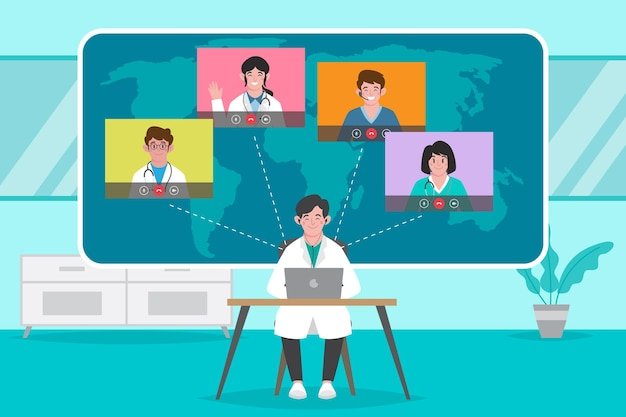
In 2026, the digital transformation of healthcare is in full swing. Virtual healthcare jobs have become a cornerstone of this shift, enabling medical professionals to deliver care remotely while reaching more patients than ever before. These jobs are not only convenient—they are in demand, well-paid, and critical for the future of global health systems.
Whether you’re an experienced clinician, a tech-savvy graduate, or someone looking to switch careers, this guide will show you what roles are available, what skills you need, and how technology is powering the remote healthcare revolution.
What Are Virtual Healthcare Jobs?

Virtual healthcare jobs are roles in the medical field that can be performed remotely using digital tools such as video conferencing, electronic records, and health apps. These positions have seen explosive growth since 2020, and in 2026, they’re expected to make up nearly 25% of all new healthcare roles in North America and Europe combined, according to Deloitte’s 2025 Digital Health Outlook.
These jobs span both clinical and non-clinical areas:
Clinical roles:
-
Remote diagnosis and treatment
-
Therapy and counseling
-
Chronic disease management
Non-clinical roles:
-
Medical transcription
-
Insurance verification and billing
-
Telehealth support and coordination
Tip: Virtual jobs are ideal for clinicians seeking flexibility, healthcare startups scaling remotely, and professionals working part-time or from rural locations.
Top Virtual Healthcare Jobs in 2026 (with Salaries)

Below are the most in-demand roles with their average annual salaries (U.S. data from Glassdoor and ZipRecruiter):
1. Telehealth Nurse – $72,000–$95,000
-
Conducts triage, follow-ups, and post-operative care via video
-
Requires a valid RN license
2. Online Therapist or Mental Health Counselor – $65,000–$110,000
-
Offers virtual therapy for mental health issues
-
High demand driven by convenience and rising awareness
-
Online therapy services are becoming more accessible through providers like Bupa
3. Remote Physician or Specialist – $170,000–$250,000
-
Offers virtual consultations in fields like dermatology and psychiatry
-
Ideal for semi-retired doctors or those seeking flexible work
4. Medical Billing & Coding Specialist – $45,000–$65,000
-
Processes insurance claims, manages coding (ICD-10, CPT)
-
Requires certification such as CPC or CCS
5. Virtual Health Coach or Nutritionist – $40,000–$80,000
-
Works with clients via video on wellness, fitness, or lifestyle goals
-
Popular in corporate health programs and app-based services
Emerging Roles in 2026 You May Not Know About

As virtual healthcare evolves, several new remote job types are growing fast:
-
Remote Care Coordinators: Bridge communication between patients and providers; manage appointments and records
-
Telehealth Platform Trainers: Help clinicians adopt digital tools; train them in best practices
-
AI Chatbot Support Analysts: Maintain virtual assistant systems that help patients self-assess or book appointments
Key Skills for Remote Healthcare Work

Success in virtual healthcare jobs requires both medical qualifications and technical fluency:
Technical Skills:
-
Electronic Health Records (EHR) systems (e.g., Epic, Cerner)
-
HIPAA/GDPR-compliant video tools (e.g., Zoom for Healthcare, Doxy.me)
-
ICD-10 and CPT coding knowledge
-
Familiarity with patient portals and scheduling software
-
Advanced data recovery solutions are essential for maintaining secure digital systems—Granular Recovery Technology is one example supporting healthcare data safety
Soft Skills:
-
Clear communication over video and phone
-
Self-discipline and task management
-
Patient empathy via remote channels
-
Comfort with changing digital tools
How Technology Is Powering the Virtual Job Boom

This explosion in remote work is driven by advances in telehealth platforms, automation, and patient experience tools. Healthcare providers can now conduct full cycles of care digitally—from scheduling and intake to consultation and billing.
AI-driven tools are reshaping various industries, including healthcare. As outlined in Artificial Intelligence in Business, automation plays a key role in job creation and operational efficiency across virtual care systems.
One of the biggest enablers is the white label telemedicine app—a customizable, ready-to-launch platform that allows startups, clinics, and health systems to quickly deploy their own branded virtual care services. These platforms reduce development time and expand job creation for:
-
Nurses and therapists
-
Healthcare IT and developers
-
Administrative coordinators
-
Compliance and data privacy officers
Note: It’s projected that by 2026, over 30% of new virtual clinics worldwide will rely on white-label software, especially in fields like behavioral health, dermatology, and primary care.
Where to Find Virtual Healthcare Jobs in 2026

Major Job Boards:
-
FlexJobs: Curated remote job listings
-
Indeed, ZipRecruiter: Use filters like “remote” or “telehealth”
-
Remote.co, We Work Remotely: Great for digital health startups
Healthcare Employers:
-
Systems like Mayo Clinic, HCA, and Cleveland Clinic post telehealth roles
-
Use internal career portals and LinkedIn alerts
Digital Health Startups:
-
Companies like Teladoc, Ro, and Amwell regularly hire for remote care
-
Many also post on AngelList or Y Combinator job boards
Freelance Platforms:
-
Upwork, Fiverr: Ideal for coaches, consultants, and writers
-
Build a client base for independent work or side income
Common Challenges in Virtual Healthcare Roles

Important Considerations:
-
Licensing: Ensure your credentials are valid for remote patient locations
-
Internet reliability: Stable tech and setup are critical for care quality
-
Privacy regulations: Understand HIPAA or GDPR, depending on your location
-
Isolation risk: Virtual roles may lead to screen fatigue or disconnection
-
Ensuring compliance in virtual clinical trials is crucial for pharmaceutical advancements—GCP Consulting plays a role in regulatory alignment and innovation
Is This a Long-Term Career Option?

According to Accenture’s 2025 Health Workforce Report:
-
62% of healthcare professionals prefer hybrid or remote work
-
48% of providers are expanding long-term virtual care investments
-
Patient satisfaction with telehealth remains over 85% across the U.S.
The shift is long-term. Remote jobs will continue to grow—not just as a convenience, but as a necessity for access and cost efficiency.
Professional Registration Still Applies

Image source: pexels.com
Working remotely does not change professional regulation. In the UK, nurses must be registered with the Nursing and Midwifery Council, doctors with the General Medical Council, and allied health professionals such as physiotherapists and dietitians with the Health and Care Professions Council. Employers will check registration, and remote clinical work must meet the same standards as face-to-face care, including documentation and safeguarding.
Where The Remote NHS Jobs Are

Image source: pexels.com
In the NHS, remote and hybrid roles are most common in telephone and online services, such as NHS 111 clinical advisers, remote triage, mental health support lines, remote monitoring of patients at home, and non-clinical roles in administration, digital services and data. Many are hybrid rather than fully remote. NHS Jobs, the health service’s recruitment site, lists vacancies and allows filtering by working pattern.
Data Protection And Confidentiality

Image source: pexels.com
Remote healthcare workers handle sensitive health data at home, which carries responsibilities. Work in a private space where conversations cannot be overheard, use only approved devices and systems, lock screens when away, and never store patient information on personal devices. Health data is special category data under UK GDPR, and breaches can have serious consequences for patients and for your registration.
Contracting And IR35

Image source: pexels.com
Some remote healthcare roles are offered on a contract basis through agencies or personal service companies. If you work through your own limited company for a medium or large client, including many NHS organisations, the off-payroll working rules, known as IR35, may mean you are taxed like an employee. Check how the engagement will be assessed before accepting, since it affects your take-home pay considerably.
Building The Right Skills

Image source: pexels.com
Remote clinical work demands strong communication without body language, careful documentation and confidence with digital systems. Training in remote consultation, clinical decision-making over the phone and the specific software used by employers makes applicants stand out. For wider career guidance on remote work, see our guide to the best UK cities for remote workers, which covers your right to request flexible working.
Conclusion
Virtual healthcare jobs are here to stay—and growing rapidly. They offer flexibility, fair pay, and a chance to be at the forefront of healthcare innovation. Whether you’re a licensed professional or entering the industry with technical or support skills, remote roles in healthcare offer real opportunities in 2026 and beyond.
From telehealth nursing to AI-powered support roles, the digital transformation is creating a new career frontier—one that you can join from wherever you are.
FAQs
1. What are virtual healthcare jobs?
Remote healthcare jobs that use online tools for service delivery and admin tasks.
2. Do I need a license?
Yes, for clinical roles. Non-clinical roles like billing may only need certification.
3. Are these jobs full-time?
Yes, many are full-time. Some freelance or part-time options exist too.
4. Can I apply internationally?
Yes, but ensure your certifications and work hours align with the employer’s requirements.
5. Where should I start?
Try job boards like FlexJobs and ZipRecruiter, or explore digital health company websites.