
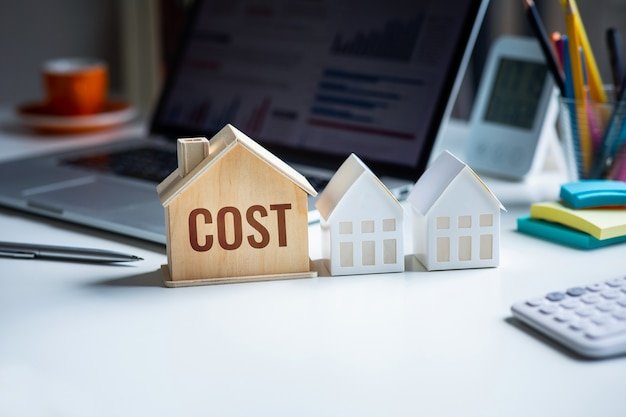
Buying a home is a big financial step, but many people don’t realise how much extra they’ll pay in closing costs. These are the final fees due when you complete your home purchase—and in 2026, they can add up to thousands of pounds.
The good news? You can reduce many of these costs with smart planning, local help, and a few proven strategies. This guide explains everything you need to know to keep your closing cost low when buying a home in the UK.
What Is a Closing Cost?
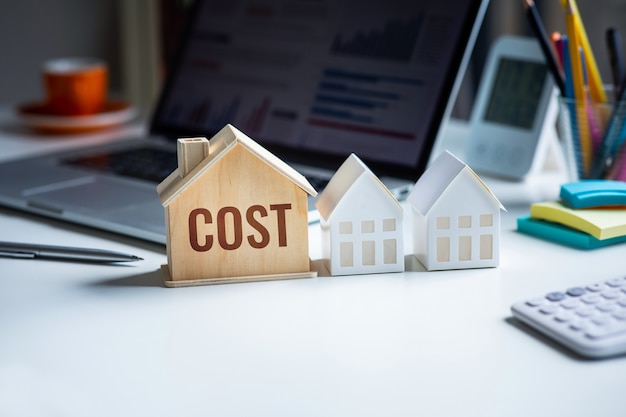
A closing cost is a group of extra charges that you must pay when the home purchase is finalised. These are separate from your deposit. In the UK, closing costs in 2026 range from 2% to 5% of the property’s price. So, for a £250,000 home, you might pay between £5,000 and £12,500.
What Do Closing Costs Include?

Here are the typical fees you might see:
-
Solicitor or conveyancer fees
-
Stamp Duty Land Tax (if the property is above the tax threshold)
-
Land Registry charges
-
Local authority searches
-
Mortgage arrangement or broker fees
-
Property survey or valuation costs
-
Bank transfer and admin charges
Some of these costs are fixed, but others can be reduced—or even avoided.
Why Closing Costs Vary

The amount you pay depends on:
-
Location (London vs. smaller towns)
-
Type of property (leasehold often adds costs)
-
Your lender’s fee structure
-
Local council charges
-
The professionals you hire
To manage your budget, it’s important to know where you can save.
1. Compare Quotes from Solicitors and Conveyancers

Legal fees are one of the biggest parts of your closing cost. But prices vary.
-
Ask for quotes from at least three firms
-
Choose fixed-fee services if possible
-
Make sure all extras are clearly listed
2. Ask Lenders for a Full Fee Estimate

Your lender must give you a loan estimate showing all fees upfront. This includes:
-
Arrangement charges
-
Broker fees
-
Valuation costs
Compare lenders carefully. Some may reduce or waive certain fees as part of a deal.
3. Work with Local Property Experts

Local experts understand what’s normal for fees in your area. A team like Parkers Caversham can guide you toward affordable services and help avoid high costs.
4. Ask for Discounts and Bundle Services

Not all fees are fixed. Try to:
-
Ask your solicitor or broker for a discount
-
Bundle services (e.g., mortgage + legal work) to get better rates
-
Use one company for multiple services
Learn about the benefits of choosing a finance broker to potentially reduce your closing costs.
5. Time Your Purchase Carefully

When you complete your purchase can affect your costs.
-
Completing later in the month can reduce prepaid interest
-
Some government incentives expire at year-end
-
Stamp duty or loan deals may change mid-year
Plan your timeline with your solicitor.
6. Check All Charges for Mistakes

Go over every fee. Look for:
-
Duplicate charges
-
Services listed more than once
-
Admin fees that seem too high
To avoid confusion and future problems, follow these tips for avoiding legal disputes in real estate.
7. Try a No-Closing-Cost Mortgage

Some lenders now offer deals where they pay your upfront fees in exchange for a slightly higher interest rate.
You can read about top UK lenders offering this option in this CNBC guide.
Important Note: Be sure to calculate how much extra you’ll pay in interest over the years.
8. Use Government Help to Reduce Costs

In 2026, several schemes are available to help:
-
First Homes Scheme – Up to 30% off new-build homes
-
Stamp Duty Relief – No tax up to £300,000 for first-time buyers (this relief threshold was reduced from £425,000 on 1 April 2025)
-
Shared Ownership – Buy a share of the home and pay smaller fees
-
Help to Build – Support for self-build projects
Discover why affordable new homes for sale are a smart choice for first-time buyers in 2026.
9. Let Your Estate Agent Guide You

Good agents often know affordable brokers, surveyors, and legal experts. They can help you:
-
Avoid overpriced services
-
Speed up the buying process
-
Get trusted, local support
If you’re new to the market, read this guide on real estate investing for beginners for more helpful insights.
Are Smart Homes Worth It for Resale Value?

If you’re buying a new home, consider one with smart features. They often have higher resale value and can reduce energy bills. Explore how smart homes are increasing property values and what that means for your long-term investment.
Sample Closing Cost Breakdown (2026)
| Fee Type | Estimated Cost (GBP) |
|---|---|
| Solicitor/Conveyancer Fees | £850 – £1,500 |
| Stamp Duty (if applicable) | £0 – £2,500 |
| Land Registry Charges | £135 – £200 |
| Local Authority Searches | £250 – £400 |
| Mortgage Arrangement Fees | £0 – £999 |
| Valuation/Survey | £150 – £800 |
| Bank Transfer/Admin | £40 – £75 |
| Total Estimate | £1,500 – £6,500+ |
For the costs that come before completion on a newly built home, see our guide to rethinking your next home build.
Closing Costs Or Completion Costs?

Image source: pexels.com
In the UK, closing costs are usually called buying costs or completion costs. They are paid around exchange and completion, the two key legal stages of a purchase, and your solicitor or licensed conveyancer will send a completion statement listing every fee before you complete.
Choosing The Right Survey

Image source: pexels.com
RICS surveys come in three levels. A Level 1 survey suits newer homes in good condition, Level 2 is the most common choice for conventional properties, and Level 3, a full building survey, is recommended for older, larger or altered homes. A mortgage valuation is not a survey and is for the lender’s benefit, not yours.
Scotland And Wales Are Different

Image source: pexels.com
Stamp Duty Land Tax applies in England and Northern Ireland. Scotland has Land and Buildings Transaction Tax and Wales has Land Transaction Tax, each with its own rates, thresholds and first-time buyer rules, so check the relevant government calculator for your area.
How Long Buying Takes

Image source: pexels.com
In England and Wales, a straightforward purchase often takes around three to four months from offer to completion, though chains, lender delays and search backlogs can extend this. Staying in regular contact with your conveyancer and returning documents quickly helps. For more, see our guide to buying a house in Manchester.
How We Keep This Guide Up To Date

Image source: pexels.com
Rules, prices and services change, so we review guides like this regularly and update them when official sources change. Where the law or official guidance is involved, the relevant government or regulator’s website is always the final word, and it is worth checking there before making an important decision. If something here has changed, the official source will reflect it first.
A Quick Checklist Before You Decide
Before acting on anything in this guide, run through three quick checks. First, is the information current, and does it apply where you live in the UK, since rules often differ between England, Scotland, Wales and Northern Ireland? Second, have you compared more than one option or provider? Third, do you need professional advice for your specific situation? Taking ten minutes over these questions avoids most expensive mistakes.
Common Mistakes To Avoid

Image source: pexels.com
The most common mistakes are acting on out-of-date information, relying on a single source, and overlooking the total cost once fees, delivery or add-ons are included. Reading the small print, keeping records of what you agreed, and checking reviews from more than one independent source will prevent most problems before they start.
Final Thoughts
Closing costs are a normal part of buying a home, but with the right planning, you can keep them low. Compare quotes, ask for discounts, double-check fees, and use local and government help. Every pound you save helps you start your new life in a stronger financial position.
Frequently Asked Questions (FAQs)
1. What are closing costs?
They are extra fees you pay when you buy a home, like legal and bank charges.
2. Can I lower my closing costs?
Yes, you can ask for discounts or compare prices to pay less.
3. How much are closing costs in 2026?
They are usually 2% to 5% of the home price in the UK.
4. Are there any help schemes for buyers?
Yes, the UK has buyer help plans like First Homes and stamp duty relief.
5. Is a no-closing-cost mortgage good?
It’s good if you plan to sell or change your loan in a few years.