
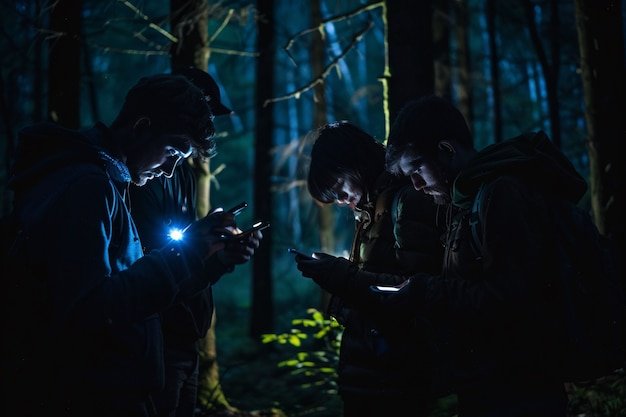
Freeriding, mountaineering, and hiking in the mountains attract millions of adventure seekers every year. However, these thrilling activities also come with real risks. A wrong step or unexpected weather can quickly turn a fun day into a dangerous situation. That’s when mountain rescuers step in—braving difficult terrains and harsh conditions to save lives. In their missions, rescuers rely on advanced tools, including AGM night vision devices, thermal imaging equipment, and other optics. These devices are essential for operating in low-light environments where visibility is limited.
Types of Night Vision Devices Used by Mountain Rescuers
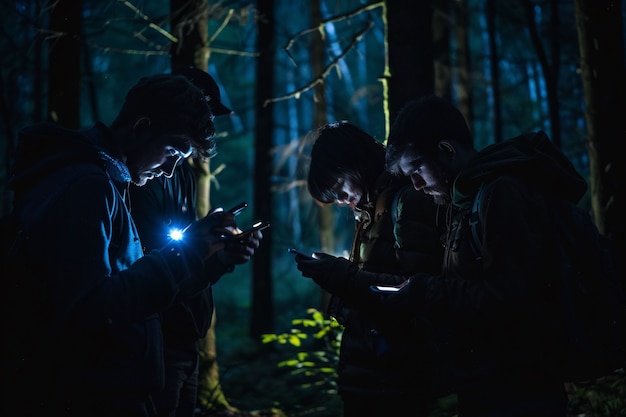
Rescue teams use several types of night vision devices (NVDs), each suited for different environments and conditions. The right choice can greatly impact the success of a search operation, especially when time is critical and visibility is low.
1. Light-Amplifying Devices
These are the most commonly used night vision tools. They work by amplifying available natural light—such as moonlight or starlight—so that even dim surroundings become visible. Rescuers use devices like binoculars, monoculars, and night vision goggles to detect missing persons during the night or early dawn. These tools are particularly helpful in open areas where ambient light is minimal but still present.
2. Thermal Imaging Devices
Unlike light-amplifying devices, thermal imagers detect heat rather than light. They are ideal for spotting people in dense fog, darkness, or smoky environments where visibility is close to zero. On-screen thermal images highlight warm objects like people or animals, making them stand out against the cooler background. Devices like thermal imaging cameras, binoculars, and monoculars help scan large areas quickly and effectively.
3. Combination Devices
Modern rescue teams often use devices that combine both night vision and thermal imaging technologies. These dual-function tools allow rescuers to switch between modes or overlay images, giving them more detailed and accurate information. Binoculars with built-in thermal and light amplification features are becoming a standard in complex rescue missions.
Why Rescuers Use Different Night Vision Devices

1. Improved Visibility
Night operations in mountainous terrain would be nearly impossible without enhanced visibility. Light-amplifying devices allow rescuers to see paths, obstacles, and potential victims at night. When ambient light is completely absent—such as in heavy fog or under cloud cover—thermal imaging steps in to provide visibility through heat detection. This ability allows search operations to continue even when natural light is unavailable.
2. Increased Safety for Rescuers
NVDs do more than help locate people—they also protect the rescuers. Better visibility helps avoid accidents such as falls, missteps, or collisions with unseen obstacles. Night vision also helps in identifying dangerous wildlife and navigating complex terrains. By allowing teams to communicate visually and stay aware of each other’s movements, these devices reduce the risks faced during nighttime missions.
3. Higher Chances of Successful Rescue
Every minute counts in mountain rescues, especially during extreme weather or cold temperatures. Night vision tools allow operations to continue without waiting for daylight, giving injured or lost individuals a better chance of survival. These tools also reduce the response time in emergencies, which is critical when dealing with hypothermia or severe injuries.
Use of NVDs in Aerial Rescue Operations

Helicopters and drones play an important role in mountain rescue missions. These aerial tools are equipped with NVDs to allow for safe flight and accurate searches during the night. For helicopter pilots, night vision enables safer navigation around cliffs, tree lines, and obstacles such as cable cars or power lines. From the air, thermal and night vision cameras help spot people who may be otherwise hidden from ground view.
Drones fitted with thermal or night vision cameras also offer a huge advantage. They can cover large areas quickly, identify heat signatures from people or animals, and relay live footage to rescue teams. This saves valuable time and helps pinpoint the location of victims with higher accuracy.
How UK Mountain Rescue Works
Image source: pexels.com
Mountain rescue in England and Wales is provided by volunteer teams coordinated through Mountain Rescue England and Wales, with Scottish Mountain Rescue covering Scotland. In an emergency on the hills, call 999, ask for the Police and then Mountain Rescue. Teams are unpaid and rely heavily on donations to fund equipment, including night vision and thermal devices.
Thermal Imaging Versus Night Vision

Image source: pexels.com
Traditional night vision amplifies small amounts of available light, such as moonlight or starlight, while thermal imaging detects heat, so it can pick out a person against cold ground even in total darkness or light fog. Many rescue teams use both: thermal to find a casualty and night vision to move safely over terrain.
Drones And Search Operations

Image source: pexels.com
Rescue teams increasingly use drones fitted with thermal cameras to search large areas quickly, alongside helicopters with night-vision-equipped crews. Drones can cover steep or dangerous ground without putting team members at risk.
Why Winter Nights Are So Dangerous

Image source: pexels.com
Short winter days mean many walkers are caught out by darkness, often combined with snow, ice and falling temperatures. Hypothermia can set in quickly for an injured or lost person who cannot keep moving, which is why fast location at night, helped by thermal and night vision equipment, can save lives.
Supporting Your Local Team

Image source: pexels.com
Because mountain rescue teams are volunteer-run charities, donations, fundraising events and local business support pay for vehicles, radios, medical kit and specialist optics. Many teams publish lists of equipment they are raising money for, making it easy to see where a donation goes.
Staying Safe On The Hills
Image source: pexels.com
Most rescues are avoidable with good preparation. Check the mountain weather forecast, carry a map, compass and head torch with spare batteries, tell someone your route and return time, and turn back if conditions deteriorate. Download the OS Locate app or similar to find your grid reference in an emergency.
How We Keep This Guide Up To Date
Rules, prices and services change, so we review guides like this regularly and update them when official sources change. Where the law or official guidance is involved, the relevant government or regulator’s website is always the final word, and it is worth checking there before making an important decision. If something here has changed, the official source will reflect it first.
A Quick Checklist Before You Decide

Image source: pexels.com
Before acting on anything in this guide, run through three quick checks. First, is the information current, and does it apply where you live in the UK, since rules often differ between England, Scotland, Wales and Northern Ireland? Second, have you compared more than one option or provider? Third, do you need professional advice for your specific situation? Taking ten minutes over these questions avoids most expensive mistakes.
Common Mistakes To Avoid

Image source: pexels.com
The most common mistakes are acting on out-of-date information, relying on a single source, and overlooking the total cost once fees, delivery or add-ons are included. Reading the small print, keeping records of what you agreed, and checking reviews from more than one independent source will prevent most problems before they start.
The Bottom Line
Night vision and thermal imaging technologies have become essential tools in mountain rescue operations. From ground patrols to aerial support, these devices improve visibility, reduce risk, and increase the chances of successful rescue missions—often making the difference between life and death in critical situations.
Frequently Asked Questions (FAQ)
1. Why do mountain rescuers need night vision devices?
Mountain rescuers often work in low-light conditions such as nighttime, fog, or storms. Night vision devices help them see clearly, locate victims faster, and stay safe while navigating dangerous terrain.
2. What’s the difference between night vision and thermal imaging?
Night vision devices amplify available light (like moonlight), while thermal imaging detects heat signatures. Thermal devices work even in complete darkness, fog, or smoke, making them ideal for rescue operations when visibility is extremely low.
3. Can drones with night vision help in mountain rescues?
Yes. Drones equipped with night vision or thermal cameras can scan large areas quickly, detect heat from people, and provide live video to rescue teams. This improves response time and search accuracy.
4. Are thermal imaging devices better than night vision goggles?
Each has its strengths. Thermal imaging is better in total darkness or poor weather, while night vision goggles are more effective in areas with some ambient light. Many rescue teams use both for different situations.
5. What kind of night vision devices do professionals use?
Professionals use light-amplifying goggles, thermal cameras, and combination devices that include both technologies. Brands like AGM offer specialized gear designed for rescue teams and rugged environments.