
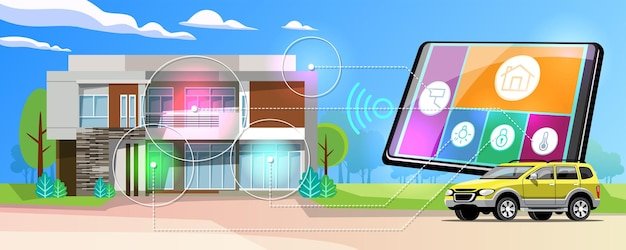
The way smart technology is changing homes today is incredible. What started as a luxury is now a serious value booster in the UK property market. In 2026, knowing how smart upgrades affect your home’s worth is more important than ever. Smart homes are no longer just fancy; they’re expected.
The Evolving Smart Home Landscape

Think smart homes are just about automatic lights? In 2026, they’re like personal assistants — managing heating, security, and entertainment seamlessly.
Modern homes now feature:
- Unified control systems for heating, lighting, security, and media
- AI-powered assistants learning daily habits
- Smooth connection between different brands’ devices
- Central dashboards to manage everything in one place
- Smarter, faster, and more intuitive living
This shift turns smart homes into intelligent environments, not just a collection of cool gadgets.
Energy Management Excellence

With energy bills staying high, homes that save 25–40% on utility costs are becoming a must-have.
Today’s best features include:
- AI-optimized heating and cooling systems
- Solar panels with battery storage
- Smart systems that use energy during cheaper hours
- Predictive systems adjusting for weather changes
- Detailed energy monitoring tools
They don’t just save money — they also make homes more valuable.
Security Transformation

Home security isn’t just about alarms anymore — it’s about complete protection.
Key features:
- AI surveillance telling apart visitors and threats
- Biometric (fingerprint/face) access controls
- Full perimeter monitoring
- Remote lockdown features
- Automated emergency responses
Buyers, especially in busy cities, love these upgrades, making properties even more desirable.
How Smart Homes Impact Different Property Segments

Luxury Homes (£750,000+)
In high-end properties, smart features are now expected:
- Full smart systems can add 3–5% to home value
- Invisible tech that preserves period charm sells best
- Homes with panoramic smart glass and custom setups stand out
Without smart features, luxury homes risk price cuts.
Mid-Market Homes (£250,000–£750,000)
Smart investments here deliver great returns:
- Add 2–3.5% to property values
- Energy management delivers the highest ROI
- Security upgrades come next
- Easy-to-use systems (like Alexa or Google Home) are highly valued
Strategic, practical upgrades work best in this range.
Starter Homes (Under £250,000)
Even small homes benefit:
- Add 1–2% to property values
- Smart thermostats and lights pay off best
- Simple video doorbells also add value
- Easy DIY setups are key for this segment
Here, even low-cost smart upgrades can bring strong returns.
“Smart upgrades are no longer a bonus; they’re a buyer expectation in 2026,” says Sarah Jones, Property Specialist at Fine & Country London.
The Smart Features That Add the Most Value

Top 1: Energy Management Systems
- Smart heating with zonal control adds 1–2%
- Solar panels and batteries add 2–3%
- Smart water-saving systems reduce bills and waste
Top 2: Security Systems
- Integrated alarms and smart locks add 1–1.5%
- AI cameras and emergency alerts are highly attractive
Top 3: Convenience Automation
- Full automation (lights, music, blinds) adds 0.5–1%
- Voice-activated controls and pre-arrival settings are small touches that buyers love
Read Also: Night Vision Devices in Mountain Rescue Operations
How to Maximize Smart Home Value

1. Get Professional Installation
- Custom setups look better and work better
- Seamless design that matches the home interior
- Documentation and service warranties add buyer confidence
2. Future-Proof Your Home
- Work across brands (open standards)
- Can be expanded easily
- Get regular cloud updates
- Allow component upgrades without full system replacements
3. Make It Look Good
- Hide wires
- Match panels and controls with décor
- Keep technology minimal and neat
- Respect heritage details in older homes
The Valuation Challenge: Why Smart Features Are Hard to Price

- Some surveyors now assess smart features separately
- Smart tech is slowly being added to official home valuations
- Specialized tech surveyors are growing
Good documentation like detailed inventories, original invoices, proof of savings, and warranties can make a big difference.
What Mortgage Lenders Think

- Some lenders now offer green mortgages favoring energy-smart homes
- Smart security systems can lower insurance premiums
- Technology longevity is now considered in affordability models
Not every lender is there yet, but the shift is clear.
Agent Appraisal, RICS Valuation Or Lender Valuation

Image source: pexels.com
Three different things are called a valuation, and they serve different purposes. A free estate agent appraisal estimates the price your home might achieve on the market, and agents competing for your instruction may be optimistic. A formal valuation by a RICS-registered valuer is an independent professional opinion, used for purposes such as probate or divorce. A lender’s valuation is carried out for the mortgage lender to confirm the property is adequate security for the loan, and is not a survey of its condition.
Handing Over Smart Devices When You Sell

Image source: pexels.com
Smart heating, locks, cameras and lighting create a new question at sale: what stays and who controls it. List smart devices on the fixtures and fittings form used in conveyancing, so it is clear what is included in the price. Before completion, remove your accounts, reset devices where appropriate and pass on codes, manuals and app details to the buyer. A buyer inheriting devices still linked to the seller’s account is a common and avoidable frustration.
Security Rules For Smart Products

Image source: pexels.com
Since April 2024, the UK’s Product Security and Telecommunications Infrastructure regime has required manufacturers of consumer connectable products, including many smart home devices, to meet minimum security standards, such as banning universal default passwords and publishing how long products will receive security updates. When choosing devices, prefer products that state their update support period, change any passwords on installation, and keep firmware updated. Unsupported devices can become a security liability.
Energy Performance Still Matters Most
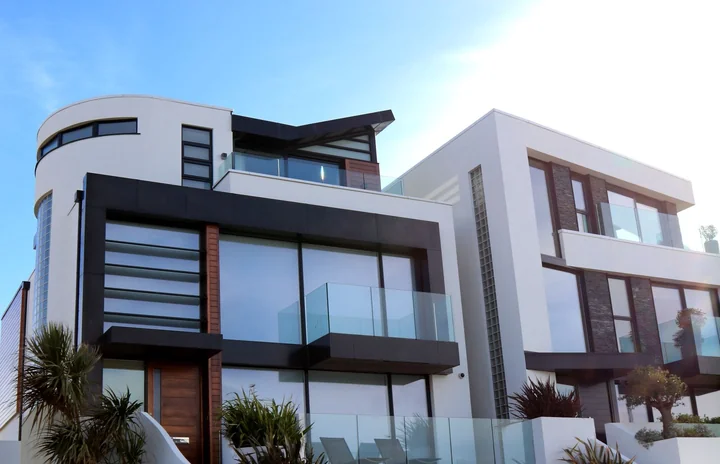
Image source: pexels.com
Of all the smart features, those that reduce energy use have the clearest link to value, because they can improve a home’s running costs and, in some cases, its Energy Performance Certificate. Buyers increasingly look at EPC ratings and bills, and landlords must meet minimum EPC standards to let a property. Insulation, efficient heating and controls usually do more for both bills and EPC than gadgets, and smart controls work best on top of those basics.
Presentation Still Beats Technology

Image source: pexels.com
Surveys of estate agents consistently find that condition and presentation influence sale prices more than gadgets do. A well-maintained, clean, decluttered home with a sound roof, a modern boiler and a good kitchen will usually outperform a similar home with expensive smart features but visible repairs needed. Smart technology is best seen as a finishing touch that can make a home more appealing, not a substitute for the basics buyers and surveyors check first.
Getting An Accurate Figure
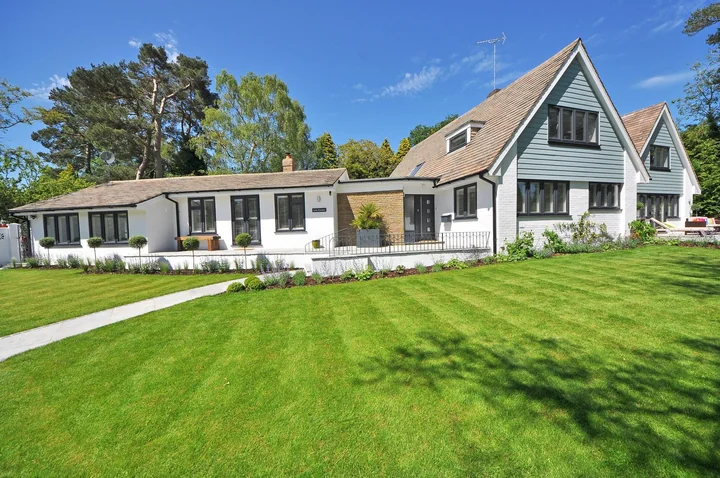
Image source: pexels.com
If you want to know what your home is worth, get more than one opinion. Invite two or three local agents, look at recent sold prices for similar homes on the Land Registry’s price paid data, and ask each agent to explain their evidence rather than just the number. For more on property decisions, see our guides to real estate investing for beginners and affordable new homes for first-time buyers.
Frequently Asked Questions (FAQs)
- Do smart homes sell faster in 2026?
Yes, smart homes in the UK sell 10–20% faster compared to traditional homes. - How much value can smart home features add?
Smart upgrades typically add 1–5% to a property’s value, depending on the features installed. - Can smart security systems lower home insurance costs?
Yes, many insurers now offer discounts for homes with smart security systems in place. - Which smart feature gives the best return?
Energy management systems like smart heating and solar panels offer the best returns in 2026.
Want to add value first? See our guide to boosting property value on any budget.
Conclusion
In 2026, smart home features aren’t just cool — they’re serious value boosters. Energy-saving upgrades, next-gen security, and easy-living automation are no longer “nice to have” — they’re what buyers expect.
Properties with smart systems not only sell faster but often sell for more. And as tech keeps evolving, the value gap between smart homes and old-fashioned ones will only grow.
Wondering How Much Your Smart Home is Worth?
Get a free, expert estimate now and see how your upgrades could boost your property’s value. value my property
About the Author
Deborah Milne is a real estate technology writer with 8+ years of experience covering smart homes, property trends, and digital real estate solutions. Her work helps homeowners and investors understand how modern technology impacts home value and market dynamics. Deborah is passionate about making real estate knowledge simple and actionable for everyone.
Disclaimer
This article is for informational purposes only. Property values, market trends, and smart home technology impacts can vary based on location, market conditions, and individual upgrades. Readers are advised to consult a licensed property expert or valuer for personalized advice before making investment decisions.