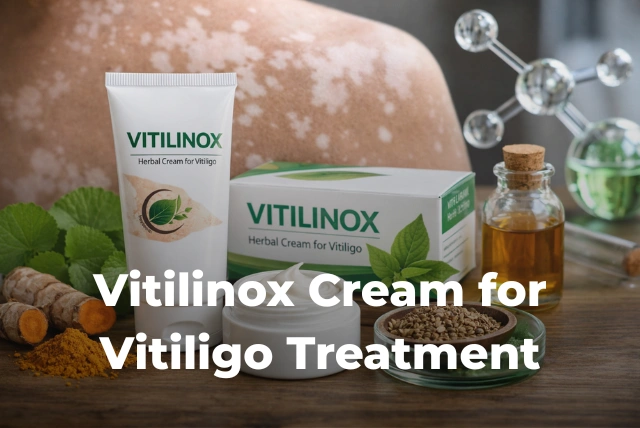

Vitiligo is more than just a skin condition—it often affects confidence, emotional well-being, and daily life. With the rising demand for solutions, products like vitilinox cream have gained attention as a “natural” way to restore skin pigmentation. But the real question is: does vitilinox actually work, or is it just another overhyped cream?
Imagine noticing white patches slowly appearing on your skin and not knowing what truly works. In this detailed, science-backed guide, we’ll break down everything you need to know—from ingredients and claimed benefits to real medical insights and treatment comparisons. According to experts and data from trusted sources like dermatology associations, vitiligo requires a deeper understanding beyond quick fixes. So before you decide to try vitilinox, let’s explore whether it’s truly effective, safe, and worth your investment.
Vitilinox Cream Overview: What Is It and How Does It Work?
Vitilinox is marketed as a topical cream designed to help people dealing with vitiligo, a condition that causes loss of skin pigmentation. The product is often promoted as a “natural solution” that supports the skin’s ability to restore melanin, the pigment responsible for skin color. Many users are drawn to vitilinox because it claims to offer a non-invasive alternative compared to clinical treatments.
The core idea behind vitilinox is that its herbal-based ingredients may help stimulate melanocyte activity, the cells responsible for producing melanin. However, it’s important to understand that vitiligo is not just a surface-level issue. It is a complex autoimmune condition, and research published by the National Institutes of Health explains that the immune system mistakenly attacks melanocytes, leading to depigmentation. This makes treatment more complicated than simply applying a cream.
While vitilinox positions itself as a safe and natural option, there is limited clinical evidence publicly available to confirm its effectiveness. Many similar products rely heavily on anecdotal success stories rather than scientific trials. For readers exploring vitiligo treatment options, it’s essential to balance product claims with medically verified information.
In simple terms, vitilinox may offer supportive skincare benefits, but whether it can truly influence the underlying autoimmune process remains a critical question—one that requires careful evaluation beyond marketing promises.
Understanding Vitiligo: Causes, Symptoms, and Medical Reality
To truly evaluate products like vitilinox, it’s essential to first understand what vitiligo actually is. Vitiligo is not just a cosmetic concern—it is a chronic autoimmune condition where the body’s immune system mistakenly attacks melanocytes, the cells responsible for producing skin pigment. As a result, white patches begin to appear on different parts of the body, often progressing over time.
According to the World Health Organization, vitiligo affects around 0.5% to 2% of the global population and can occur at any age. The condition is not contagious, but it can have a deep psychological impact, especially in societies where appearance plays a strong role in confidence and social interaction.
Medical experts also highlight that vitiligo is influenced by multiple factors, including genetics, oxidative stress, and immune system dysfunction. Dermatologists generally agree that vitiligo requires long-term management rather than quick topical fixes. If you’re exploring autoimmune skin condition insights, it becomes clear that treating vitiligo often requires more than surface-level solutions.
Understanding this medical reality is crucial because it sets the right expectations. While creams like vitilinox may support skin health, they are unlikely to address the root autoimmune cause on their own.
Vitilinox Ingredients: Full Breakdown and Benefits
One of the key selling points of vitilinox is its “natural” or herbal-based formulation. The product is often marketed as being free from harsh chemicals, which appeals to users looking for gentler skincare options. Typically, such creams include plant extracts, antioxidants, and skin-nourishing compounds that aim to improve overall skin health and potentially support repigmentation.
However, when evaluating ingredients, it’s important to separate general skincare benefits from clinically proven treatments. Scientific literature from the National Institutes of Health highlights that oxidative stress plays a role in vitiligo progression, which means antioxidants may help support the skin environment—but they do not directly cure the condition.
Many herbal formulations claim to “activate melanocytes,” yet there is limited peer-reviewed evidence confirming that over-the-counter creams can reliably restore pigment in vitiligo patients. This is why dermatologists often recommend combining treatments rather than relying on a single product. For those interested in natural skin care remedies, it’s important to view such ingredients as supportive rather than curative.
In short, while vitilinox ingredients may contribute to healthier skin, their ability to reverse vitiligo remains uncertain without strong clinical validation.
Does Vitilinox Really Work for Vitiligo? Scientific vs Marketing Claims
One of the biggest questions people ask is whether vitilinox truly delivers on its promises. Marketing materials often highlight success stories, before-and-after images, and claims of visible repigmentation. While these can be compelling, they do not always reflect scientifically validated outcomes.
According to the American Academy of Dermatology, there is currently no single product that works universally for vitiligo. Effective treatment typically involves medically supervised approaches such as topical medications or light therapy, and results vary significantly from person to person.
This creates a clear gap between marketing claims and medical reality. Many over-the-counter creams, including vitilinox, rely on anecdotal evidence rather than controlled clinical trials. While some users may notice improvements, these results could be influenced by individual skin response, early-stage vitiligo, or concurrent treatments. Exploring modern vitiligo treatments can provide a clearer picture of what science currently supports.
Ultimately, vitilinox may offer mild benefits for some users, but it should not be viewed as a guaranteed or standalone solution based on current scientific understanding.
Vitilinox vs Medical Treatments: Dermatologist Comparison
When comparing vitilinox with medically approved treatments, the differences become more apparent. Dermatologists typically recommend therapies such as topical corticosteroids, calcineurin inhibitors, and phototherapy, all of which have been studied extensively in clinical settings. These treatments aim to control the immune response and stimulate repigmentation more effectively.
As highlighted in a Forbes health report on vitiligo treatments, newer options like JAK inhibitors are also showing promising results, especially when used under professional supervision. These advancements demonstrate how complex and evolving vitiligo treatment really is.
In contrast, products like vitilinox are positioned as alternative or complementary solutions. While they may appeal to those seeking non-medical approaches, they lack the same level of clinical validation. This is why experts often advise combining lifestyle care with evidence-based treatments. If you’re weighing herbal vs clinical treatments, understanding this distinction is crucial.
Dermatologists generally agree that while natural products can support skin health, they should not replace medically guided therapies, especially in progressive cases of vitiligo.
How to Use Vitilinox Cream for Best Results
For those who decide to try vitilinox, proper usage plays a key role in achieving any potential benefits. Like most topical creams, it is typically applied directly to the affected areas of the skin, usually once or twice daily depending on product instructions. Consistency is important, as irregular use is unlikely to produce noticeable results.
However, expectations should remain realistic. Market data from Statista shows that demand for non-invasive treatments is increasing, but this does not guarantee effectiveness for every product. Results, if any, may take weeks or even months to appear and can vary widely between individuals.
It is also recommended to maintain a proper skincare routine alongside the use of such creams. Keeping the skin moisturized, protecting it from excessive sun exposure, and monitoring any changes are essential steps. Readers exploring natural skin care remedies should understand that consistency and overall skin care habits matter just as much as the product itself.
In summary, while vitilinox may be easy to use, patience and realistic expectations are crucial, as results are neither instant nor guaranteed.
Who Should Consider Using Vitilinox—and Who Should Avoid It?
Vitilinox may be suitable for individuals who are looking for a gentle, non-invasive skincare product to complement their routine. People in the early stages of vitiligo or those exploring supportive care options may find it helpful as part of a broader approach. It may also appeal to users who prefer herbal or natural formulations over prescription-based treatments.
However, it may not be ideal for individuals with rapidly progressing vitiligo or those expecting fast, dramatic results. Since vitiligo is an autoimmune condition, relying solely on topical products without medical guidance can limit treatment effectiveness. Those with sensitive skin or allergies should also proceed cautiously and perform patch testing before regular use.
For a deeper understanding of treatment choices, reviewing herbal vs clinical treatments can help clarify which approach aligns best with your condition and expectations.
Ultimately, choosing whether to use vitilinox should depend on your specific situation, goals, and willingness to combine it with medically supported treatments if necessary.
Vitilinox Benefits and Limitations You Should Know
Vitilinox is often promoted as a gentle and natural option for managing vitiligo, which makes it appealing to people looking for alternatives to medical treatments. One of its main advantages is that it is non-invasive and easy to incorporate into a daily skincare routine. Users who prefer herbal-based products may find it more comfortable compared to stronger prescription therapies.
However, it’s important to understand both sides of the picture. While such creams may help improve overall skin condition, they do not address the root autoimmune cause of vitiligo. Clinical research continues to show that vitiligo involves immune system activity that goes far beyond the skin’s surface, which limits how effective any topical-only solution can be.
Another limitation is the lack of large-scale clinical trials supporting vitilinox specifically. Most benefits are based on user experiences rather than scientific validation. For those exploring modern vitiligo treatments, it becomes clear that medically approved therapies offer more predictable outcomes.
In simple terms, vitilinox may provide supportive skincare benefits, but it should be seen as a complementary option rather than a complete treatment solution.
Are There Any Side Effects or Risks?
One of the reasons many people consider vitilinox is the assumption that “natural” products are always safe. While herbal-based creams are generally milder than prescription treatments, they are not entirely risk-free. Skin sensitivity, allergic reactions, or irritation can still occur, especially for individuals with sensitive skin.
Dermatology experts emphasize the importance of testing any new product before full application. Even natural ingredients can trigger reactions depending on individual skin types and conditions.
Another risk is delaying effective treatment. Relying solely on over-the-counter products like vitilinox without consulting a professional may lead to missed opportunities for early intervention. Early-stage vitiligo often responds better to medical therapies, which is why timely action matters. Understanding the psychological effects of vitiligo also highlights why managing the condition properly is so important.
Overall, while vitilinox may be safe for many users, it is always wise to approach it cautiously, monitor your skin’s response, and seek medical advice if needed.
Real Customer Reviews and Results: What People Are Saying
Customer reviews play a major role in shaping the perception of products like vitilinox. Many users report positive experiences, claiming gradual improvement in skin tone and reduced visibility of white patches. These testimonials often highlight consistency and patience as key factors in seeing results.
At the same time, not all feedback is positive. Some users mention little to no visible change even after prolonged use, while others express concerns about slow results. This mixed response reflects how differently vitiligo can behave from person to person, both physically and emotionally, as widely discussed in global health awareness reports.
It’s also important to approach online reviews with a critical mindset. Some testimonials may be influenced by marketing or lack medical context. Comparing user experiences with expert-backed insights, such as those found in vitiligo treatment options, can provide a more balanced perspective.
In the end, customer reviews can offer helpful insights, but they should not be the sole basis for making a decision about vitilinox.
Is Vitilinox Worth It or Should You Consider Alternatives?
Deciding whether vitilinox is worth trying ultimately depends on your expectations and approach to managing vitiligo. If you are looking for a gentle, non-invasive product to support your skincare routine, it may be a reasonable option to explore. However, it should not be viewed as a guaranteed or standalone solution.
Medical evidence consistently shows that vitiligo requires a more comprehensive approach. Dermatology guidelines emphasize that treatments like topical medications and light therapy remain the most effective options for repigmentation. These methods are backed by research and professional guidance, unlike many over-the-counter products.
For readers comparing options, exploring herbal vs clinical treatments can help clarify the differences between natural remedies and scientifically proven solutions. In many cases, combining supportive skincare with medical treatment offers the best results.
In conclusion, vitilinox may have a place as a supplementary product, but relying on it alone may not deliver the outcomes most people are hoping for.
Conclusion
Vitilinox has gained attention as a natural and easy-to-use option for people dealing with vitiligo, but it’s important to approach it with realistic expectations. While the product may support overall skin health and appeal to those looking for non-invasive solutions, current scientific understanding shows that vitiligo is a complex autoimmune condition that often requires more than just topical care.
Trusted medical sources emphasize that vitiligo management typically involves structured treatment plans rather than quick fixes. This means products like vitilinox can be part of a broader routine, but they should not replace professional medical advice or proven therapies.
For anyone exploring both modern vitiligo treatments and natural skin care remedies, the key is to combine accurate information, expert guidance, and a balanced approach. By doing so, you can make informed decisions that prioritize both your skin health and overall well-being.
Ultimately, vitilinox may offer supportive benefits, but the best results often come from understanding the condition fully and choosing treatments backed by both science and experience.
Frequently Asked Questions
Does Vitilinox really work for vitiligo?
Vitilinox may provide supportive skincare benefits, but there is no strong clinical evidence proving it can fully treat vitiligo. According to dermatology experts, effective vitiligo treatment usually requires medically approved therapies. It’s best used as a complementary option rather than a primary solution.
How long does Vitilinox take to show results?
Results can vary widely depending on the individual and the severity of the condition. Some users report changes within a few weeks, while others may not see noticeable improvement. Industry data suggests growing demand for non-invasive treatments, but effectiveness is not guaranteed for every product.
Is Vitilinox safe for long-term use?
Vitilinox is generally marketed as a natural product, which may make it safer for long-term use compared to strong medications. However, even natural treatments should be used cautiously, and consulting a dermatologist is always recommended before prolonged use.
Can Vitilinox cure vitiligo permanently?
No, there is currently no permanent cure for vitiligo. Health authorities confirm that treatments focus on managing symptoms and restoring some pigmentation. Vitilinox does not address the underlying autoimmune cause, so it should not be seen as a cure.
Are there better alternatives to Vitilinox?
Yes, medically approved treatments such as topical medications and phototherapy are often more effective. Exploring herbal vs clinical treatments can help you understand the differences and choose the best option based on your condition and goals.