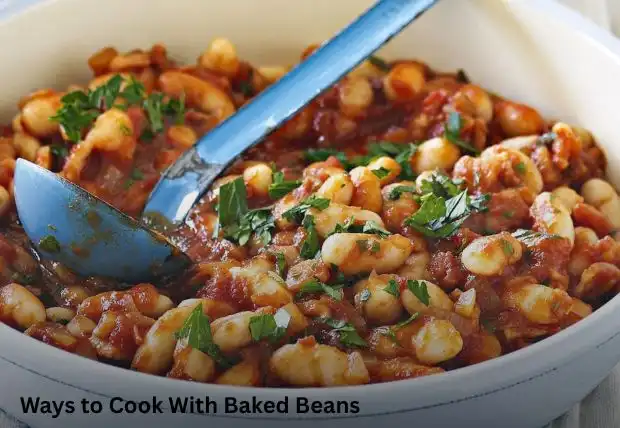

Rethinking Britain’s Most Familiar Tin
There are few ingredients more recognisable in a UK kitchen than a tin of baked beans. They sit quietly in cupboards across the country, dependable and unassuming, waiting for their usual fate. Toast. Maybe a jacket potato if it is feeling fancy.
But baked beans deserve more credit than that.
They are affordable, filling, protein-rich, and already seasoned. In other words, they are quietly brilliant. With a little imagination, baked beans can become the base for comforting dinners, quick lunches, and even pub-style meals that feel far more intentional than their humble beginnings suggest.
This guide explores unexpected but genuinely practical ways to cook with baked beans, designed for real UK households and busy schedules.
Why Baked Beans Are More Versatile Than We Think
Baked beans are often treated as a finished product rather than an ingredient. That mindset limits their potential.
At their core, baked beans are slow-cooked beans in a lightly sweet tomato sauce. That makes them ideal for absorbing additional flavours, thickening dishes, and adding body without needing extra effort.
They also tick several modern cooking boxes. They are budget-friendly, vegetarian by default, and shelf-stable. In times when food costs matter, that counts.
Baked Bean Pasta That Actually Works
Pasta and baked beans might sound questionable at first, but hear it out.
Warm baked beans gently with garlic, a splash of stock, and a pinch of dried herbs. Toss with cooked pasta and finish with black pepper and cheese if you like.
The beans become a ready-made sauce, and the starch from the pasta thickens everything naturally. It is not fancy, but it is comforting and surprisingly satisfying. Perfect for midweek evenings when energy is low and hunger is not.
Bean-Boosted Cottage Pie
Traditional cottage pie relies on mince and gravy, but baked beans can play a supporting role.
Mix a small amount of baked beans into the mince or lentil base. They add moisture, depth, and stretch the dish further without altering the familiar flavour profile.
For vegetarian versions, baked beans combined with lentils and vegetables create a filling base that holds together well under mashed potatoes. It still feels like a proper dinner, not a compromise.
Baked Bean Fried Rice
Leftover rice and baked beans are a surprisingly good match.
Heat oil in a pan, add onion and garlic, then stir in cold cooked rice. Add baked beans near the end and season with soy sauce or Worcestershire sauce.
The beans add softness and richness, while the rice keeps everything balanced. Add a fried egg on top and you have a comforting meal that feels intentional rather than improvised.
Pub-Style Bean and Sausage Skillet
This one feels right at home in a British pub kitchen.
Brown sausages in a deep pan, remove them briefly, then add onions and baked beans. Return the sausages, simmer gently, and serve with bread or mash.
It is hearty, warming, and unapologetically comforting. A reminder that baked beans have always belonged in proper meals, not just side dishes.
Bean-Stuffed Toasted Sandwiches
Baked beans are excellent sandwich filling material when treated correctly.
Reduce them slightly in a pan so they are thicker, then spoon into bread with cheese and toast until golden. The result is nostalgic but elevated, crisp outside and comforting inside.
It works equally well in toasties or wraps and makes baked beans feel like a meal rather than an afterthought.
Thickening Soups and Stews With Beans
A spoonful of baked beans can quietly improve soups.
Blended into vegetable soup, they add body without cream. Stirred into stews, they thicken the sauce naturally and make the meal more filling.
This is especially useful for meat-free meals that still need substance. It is a small addition that makes a noticeable difference.
Breakfast Beyond the Fry-Up
Baked beans are often tied to full English breakfasts, but they work beautifully in lighter morning meals too.
Warm them with spinach and serve on toast with a poached egg. Add them to savoury pancakes. Spoon them over roasted tomatoes and mushrooms.
They keep breakfast filling without tipping into excess, which is useful on busy mornings.
Tips for Cooking With Baked Beans
Reduce sweetness if needed by adding a splash of vinegar or lemon juice.
Season thoughtfully as baked beans already contain salt.
Simmer gently to avoid breaking the beans down too much.
Treat them as a base, not a final dish.
Small adjustments go a long way.
Why This Matters for Modern UK Cooking
Baked beans have survived generations for a reason. They are practical, affordable, and comforting.
Using them in new ways reduces food waste, stretches budgets, and makes home cooking feel less repetitive. It also reminds us that good food does not have to be complicated to be satisfying.
Sometimes, the most useful ingredients are already sitting in the cupboard.
Thank you for reading. I hope this article inspires you to look at that familiar tin of baked beans a little differently next time.
Also Read – One-Pan British Weeknight Dinners Using Pantry Staples
FAQs
Can baked beans be used in main meals, not just sides?
Yes. Baked beans work well as a base or supporting ingredient in pasta, stews, pies, and skillet meals.
Are baked beans healthy?
They are a good source of fibre and plant protein, though it is worth watching added sugar and salt levels.
Can baked beans be frozen after cooking?
Yes. Cooked dishes containing baked beans can be frozen, though the texture may soften slightly after reheating.
Do baked beans work in vegetarian meals?
Very well. They add protein, body, and flavour to vegetarian and meat-free dishes.
How can baked beans be made less sweet?
A splash of vinegar, lemon juice, or mustard helps balance the sweetness effectively.