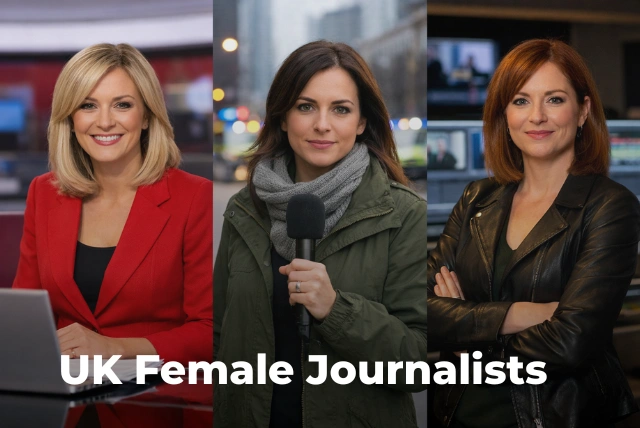

On a cold London morning, millions switch on their TVs or scroll through their phones, trusting a familiar voice to tell them what’s happening in the world. But have you ever stopped and wondered who these voices are? In 2026, UK female journalists are not just reading the news—they are shaping it, questioning it, and sometimes even risking their careers to tell the truth. From BBC studios to frontline reporting, these women carry stories that matter. This article explores the world of UK female journalists, their journeys, struggles, and the powerful impact they continue to make in modern media.
The Rise of UK Female Journalists in Modern Media
Not long ago, newsrooms in the UK looked very different. Imagine walking into a newsroom in the early 2000s—most leadership roles were held by men, and female journalists had to work twice as hard to be heard. Today, that picture is changing. More women are stepping into powerful positions, becoming trusted reporters and respected editors.
This shift didn’t happen overnight. It came from years of persistence, late nights, and breaking barriers. Many young women entering journalism today see role models on screen who look like them, which inspires confidence. However, challenges still remain. According to data from Press Gazette, leadership roles are still not equally balanced, even though more women are joining the industry.
This growing presence shows that UK female journalists are not just participants—they are becoming leaders who shape how stories are told and understood.
Kira Cochrane: Telling Stories That Matter
Picture a journalist who doesn’t just report the news but challenges society to think deeper. That’s the kind of impact Kira Cochrane has made. Her work often focuses on feminism and equality, topics that spark real conversations across the UK.
Her journey is a powerful example of how journalism can influence culture. As a former Women’s Editor at The Guardian, she created space for voices that were often ignored. Her writing doesn’t just inform—it connects emotionally with readers, making them reflect on real-life issues.
Her influence extends beyond articles. She has also worked on projects that highlight women in leadership, helping others rise in the industry. According to Wikipedia’s profile on Kira Cochrane, her work has played a key role in shaping discussions around modern feminism.
Her story shows how journalism can go beyond headlines and truly impact society.
Anna Kessel and the Fight for Equality in Sports Journalism
Imagine covering a football match where women’s achievements are barely mentioned. Anna Kessel saw this gap and decided to change the narrative. Her work focuses on bringing fairness and visibility to women in sports.
Through her writing, she highlights how female athletes often receive less attention despite equal effort. She doesn’t just report scores—she tells the human stories behind them. This makes her work relatable and impactful.
Her involvement in campaigns like Women in Football shows her dedication beyond journalism. She actively pushes for equal opportunities in sports media. As noted in her Wikipedia biography, she has been a strong advocate for gender equality in both journalism and athletics.
Her journey reflects how UK female journalists are using their platforms to create meaningful change.
Deborah Turness: From Reporter to Media Leader
Some careers start with small steps but end in powerful positions. Deborah Turness is one of those stories. She began as a journalist but went on to lead some of the biggest news organizations in the world.
Think about the responsibility of shaping news for millions of viewers. As CEO of BBC News and Current Affairs, she plays a key role in deciding how stories are covered and presented. Her leadership proves that women can not only report the news but also control the direction of global media.
Her career path shows what is possible with determination and vision. According to information available on Deborah Turness, she was also the first woman to run NBC News, breaking a major barrier in the industry.
Her story inspires many young journalists who dream of reaching the top.
Nikki Fox: Giving a Voice to the Unheard
Sometimes, the most powerful stories are the ones rarely told. Nikki Fox has built her career around bringing those stories into the spotlight. As BBC’s Disability Affairs Correspondent, she focuses on issues many people overlook.
Imagine watching the news and finally seeing your own struggles represented. That’s the impact Nikki’s work has. She reports on accessibility, inclusion, and real-life challenges faced by people with disabilities.
Her work is not just informative—it is deeply human. She connects with people on a personal level, making her stories more powerful. According to her Wikipedia page, she is the BBC’s first dedicated correspondent in this area, marking a major step for inclusive journalism.
This shows how UK female journalists are expanding the scope of what news can cover.
Liz Kershaw: A Voice That Stood the Test of Time
There are voices that stay with audiences for decades, and Liz Kershaw is one of them. Her career in radio broadcasting has made her a familiar name across the UK.
Think about tuning into the radio during a long drive or a quiet evening—her voice has been part of those everyday moments for many listeners. She brings personality, warmth, and authenticity to her work.
Her journey also shows how journalism can evolve. From music broadcasting to broader media roles, she has adapted to changing times while staying relevant. As noted by her Wikipedia profile, her career spans decades, making her one of the most experienced broadcasters in the UK.
Her story reminds us that consistency and passion can build a lasting legacy in journalism.
The Role of Organizations Supporting Women Journalists
Behind every successful journalist, there is often a support system helping them grow. Organizations dedicated to women in journalism play a big role in this journey.
Imagine being a young reporter unsure of your next step. Having access to mentorship and training can change everything. These organizations provide exactly that—guidance, networking, and opportunities.
They also work to address challenges like unequal pay and lack of representation. According to Women in Journalism UK, their mission is to create a fair and supportive environment for women in media.
This support is helping more women step into leadership roles and build strong careers in journalism.
Political Reporting and Female Journalists in the UK
Politics is one of the toughest beats in journalism. It requires sharp thinking, confidence, and the ability to ask difficult questions. Many UK female journalists are excelling in this space.
Picture a political interview where tough questions challenge those in power—that’s where these journalists shine. They bring clarity and accountability to complex issues.
Many have built reputations for their fearless reporting and deep understanding of political systems. According to UK Political Info, female journalists are increasingly visible in political reporting roles across television and print media.
This growing presence shows that women are playing a key role in shaping political discussions in the UK.
The Future of Female News Anchors in the UK
Looking ahead, the future of female news anchors in the UK feels promising. More young women are entering journalism with fresh ideas and digital skills.
Imagine a newsroom where diversity is the norm, not the exception. That’s the direction the industry is moving toward. Technology is also opening new doors, allowing journalists to connect with audiences in different ways.
At the same time, challenges like representation and equality still need attention. But the progress made so far is encouraging. Many women are now leading major broadcasts and influencing how news is delivered.
For readers interested in success stories across different industries, you can also explore richest UK entrepreneurs and see how leadership journeys compare.
This new generation of UK female journalists is ready to take the industry even further.
How Media Careers Connect Across Industries
Journalism doesn’t exist in isolation. It often connects with entertainment, business, and digital media. Many journalists interact with celebrities, entrepreneurs, and influencers as part of their work.
For example, covering entertainment stories might involve reporting on celebrity success or financial growth. Readers who enjoy such topics can also check insights on UK actors net worth or rising stars like Freya Skye net worth.
This connection shows how journalism plays a role in multiple industries, making it a dynamic and evolving career path.
UK female journalists continue to adapt to these changes, proving their versatility and relevance in a fast-moving media world.
The Changing Face of UK Newsrooms
Walk into a newsroom today, and you’ll notice something different—more diverse voices, more perspectives, and more stories being told. This shift is largely driven by the growing presence of women.
These journalists are not just reporting news; they are reshaping how it is presented. They bring empathy, depth, and a broader understanding of society.
From social issues to global events, their coverage reflects real-life experiences that audiences can relate to. This makes news more engaging and meaningful.
The journey is still ongoing, but the direction is clear. UK female journalists are helping create a media landscape that is more inclusive, balanced, and representative of society.
Conclusion
From early morning broadcasts to late-night reporting, UK female journalists continue to shape how the nation sees the world. Their stories are not just about news—they are about courage, persistence, and change. In 2026, their influence is stronger than ever, from newsroom leaders to field reporters telling real human stories. As the industry evolves, these women are leading the way toward a more inclusive future. If you’ve ever been inspired by a news story, chances are a powerful female voice was behind it. Keep following their journeys, because the story of UK female journalists is far from over.
FAQs
What are UK female journalists known for?
UK female journalists are known for reporting on politics, social issues, and global news. Many also work as TV presenters and editors, shaping how stories are told across major platforms like BBC and ITV.
Who are some famous British female journalists?
Some well-known names include Kira Cochrane, Anna Kessel, Deborah Turness, Nikki Fox, and Liz Kershaw. They have made strong contributions in areas like media leadership, equality reporting, and broadcasting.
How do female news anchors in the UK build their careers?
Most start as reporters or researchers and gradually move into presenting roles. With experience, many become editors or senior leaders in news organizations.
Is journalism a good career for women in the UK?
Yes, journalism offers strong opportunities for women in the UK. While challenges still exist, support systems and increasing representation are making the industry more inclusive.
Why are women journalists important in media?
Women journalists bring diverse perspectives and cover stories that may otherwise be overlooked. Their presence helps create balanced and inclusive news coverage.