
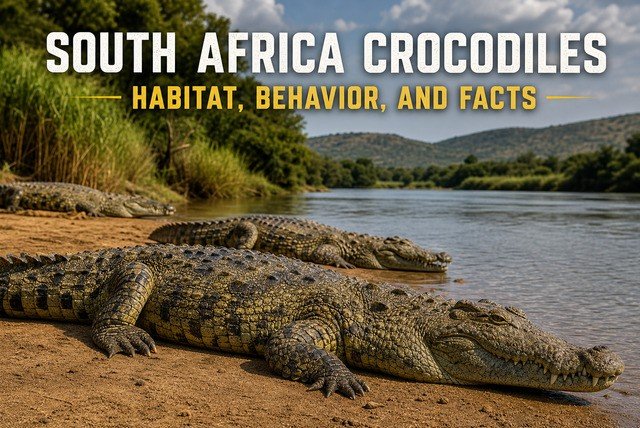
It was a quiet afternoon by the river in northern South Africa when a local guide suddenly raised his hand and whispered, “Don’t move.” Just a few meters away, what looked like a floating log slowly blinked. In that moment, the reality of south africa crocodiles became very real. These powerful creatures are not just part of wildlife documentaries—they live in rivers, lakes, and wetlands across the country. For many visitors and locals, seeing a Nile crocodile is both thrilling and terrifying. This article takes you deep into their world, exploring where they live, how they behave, and what makes them one of Africa’s most feared yet fascinating animals.
The First Encounter: Understanding Nile Crocodiles in South Africa
For many people, their first sight of a Nile crocodile is unforgettable. Imagine standing by a calm river, birds chirping, and suddenly spotting a pair of eyes just above the water. That is often how encounters begin. The Nile crocodile is the main species found among south africa crocodiles, and it is known for its massive size and silent movement.
These reptiles can grow up to 5 meters long, making them one of the largest predators in Africa. According to SouthAfrica.co.za, they are apex predators, meaning they sit at the top of the food chain. This gives them a powerful role in the ecosystem.
People living near rivers in regions like Limpopo and Mpumalanga often grow up respecting these animals. They know that while crocodiles rarely attack humans, they must never be underestimated. Their presence is a reminder that nature here is still wild and untamed.
Where They Live: Crocodiles in South African Rivers
Take a slow boat ride along a river in Kruger National Park, and you might notice how still the water feels. Beneath that calm surface, crocodiles may be resting, waiting, watching. South africa crocodiles prefer warm, slow-moving water where they can easily hide and hunt.
They are commonly found in rivers, lakes, dams, and wetlands. These environments give them everything they need—food, shelter, and the right temperature. As reported by SA Venues, crocodiles are cold-blooded animals, so they rely on the sun to control their body temperature.
You will often see them lying on riverbanks, soaking up the heat. It may look peaceful, but this is part of their survival strategy. Staying warm helps them stay active and ready to hunt. For locals, these rivers are not just beautiful—they are places where caution is always needed.
A Silent Hunter: Behavior of South Africa Wildlife Crocodiles
There is something almost cinematic about how a crocodile hunts. No sudden movement, no noise—just patience. Imagine a zebra coming down to drink water, unaware that danger is just below the surface. That is how south africa wildlife crocodiles operate.
They are known for their ambush hunting style. According to Reptile Knowledge, crocodiles feed on fish, birds, and even large mammals. Once they catch their prey, they use a powerful move called the death roll to tear it apart.
What makes them even more dangerous is their patience. They can stay still for hours, even days, waiting for the perfect moment. This ability makes them one of the most effective predators in the wild. Watching them in action is both fascinating and chilling.
Life Beneath the Surface: Physical Features That Help Them Survive
If you look closely at a crocodile, you will notice something unusual. Its eyes, ears, and nostrils are all on top of its head. This design allows it to stay almost completely hidden underwater while still seeing and breathing.
South africa crocodiles also have thick, armored skin that protects them from attacks. Their powerful tails help them move quickly through water, making them excellent swimmers. These features are not just for survival—they are tools that make them perfect hunters.
In many wildlife parks, visitors are often surprised by how still a crocodile can remain. It can look like a statue for hours. But in reality, it is fully alert, ready to react in seconds. This mix of stillness and sudden power is what makes them so unique in the animal world.
Where to See Crocodiles in South Africa Safely
For those who want to experience these animals up close without risk, there are safe ways to do it. Wildlife parks and conservation centers offer controlled environments where visitors can observe crocodiles safely.
Places like Crocworld provide educational tours and live feeding sessions. According to South Coast Happenings, these centers focus on both conservation and public awareness.
Many tourists combine these visits with other interests, such as exploring lifestyle and fashion trends during their travels. It adds a different kind of experience to their journey.
Seeing a crocodile in a safe setting helps people understand them better. It removes fear and replaces it with respect and curiosity.
The Role of Conservation: Protecting Crocodiles and People
In some areas, the relationship between humans and crocodiles is complicated. Rivers that once felt safe are now shared spaces. As human activity grows, crocodile habitats are affected.
Conservation programs are working hard to protect these animals. According to Wikipedia, wildlife centers play a key role in breeding and protecting endangered species, including crocodiles.
These programs also educate communities about safety. Simple steps, like avoiding certain river areas at night, can reduce risks. For readers who follow travel safety advice, similar awareness applies here too.
Protecting crocodiles is not just about saving a species. It is about maintaining balance in nature.
Reproduction and Survival: The Next Generation
One of the most interesting moments in a crocodile’s life happens before it even hatches. Female crocodiles lay their eggs in sandy riverbanks, carefully choosing safe spots.
What is surprising is that temperature plays a key role in determining whether the babies will be male or female. This natural process shows how closely crocodiles are connected to their environment.
Once the eggs hatch, the young are vulnerable. Many do not survive their early days. Birds, fish, and other predators see them as easy prey. Yet, those that survive grow into the powerful creatures we see in the wild today.
This cycle of life continues quietly along the rivers of South Africa, mostly unseen by humans.
Human Encounters: Rare but Real Stories
Every now and then, stories appear in the news about crocodile encounters. These moments often happen when people get too close to water in known crocodile areas.
While attacks are rare, they do happen. This is why locals treat rivers with caution. According to Crocodile Crazy, understanding crocodile behavior is key to staying safe.
Some travelers share stories of spotting crocodiles during safaris, often describing the experience as both exciting and nerve-wracking. For readers interested in real-life updates like latest news and stories, these encounters feel just as intense.
These experiences remind us that we are visitors in their world.
Why Crocodiles Matter in the Ecosystem
It is easy to see crocodiles as dangerous, but they play a very important role in nature. As apex predators, they help control animal populations and keep ecosystems balanced.
Without them, certain species could grow too large in number, affecting the entire environment. Crocodiles also help clean rivers by feeding on weak or dead animals.
Their presence is a sign of a healthy ecosystem. When crocodiles disappear, it often means something is wrong with the environment.
Understanding their role helps people see them not just as threats, but as essential parts of nature.
Staying Safe Near Water
In areas where Nile crocodiles live, never swim, wade or wash in rivers, dams or estuaries, and keep well back from the water’s edge, especially at dawn and dusk. Follow signs and guides’ advice in parks such as Kruger and iSimangaliso, and keep children and pets away from the water.
Conservation
Nile crocodiles are important top predators that help keep river ecosystems healthy. In parts of South Africa, populations face threats from pollution, dams and habitat loss, and some river systems have seen worrying declines, which is why protected areas matter.
Seeing Crocodiles Responsibly
The safest way to see crocodiles is on a guided safari, a boat trip with a licensed operator, or at an accredited conservation centre. Never feed wild animals. For more wildlife and travel ideas, see our guide to things to do in Egypt, where Nile crocodiles also live.
Conclusion: Living Alongside South Africa Crocodiles
Standing by a river in South Africa, knowing a crocodile could be nearby, changes how you see nature. South africa crocodiles are powerful, quiet, and deeply connected to their environment. From their hidden lives in rivers to their role as top predators, they are both feared and respected. Their story is not just about danger, but about balance and survival. As more people learn about them, there is a growing understanding of how to live safely alongside them. If you ever visit South Africa, take the time to learn, observe, and respect these incredible animals—they are a true symbol of the wild.
FAQs
What is the main crocodile species in South Africa?
The Nile crocodile is the main species found in South Africa. It is large, powerful, and lives in rivers, lakes, and wetlands. It is also one of the top predators in the region.
Where can you see crocodiles in South Africa?
You can see crocodiles in places like Kruger National Park, Limpopo, and wildlife centers such as Crocworld. These locations offer safe viewing opportunities.
Are crocodiles in South Africa dangerous to humans?
Crocodiles can be dangerous, but attacks are rare. Most incidents happen when people get too close to water in known crocodile areas. Following safety rules reduces risk.
What do South Africa crocodiles eat?
They eat fish, birds, and mammals. Larger crocodiles can even hunt big animals like antelope. They are skilled hunters and use stealth to catch prey.
Why do crocodiles bask in the sun?
Crocodiles are cold-blooded, so they rely on the sun to warm their bodies. Basking helps them stay active and maintain energy for hunting.
How big can Nile crocodiles grow?
Nile crocodiles can grow up to 5 meters in length. Their size and strength make them one of the most powerful reptiles in the world.